What is the Best Soil for a Greenhouse? Essential Tips for Optimal Plant Growth

When it comes to creating a thriving greenhouse environment, the choice of soil is paramount. The best soil not only supports plant growth but also influences moisture retention, nutrient availability, and drainage. Understanding the unique needs of your plants and the specific conditions of your greenhouse is essential for selecting the right soil mix. This article will explore various soil types, their benefits, and expert tips for achieving optimal plant growth in your greenhouse. Whether you’re a novice gardener or an experienced grower, knowing how to choose the best soil can significantly enhance your gardening success.
What is the Best Soil for a Greenhouse?
The best soil for a greenhouse is one that provides optimal drainage while retaining adequate moisture and nutrients for plants. A high-quality mix typically includes a combination of peat moss, coconut coir, and perlite or vermiculite. Peat moss offers excellent water retention capabilities, while perlite enhances aeration and drainage, preventing root rot. Additionally, incorporating organic matter, such as compost, boosts the soil's nutrient profile and supports beneficial microbial activity. The ideal pH level for greenhouse soil should range from 6.0 to 7.0, allowing plants to absorb nutrients efficiently.
Importance of Soil Drainage
Proper drainage is critical in greenhouse soil as it prevents excess water from accumulating around plant roots, which can lead to root rot and other diseases. Soil that drains well allows excess moisture to escape while retaining enough water for plant use. Incorporating materials such as perlite or coconut coir can significantly improve drainage, ensuring a healthy growing environment.
Choosing the Right Nutrients
When selecting soil for a greenhouse, it’s essential to consider the nutrient content, particularly nitrogen, phosphorus, and potassium. These primary nutrients are vital for plant growth, affecting everything from photosynthesis to root development. Blending organic fertilizers or slow-release fertilizers into the soil mix can help maintain these nutrient levels over time, promoting healthier plants and greater yields.
Soil pH and Its Impact
The pH level of greenhouse soil plays a significant role in nutrient availability. Most plants thrive in a pH range of 6.0 to 7.0, where nutrients are readily accessible. Testing the pH of your soil and making adjustments, such as adding lime to raise pH or sulfur to lower it, ensures that plants can absorb nutrients efficiently, which is crucial for their overall health and productivity.
Adding Organic Matter
Incorporating organic matter like compost into greenhouse soil enhances its structure and nutrient content. Organic matter improves soil fertility, water retention, and aeration, fostering a robust environment for plant roots. Regularly adding organic amendments also supports a diverse microbial ecosystem, which helps break down nutrients into forms that plants can utilize effectively.
Importance of Soil Aeration
Soil aeration is paramount in greenhouse settings as it facilitates oxygen exchange essential for root respiration. Compacted soil can hinder root growth and reduce nutrient uptake, leading to unhealthy plants. Adding materials like perlite, sand, or bark helps maintain soil structure and encourages proper aeration, allowing roots to thrive and enhancing overall plant health.
| Soil Component | Function |
|---|---|
| Peat Moss | Water retention |
| Perlite | Aeration and drainage |
| Coconut Coir | Moisture retention |
| Compost | Nutrient enhancement |
| Vermiculite | Water and nutrient retention |
What is the best ground for a greenhouse?
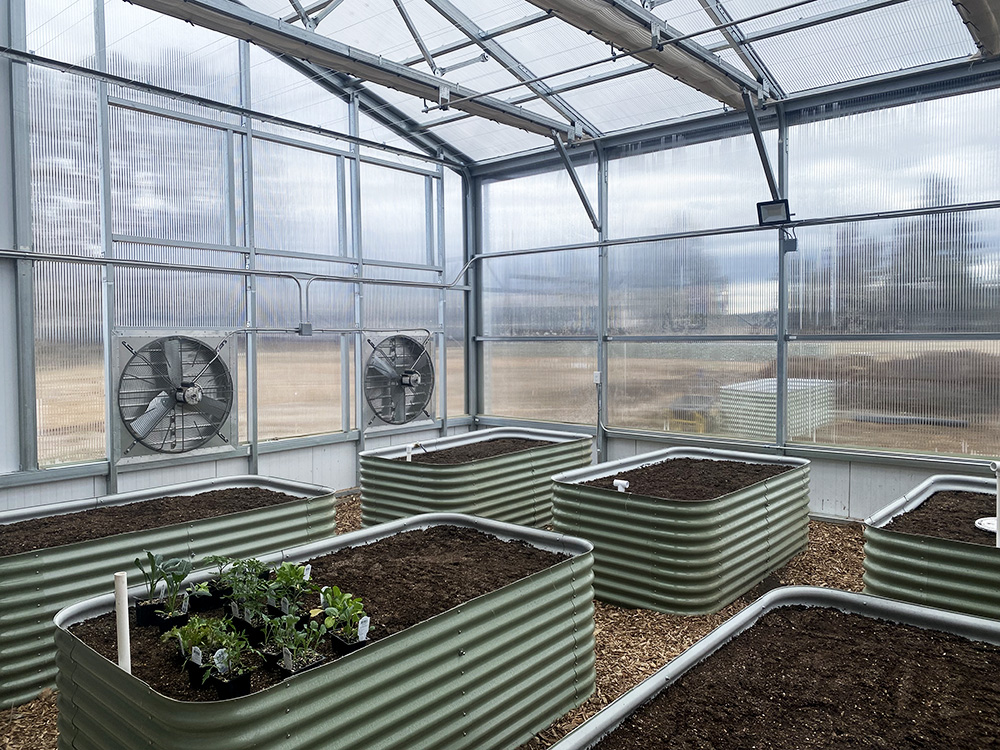
The best ground for a greenhouse is a well-draining soil that provides a stable foundation for plant growth. The ideal ground should maintain moisture without becoming waterlogged, ensuring that roots have access to both air and water. Here are the important aspects to consider:
Soil Composition
The composition of the soil is vital for successful greenhouse gardening. A blend of organic matter and minerals can create a perfect environment for plants. This can include:
- Loamy soil: A balance of sand, silt, and clay.
- Sandy soil: Good drainage but less nutrient retention.
- Clay soil: Retains moisture but can become compacted.
Drainage Capabilities
Adequate drainage is essential to prevent root rot and other water-related issues. You should:
- Test the soil: Check if water drains well after a heavy rain.
- Amend the soil: Add perlite or sand to improve drainage if necessary.
- Use raised beds: They can help to improve water flow and air circulation.
pH Levels
The pH level of the soil affects nutrient availability to plants. Ideal pH for most plants is slightly acidic to neutral, around 6.0 to 7.0. To manage pH levels:
See also:
- Test your soil regularly: Use pH testing kits.
- Add amendments: Incorporate lime to raise pH or sulfur to lower it.
- Choose suitable plants: Some plants thrive in specific pH ranges.
Soil Temperature
Temperature can significantly influence plant growth. Maintaining optimal soil temperature is crucial for seed germination and root development. To manage soil temperature:
- Insulate with mulch: Helps to stabilize soil temperature.
- Use thermal mass: Rocks or bricks can absorb heat during the day.
- Monitor temperature fluctuations: Use soil thermometers for accurate readings.
Organic Matter and Nutrients
Incorporating organic matter enriches soil fertility and promotes healthy microbial activity. For enhancing nutrient content:
- Add compost: Provides a slow release of nutrients.
- Utilize cover crops: They improve soil structure and add nutrients when turned under.
- Fertilize appropriately: Use organic or slow-release fertilizers based on plant requirements.
How do you make homemade greenhouse soil mix?

To make homemade greenhouse soil mix, you'll need to incorporate a variety of components that promote good drainage, aeration, and nutritional content. Creating an effective soil mix is essential for planting healthy seeds and seedlings. Here’s a detailed guide on how to achieve the right blend.
Essential Components of Greenhouse Soil Mix
The first step in making a homemade greenhouse soil mix is selecting the right components. An effective soil mix typically includes three primary ingredients: organic matter, inorganic materials, and nutrients. Each component serves a unique purpose in promoting plant growth.
- Organic Matter: This includes compost, well-rotted manure, or peat moss. Organic matter enhances soil structure, improves water retention, and adds essential nutrients.
- Inorganic Materials: Ingredients such as perlite, vermiculite, or sand improve drainage and aeration in the soil mix, preventing compaction and ensuring root health.
- Nutrients: Fertilizer or mineral amendments can provide the necessary N-P-K (Nitrogen, Phosphorus, and Potassium) and micronutrients essential for plant development.
Basic Recipe for Greenhouse Soil Mix
Creating an effective greenhouse soil mix typically involves combining equal parts of various materials. A simple recipe may include equal volumes of compost, peat, and perlite, but variations can be made depending on specific plant needs.
- 1 part compost: This will help provide the necessary nutrients and improve soil structure.
- 1 part peat moss: This helps retain moisture and provides a soft texture for roots to grow.
- 1 part perlite: This ensures proper drainage and aeration, crucial for preventing root rot.
Adjusting Soil Mix for Different Plants
Different plants have varying soil requirements. Adjusting your homemade soil mix according to the specific needs of your plants can help ensure optimal growth.
- Cacti and Succulents: Use less organic matter and increase the amount of sand or grit to improve drainage.
- Seedlings and Young Plants: A lighter mix with more peat or coconut coir helps retain moisture while providing good aeration.
- Heavy Feeders: Incorporate additional fertilizer or compost to enhance nutrient availability for these plants.
Testing and Improving Soil Quality
For best results, regularly test the quality of your homemade soil mix. Factors such as pH level, nutrient content, and moisture retention can affect plant health.
- pH Testing: Use a pH meter or test kit to ensure that your soil is within the ideal range for your plants.
- Nutrient Assessment: Consider using a soil test to determine any nutritional deficiencies in your mix.
- Texture and Moisture Retention: Adjust your mix by adding more perlite or organic matter as needed based on texture and moisture holding capacity.
Storing and Using Your Soil Mix
Once your homemade greenhouse soil mix is prepared, proper storage and usage are important for maintaining its quality.
- Storage: Keep your soil mix in a cool, dry place, preferably in sealed containers to prevent contamination and moisture loss.
- Usage: When planting, ensure to loosen the soil and adequately water it before introducing plants.
- Refreshing the Mix: Periodically refresh your soil mix with additional compost or nutrients as plants deplete the available resources over time.
What is the best compost for a greenhouse?
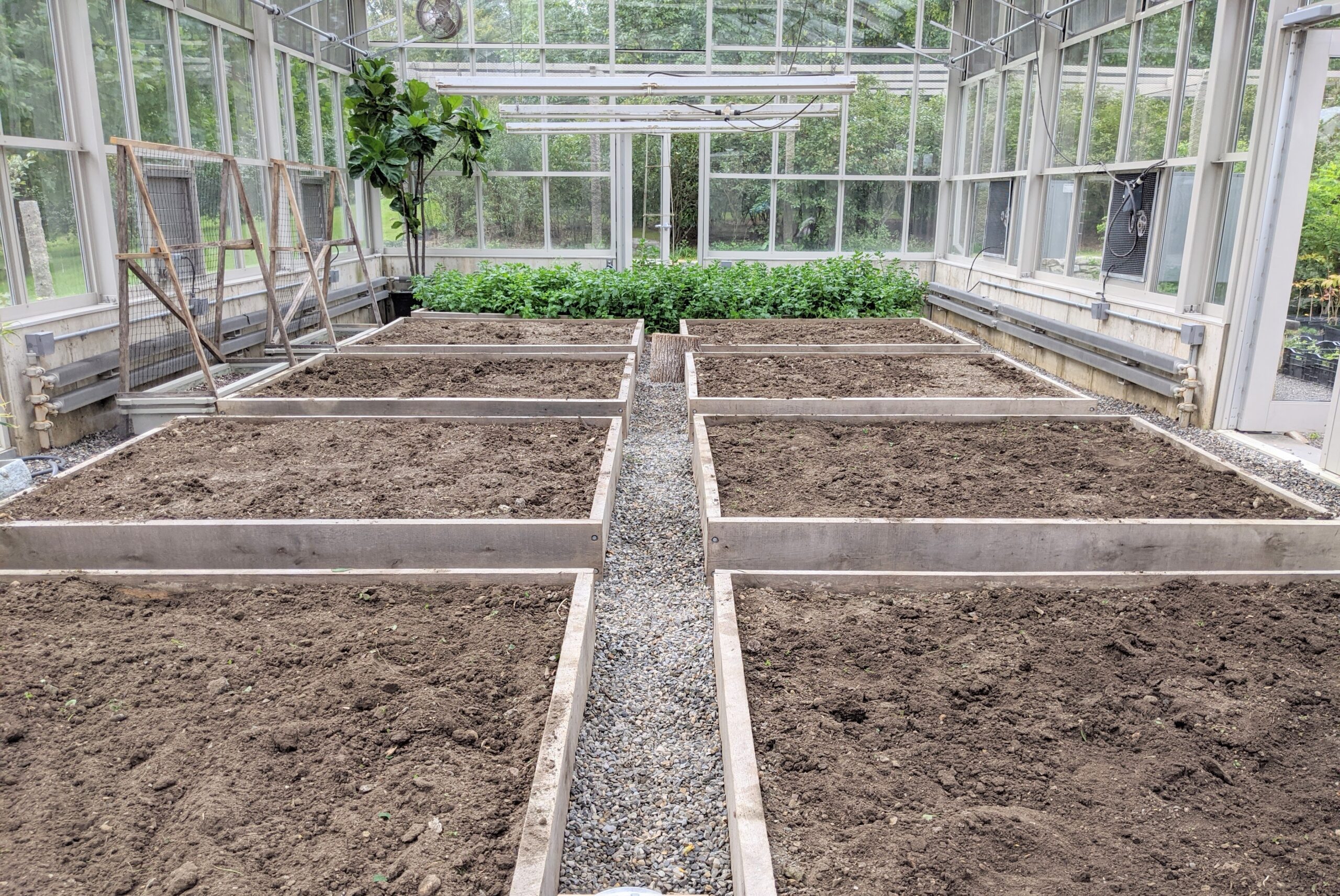
The best compost for a greenhouse should provide a balanced and nutrient-rich environment for the plants while ensuring proper drainage and aeration. A good compost mix typically includes a combination of organic materials that improve soil structure and fertility. When selecting compost for greenhouse use, consider the following factors:
1. Source of Ingredients: The compost should be made from high-quality organic materials, such as well-rotted manure, leaf mold, and kitchen scraps. Avoid compost from synthetic fertilizers or chemical additives.
See also:
2. pH and Nutrient Levels: The compost's pH should be slightly acidic to neutral (around 6.0 to 7.0) to promote optimal plant growth. Conduct a nutrient test to ensure adequate levels of nitrogen, phosphorus, and potassium.
3. Texture: The compost should have a crumbly texture that allows for good drainage and aeration. A mix with too many heavy materials can lead to compaction and hinder root growth.
4. Microbial Life: Quality compost should be teeming with beneficial microbes and earthworms, which enhance soil fertility and improve plant health.
5. Availability and Cost: Lastly, consider the availability and cost of the compost. You may opt for pre-packaged compost or create your own using composting techniques at home.
Components of Quality Greenhouse Compost
The best compost blends multiple organic materials that provide essential nutrients and improve soil structure. Key components include:
- Green Materials: Fresh plant clippings and kitchen scraps add nitrogen.
- Brown Materials: Dried leaves and cardboard provide carbon for microbial activity.
- Soil or Peat: Helps retain moisture and provides a stable medium for plant roots.
Benefits of Using Compost in a Greenhouse
Incorporating compost into greenhouse gardening offers numerous benefits, including:
- Nutrient-Rich Environment: Compost supplies essential nutrients that promote plant growth.
- Improved Soil Structure: Enhances aeration and drainage, reducing the risk of root rot.
- Microbial Diversity: Encourages beneficial microbes that help prevent disease and pest issues.
Creating Your Own Greenhouse Compost
Making compost at home can be a rewarding and cost-effective option for greenhouse gardening. Steps to create your compost include:
- Choose a Compost Bin: Use a bin that allows for air circulation while enclosing materials.
- Layer Ingredients: Alternate between green and brown materials to create a balance.
- Maintain Moisture: Ensure that the compost remains moist but not soggy to support microbial activity.
Commercial Compost Options for Greenhouses
When purchasing compost, it's vital to choose high-quality commercial products. Consider these factors:
- Organic Certification: Look for compost labeled as organic to avoid synthetic additives.
- Local Suppliers: Buy from local suppliers to support community agriculture and reduce environmental impact.
- Customer Reviews: Research and read reviews from other gardeners to find the best options.
Common Mistakes in Composting for Greenhouses
Avoiding common pitfalls can lead to better compost outcomes. Common mistakes include:
- Ignoring Balance: Not achieving the right ratio of greens to browns can impede the composting process.
- Compacting Materials: Overly compacted compost restricts airflow, slowing decomposition.
- Neglecting Temperature: Failing to monitor internal temperatures can limit the effectiveness of the composting process.
Questions from Our Readers
What is the best soil for a greenhouse?
The best soil for a greenhouse is typically a well-draining mix that retains moisture without becoming waterlogged. A combination of peat moss, coconut coir, and perlite or vermiculite is often recommended, as it provides essential nutrients while ensuring proper aeration for plant roots.
How do I amend soil for greenhouse use?
To amend soil for greenhouse use, you can add organic matter such as compost or aged manure to improve fertility and structure. Additionally, incorporating lime can help balance pH, while fertilizers can provide necessary nutrients for optimal plant growth.
Can I use garden soil in my greenhouse?
While you can use garden soil in your greenhouse, it is often not the best choice due to its tendency to compact and potentially harbor pests or diseases. A specially formulated greenhouse mix is usually recommended for better drainage and plant health.
See also:
What is the ideal pH level for greenhouse soil?
The ideal pH level for greenhouse soil generally ranges from 6.0 to 7.0, which is slightly acidic to neutral. This pH range allows for optimal nutrient availability for most plants grown in a greenhouse setting.

If you want to read more articles like What is the Best Soil for a Greenhouse? Essential Tips for Optimal Plant Growth, we recommend you check out our Soil category.
Leave a Reply
Related Articles