Can Fungicide Be Applied to Soil? Exploring Effective Methods and Benefits
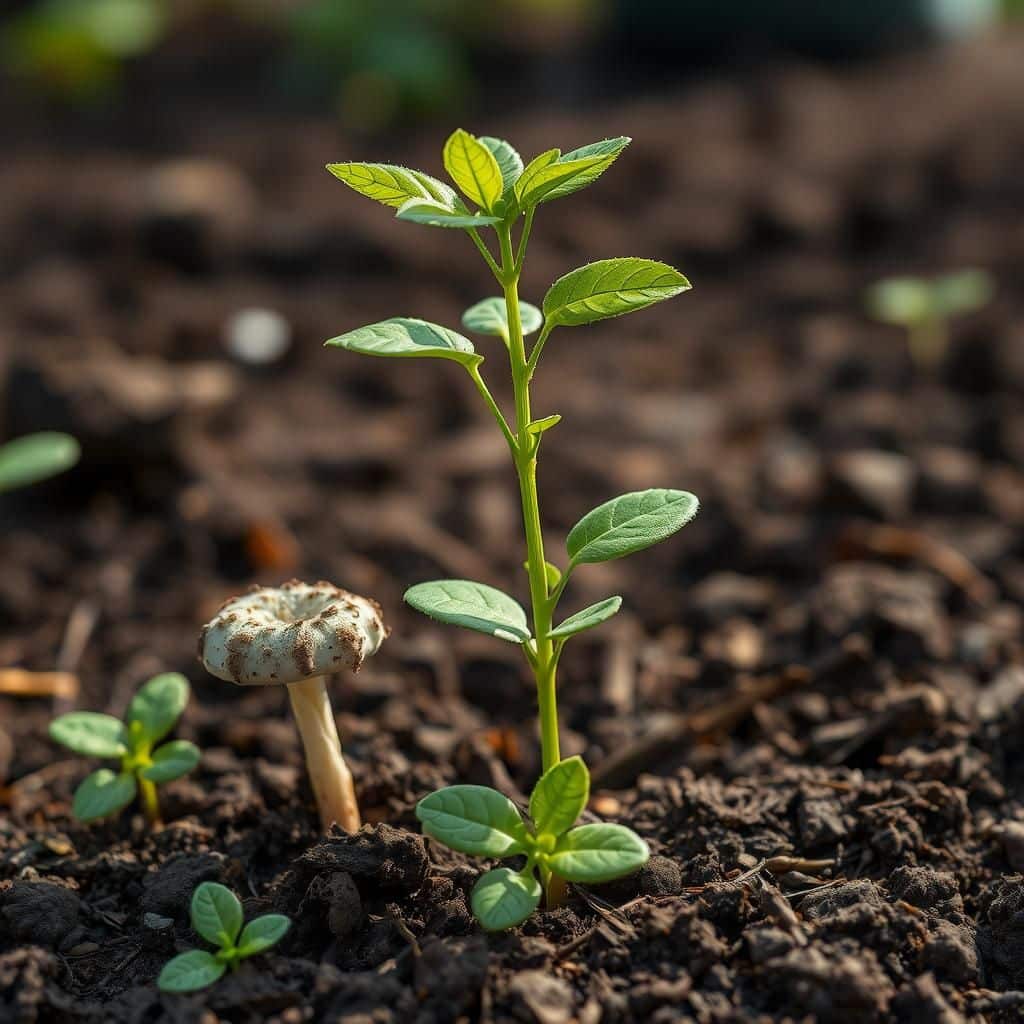
Fungicides play a crucial role in managing soil-borne diseases that threaten plant health and agricultural productivity. This article delves into the effectiveness of applying fungicides directly to the soil, exploring various methods and their benefits. By understanding the mechanisms of action and proper application techniques, farmers and gardeners can enhance soil health, increase crop yields, and reduce the reliance on chemical controls. We'll also examine potential environmental impacts and best practices for sustainable usage. Join us as we explore the effectiveness of soil fungicides and their contribution to successful agricultural practices.
Can Fungicide Be Applied to Soil?
Yes, fungicides can be applied to soil to help manage fungal diseases in various plants and crops. Soil applications of fungicides can be particularly effective against soil-borne pathogens, which can lead to root rot and other diseases. When fungicides are applied to the soil, they may act systemically, meaning they can be absorbed by the plants' roots and transported throughout the plant, offering protection from diseases that affect both the roots and the aerial parts of the plant. However, it is essential to follow the manufacturer's guidelines regarding dosage and timing, as well as to consider the environmental impact of using such chemicals.
Types of Fungicides for Soil Application
There are mainly two types of fungicides used for soil application: contact fungicides and systemic fungicides. Contact fungicides act on the surface of the soil and target pathogens that come into direct contact with the product. In contrast, systemic fungicides are absorbed by the plant and provide internal protection against pathogens that may cause disease in the root or stem. Understanding the distinction between these two types is crucial for effective application and management of soil-borne diseases.
Effectiveness of Fungicides in Soil
The effectiveness of fungicides when applied to soil largely depends on various factors, including soil type, moisture levels, and the specific fungal pathogens present. Certain soil conditions may favor the binding of fungicides, which can diminish their effectiveness. Moreover, the timing of the application, especially before planting or at specific growth stages, can significantly influence the outcome. It's essential to assess the particular needs of the crops and the prevailing soil conditions to maximize efficacy.
Environmental Considerations
When applying fungicides to soil, it is vital to consider their environmental impact. Some fungicides can leach into the groundwater or affect non-target organisms, such as beneficial soil microbes and insects. To minimize ecological consequences, it is recommended to utilize integrated pest management (IPM) strategies, which include crop rotation, use of resistant plant varieties, and appropriate application techniques. Moreover, adhering to local regulations and guidelines regarding fungicide use is essential to safeguard environmental health.
Application Techniques
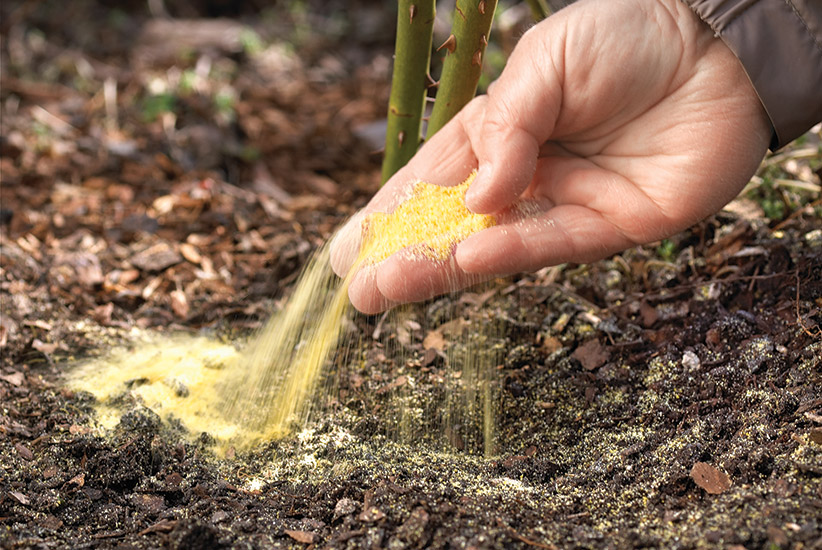
There are several techniques for applying fungicides to the soil, including banding, granular applications, and drenches. Banding involves placing the fungicide in specific rows or bands where plants are growing, while granular applications can be spread evenly across the entire field. Drench applications involve mixing fungicides with water and applying it directly to the soil around the plants. Each method has its advantages and considerations depending on the target disease and crop, and the choice should align with best practices and specific scenarios.
Safety Measures When Using Fungicides
When applying fungicides to the soil, it is important to follow all safety measures to protect yourself and the environment. Always wear appropriate personal protective equipment (PPE), such as gloves, masks, and goggles, when handling these chemicals. Additionally, ensure that fungicides are applied during favorable weather conditions to prevent drift and runoff. Proper storage and disposal of unused products and containers are also critical to avoid accidental exposure or environmental contamination. Following these safety guidelines can help mitigate risks associated with fungicide usage.
| Fungicide Type | Application Method | Effectiveness |
|---|---|---|
| Contact | Banding | Targets pathogens on soil surface |
| Systemic | Drench | Absorbed by plants, provides internal protection |
| Granular | Granular Application | Even coverage across soil, suitable for various crops |
Can I apply fungicide to soil?

Yes, you can apply fungicide to soil, but there are several important considerations to keep in mind. The primary purpose of using fungicides in the soil is to control fungal diseases that affect plant roots and soil microbiomes. These products can help protect plants from diseases caused by pathogens such as Phytophthora, Fusarium, and Rhizoctonia. It is essential to select the appropriate fungicide based on the specific fungal problem and the type of plants you are treating. Additionally, it's crucial to follow the manufacturer's instructions regarding application rates and timing to prevent harm to beneficial soil organisms.
Benefits of Applying Fungicide to Soil
Applying a fungicide to the soil offers several advantages:
- Prevention of Root Diseases: Applying fungicide can reduce the risk of root rot and other soilborne diseases that can devastate crops.
- Improved Plant Health: Healthy roots contribute to better nutrient and water uptake, leading to improved overall plant vigor.
- Enhanced Yield: By preventing diseases, fungicides can ultimately lead to higher yields and better-quality crops.
Types of Fungicides for Soil Application
When choosing a fungicide for soil use, you should consider the following types:
- Systemic Fungicides: These are absorbed by the plant and provide protection from within, targeting pathogens effectively.
- Contact Fungicides: They act on contact with the fungal spores and need to be applied to prevent infections.
- Biological Fungicides: These are based on natural organisms that control pathogens and are often less harmful to beneficial microbes.
Application Methods for Soil Fungicides
There are various methods for applying fungicides to the soil:
- Broadcast Application: Spreading the fungicide evenly over the soil surface can ensure comprehensive coverage.
- Soil Drenching: Mixing fungicide with water and applying it directly to the soil around the plant can provide targeted treatment.
- Incorporation into Soil: Mixing fungicides into the soil at planting can protect young plants during their critical growth stages.
Timing of Fungicide Application
The timing of applying fungicides is crucial for effectiveness:
See also:
- Before Planting: Preventive application before planting can help protect seeds and young seedlings from diseases.
- During Early Growth: Applying fungicides during the early stages can help mitigate any emerging threats as plants establish.
- Disease Outbreaks: Immediate action upon noticing symptoms of disease is essential to minimize damage and spread.
Environmental Considerations When Applying Fungicides
When applying fungicides, consider the following environmental impacts:
- Impact on Beneficial Organisms: Some fungicides may harm beneficial fungi, so choose products that minimize this risk.
- Water Contamination: Ensure proper application techniques to prevent runoff that could contaminate nearby water sources.
- Soil Residues: Understand the residual effects of fungicides and their potential long-term impact on soil health and ecological balance.
Are fungicides harmful to soil?

Fungicides are widely used in agriculture to protect crops from fungal infections. However, their impact on soil health is a growing concern among researchers and agronomists. Here, we will explore whether fungicides are harmful to soil.
Effects of Fungicides on Soil Microbial Communities
Fungicides can significantly alter the composition and activity of soil microbial communities. The microorganisms in soil play essential roles in nutrient cycling and organic matter decomposition. Exposure to fungicides can lead to:
- Reduction in biodiversity: Certain fungicides may selectively kill off beneficial fungi, leading to a decrease in microbial diversity.
- Alteration of microbial functions: The disruption in microbial communities can impair their functions, such as nitrogen fixation and organic matter decomposition.
- Resilience to pathogens: Reduced microbial diversity can make soil less resilient to pathogens, as specific beneficial organisms are eliminated.
Soil Health and Nutrient Availability
The application of fungicides may indirectly affect soil health and nutrient availability. Healthy soil requires a balance of organisms to facilitate nutrient exchange. The effects include:
- Nutrient cycling disruption: Essential nutrients like nitrogen and phosphorus depend on microbial activity, which can be compromised by fungicides.
- Impact on organic matter: Soil fungi are critical for breaking down organic matter; their reduction can lead to poorer soil structure and fertility.
- Long-term soil quality: Continuous use of fungicides might lead to long-term declines in soil quality, making it less productive over time.
Persistence of Fungicides in Soil
Some fungicides can persist in the soil for extended periods, which raises concerns about their long-term effects. The persistence of fungicides can lead to:
- Accumulation: Over time, repeated applications can lead to residue accumulation, which can be toxic to soil organisms and plants.
- Leaching: Persistent fungicides may leach into groundwater, posing a risk not only to soil health but also to nearby ecosystems.
- Soil chemistry alteration: Some fungicides can change the soil pH or other chemical properties, affecting overall soil health.
Impact on Crop Health and Yield
While fungicides aim to protect crops, their unintended consequences on soil can affect crop health and yield. This can be observed in several ways:
- Crop stress: If beneficial microbes are negatively impacted, crops may suffer from increased stress due to reduced nutrient availability.
- Plant resistance: Lack of microbial support can make plants more susceptible to diseases, counteracting the purpose of applying fungicides.
- Reduced yield: Long-term soil degradation can ultimately lead to diminished crop yields and agricultural productivity.
Regulatory and Environmental Considerations
The use of fungicides is heavily regulated due to their potential impact on the environment. Considerations include:
- Environmental impact assessments: Regulatory bodies often require assessments to evaluate the potential ecological effects of fungicides.
- Integrated Pest Management (IPM): Many farmers are encouraged to adopt IPM strategies that minimize fungicide use by incorporating alternative methods.
- Sustainable practices: Research is ongoing into sustainable agricultural practices that balance the need for pest control with soil health preservation.
How to treat fungal disease in soil?
To treat fungal disease in soil, it is essential to understand the nature of the fungi causing the problem and implement appropriate measures to mitigate their effects. Effective management strategies are necessary to restore soil health and prevent further outbreaks. Here are some detailed treatments and procedures:
Understanding Fungal Diseases
Fungal diseases in soil can stem from various causes, including poor soil drainage, excessive moisture, and the presence of organic matter. Understanding these pathogens is crucial for effective treatment. Common fungi that affect plants include Rhizoctonia, Pythium, and Fusarium. Recognizing symptoms such as wilted plants, stunted growth, or discoloration can help in early detection.
- Identify the type of fungus affecting your soil.
- Monitor the symptoms on plants and surrounding areas.
- Understand the environmental factors that may contribute to fungal proliferation.
Improving Soil Drainage
Poor drainage can lead to standing water, creating a favorable environment for fungal growth. Improving drainage involves both physical changes and soil amendments that enhance water infiltration.
- Inspect your garden layout for low spots that retain water.
- Add organic matter, such as compost, to improve soil structure.
- Use raised beds to promote better drainage conditions.
Soil Amendments
Incorporating specific soil amendments can disrupt the life cycle of fungi and enhance the microbial diversity of the soil. Certain amendments can create an environment that is inhospitable to pathogenic fungi.
See also:
- Apply lime to raise soil pH, as many fungi thrive in acidic conditions.
- Add sulfur or composted manure to support beneficial microbial life.
- Utilize biofungicides, which are effective against soilborne diseases.
Crop Rotation and Diversity
Implementing a crop rotation strategy can significantly reduce the recurrence of fungal diseases. By planting different crops each season, you limit the exposure of specific pathogens to their host plants.
- Plan a rotation that includes non-host plant families to disrupt fungal cycles.
- Incorporate cover crops, which can suppress fungal spores.
- Promote biodiversity in your garden to enhance soil resilience.
Monitoring and Maintenance
Continuous monitoring of soil conditions and plant health is critical to managing fungal diseases effectively. Regular assessments can help identify potential issues before they escalate.
- Regularly inspect plants and soil for signs of fungal diseases.
- Test soil periodically for pH and nutrient levels.
- Implement a maintenance schedule for soil health practices.
Which fungicide is best for soil application?
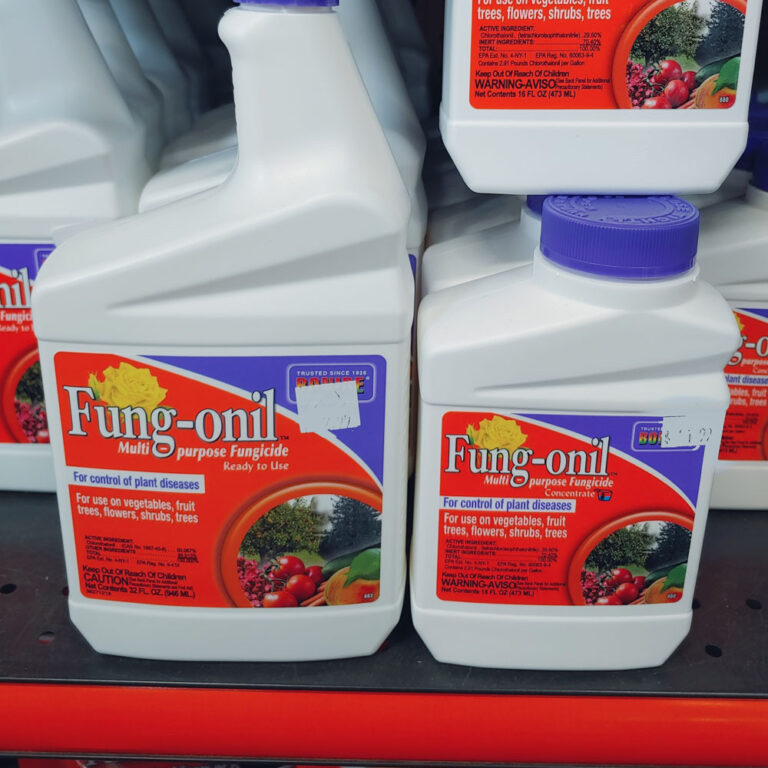
The best fungicide for soil application can depend on the specific type of fungus you're trying to control as well as the cropping system in question. However, one widely recommended fungicide for soil applications is Trichoderma spp., a beneficial fungus used as a biocontrol agent. Other common chemical fungicides used for soil applications include Azoxystrobin, Carbendazim, and Fluazinam.
Here’s a detailed breakdown of some effective fungicides for soil application:
Understanding Soil-Borne Fungal Diseases
Soil-borne fungal diseases can severely affect plant growth and yield. These diseases are caused by pathogens present in the soil that can infect plants at their roots. Recognizing these diseases is crucial for selecting an appropriate fungicide. Common symptoms include:
- Wilting of plants even with adequate watering.
- Yellowing or browning of leaves.
- Root rot and overall stunted growth.
Trichoderma spp.: The Biocontrol Agent
Trichoderma spp. are beneficial fungi that help suppress soil-borne pathogens through various mechanisms, including competition and parasitism. Applying these fungi can enhance the health of the soil microbiome and promote plant growth. Key benefits include:
- Improved disease resistance.
- Enhancement of nutrient uptake by plants.
- Soil structure improvement through organic matter degradation.
Chemical Fungicides: Azoxystrobin
Azoxystrobin is a systemic fungicide widely used for its effectiveness against a broad spectrum of fungal diseases. It works by inhibiting mitochondrial respiration in fungi, effectively stopping their growth. Considerations when using Azoxystrobin include:
- Application method (soil drench or injection).
- Timing of application to coincide with infection risk.
- Potential for resistance development if overused.
Carbendazim: A Broad-Spectrum Fungicide
Carbendazim is another effective fungicide used for controlling various soil-borne pathogens. This fungicide disrupts cell division in fungi and is effective against diseases like root rot. When using Carbendazim, consider the following:
- Application rates as per specific crop needs.
- Compatibility with other pesticides.
- Environmental safety and potential residual effects in soil.
Fluazinam: Protecting Against Soil Pathogens
Fluazinam is a unique fungicide that acts on the cellular membrane of fungi, making it effective against a variety of diseases. It's particularly valuable in preventing damping-off diseases. Important aspects to keep in mind include:
- Effective against pathogens resistant to other fungicides.
- Best used as part of an integrated disease management plan.
- Monitoring environmental conditions to enhance efficacy.
Questions from Our Readers
Can fungicide be applied to soil?
Yes, fungicides can be applied to soil to prevent or control fungal infections in plants. This application helps to protect the root system and improve plant health by reducing the incidence of soil-borne pathogens.
What types of fungicides can be used in soil applications?
There are various types of fungicides suitable for soil application, including systemic, contact, and biological fungicides. Each type targets different types of fungi and may have specific application techniques for optimum effectiveness.
How long does fungicide remain effective in soil?
The effectiveness of a fungicide in the soil can vary based on factors such as chemical composition, soil type, and environmental conditions. Generally, most fungicides degrade over time, requiring repeated applications to maintain effective protection.
See also:
Are there any precautions to take when applying fungicide to soil?
Yes, it is essential to follow label instructions carefully, as improper application can harm the environment and non-target organisms. Wear appropriate protective gear and consider factors like weather and soil moisture to ensure safe and effective use of the fungicide.

If you want to read more articles like Can Fungicide Be Applied to Soil? Exploring Effective Methods and Benefits, we recommend you check out our Soil category.
Leave a Reply
Related Articles