Why is there white fuzz on my plants' soil? Understanding the Causes and Solutions
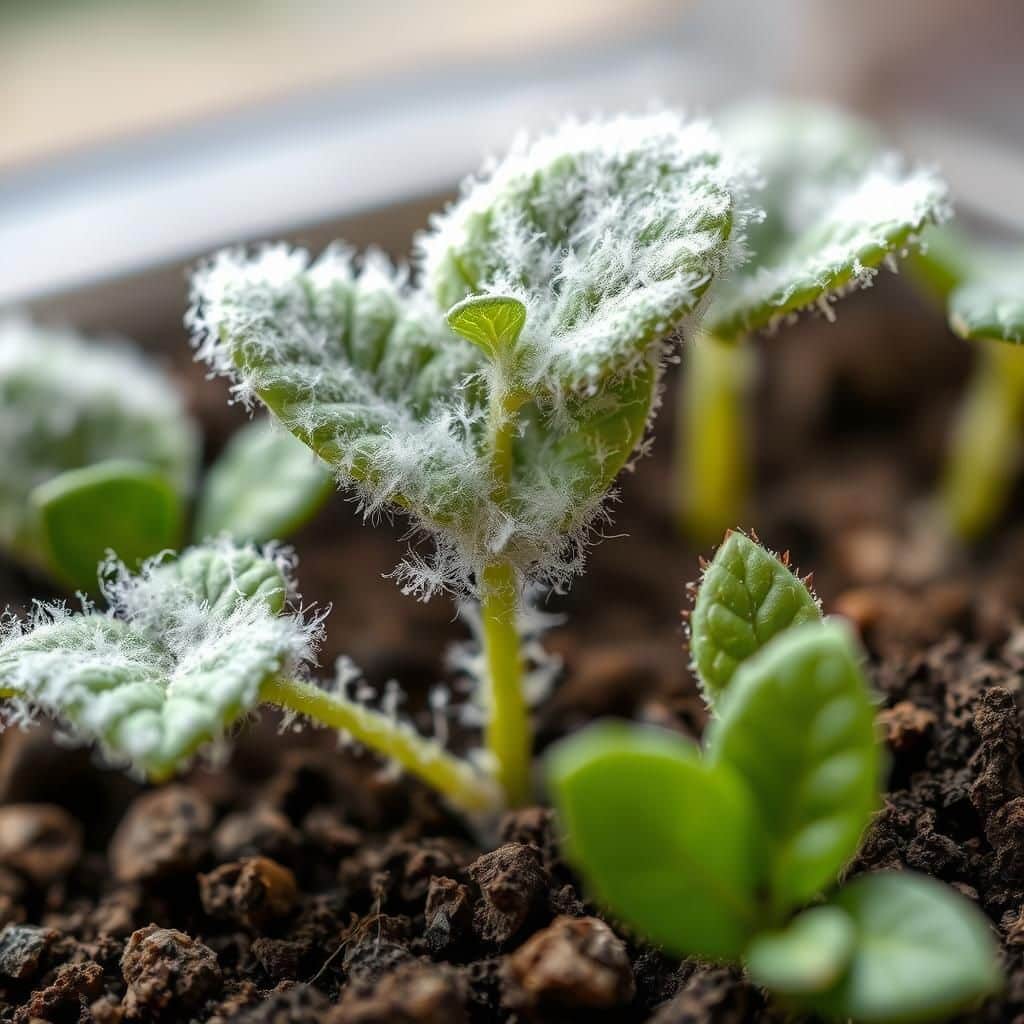
If you've noticed white fuzz forming on the soil of your houseplants, you may be wondering what it is and whether it poses a threat to your greenery. This common issue can stem from various factors, including mold, fungi, or pests. Understanding the underlying causes of this fuzz is crucial for maintaining the health of your plants. In this article, we will explore the reasons behind white fuzz on your plants' soil, identify potential risks, and provide effective solutions to help you keep your indoor garden thriving. Read on to learn how to tackle this seemingly perplexing problem.
Why is There White Fuzz on My Plants' Soil?
The presence of a white fuzz on your plants' soil is often an indication of fungal growth, particularly species such as mycelium or molds. This white substance typically thrives in conditions where the soil is too wet or overly compacted, as it creates an ideal environment for fungi to proliferate. While the presence of white fuzz might be concerning, it's important to note that not all fungi are harmful; some can actually benefit plant health by breaking down organic material. However, if the fuzz appears excessive or is accompanied by other issues like wilted leaves, it may warrant closer inspection or intervention.
Causes of White Fuzz
The white fuzz on soil can be caused by several factors, predominantly the presence of overwatering or high humidity levels. When the soil remains consistently moist, it creates a breeding ground for fungal spores to germinate and grow, manifesting as a fuzzy layer on the surface. Poor air circulation can exacerbate this issue, allowing fungi to thrive without competition from beneficial bacteria that might otherwise help control their population.
Is White Fuzz Harmful to Plants?
In many cases, the white fuzz is not directly harmful to plants. Fungi play a crucial role in the ecosystem by breaking down organic matter and releasing nutrients back into the soil. However, if the fuzz represents a type of pathogenic fungus, it can lead to root rot or other plant diseases, especially if the plant is stressed or weakened. Close monitoring is essential to determine if the white fuzz is symptomatic of a larger problem that needs addressing.
How to Control White Fuzz
To effectively control white fuzz on the soil, it is vital to adjust watering practices, allowing the soil to dry out between watering sessions. Improving air circulation around plants and ensuring adequate drainage can significantly reduce damp conditions favorable to fungus. You may also consider gently scraping off the white fuzz and treating the soil with a fungicide if it's deemed necessary, or simply repotting the plant in fresh soil.
See also:
Preventive Measures
Preventing white fuzz involves maintaining optimal growing conditions for your plants. Ensure that you are using well-aerated soil and pots with proper drainage holes. It’s also beneficial to monitor humidity levels, especially in indoor environments, and to avoid overcrowding plants, which can lead to increased moisture retention. Regularly inspecting your plants and practicing good hygiene can help minimize the risk of fungal growth.
When to Seek Professional Help
If the white fuzz persists despite following good care practices and seems to be adversely affecting plant health, it may be time to seek professional help. Getting in touch with a horticultural expert or plant specialist can provide insights into specific issues related to soil or plant health. They can offer tailored advice on treatment options, including identifying any underlying conditions that may be contributing to the problem.
| Issue | Recommended Action | Outcome |
|---|---|---|
| Overwatering | Reduce watering frequency | Decreased moisture; less fungal growth |
| Poor drainage | Improve pot drainage | Better aeration; healthier soil |
| High humidity | Increase air circulation | Reduced conducive environment for fungi |
| Excessive fuzz | Remove manually | Immediate decrease in visible fuzz |
| Plant disease | Consult a specialist | Accurate diagnosis and treatment |
Identifying the Types of White Fuzz on Plant Soil
White fuzz on your plants' soil can often be a sign of various issues, primarily related to fungal growth or mold. This can occur when the soil remains too moist or is exposed to poor air circulation, creating an ideal environment for such microorganisms to thrive. Other possibilities include a buildup of organic matter or pests, such as mealybugs, which leave behind a white residue. Understanding these causes is crucial for effective remediation and ensuring the health of your plants.
Fungal Growth: Causes and Identification
Fungal growth is one of the most common reasons for observing white fuzz on your plant soil. This growth typically appears as fluffy or cotton-like structures and thrives in damp conditions. The presence of fungi often indicates that there is excess moisture in the soil, making it essential to allow the soil to dry out and improve the drainage to combat this problem.
Soil Mold: How to Spot and Treat It
Soil mold can manifest as a white fuzzy layer and usually develops from organic material in the soil, such as decaying plant matter. It often indicates that the soil is retaining too much moisture and lacks proper ventilation. To treat soil mold, consider removing the top layer of affected soil and allowing the plant to dry out more thoroughly between watering sessions.
See also:
Mealybugs and Other Infestations
Mealybugs may also be the culprits behind the appearance of white fuzz on your plant's soil. These small, white insects feed on plant sap and can create a sticky residue that resembles mold. To eliminate mealybugs, it's important to isolate the affected plant and apply insecticidal soap or neem oil to ensure they are properly eradicated and do not spread to other plants.
The Role of Overwatering in Soil Issues
Overwatering is a primary contributor to the white fuzz observed on soil surfaces, leading to both mold and fungal growth. When soil remains consistently soggy, it creates an ideal habitat for various pathogens. To prevent this, always check the moisture level before watering and ensure your plant pots have adequate drainage holes to facilitate moisture escape.
Preventive Measures for Healthy Soil
To maintain healthy soil and prevent the occurrence of white fuzz, adopt practices such as proper water management and ensuring good air circulation. Utilizing well-draining soil and regularly checking for signs of pest infestations can greatly enhance your plant's health. Implementing these strategies will not only reduce the likelihood of white fuzz but also promote overall plant vitality and growth.
Questions from Our Readers
What causes white fuzz on my plants' soil?
White fuzz on your plants' soil is typically caused by fungus or mold. This growth thrives in damp environments and can occur when the soil is too wet or not properly aerated. To address this, ensure that you are not overwatering your plants and consider improving drainage.
Is the white fuzz harmful to my plants?
Generally, the white fuzz itself is not directly harmful to your plants, but excessive mold can indicate underlying issues such as overwatering or poor soil health. It’s important to monitor the situation; if you notice any decline in plant health, addressing the conditions that promote mold growth is essential.
See also:
How can I get rid of the white fuzz on my soil?
To eliminate the white fuzz, start by reducing moisture levels. Allow the soil to dry out between waterings and consider removing the top layer of soil if it's heavily infested. Increasing air circulation and ensuring good drainage will also help discourage future mold growth.
Can I prevent white fuzz from appearing on my plants' soil?
Yes, prevention is possible by maintaining ideal growing conditions. Ensure proper watering techniques, providing adequate light, and using well-draining soil. Additionally, consider using a fan to improve air circulation around your plants, reducing the likelihood of mold developing.

If you want to read more articles like Why is there white fuzz on my plants' soil? Understanding the Causes and Solutions, we recommend you check out our Soil category.
Leave a Reply
Related Articles