What is the Highest Yielding Cover Crop? Top Choices for Maximum Benefits

Cover crops play a crucial role in sustainable agriculture, offering a multitude of benefits that enhance soil health, reduce erosion, and improve crop yields. Among the various options available, identifying the highest yielding cover crop is essential for maximizing these advantages. This article delves into the top choices for cover crops, analyzing their benefits and suitability for diverse farming systems. By understanding the characteristics and potential yields of these plants, farmers can make informed decisions that not only boost productivity but also promote ecological balance within their agricultural practices. Join us as we explore the best cover crops for optimal results.
What is the Highest Yielding Cover Crop?
The highest yielding cover crop varies based on climate, soil type, and intended use, but typically, rye (Secale cereale) is noted for its impressive biomass production. It can produce a significant amount of organic matter, improving soil health and fertility while also providing effective weed suppression. Rye can yield up to 3,500 pounds per acre or more, depending on growth conditions, making it a favored choice among farmers. Additionally, its deep root system helps to enhance soil structure and prevent erosion, contributing to long-term soil sustainability.
Benefits of High-Yielding Cover Crops
High-yielding cover crops, such as buckwheat and vetch, offer numerous benefits. They enhance soil nutrient content, prevent erosion, and increase overall soil fertility. These crops not only provide biomass for organic matter but also improve soil structure and water retention. The diversity of high-yielding cover crops can lead to beneficial interactions with soil microbiota, further enhancing soil health and crop yields in subsequent planting seasons.
Best Conditions for Growing Cover Crops
The success of high-yielding cover crops largely depends on selecting appropriate conditions for growth. Factors like soil type, climate, and seasonal weather patterns play critical roles. Generally, cover crops favor well-drained soils rich in nutrients and organic matter. Additionally, they perform best in climates with sufficient rainfall and moderate temperatures, which can support vigorous growth and high biomass accumulation, ultimately leading to higher yields.
Common Types of High-Yield Cover Crops
Some of the most common high-yielding cover crops include cereal rye, hairy vetch, and crimson clover. Each of these crops has unique advantages; for example, cereal rye is well-known for its resilience and ability to thrive in various soil types, while hairy vetch can fix nitrogen, enhancing soil fertility. Crimson clover, on the other hand, offers both nitrogen fixation and attractive flowering for pollinators, making it a favorable option for biodiversity on farms.
Economic Impact of Cover Crops
Utilizing high-yield cover crops can significantly affect farm economics by reducing the need for chemical fertilizers, improving soil health, and leading to better yields in future crops. The initial investment in seed and management can be offset by the savings on inputs and the increased profitability from improved crop performance. Moreover, high-yield cover crops can contribute to sustainability initiatives, which are increasingly important for marketability and compliance with regulations in many regions.
Potential Challenges in Cover Crop Cultivation
Despite their benefits, cultivating high-yield cover crops can present challenges. Farmers may face competition for resources such as water and nutrients between cover and main crops, especially in dry conditions. Additionally, establishing cover crops may require particular attention to timing and method of planting to ensure successful establishment before the primary planting season. There is also a tendency for some cover crops to become invasive if not managed properly, which can disrupt local ecosystems.
| Cover Crop | Average Yield (lbs/acre) | Key Benefits |
|---|---|---|
| Cereal Rye | 3,500 | Weed suppression, soil erosion prevention |
| Hairy Vetch | 2,000 | Nitrogen fixation, improved soil fertility |
| Buckwheat | 1,500 | Pest control, fast growth |
| Crimson Clover | 2,500 | Nitrogen fixation, pollinator support |
| Field Peas | 2,000 | Nitrogen fixation, excellent soil cover |
What is the fastest growing cover crop?
:max_bytes(150000):strip_icc()/cover-crops-for-your-small-farm-3016670-78ed01311a8847a5b085f0128181f370.jpg)
The fastest growing cover crop is typically the radish, specifically the daikon radish (Raphanus sativus). This cover crop can grow rapidly, typically maturing in about 4 to 8 weeks after planting, making it one of the most effective choices for quick biomass production. It is commonly used to improve soil health, suppress weeds, and enhance nutrient cycling within the soil.
Benefits of Fast-Growing Cover Crops
Fast-growing cover crops provide numerous advantages to agricultural practices. These benefits include:
See also:
- Soil Health Improvement: They improve soil structure and increase organic matter content.
- Weed Suppression: Quickly growing crops can outcompete weeds for light, nutrients, and water.
- Nutrient Cycling: They help in capturing and recycling nutrients back into the soil.
Characteristics of Daikon Radish
The daikon radish is favored for its unique characteristics that make it an excellent cover crop. Key characteristics include:
- Rapid Growth: It can grow up to 3 feet deep and mature quickly, providing ground cover.
- Root Penetration: Its thick roots break up compacted soil layers, enhancing aeration and drainage.
- Biomass Production: It produces a significant amount of biomass, which contributes to soil organic matter when decomposed.
Best Planting Practices for Daikon Radish
To effectively utilize daikon radish as a cover crop, specific planting practices should be followed:
- Timing: Plant in late summer or early fall to maximize growth before winter.
- Soil Preparation: Ensure the soil is well-aerated and free from existing weeds.
- Seeding Rate: A recommended seeding rate is 5 to 10 pounds per acre, depending on the intended use.
Common Uses of Daikon Radish as a Cover Crop
Daikon radish serves multiple purposes in agriculture, which include:
- Green Manure: When plowed back into the soil, it acts as green manure to enrich soil fertility.
- Erosion Control: The rooting system helps to reduce soil erosion, especially on slopes.
- Pest Management: It can disrupt pest life cycles by breaking the cycle of certain specific pests.
Other Fast-Growing Cover Crop Options
While daikon radish is a leading choice, several other fast-growing cover crops also provide benefits:
- Crimson Clover: A nitrogen-fixing legume that grows rapidly and provides an excellent ground cover.
- Mustard Greens: Known for their quick growth, they also have allelopathic properties that can suppress weeds.
- Winter Rye: This cereal cover crop establishes quickly and is effective in preventing soil erosion and suppressing weeds.
What is the king of cover crops?
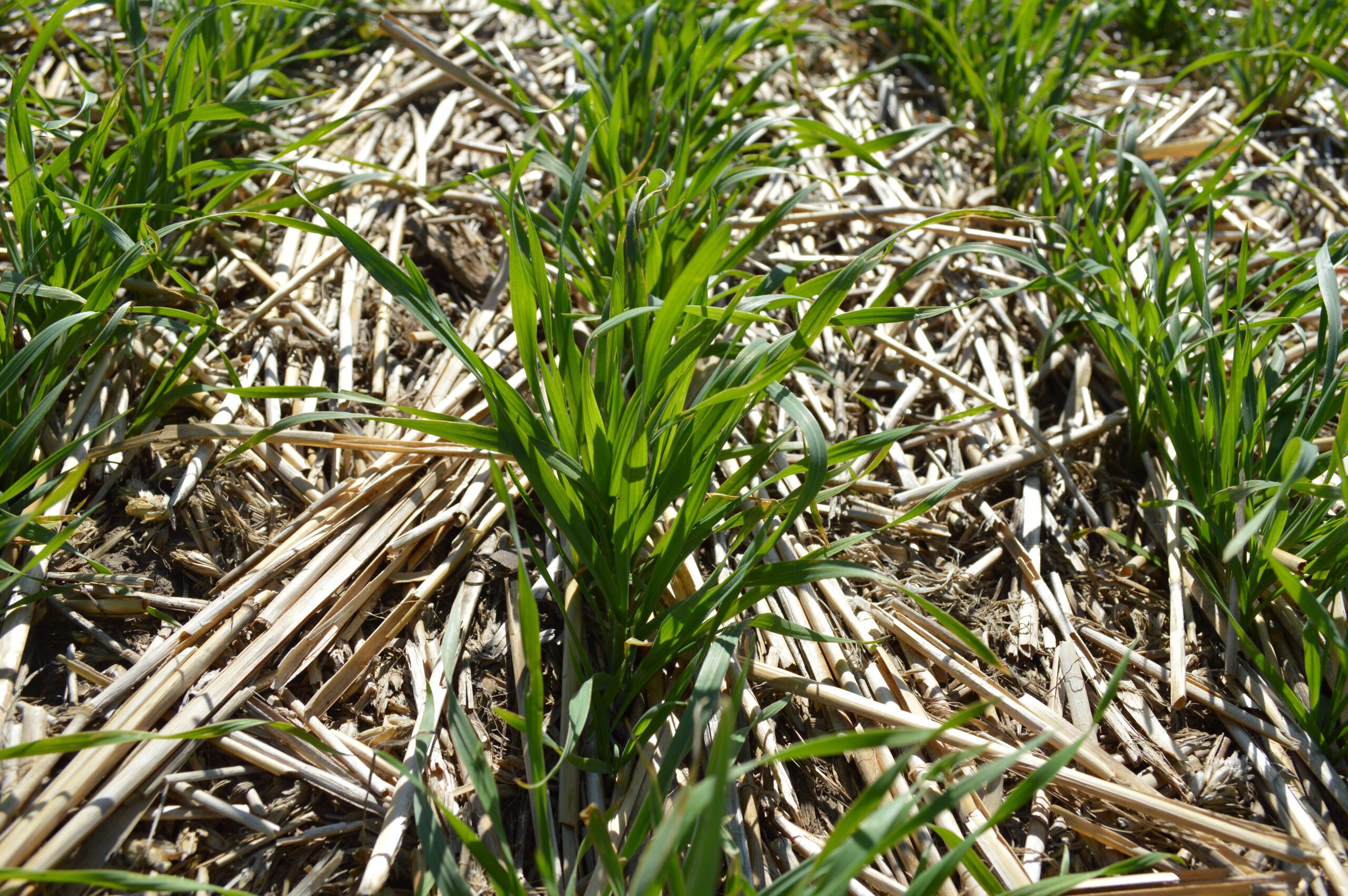
The title of the king of cover crops is often attributed to clover, particularly red clover (Trifolium pratense). This legume is renowned for its ability to enrich soil health, enhance biodiversity, and promote sustainable agricultural practices. Its remarkable attributes make it a standout choice among farmers and gardeners seeking to improve soil quality and manage pests naturally.
Benefits of Clover as a Cover Crop
Clover offers numerous benefits that contribute to its reputation as the king of cover crops:
- Nitrogen Fixation: Clover has a unique ability to fix atmospheric nitrogen, enriching the soil and reducing the need for synthetic fertilizers.
- Soil Structure Improvement: The extensive root system of clover promotes better soil structure, enhancing drainage and aeration.
- Pest Suppression: Clover can attract beneficial insects and deter pests, reducing the reliance on chemical pesticides.
Types of Clover Used in Cover Cropping
Different clover varieties serve distinct purposes in cover cropping systems:
- Red Clover: Often used for its ability to grow quickly and provide substantial biomass in a short period.
- White Clover: Commonly used in grasslands and pastures, it tolerates grazing and is ideal for soil restoration.
- Crimson Clover: Known for its bright red flowers, it provides excellent nitrogen fixation and is suitable for a variety of climates.
Best Practices for Planting Clover
To effectively incorporate clover as a cover crop, consider these best practices:
- Timing: Plant clover in the fall or spring depending on the variety and local climate to maximize growth.
- Seeding Rate: Follow recommended seeding rates to ensure adequate coverage and effectiveness.
- Soil Preparation: Prepare the soil by tilling or aerating to promote seed-to-soil contact for better germination.
Combining Clover with Other Cover Crops
Combining clover with other cover crops can enhance overall soil health and productivity:
See also:
- Mixing with Grasses: Pairing clover with grasses like rye or oats can boost biomass and improve soil structure.
- Diverse Planting: Using a mix of legumes and non-legumes helps create a more resilient cropping system.
- Improved Weed Control: Diverse cover crops can effectively suppress weed growth, reducing competition for nutrients.
Impact on Soil Health and Sustainability
Clover significantly contributes to soil health and sustainability by promoting:
- Increased Soil Fertility: The nitrogen fixed by clover helps to replenish soil nutrients, improving fertility over time.
- Enhanced Organic Matter: The biomass produced by clover adds organic matter, benefiting soil structure and microbial health.
- Reduced Erosion: Clover’s root system helps to stabilize the soil, reducing the risk of erosion and runoff.
What is the best cover crop to choke out weeds?
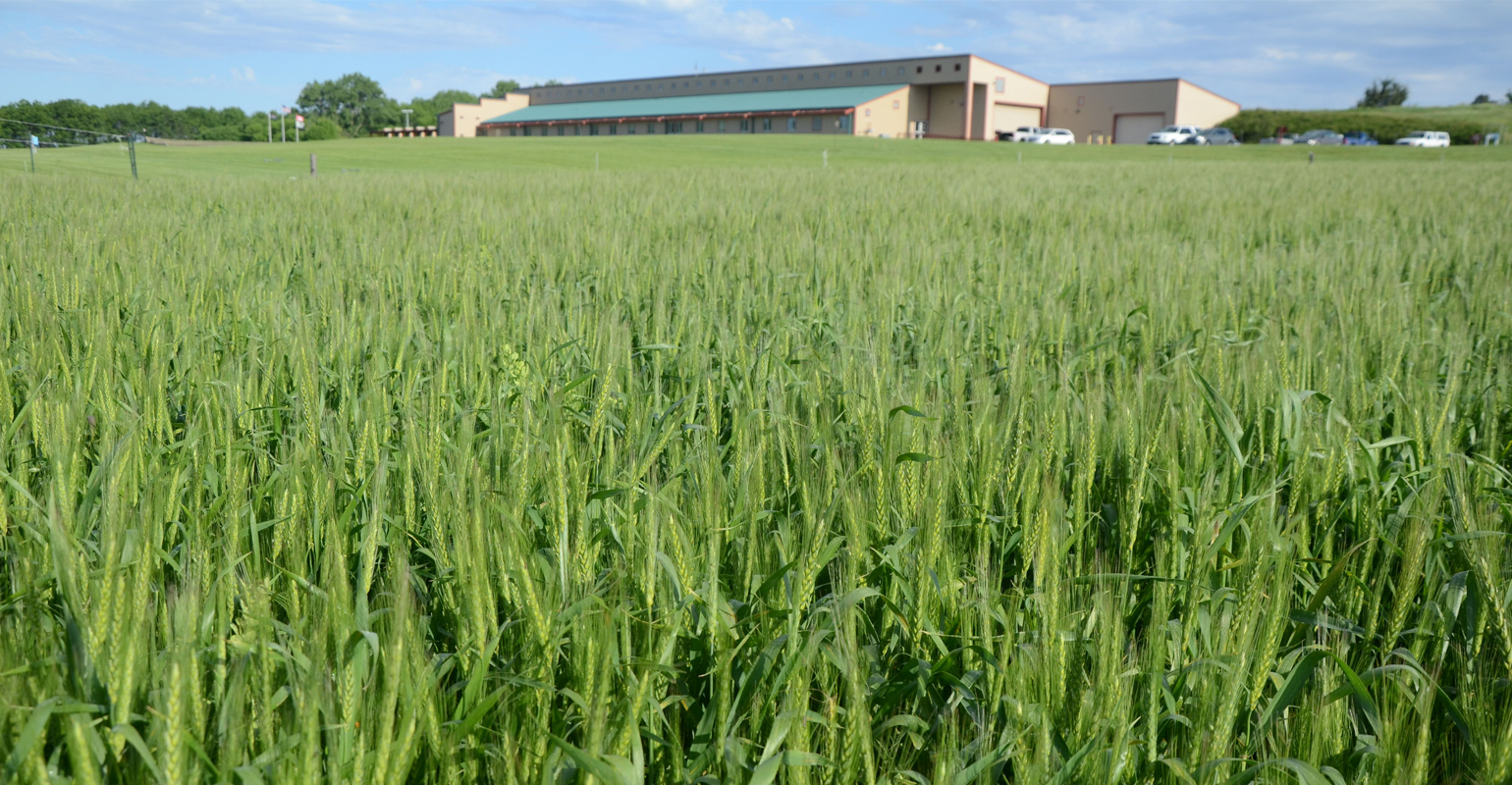
The best cover crop to choke out weeds is typically a vigorous, fast-growing species that can outcompete undesirable plants for resources such as sunlight, water, and nutrients. Among the various options available, sorghum-sudangrass, buckwheat, and crimson clover are particularly effective choices for suppressing weeds.
Why Use Cover Crops?
Cover crops provide numerous benefits beyond weed suppression. They enhance soil structure, improve fertility by fixing nitrogen, and boost organic matter content. Furthermore, they can reduce soil erosion and promote biodiversity in agricultural ecosystems. These advantages make cover crops an essential part of sustainable farming practices.
- Soil Improvement: Enhances soil structure and fertility.
- Weed Suppression: Competes for resources with weeds.
- Biodiversity: Promotes various beneficial microorganisms.
Sorghum-Sudangrass for Weed Control
Sorghum-sudangrass is an excellent cover crop for choking out weeds due to its rapid growth and dense foliage. This crop can grow up to 10 feet tall, providing substantial ground cover that shades the soil, making it difficult for weed seeds to germinate. It's particularly effective in warmer climates and can thrive in various soil types.
- Fast Growth: Germinates quickly and establishes rapidly.
- Deep Roots: Penetrates deeply into the soil, enhancing aeration.
- Drought Resistance: Tolerant of dry conditions once established.
Buckwheat as an Effective Cover Crop
Buckwheat is another potent cover crop that works effectively to suppress weeds. It grows quickly, forming a dense canopy that blocks sunlight from reaching weed seedlings. Its ability to thrive in poor soils and compete vigorously for resources makes it a favored option among organic farmers and gardeners alike.
- Fast Maturation: Ready for incorporation within 4-6 weeks.
- Attracts Pollinators: Beneficial for insect populations.
- Suppresses Weeds: Forms a thick cover that shades the ground.
Crimson Clover for Weed Suppression
Crimson clover is a leguminous cover crop that not only chokes out weeds but also enriches the soil by fixing nitrogen. Its dense growth habit and early establishment make it a valuable choice in crop rotations. Additionally, as a winter annual, it can provide cover and protection during cooler months.
- Nitrogen Fixation: Improves soil fertility.
- Dense Growth: Competes effectively with weeds.
- Winter Hardiness: Survives colder temperatures.
Adopting Cover Crop Practices
Incorporating cover crops into an agricultural system requires thoughtful planning. Farmers should consider factors such as the local climate, soil health, and crop rotation schedules to choose the most appropriate cover crop for weed suppression. The timing of planting and termination of cover crops also plays a crucial role in maximizing their effectiveness.
- Choose Appropriate Species: Select cover crops based on local conditions.
- Monitor Growth: Ensure optimal growth for maximum effectiveness.
- Plan Termination: Skillfully time the killing of cover crops to enhance soil health.
Questions from Our Readers
What is the highest yielding cover crop?
The highest yielding cover crop can vary depending on the region and the specific conditions of the soil. However, crimson clover and annual ryegrass are often noted for their high biomass production, providing excellent yields that can enhance soil health and fertility.
What factors influence the yield of cover crops?
The yield of cover crops is influenced by several factors such as climate, soil type, and management practices. Properly timing the planting and choosing the right species for specific conditions can significantly impact the overall biomass production.
See also:
How can cover crops improve soil health?
Cover crops contribute to soil health by reducing erosion, enhancing nutrient cycling, and improving soil structure. They also promote beneficial microbial activity, which can lead to better water retention and overall soil fertility.
Can high-yield cover crops affect subsequent main crops?
Yes, high-yield cover crops can positively affect subsequent main crops by improving nutrient availability and soil structure. However, it is important to manage them properly to avoid competition for resources, ensuring they complement the main crop's growth effectively.

If you want to read more articles like What is the Highest Yielding Cover Crop? Top Choices for Maximum Benefits, we recommend you check out our Soil category.
Leave a Reply
Related Articles