Understanding What is the Major Cause of Soil Loss? Insights and Solutions

Soil loss is a pressing environmental issue that impacts agriculture, ecosystems, and human livelihoods. Understanding the major causes of this problem is crucial for developing effective solutions. Factors such as deforestation, urbanization, and unsustainable farming practices contribute significantly to the degradation of soil quality and quantity. This article explores the primary drivers behind soil erosion and degradation, shedding light on the complex interplay between natural processes and human activities. By identifying these causes, we can better formulate strategies to mitigate soil loss and promote sustainable land management practices, ensuring the health of our planet for generations to come.
What is the Major Cause of Soil Loss?
Soil loss is primarily caused by erosion, which is the process of the removal of the top layer of soil by natural forces such as water and wind, as well as human activities. Factors contributing to erosion include deforestation, which strips the landscape of its protective vegetation, and agricultural practices that leave soil bare and exposed. Overgrazing by livestock, urban development, and poor land management further exacerbate the problem, leading to a decrease in soil fertility and increased vulnerability to environmental changes. The consequences of soil loss are significant, impacting food security and biodiversity.
Impact of Deforestation
Deforestation significantly contributes to soil loss by removing trees that anchor the soil with their roots. The removal of these plants not only reduces the vegetative cover necessary to protect the soil from rain and wind but also accelerates runoff, leading to increased erosion. Without trees, the soil structure becomes weakened, making it more susceptible to being washed or blown away, thus degrading the land quality and causing sedimentation in local water bodies.
Agricultural Practices and Soil Management
Intensive agricultural practices, including monoculture and excessive tillage, can lead to soil degradation. These methods often strip the land of its nutrients and organic matter, making it more prone to erosion. Lack of crop rotation and cover cropping exacerbates the issue, as the soil is left exposed to the elements without sufficient cover. Effective soil management techniques are essential to combat this, promoting practices that enhance soil structure and resilience against erosion.
Effects of Overgrazing
Overgrazing by livestock can severely damage soil quality and integrity. When animals graze too much in a specific area, they can remove ground cover, compress the soil, and disrupt the delicate balance of soil microbial life. This leads to reduced soil fertility and increases the risk of erosion as the soil becomes less able to retain moisture and nutrients. Sustainable grazing practices are crucial to mitigate these effects and protect the soil.
Urban Development and Soil Sealing
Urban development contributes to soil loss through soil sealing, whereby natural land is covered by impervious surfaces such as concrete and asphalt. This process eliminates the soil’s ability to absorb water and support vegetation, leading to increased runoff and erosion in surrounding areas. The construction and expansion of cities disrupt natural ecosystems, further reducing the land's capacity to retain soil and moisture, and consequently, resulting in the degradation of soil health.
The Role of Climate Change
Climate change exacerbates soil loss by altering precipitation patterns and increasing the frequency and intensity of extreme weather events. This can lead to more severe flooding, which erodes soil at a rapid pace, and increases the risk of droughts, which can diminish soil moisture and contribute to degradation. These changing conditions challenge the ability of soil to recover, making it essential to adopt adaptive land management strategies to enhance soil resilience in the face of climate variability.
| Cause | Impact |
|---|---|
| Deforestation | Increases erosion due to loss of vegetation |
| Agricultural Practices | Depletes nutrients and leaves soil bare |
| Overgrazing | Compresses soil, reduces fertility |
| Urban Development | Leads to soil sealing and increased runoff |
| Climate Change | Alters weather patterns, increases erosion and degradation |
What is the leading cause of soil loss?
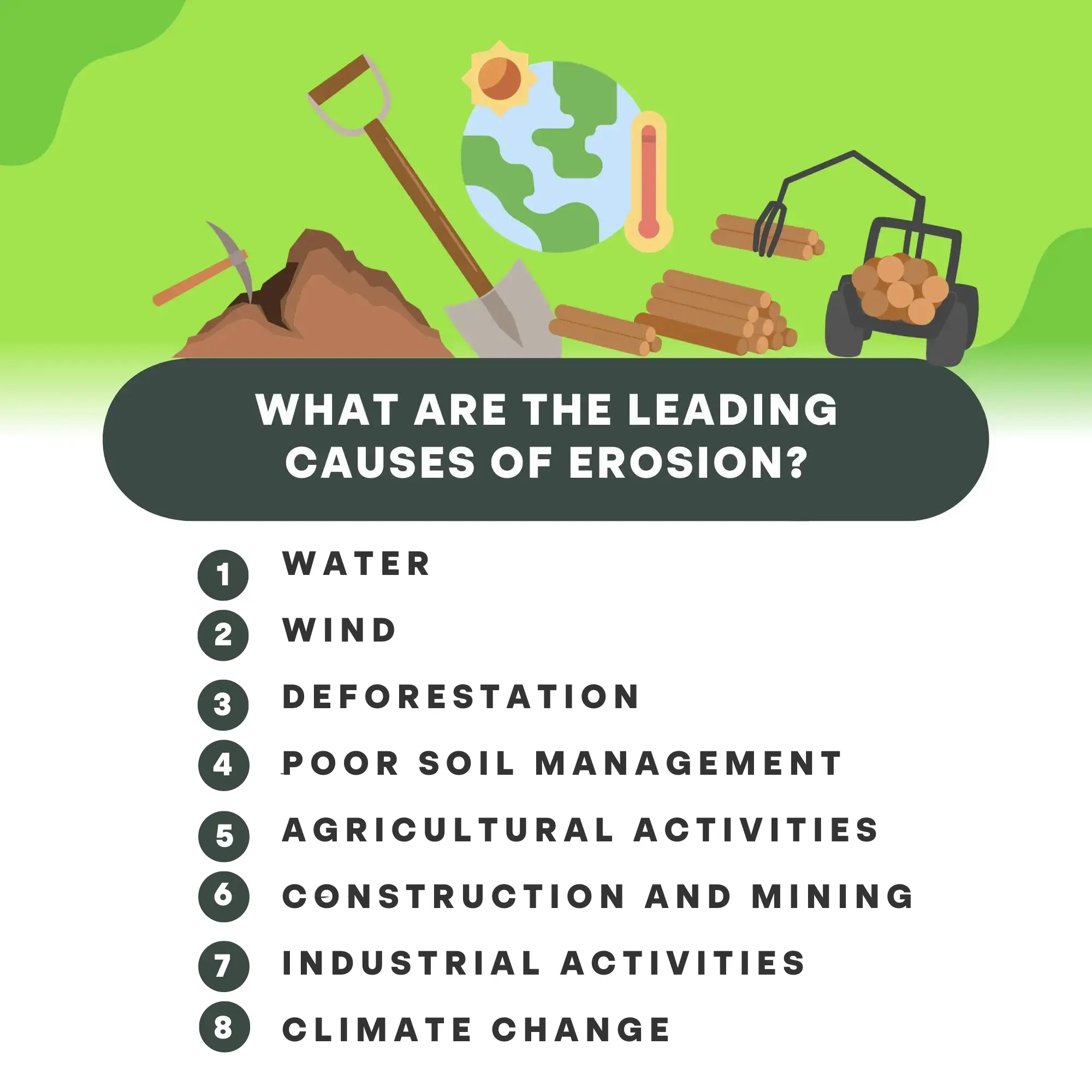
The leading cause of soil loss is erosion, which primarily occurs due to the impact of water and wind on the soil surface. Erosion can be accelerated by human activities such as deforestation, overgrazing, and agricultural practices. The removal of vegetation exposes soil to greater forces, leading to the displacement of topsoil, which is essential for plant growth and the overall health of the ecosystem.
Factors Contributing to Soil Erosion
Various factors contribute to soil erosion, including climatic conditions, topography, and soil type. Each of these elements can either exacerbate or mitigate the effects of erosion.
- Rainfall Intensity: Heavy rains can lead to increased runoff and soil displacement.
- Wind Speed: High winds can lift and carry away fine soil particles, especially in arid regions.
- Topography: Slopes and hillsides are more prone to erosion due to gravity pulling soil downwards.
Human Activities Increasing Soil Erosion
Human activities have significantly increased the rate of soil erosion through practices that disturb the soil structure. Such actions can lead to devastating effects on agricultural productivity and environmental health.
- Deforestation: Clearing trees reduces root systems that stabilize the soil.
- Overgrazing: Livestock trample vegetation, leading to compacted soil that is prone to erosion.
- Unsustainable Agriculture: Practices such as monoculture and excessive tilling disrupt soil health.
Impact of Soil Erosion on Agriculture
Soil erosion can have dire consequences on agriculture, affecting crop yields and soil fertility. Loss of topsoil can result in decreased agricultural productivity and increased investments in fertilizers and soil amendments.
- Decreased Soil Fertility: Erosion removes nutrient-rich topsoil crucial for plant growth.
- Increased Water Runoff: Less vegetation and disrupted soil structure lead to higher runoff and less water retention.
- Crop Failure: Ultimately, reduced fertility can result in lower crop yields and economic losses for farmers.
Consequences for the Environment
Beyond agriculture, soil erosion poses significant risks to the environment, affecting water quality and ecosystems. The loss of soil can lead to long-term environmental degradation.
See also:
- Water Pollution: Eroded soil can carry fertilizers and pesticides into water bodies, harming aquatic life.
- Loss of Biodiversity: Soil degradation affects the habitats of numerous organisms, leading to a decline in biodiversity.
- Desertification: In extreme cases, continuous erosion can transform fertile land into deserts, affecting large areas.
Mitigation Strategies for Soil Erosion
To combat soil erosion, various strategies can be implemented, focusing on sustainable practices that protect the soil while maintaining agricultural productivity.
- Cover Cropping: Planting cover crops protects the soil surface and enhances soil health.
- Contour Farming: Practicing farming along the contour of the land can slow water runoff.
- Reforestation: Planting trees and vegetation can stabilize soil and reduce erosion risk.
What is the most important soil loss factor due to?

The most important factor contributing to soil loss is erosion, primarily caused by water and wind. Erosion refers to the process where soil and rock are removed from the Earth's surface and transported to another location, leading to a decrease in soil quality and productivity. Various factors influence the rate and extent of erosion, including land management practices, vegetation cover, and the physical characteristics of the soil.
Causes of Erosion
Erosion can occur due to several natural and anthropogenic factors. The main causes include:
- Water erosion: This occurs when rainfall and surface runoff wash away soil particles.
- Wind erosion: In arid regions, strong winds can lift and carry away loose, dry soil.
- Human activities: Deforestation, agricultural practices, and urbanization can disturb the soil.
Impact of Vegetation Cover
Vegetation plays a crucial role in protecting soil from erosion. When plants are present, they provide:
- Root systems: They help bind the soil together, reducing the likelihood of displacement.
- Canopy cover: Leaves and branches intercept rainfall, decreasing the impact on the soil surface.
- Organic matter: Decaying plant materials enhance soil structure and fertility, making it less prone to erosion.
Soil Characteristics
The physical properties of soil can significantly affect its susceptibility to erosion. Key characteristics include:
- Soil texture: Sandy soils are more prone to wind erosion, while clay soils are more susceptible to water erosion.
- Soil structure: Well-aggregated soils are more resistant to erosion compared to poorly structured soils.
- Soil moisture: Dry soils can erode more easily, especially under windy conditions.
Land Management Practices
How land is managed can either exacerbate or mitigate erosion. Effective practices include:
- Conservation tillage: Reducing tillage minimizes the disturbance of soil layers, preserving structure and moisture.
- Cover cropping: Planting cover crops during off-seasons can protect soil and enhance its organic content.
- Contour farming: Farming along the contours of the land helps slow down water runoff and reduce erosion.
Climate Factors
Weather conditions are also a significant factor in soil erosion. The climate influences:
- Rainfall intensity: Heavy downpours can cause more erosion than light showers.
- Wind speed: High winds can increase soil loss, especially in dry regions.
- Temperature fluctuations: Freeze-thaw cycles can weaken soil structure, making it more vulnerable to erosion.
What is the main cause of soil damage?
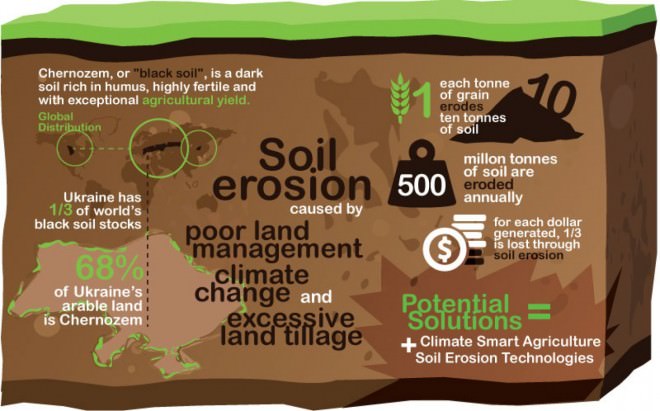
The main cause of soil damage is soil degradation, which is primarily the result of human activities and natural processes that diminish the soil's ability to function effectively. Factors such as erosion, contamination, and compaction play significant roles in this degradation, leading to a decline in soil health and productivity. Soil degradation can diminish agricultural yields, disrupt ecosystems, and negatively impact water quality and availability.
Soil Erosion
Soil erosion refers to the removal of the topsoil layer, which is rich in nutrients and essential for plant growth. Erosion can occur due to wind, water, and human activities such as deforestation and improper agricultural practices.
- Water Erosion: Heavy rainfall can lead to runoff that washes away the topsoil.
- Wind Erosion: In dry and bare soils, wind can displace soil particles, especially in arid regions.
- Human Activities: Practices like overgrazing and clearing land without proper conservation measures contribute significantly to erosion.
Soil Contamination
Soil contamination involves the presence of harmful substances that can reduce soil quality and affect plant and animal life. It can arise from industrial waste, agricultural chemicals, or improper disposal of hazardous materials.
- Chemical Pesticides and Fertilizers: Excessive use can lead to toxic accumulations in the soil.
- Heavy Metals: Industrial activities can introduce heavy metals such as lead and mercury into the soil.
- Waste Disposal: Illegal dumping of chemicals or untreated waste can severely contaminate soil.
Soil Compaction
Soil compaction occurs when soil particles are pressed together, reducing pore space and accessibility for air and water. This often happens due to heavy machinery, foot traffic, or livestock grazing.
See also:
- Heavy Machinery: Tractors and other equipment can significantly compact the soil during farming operations.
- Livestock Grazing: Animals walking over wet or soft soil can create hard, compressed areas.
- Urban Development: Construction activities lead to the compaction of soil in urban landscapes.
Loss of Organic Matter
The decline in organic matter in the soil can severely hinder its health and fertility. Organic matter is vital for nutrient retention and soil structure.
- Over-Cultivation: Continuous planting without crop rotation depletes organic matter.
- Drought: Lack of moisture leads to lower decomposition rates of organic materials.
- Deforestation: Removing vegetation reduces the input of organic matter and disrupts the soil ecosystem.
Climate Change Impacts
Climate change contributes to soil damage through altered weather patterns, increased occurrences of extreme weather, and shifts in vegetation dynamics.
- Increased Rainfall: More intense storms can lead to greater soil erosion and runoff.
- Temperature Changes: Higher temperatures can affect soil microbial communities and organic matter breakdown.
- Drought Conditions: Extended dry periods can stress soil health, leading to compaction and loss of fertility.
What is the most common cause leading to soil failure?
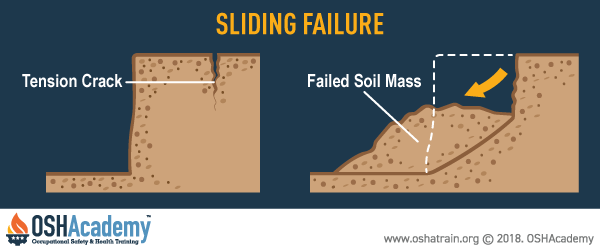
The most common cause leading to soil failure is overloading. This occurs when the weight exerted on the soil exceeds its bearing capacity, leading to a loss of strength and stability. When structures, such as buildings or roadways, are built on soil without adequate consideration of its load-bearing capabilities, the soil can become compacted, saturated, or ultimately fail, resulting in settlement or landslides.
Common Causes of Soil Overloading
The weight exerted on soil comes from various sources, and understanding these sources is crucial for preventing soil failure. Common causes include:
- Heavy machinery or construction equipment: The use of heavy machinery during construction can put excessive stress on the soil.
- Insufficient foundation design: A poorly designed foundation can lead to uneven distribution of loads, increasing the risk of failure.
- Added structures: Adding extensions or new buildings without evaluating the soil's capacity can cause overload.
Effect of Water on Soil Stability
Water content in the soil significantly influences its strength and stability. High water levels can lead to soil saturation, reducing its bearing capacity. This is particularly relevant in regions with frequent rainfall or poor drainage.
- Soil liquefaction: Under certain conditions, saturated soil can lose its strength and behave like a liquid.
- Increased pore pressure: Water can increase pore pressure, reducing the friction between soil particles.
- Erosion: Water can wash away soil, undermining foundations and leading to failure.
Soil Composition and Structure
The composition and structure of soil play a crucial role in its load-bearing capacity. Different soil types have varying capacities for bearing loads, which can lead to failures if not properly assessed.
- Clay soils: They have high plasticity but may become weak when saturated.
- Sandy soils: They drain well but have lower cohesion, making them more prone to shifting under load.
- Granular soils: Well-graded granular soils tend to offer better stability under load but can still fail under excessive weight.
Geological Factors Contributing to Soil Failure
Geological factors such as seismic activity, slope stability, and subsurface conditions highly impact soil performance. These factors can dramatically influence how soil behaves under load and its likelihood of failure.
- Seismic activity: Earthquakes can cause soil to liquefy or shift, leading to failures, especially in urban areas.
- Slope stability: The angle of the slope affects the gravitational forces acting on the soil.
- Subsurface conditions: The presence of rock layers or other materials can weaken the overlying soil's stability.
The Role of Climate in Soil Failure
The climate of an area can also affect the stability and strength of soil. Different weather patterns influence soil properties over time, affecting its durability.
- Extreme temperatures: Changes in temperature can lead to expansion and contraction, weakening soil structure.
- Heavy rainfall: Prolonged rain leads to saturation and potential liquefaction or erosion.
- Drought: Prolonged dry conditions shrink soil and can lead to cracks, weakening its overall structure.
Questions from Our Readers
What is the major cause of soil loss?
Soil loss is primarily caused by erosion, which can occur through natural processes like wind and water or due to human activities such as deforestation and agriculture. When soil is disturbed or vegetation is removed, it becomes more vulnerable to being washed or blown away, leading to significant loss of soil quality and fertility.
How does agriculture contribute to soil loss?
Agriculture contributes to soil loss through practices that disturb the soil structure and deplete nutrients. Techniques like overgrazing and excessive tilling can remove protective plant cover, making the soil more susceptible to erosion and degradation over time.
What role does deforestation play in soil erosion?
Deforestation plays a crucial role in soil erosion by eliminating tree cover, which protects soil from high-impact rainfall and wind. Without trees to anchor the soil, it becomes highly vulnerable to erosive forces, leading to increased run-off and loss of topsoil that is essential for agricultural productivity.
Can soil conservation practices help in reducing soil loss?
Yes, soil conservation practices such as crop rotation, cover cropping, and no-till farming can significantly help in reducing soil loss. These methods improve soil structure, increase organic matter, and enhance water retention, thus protecting the soil from erosion and maintaining its fertility.
See also:
If you want to read more articles like Understanding What is the Major Cause of Soil Loss? Insights and Solutions, we recommend you check out our Soil category.
Leave a Reply
Related Articles