Do Coffee Grounds Help Acidify Soil? Exploring the Benefits for Your Garden
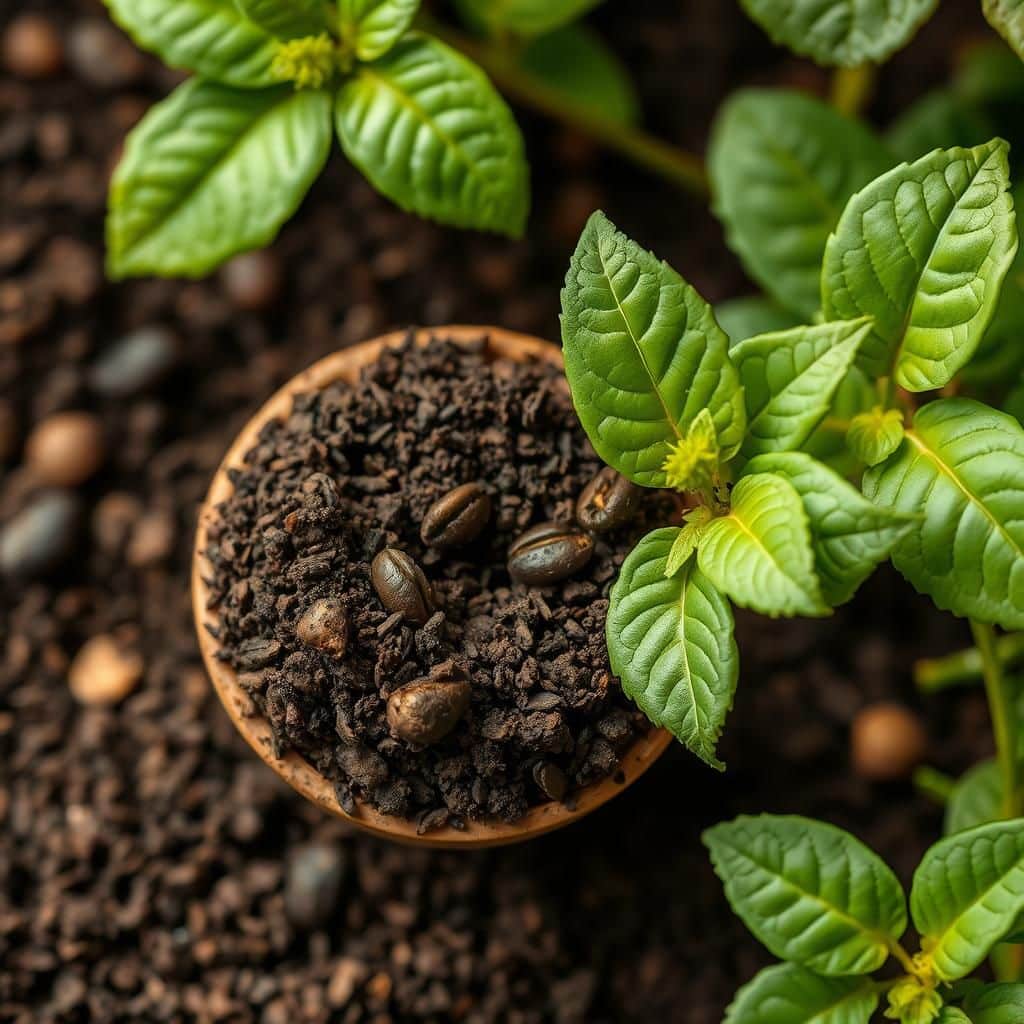
Coffee grounds are often regarded as a gardening goldmine, packed with organic matter and essential nutrients. One of the key benefits of adding coffee grounds to your garden is their potential to acidify the soil, a crucial factor for supporting acid-loving plants. This article explores the science behind coffee grounds and soil acidity, delving into how these leftover scraps from your morning routine can enhance soil quality, improve drainage, and promote healthy plant growth. Join us as we uncover the practical ways to incorporate coffee grounds into your gardening practices and maximize the benefits for your garden's ecosystem.
Do Coffee Grounds Help Acidify Soil?
Coffee grounds can indeed help to acidify the soil, but the extent of their impact depends on various factors such as the existing pH level of the soil and the amount of coffee grounds used. When coffee grounds decompose, they can produce organic acids that contribute to soil acidity. However, it's important to note that while fresh coffee grounds are slightly acidic (with a pH around 6.0), once they are mixed into the soil and break down, their contribution to the overall pH balance may not be as significant as initially anticipated. They also provide nutrients like nitrogen, which are beneficial for plant growth in addition to their potential effect on acidity.
Understanding Soil pH
Soil pH is a crucial factor in determining the availability of nutrients to plants. It is measured on a scale from 0 to 14, where values below 7 indicate acidic conditions, 7 is neutral, and above 7 are alkaline. The ideal pH for most plants lies between 6.0 and 7.5, making it vital to monitor soil pH for optimal growth. Adjusting the pH using coffee grounds may help to create favorable conditions for plants that thrive in slightly acidic environments.
Nutritional Benefits of Coffee Grounds
Besides their potential to lower soil pH, coffee grounds are rich in essential nutrients like nitrogen, phosphorus, and potassium. These nutrients can enhance soil health and support plant growth. When added to compost or directly to the soil, coffee grounds can improve microbial activity and help maintain a healthy ecosystem in the garden, offering benefits beyond just acidity.
How to Use Coffee Grounds for Gardening
To utilize coffee grounds effectively, gardeners can sprinkle them directly onto the soil or mix them into the compost pile. It is advisable to use them in moderation—around 10-20% of the compost's volume to avoid overwhelming the mix with too much acidity. Mixing coffee grounds with other organic materials can help to create a balanced compost that improves soil structure and fertility.
Other Methods to Acidify Soil
While coffee grounds can contribute to soil acidity, there are other methods to effectively acidify soil. Using materials such as sulfur, pine needles, and peat moss are more traditional approaches that can yield quicker results. These materials lower the soil pH more significantly compared to coffee grounds alone and can be used in combination for better results over time.
Practical Considerations for Using Coffee Grounds
It's essential to consider the source and quality of the coffee grounds before using them in the garden. Used coffee grounds from home or cafes may contain varying levels of contaminants or additives. It's best to avoid grounds that have been treated with flavored or sugary additives, as these can attract pests or alter soil chemistry negatively. Additionally, thorough rinsing can help reduce acidity and ensure safety for plants sensitive to such conditions.
| Aspect | Description |
|---|---|
| Soil pH | Measured on a scale to determine acidity or alkalinity. |
| Nutrients | Coffee grounds contain nitrogen, phosphorus, and potassium. |
| Application | Mix coffee grounds into the soil or compost for benefits. |
| Alternative Methods | Use sulfur or pine needles for faster soil acidification. |
| Quality Control | Avoid flavored or sugary coffee grounds in gardening. |
How to acidify soil with coffee grounds?

To acidify soil using coffee grounds, it is important to understand the properties of coffee grounds and their effects on soil pH. Coffee grounds are slightly acidic, with a pH of around 6.0 to 6.8, depending on the variety and brewing method. When added to the soil, they can help to lower the pH, making it more suitable for acid-loving plants such as azaleas, rhododendrons, and blueberries.
Understanding Coffee Grounds' Properties
Coffee grounds contain organic material, nitrogen, and other micronutrients, making them beneficial for soil health. They not only help in acidifying the soil but also improve soil structure and drainage:
See also:
- Organic Material: As they decompose, they enhance soil structure, increasing its capacity to retain moisture.
- Nutrient-Rich: Coffee grounds have high levels of nitrogen, which supports the growth of beneficial microorganisms essential for healthy soil.
- Microbial Activity: Introducing coffee grounds can foster a hospitable environment for earthworms and other soil-dwelling organisms.
How to Use Coffee Grounds in Soil
Using coffee grounds effectively involves incorporating them into your soil rather than just scattering them on the surface. Here’s how to do it properly:
- Collect: Gather used coffee grounds from your coffee maker or local coffee shops.
- Dry: Allow the grounds to dry out to prevent mold formation before application.
- Mix: Incorporate the dried grounds into the top 6-12 inches of soil using a shovel or garden fork.
Recommended Application Rates
To achieve the desired acidification effect, timing and quantity are crucial. Here’s a guideline for best practices:
- Amount: Typically, between 1 to 2 pounds of coffee grounds per square yard of soil is recommended.
- Frequency: Apply coffee grounds every few months to maintain soil acidity throughout the growing season.
- Follow-Up: Monitor soil pH regularly, adjusting application as needed based on test results.
Other Benefits of Coffee Grounds
Adding coffee grounds to your soil offers multiple benefits beyond acidification, contributing to overall soil health:
- Pest Repellent: Coffee grounds can act as a natural repellent for pests like slugs and snails.
- Improved Water Retention: Their addition helps in better moisture retention within the soil, reducing the need for constant irrigation.
- Enhanced Fertility: Over time, the decomposition of coffee grounds enriches the soil with nutrients, promoting robust plant growth.
Precautions When Using Coffee Grounds
While coffee grounds can greatly enhance your soil, certain precautions should be taken to avoid any negative effects:
- Moderation: Excessive use can lead to a nutrient imbalance or overly acidic soil.
- Mixed Use: Combine coffee grounds with other organic materials like compost or leaf mulch for a balanced approach.
- For Planting: Be cautious when planting seeds, as fresh coffee grounds may inhibit germination if used in high amounts.
Which plants cannot use coffee grounds?

Coffee grounds are often considered a beneficial fertilizer for many plants due to their nitrogen content and ability to improve soil structure. However, there are specific plants that do not benefit from coffee grounds and can even be harmed by their usage. Here are some of those plants along with relevant information on why they should be avoided.
1. Acid-Loving Plants
Certain plants thrive in acidic soil conditions and may not fare well with the slightly alkaline nature of coffee grounds after they decompose.
- Blueberries: These plants require highly acidic soil, and coffee grounds can disrupt that balance.
- Azaleas: Similar to blueberries, azaleas prefer a low pH environment, which might be disturbed by coffee ground application.
- Rhododendrons: These plants are also sensitive to pH changes that coffee grounds might introduce to the soil.
2. Plants Sensitive to Caffeine
Caffeine can be detrimental to some plant species; while coffee grounds contain only small amounts of caffeine, it can still affect sensitive plants.
- Fern Species: Many ferns are sensitive to caffeine and may exhibit stunted growth when exposed to it.
- Begonias: This plant variety has shown negative reactions to caffeine, leading to wilting or poor health.
- Grapes: Caffeine can hinder the growth and fruiting of grapevines, making them less viable if coffee grounds are applied.
3. Heavy Feeders
Heavy feeders require more balanced and rich sources of nutrients that coffee grounds alone may not provide, which can lead to nutrient deficiencies.
- Tomatoes: These plants require a rich, balanced fertilizer for optimal growth, and coffee grounds may not meet those needs.
- Squash: Similarly, squash plants need a nutrient-rich diet that coffee grounds cannot alone provide.
- Corn: As a heavy feeder, corn benefits more from complete fertilizers rather than just coffee grounds.
4. Plants Prone to Fungal Issues
Coffee grounds can retain moisture and may contribute to fungal growth, which could be detrimental to certain plants.
See also:
- Potatoes: Excess moisture from coffee grounds can lead to diseases such as blight.
- Onions: Similar issues can arise with onions, where fungal infections are more likely with additional moisture.
- Carrots: These root vegetables are susceptible to rot when excess moisture is present in the soil.
5. Seedlings and Young Plants
Seedlings are often vulnerable to any changes in soil composition, making them sensitive to the application of coffee grounds.
- Herb Seedlings: Delicate herb seedlings may find the increased acidity from coffee grounds challenging.
- Vegetable Seedlings: Many vegetable seedlings could experience erratic growth or other issues with coffee ground application.
- Flower Seedlings: Young flowers are just as sensitive and might not establish properly if coffee grounds are applied too soon.
Does coffee raise acidity in soil?
:max_bytes(150000):strip_icc()/Methods-for-Increasing-Soil-Acidity-11d2b05df5b6403fa2e983ec61faf672.png)
Coffee can indeed raise acidity in soil. The primary reason for this is the presence of various organic compounds and nutrients found in coffee grounds. When coffee is brewed, the leftover grounds retain several essential components that contribute to soil health and acidity.
Coffee Grounds Composition
Coffee grounds contain a variety of nutrients and organic acids that can influence soil acidity. Some of the key components include:
- Nitrogen: Coffee grounds are rich in nitrogen, which can enhance plant growth and microbial activity in soil.
- Organic Acids: They release acids such as citric and acetic acid, which can lower pH levels in the soil.
- Minerals: Coffee grounds also contain potassium, magnesium, and calcium that contribute to soil amendment while potentially affecting acidity.
Impact on Soil pH
The addition of coffee grounds can significantly impact the pH level of soil:
- When mixed into the soil, coffee grounds can gradually lower the pH, leading to a more acidic environment.
- The change in pH can influence nutrient availability, particularly for plants that thrive in acidic conditions.
- Monitoring soil pH after application is essential to ensure it remains within the optimal range for desired plants.
Benefits for Acid-Loving Plants
Several plants, particularly those that thrive in acidic soils, can benefit from the use of coffee grounds:
- Blueberries: These thrive in acidic conditions, and coffee grounds can provide a rich source of nitrogen.
- Azaleas: They prefer a lower pH and benefit from the nutrient-rich properties of coffee.
- Rhododendrons: Like azaleas, they perform well in acidic soils enhanced with coffee grounds.
Usage Recommendations
To effectively use coffee grounds for raising soil acidity, consider the following recommendations:
- Mixing: Incorporate coffee grounds into the top layer of soil to enhance their benefits.
- Composting: Combine with other organic materials in compost to create a balanced mixture that can lower soil pH.
- Moderation: Use coffee grounds in moderation to prevent excessive acidity, which can be detrimental to some plants.
Considerations and Best Practices
While coffee grounds can benefit soil acidity, there are important considerations and best practices:
- Soil Testing: Regular soil testing helps ensure that pH levels remain appropriate for the plants being grown.
- Watering: Maintain proper irrigation, as overly saturated soil can exacerbate the acidity effects.
- Multi-Source Amendment: Combine with other soil amendments for a balanced approach to soil health.
Questions from Our Readers
Do coffee grounds help acidify soil?
Yes, coffee grounds can help acidify soil. They contain tannins and other organic compounds that can lower the pH level of the soil, making it more acidic. However, the effect is often mild and may require large amounts of coffee grounds to see a significant change.
How should coffee grounds be used in the garden?
Coffee grounds should be composted or mixed into the soil rather than used in large quantities on their own. This helps to prevent mold growth and allows the nutrients and properties of the grounds to be more effectively utilized by plants.
See also:
What types of plants benefit from coffee grounds?
Plants that thrive in acidic soils, such as blueberries, azaleas, and rhododendrons, can benefit from the application of coffee grounds. The added acidity from the grounds can help promote healthier growth in these types of plants.
Are there any downsides to using coffee grounds in the garden?
One potential downside is that using too many coffee grounds can lead to an excess of nitrogen, which might affect plant health negatively. Additionally, if not composted properly, coffee grounds can attract pests or develop mold, which is not ideal for a healthy garden environment.

If you want to read more articles like Do Coffee Grounds Help Acidify Soil? Exploring the Benefits for Your Garden, we recommend you check out our Soil category.
Leave a Reply
Related Articles