What Does Putting Cinnamon on Top of Soil Do? Discover Its Benefits for Your Garden
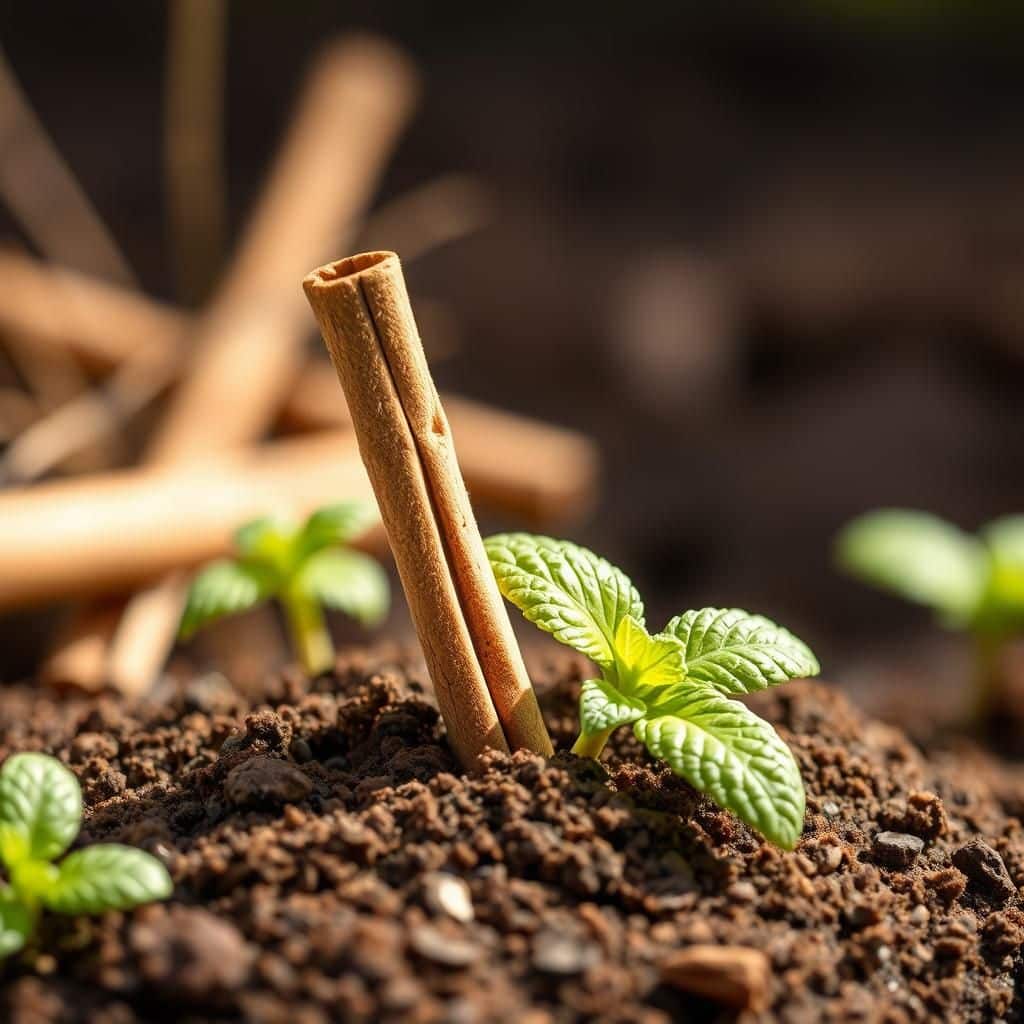
Cinnamon is often celebrated for its culinary uses and health benefits, but its potential in gardening is equally impressive. Sprinkling cinnamon on top of soil may seem like a simple act, yet it offers a variety of advantages for plant health and growth. From acting as a natural fungicide to promoting root development, cinnamon can enhance your garden's ecosystem. In this article, we will explore the multiple benefits of using cinnamon in your gardening practices, providing insights into how this common spice can transform your soil and support thriving plants. Discover the science and tradition behind this unique gardening technique.
Benefits of Sprinkling Cinnamon on Soil
Sprinkling cinnamon on top of soil can offer various benefits for plants and their growth environment. This common spice contains natural fungicides and antimicrobial properties that help prevent the growth of harmful mold and pathogens in the soil. It can also act as a natural pesticide, repelling certain insects that might harm the plants. Additionally, cinnamon is believed to stimulate root growth due to its presence of compounds that facilitate plant development. By incorporating cinnamon into your gardening routine, you can enhance the overall health of your plants and improve their resistance to disease.
Natural Fungicide Properties
Cinnamon contains cinnamaldehyde, a compound known for its potent antifungal properties. When sprinkled on the soil, it can effectively inhibit the growth of harmful fungi that lead to root rot and other soil-borne diseases. This natural approach provides a safer alternative to synthetic fungicides, protecting both plants and the surrounding ecosystem.
Antimicrobial Benefits
In addition to its antifungal characteristics, cinnamon also exhibits strong antimicrobial properties that can help combat harmful bacteria in the soil. These microbes, when unchecked, can undermine plant health and lead to diseases. By using cinnamon on top of the soil, gardeners can create a cleaner environment that promotes healthy plant growth.
Pest Repellent Qualities
Certain insects, such as fungus gnats and other pests, are deterred by the scent of cinnamon. When applied to the soil, the aroma acts as a natural repellent, helping to keep these unwanted guests at bay. This can reduce the need for chemical pesticides, making it a more eco-friendly option for gardeners looking to protect their plants.
Root Growth Stimulation
Cinnamon may enhance root development thanks to its phytochemical compounds that encourage new root growth. This is particularly beneficial for seedlings and houseplants, as a robust root system is critical for nutrient absorption and overall plant vitality. By applying cinnamon, gardeners can promote healthier and more resilient plants.
How to Apply Cinnamon Correctly
To effectively utilize cinnamon in your gardening, gently sprinkle a thin layer over the top of the soil, ensuring even coverage without creating a thick mat. It's essential to avoid overapplication, which can hinder soil oxygen exchange. Regular application, perhaps every few weeks or during plant repotting, can maximize its benefits while maintaining a balance for healthy soil conditions.
| Benefit | Description |
|---|---|
| Fungicide | Inhibits the growth of harmful fungi. |
| Antimicrobial | Combat harmful bacteria in the soil. |
| Pest Repellent | Deters insects from attacking plants. |
| Root Growth | Stimulates the development of roots. |
| Application | Gently sprinkle a thin layer on the soil. |
Can you sprinkle cinnamon on top of soil?

Cinnamon is often recognized not just for its culinary uses but also for its potential benefits in gardening. Sprinkling cinnamon on top of soil can serve various purposes, primarily as a natural deterrent to pests and a means to promote healthy plant growth.
Benefits of Sprinkling Cinnamon on Soil
Sprinkling cinnamon on soil can provide several benefits for plants. It has antimicrobial properties that can help prevent pathogen growth, enhance root development, and serve as a deterrent for pests. The benefits include:
See also:
- Fungal Inhibition: Cinnamon contains compounds that can inhibit the growth of certain fungi.
- Pest Repellent: The strong aroma of cinnamon can deter pests such as ants and some insects.
- Root Stimulator: Some gardeners use cinnamon as a rooting hormone to promote root growth in cuttings.
Application Guidelines for Cinnamon on Soil
To effectively use cinnamon in your gardening routine, specific application guidelines should be followed. Proper application ensures maximum benefits:
- Amount: Use a light dusting of cinnamon – about a teaspoon for small plants and slightly more for larger areas.
- Location: Sprinkle directly onto the surface of the soil, avoiding contact with the plant stems.
- Frequency: Apply every few weeks or after heavy rain to maintain effectiveness.
Potential Drawbacks of Using Cinnamon
While there are many benefits, there are also potential drawbacks to using cinnamon in garden soil. Awareness of these helps in making an informed decision:
- Soil Disruption: Overuse of cinnamon can alter soil acidity, potentially harming the plants.
- Limited Effectiveness: Cinnamon may not fully eliminate severe pest infestations or fungal diseases.
- Potential Allergies: In some cases, handling cinnamon can lead to allergic reactions in sensitive individuals.
Alternatives to Cinnamon for Soil Treatment
If cinnamon does not suit your gardening needs, several alternatives can also be effective. Exploring different options can enhance garden health:
- Neem Oil: A natural pesticide that controls various pests and fungal issues.
- Garlic Powder: Like cinnamon, garlic powder serves as a natural pest deterrent.
- Outdoor Plants: Marigolds and other companion plants can help repel insects naturally.
Best Practices for Soil Health
Incorporating cinnamon into your gardening practices should be part of a broader regime focused on soil health. Consider adopting the following best practices:
- Regular Testing: Test soil pH and nutrient levels regularly to understand its condition.
- Organic Mulching: Use organic materials to improve soil structure and retain moisture.
- Crop Rotation: Rotate crops each season to prevent the buildup of pests and diseases.
Is it okay to put cinnamon on soil?
Cinnamon can indeed be beneficial for soil and plants when used appropriately. It has natural antifungal and antimicrobial properties that can help prevent certain diseases. Additionally, cinnamon can also be used as a root stimulant and a deterrent for pests. However, it is important to use it in moderation, as excessive amounts may adversely affect the plants.
Benefits of Using Cinnamon in Soil
Using cinnamon in soil can offer several advantages for plant health. The key benefits include:
- Natural Fungicide: Cinnamon can help prevent fungal infections in seedlings and plants.
- Pest Deterrent: It is often used to repel certain pests, such as ants and other insects.
- Root Growth Stimulant: Cinnamon can encourage root growth in young plants, aiding in their establishment.
How to Apply Cinnamon to Soil
Applying cinnamon to soil is quite simple and straightforward. Here are methods to consider:
- Sprinkling on Soil Surface: Lightly sprinkle cinnamon powder on the surface of the soil, especially around seedlings.
- Mixing with Potting Soil: Blend cinnamon into potting soil before planting to enhance its protective properties.
- Watering Mixture: Dissolve cinnamon in water and use it to water plants, introducing its benefits directly to the soil.
Potential Risks of Using Cinnamon on Soil
While there are benefits, cinnamon does come with potential risks. Consider the following:
- Excessive Application: Overusing cinnamon can lead to an accumulation of compounds that may hinder plant growth.
- Soil Imbalance: Too much cinnamon can affect the natural microbial balance in the soil.
- Allergic Reactions: Some people may have allergic reactions when handling cinnamon, so caution is advised.
Choosing the Right Type of Cinnamon
Selecting the appropriate type of cinnamon is crucial for its effectiveness. Here are some points to consider:
See also:
- Ceylon Cinnamon: Known as true cinnamon, Ceylon is generally considered safer and more beneficial for plants.
- Saigon Cinnamon: This type has a stronger aroma and flavor but should be used sparingly.
- Store-Bought vs. Organic: Opt for organic varieties to avoid any chemical residues that could harm plants.
Alternative Uses of Cinnamon in Gardening
Besides soil application, cinnamon can serve various functions in gardening. Consider these alternative uses:
- Cinnamon in Seed Germination: It can be used to coat seeds before planting to protect against rot.
- Companion Planting: Combine cinnamon with specific plants to enhance growth and repel pests.
- Insect Repellent: Create a mixture with water and cinnamon to spray on plants for pest control.
What happens when you sprinkle cinnamon in your yard?
When you sprinkle cinnamon in your yard, various reactions may occur, benefiting both the soil and the plants that reside there. Cinnamon is a popular spice that possesses several properties, including antimicrobial effects, which can enhance garden health. Here are some aspects of what happens when you introduce cinnamon to your outdoor space.
Natural Pest Deterrent
Sprinkling cinnamon in your yard can act as a natural pest deterrent. The strong scent of cinnamon is known to repel certain insects, especially ants and maggots. This can help protect your plants from potential infestations.
- Ants often avoid cinnamon due to its powerful aroma.
- Cinnamon can disrupt the life cycle of pest larvae, preventing their development.
- Using cinnamon is an eco-friendly alternative to chemical pesticides.
Promotes Soil Health
Cinnamon contains compounds that can enhance soil health. When you sprinkle it in your yard, it can help improve microbial balance in the soil.
- The antimicrobial properties of cinnamon can inhibit the growth of harmful bacteria and fungi.
- It helps create a more balanced ecosystem by promoting beneficial microorganisms.
- Healthy soil leads to stronger plants that are more resilient to diseases.
Encourages Seed Germination
Cinnamon can facilitate seed germination in your yard. If you're planting seeds, incorporating cinnamon can have positive effects.
- The spice can prevent damping-off disease, which is a common threat to seedlings.
- Cinnamon can help create a hospitable environment for seeds to sprout.
- Its use can lead to a higher germination rate in various types of seeds.
Fungicide Properties
Another significant benefit of sprinkling cinnamon in your yard is its fungicidal properties. Its ability to combat mold and mildew can be advantageous for ornamental plants and vegetables alike.
- Cinnamon can effectively manage fungal infections in plants.
- It can control the growth of common mold types that may affect soil health.
- Using cinnamon can reduce the likelihood of environmental conditions favoring fungal outbreaks.
Improved Aroma and Aesthetics
The application of cinnamon can also improve the aesthetic experience of your yard. Its pleasant aroma can contribute to a more enjoyable outdoor environment.
- The scent of cinnamon can mask unpleasant odors that may originate from compost or trash areas.
- A fragrant yard can enhance the gardening experience for you and your visitors.
- Using cinnamon can add a unique visual element if sprinkled decoratively around plants.
Questions from Our Readers
What benefits does cinnamon provide when added to soil?
Cinnamon acts as a natural fungicide, helping to combat soil-borne diseases and promote healthier plant growth. It can suppress the growth of harmful fungi and pathogens, which is particularly beneficial for plants that are prone to rot or fungal infections.
Does cinnamon help to deter pests in the soil?
Yes, cinnamon can act as a pest repellent. Its strong aroma may help to keep pests such as fungus gnats and other insects at bay, creating a more favorable environment for your plants.
See also:
How should cinnamon be applied to the soil?
Cinnamon can be gently sprinkled on the surface of the soil, or it can be mixed into the soil before planting. To maximize its effects, it's best to apply it directly to the root zone of the plants where it can most effectively provide its benefits.
Are there any risks associated with using cinnamon in the garden?
While cinnamon is generally safe for plants, excessive application can lead to nutrient imbalances or affect soil moisture retention. It's important to use it in moderation to avoid any potential negative effects on plant health.

If you want to read more articles like What Does Putting Cinnamon on Top of Soil Do? Discover Its Benefits for Your Garden, we recommend you check out our Soil category.
Leave a Reply
Related Articles