What is the best soil for a vegetable garden in Canada? Top Tips and Recommendations

When it comes to establishing a thriving vegetable garden in Canada, selecting the right soil is crucial for ensuring healthy plant growth and bountiful yields. Canadian climates can vary significantly, meaning the best soil type may differ based on your region. Understanding the composition, texture, and nutrient content of your soil will not only influence your plants' health but also impact moisture retention and drainage. In this article, we will explore the best soil types for various Canadian regions, along with essential tips and recommendations for achieving optimal conditions for your vegetable garden.
Best Soil Types for a Vegetable Garden in Canada
The best soil for a vegetable garden in Canada typically comprises a well-balanced mix of loam, which facilitates excellent drainage and retains moisture, in combination with organic matter like compost or well-rotted manure. This blend provides the necessary nutrients that vegetables need to thrive, while also enhancing soil structure to improve air and water penetration. Furthermore, testing the soil pH is crucial, as most vegetables prefer a slightly acidic to neutral pH ranging from 6.0 to 7.0. Amending the soil with peat moss and perlite can also enrich the texture and nutrient content, making the garden more productive.
Understanding Loamy Soil
Loamy soil is considered the ideal growing medium for a vegetable garden in Canada because it combines sand, silt, and clay in equal proportions, which promotes balance in drainage and moisture retention. Its rich nutrient content supports robust plant growth, and its structure allows roots to penetrate easily while preventing erosion. In Canadian climates, where temperature can fluctuate, having a well-draining loamy soil can help the plants adapt to changing conditions, improving their overall health.
Importance of Organic Matter
Incorporating organic matter into garden soil is essential, as it not only enriches the nutrients available to plants but also enhances soil structure and microbial activity. Compost, aged manure, and green fertilizers add vital elements such as nitrogen, phosphorus, and potassium, which are critical for growth. Organic matter also improves soil moisture retention, which is particularly important in the variable Canadian climate to ensure that vegetables receive consistent hydration throughout the growing season.
Soil pH Levels
Maintaining an optimal soil pH is crucial for successful vegetable gardening in Canada. Most vegetables flourish at a pH ranging from 6.0 to 7.0, as this range optimizes nutrient availability and microbial activity in the soil. Testing the soil's pH can be done with simple kits that provide immediate results, enabling gardeners to make necessary adjustments. If the soil is too acidic, adding lime can help, while sulfur can lower the pH if it’s too alkaline.
Enhancing Soil Texture with Additives
To further improve soil texture, particularly in areas with heavy clay or sandy soils, gardeners can use additives like peat moss, vermiculite, or perlite. These materials assist in creating better air pockets, enhance water retention, and encourage root spread. Improving soil texture is crucial in Canada, where the soil composition can vary significantly from region to region, impacting plant health and productivity.
Best Practices for Soil Management
Employing good soil management practices is vital for maintaining healthy soil over time. Techniques such as crop rotation, mulching, and minimizing soil compaction can greatly enhance soil health. Additionally, regularly incorporating organic matter replenishes nutrient levels and encourages beneficial microorganisms. In Canada, where climate conditions can impose stress on soil biology, following these best practices can help ensure that your vegetable garden remains productive and sustainable through the seasons.
| Soil Component | Benefits |
|---|---|
| Loam | Excellent moisture retention and drainage |
| Organic Matter | Provides essential nutrients and improves soil structure |
| pH Management | Optimizes nutrient availability for plant growth |
| Additives | Enhances soil texture for better root development |
| Soil Management Practices | Maintains soil health and productivity over time |
What is the best soil mix for vegetable gardens?
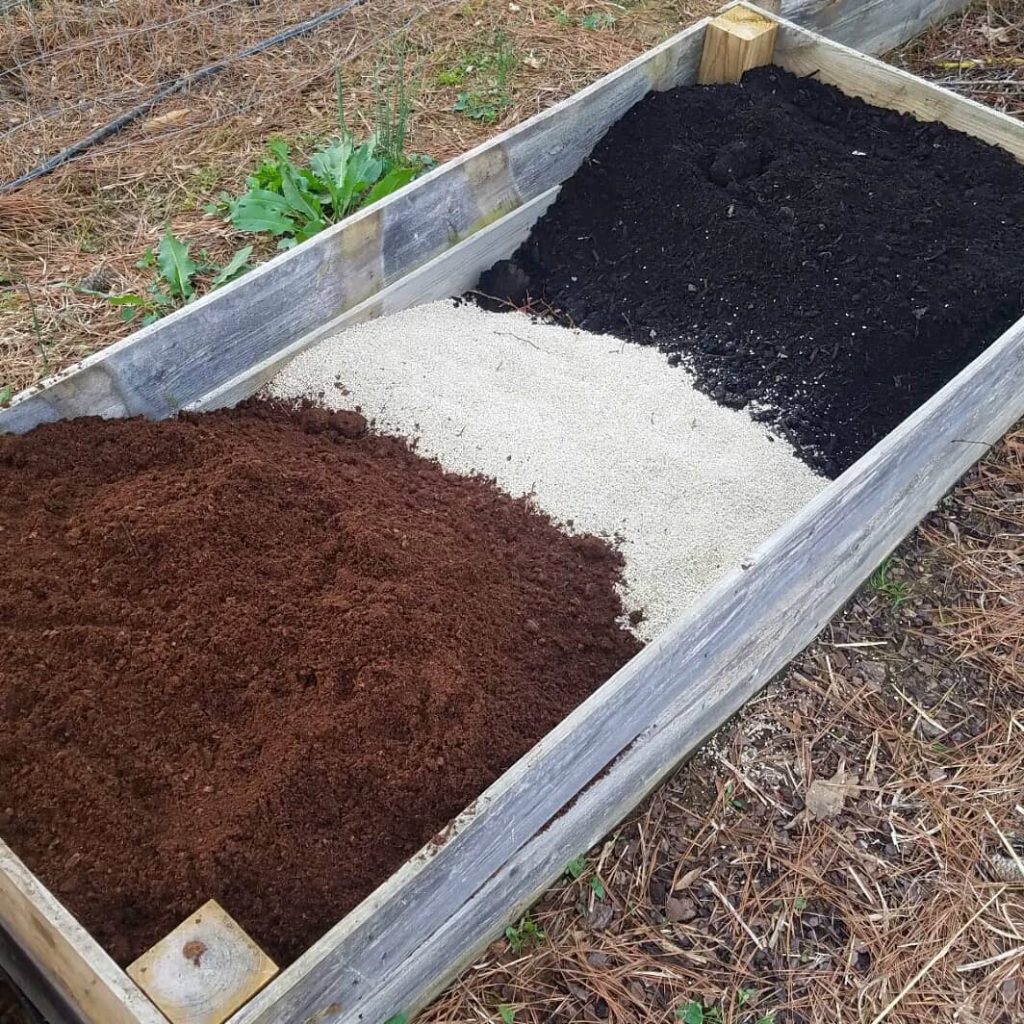
The best soil mix for vegetable gardens is crucial for growing healthy plants that produce robust yields. A high-quality soil mix provides the necessary nutrients, drainage, and aeration essential for vegetable growth. Here’s a comprehensive look at what makes an ideal soil mix.
Ingredients of an Ideal Soil Mix
An ideal soil mix for vegetable gardens consists of various components that contribute to plant health. The primary ingredients include:
- Topsoil: The foundation of your soil blend, topsoil provides essential nutrients and microorganisms.
- Organic Matter: Compost or well-rotted manure enriches the soil's nutrient content and improves moisture retention.
- Sand: This element enhances drainage, ensuring that the soil does not become waterlogged.
Soil pH Considerations
The pH level of your soil directly affects nutrient availability. Vegetables generally thrive in a pH range of 6.0 to 7.0. Consider the following:
- Testing Soil pH: Use a pH meter or kit to measure your soil’s acidity or alkalinity.
- Adjusting pH: Lime can be added to raise pH, while sulfur can lower it to achieve the desired range.
- Regular Monitoring: Check pH levels annually to maintain optimal conditions for your vegetables.
Importance of Drainage
Proper drainage is critical to prevent root rot and other problems in vegetable gardens. Consider these aspects:
- Soil Texture: The right mix of sand, silt, and clay can improve drainage capabilities.
- Raised Beds: Utilizing raised garden beds can enhance drainage and aeration.
- Aeration Techniques: Incorporate materials like perlite or vermiculite to further promote drainage.
Choosing the Right Nutrients
Nutrient content is vital for plant development. When preparing the soil mix, focus on:
- Macronutrients: Ensure adequate levels of nitrogen, phosphorus, and potassium for balanced growth.
- Micronutrients: Trace elements like calcium, magnesium, and iron support various plant functions.
- Slow-Release Fertilizers: Incorporate granular slow-release fertilizers to provide a steady supply of nutrients throughout the growing season.
Maintaining Soil Health
Keeping your soil healthy is essential for sustainable vegetable gardening. Consider these maintenance tips:
- Crop Rotation: Change the crop type each season to prevent nutrient depletion and reduce pests.
- Cover Crops: Planting cover crops during off-temperatures helps add organic matter and improve soil structure.
- Limiting Soil Compaction: Avoid walking on garden beds and use pathways to minimize compaction and maintain soil aeration.
What is the best top soil for a vegetable garden?
:max_bytes(150000):strip_icc()/topsoil-vs-garden-soil-7501844-7d8db8d8a1aa4d85b91458b3e2597073.png)

The best topsoil for a vegetable garden should be rich in nutrients, well-draining, and suitable for various types of vegetables. Ideal topsoil is a balanced mixture of sand, silt, and clay, creating a soil structure that supports healthy root growth and allows for adequate water retention while preventing waterlogging. Here are some key features to consider when selecting the right topsoil for your vegetable garden:
Understanding Soil Composition
When choosing the best topsoil, it's essential to understand its composition. The ideal topsoil consists of a balance of three primary soil types:
- Sand: Provides good drainage and aeration.
- Silt: Retains moisture and nutrients effectively.
- Clay: Helps to hold nutrients but can cause drainage issues if present in excess.
A good topsoil should have a loamy texture, meaning it has an ideal combination of these components for optimal vegetable growth.
Organic Matter Content
Incorporating organic matter is crucial for enhancing the quality of topsoil. Organic matter not only improves soil structure but also provides essential nutrients for plant growth. Components to look for include:
- Compost: Increases nutrient availability and beneficial microorganisms.
- Peat Moss: Helps retain moisture and improves soil aeration.
- Well-rotted manure: Provides additional nutrients while enriching soil texture.
High organic matter content leads to healthier plants and improved yields in your vegetable garden.
pH Level Consideration
The pH level of the soil affects nutrient availability for your vegetables. The optimal pH range for most vegetable crops is between 6.0 and 7.5. To ensure your topsoil meets these requirements, consider the following:
- Testing the pH: Use a soil test kit to determine the current pH level.
- Adjusting pH: Lime can be added to raise pH, while sulfur can lower it.
- Regular monitoring: Check pH levels periodically to maintain optimal growing conditions.
Maintaining appropriate pH levels aids in the overall health of the vegetable garden.
Drainage and Moisture Retention
Good drainage is crucial for preventing waterlogged roots, while moisture retention ensures plants have access to water between rains. Features of topsoil that affect these factors include:
- Texture: A loamy texture promotes both drainage and moisture retention.
- Additives: Consider adding sand to improve drainage in heavy clay soils.
- Mulching: Use organic mulch to enhance moisture retention and reduce evaporation.
The right balance enables vegetables to thrive by providing the needed growing conditions.
Source and Quality of Topsoil
When sourcing topsoil, the quality and origin are important to ensure it is free from contaminants and pathogens. Consider these factors:
- Buying from reputable suppliers: Check reviews and certifications to ensure quality.
- Local sources: Locally sourced topsoil is often more suitable due to region-specific flora and fauna.
- Inspecting before purchase: Look for signs of weed seeds or a foul odor that might indicate poor quality.
Acquiring high-quality topsoil is vital for establishing a productive vegetable garden.
What is the best soil for starting vegetables?

The best soil for starting vegetables is a carefully balanced mixture that promotes healthy plant growth and development. Primarily, it should be loamy, having a suitable blend of sand, silt, and clay to retain moisture while also providing adequate drainage and aeration. Here are the essential components and characteristics of the ideal soil for vegetable gardening:
1. Soil Composition
A well-balanced soil should consist of various components that supply essential nutrients and support plant growth. The following elements are crucial:
- Organic Matter: Incorporating well-rotted compost or manure improves soil fertility and structure.
- Mineral Content: Key minerals such as nitrogen, phosphorus, and potassium are essential for plant biological processes.
- pH Level: Most vegetables thrive in soil with a pH of 6.0 to 7.5, indicating a slightly acidic to neutral condition.
2. Drainage and Aeration
Adequate drainage and aeration are critical for the health of vegetable plants. If water accumulates, it can lead to root rot and other issues. Important factors include:
See also:
- Texture: Loamy soils provide the best texture for balancing moisture retention and drainage.
- Soil Amendments: Adding perlite or vermiculite can improve aeration and facilitate drainage.
- Raised Beds: Constructing raised beds can enhance drainage, especially in heavy clay soils.
3. Nutrient Availability
Vegetables require a range of nutrients for optimal growth. It's essential to ensure that your soil can provide these nutrients:
- Macronutrients: Nitrogen, phosphorus, and potassium must be present in adequate amounts for healthy growth.
- Micronutrients: Elements like iron, manganese, and zinc, although needed in smaller quantities, are vital for plant functions.
- Soil Testing: Conducting a soil test can help identify nutrient deficiencies and inform the application of fertilizers.
4. Soil Temperature
The temperature of the soil can significantly impact seed germination and root development. Key aspects include:
- Warmth: Most vegetables prefer soil temperatures between 65°F and 75°F (18°C - 24°C) for germination.
- Mulching: Adding organic mulch can help retain warmth and moisture while suppressing weeds.
- Sun Exposure: Choosing a sunny location can naturally warm the soil, facilitating faster germination of seeds.
5. Soil Maintenance
Regular maintenance of your soil is essential to sustain its fertility and structure over time. Important maintenance practices include:
- Crop Rotation: Changing the type of crops grown in a specific area each year helps prevent nutrient depletion and pest buildup.
- Cover Crops: Planting cover crops during the off-season can enhance soil structure and nutrient content.
- Regular Testing and Amendments: Periodic testing helps in applying the right amendments as needed to maintain optimal soil conditions.
Should I use topsoil or compost for vegetable garden?
Using topsoil or compost for your vegetable garden depends on various factors, including the current soil condition, the specific needs of your plants, and your gardening goals. Here’s a detailed analysis of both options:
Topsoil is the uppermost layer of soil and is often extracted from other locations. It typically contains a mixture of organic matter, minerals, and nutrients crucial for plant growth. However, the quality of topsoil can vary widely, depending on its origin.
Compost, on the other hand, is a decomposed organic matter that enriches the soil with nutrients. It is produced through the breakdown of kitchen scraps, yard waste, and other biodegradable materials. Compost is known for improving soil structure, water retention, and nutrient availability.
Understanding Topsoil
Topsoil is the thin layer of soil that supports the growth of most plants. It contains essential nutrients and organisms that help in plant development.
- Composition: Topsoil generally consists of minerals, organic matter, and microorganisms. Its nutrient content can greatly vary depending on its source.
- Use: It is best used in areas where the soil is poor or needs a quick nutrient boost. It is often used to fill in low spots or create a planting bed.
- Drainage: While topsoil can improve drainage in heavy clay soils, it may not be as effective in sandy soils unless mixed properly.
The Benefits of Compost
Compost is often considered one of the best amendments for vegetable gardens due to its numerous benefits for soil health.
- Nutrient-Rich: Compost provides a wide range of nutrients that release slowly over time, feeding plants as they grow.
- Soil Structure: It improves soil structure, aiding in aeration and water retention, which is essential for vegetable crops.
- Microorganism Friendly: Compost encourages beneficial microbes and earthworms that contribute to a healthy soil ecosystem.
How to Use Topsoil in Your Garden
If you decide to use topsoil, it's crucial to ensure you're selecting high-quality material that suits your gardening needs.
- Selection: Look for topsoil that is rich in organic material and has a dark color, indicating a higher level of nutrients.
- Mixing: Consider mixing topsoil with compost to enhance nutrient availability and improve the soil structure.
- Application: Apply a layer of topsoil as a top dressing or incorporate it into the existing soil when creating new garden beds.
Integrating Compost into Your Garden
Incorporating compost into your vegetable garden can enhance growth and yield.
- Preparation: Make sure the compost is fully decomposed to avoid any potential harm to plants.
- Application: Mix compost into the top few inches of soil before planting for optimal results.
- Layering: Use compost as a mulch around plants to conserve moisture and suppress weeds.
When to Choose One Over the Other
Determining whether to use topsoil or compost often depends on the specific circumstances of your garden.
- Soil Condition: If your garden soil lacks structure or nutrients, start with compost for an immediate impact.
- Cost: Topsoil can be a less expensive option for larger areas, while compost may be more cost-effective in smaller applications.
- Long-Term Goals: For building a sustainable garden over time, prioritize compost for its long-lasting benefits to soil health.
Questions from Our Readers
What type of soil is best for a vegetable garden in Canada?
The best type of soil for a vegetable garden in Canada is loamy soil, which is a mixture of sand, silt, and clay. This type of soil provides good drainage while retaining enough moisture and nutrients essential for vegetable growth. It's crucial to ensure that the soil has a balanced pH, ideally between 6.0 and 7.0, to support most vegetables.
How can I improve the soil quality for my vegetable garden?
To improve the soil quality for your vegetable garden, consider adding organic matter such as compost, well-rotted manure, or peat moss. These materials enhance soil structure, provide essential nutrients, and improve moisture retention. Regularly testing the soil and adjusting its pH can also help maintain an optimal growing environment for your vegetables.
Is it necessary to test my soil before planting a vegetable garden?
Yes, it is advisable to test your soil before planting a vegetable garden. Soil testing helps determine the pH level and nutrient content, enabling you to make informed decisions about amendments needed. This proactive approach ensures that your plants receive the proper nutrients and support optimal growth.
See also:
How often should I add nutrients to my vegetable garden soil?
You should add nutrients to your vegetable garden soil at least once a year, ideally in the spring before planting. However, depending on the type of vegetables you are growing, you may need to add additional fertilizers throughout the growing season. Regular monitoring of plant health can help guide your nutrient supplementation, ensuring your garden remains productive.
If you want to read more articles like What is the best soil for a vegetable garden in Canada? Top Tips and Recommendations, we recommend you check out our Soil category.
Leave a Reply
Related Articles