How do I know if my soil has fungus? Key Signs and Tests to Identify Soil Fungi

Understanding the health of your soil is crucial for effective gardening and agriculture. One significant factor that can affect soil quality is the presence of fungi. While some fungi play a beneficial role in nutrient cycling and plant health, others can indicate underlying problems. Identifying soil fungi early can help prevent damage to plants and ensure a thriving garden. In this article, we will explore key signs that suggest the presence of fungi in your soil, as well as simple tests you can conduct to determine their presence. This knowledge will empower you to maintain a healthy and balanced soil ecosystem.
How to Determine if Your Soil Has Fungus
To ascertain whether your soil has fungus, observe several key indicators. A visual examination can reveal unusual mold or fungal growth on the soil surface, which may present as white, gray, or black spots. Another sign is the presence of a musty odor, often associated with fungal decay. Additionally, damping-off, a condition characterized by the wilting of seedlings, can indicate fungal problems in the soil. Moreover, a simple soil test can reveal the presence of specific fungal spores, helping you confirm their presence beyond mere observation.
Visual Indicators of Fungal Presence
One of the most straightforward methods to identify fungal infection in your soil is through visual inspection. Look for distinct signs such as white mycelium, which resembles cotton-like textures, or colorful molds that might appear on the surface. Dark spots and patches can suggest more serious fungal issues, including the potential presence of pathogens that could affect plant health.
Odor and Soil Conditions
A musty or earthy smell emanating from your soil can be a significant sign of fungal activity. If the soil smells damp and moldy rather than fresh, it indicates that decomposition is taking place, often due to fungi breaking down organic matter. These odors often worsen when the soil is overly wet, suggesting that excessive moisture may be promoting fungal growth and _____disease spread.
Effects on Plant Health
Fungi can have profound effects on the health of your plants. Symptoms such as wilting, yellowing leaves, and stunted growth often signal an underlying fungal issue in the soil. When plants begin to exhibit these symptoms, it is essential to consider the possibility of root rot or other fungal diseases that can thrive in soggy or poorly drained soils, further compromising plant vitality.
Soil Testing for Fungal Spores
To conclusively identify fungal presence, consider conducting a soil test specifically targeting fungal spores. This test analyzes soil samples for the presence of various pathogens and helps identify the type of fungi affecting your garden. Commercial soil testing services can provide detailed information about your soil's microbial makeup and inform you of appropriate management strategies to mitigate fungus.
Preventive Measures and Management
Managing moisture levels in your garden is crucial for preventing fungal infections. Ensure proper drainage and avoid overwatering your plants to discourage fungal growth. Additionally, incorporating organic matter such as compost can improve soil health and promote beneficial microorganisms that compete with harmful fungi. Regularly rotating crops and maintaining healthy plant spacing can also prevent the establishment of fungal diseases in your soil.
| Indicator | Description |
|---|---|
| Visual Signs | White mycelium or colorful molds on soil |
| Odor | Musty or earthy smell from the soil |
| Plant Health | Wilting, yellowing leaves, and stunted growth |
| Soil Test | Presence of fungal spores in soil samples |
| Moisture Management | Proper drainage and watering practices |
How do I tell if my soil has fungus?
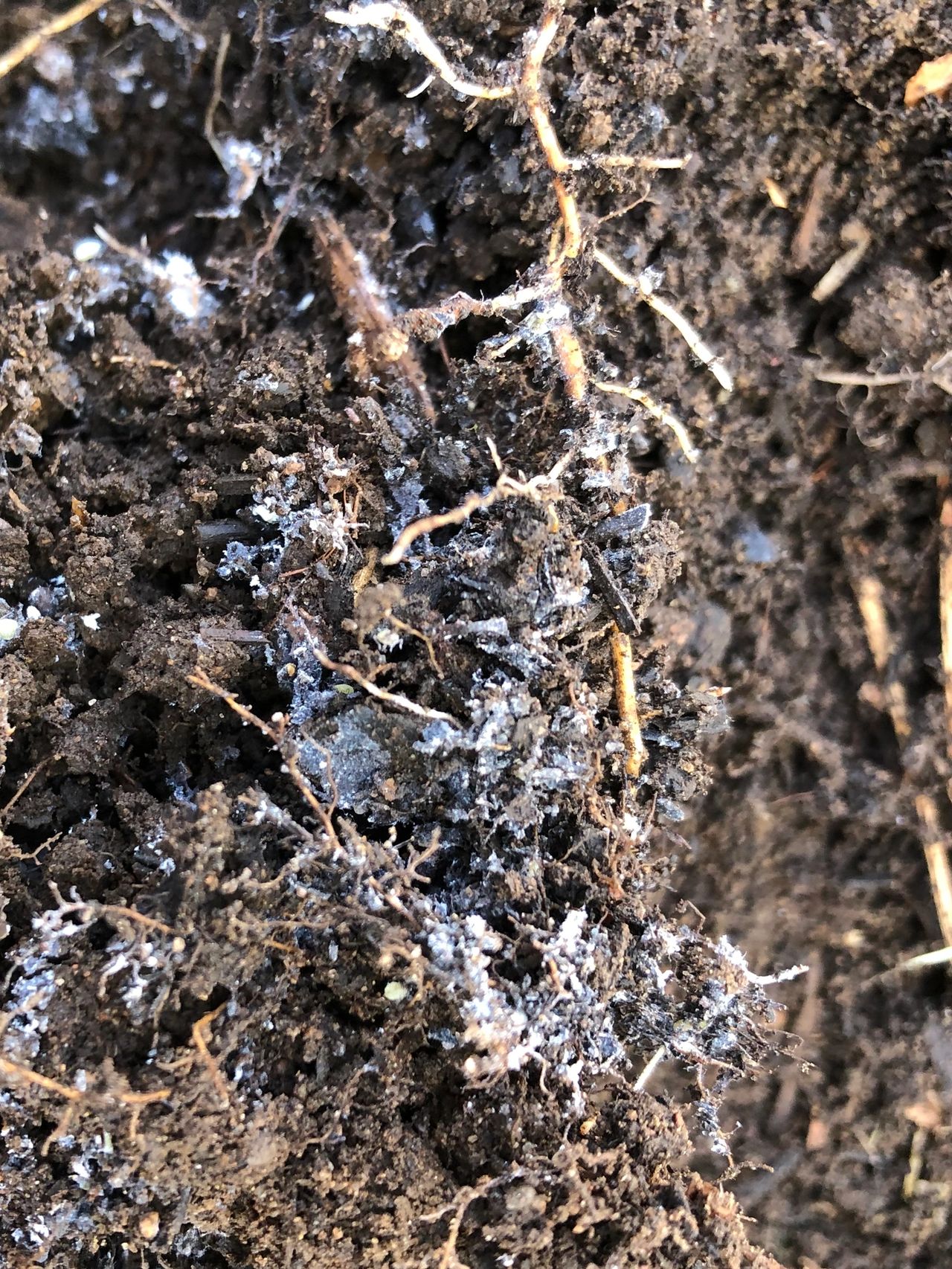
To determine if your soil has fungus, there are several signs and methods you can use to identify fungal presence. Fungi play an essential role in the ecosystem and can be beneficial for plant growth, but some fungi can also be harmful. Here’s how to tell if your soil is inhabited by fungi:
1. Visual Inspection: One of the simplest ways to check for fungus is by observing the soil's surface.
- Look for mold growth: A white, gray, or black fuzzy mold may be visible on the soil, especially in damp areas.
- Check for mushrooms: The emergence of mushrooms is a strong indicator of fungal activity in the soil.
2. Soil Consistency: The texture and consistency of the soil can also give clues about fungal presence.
- Healthy soil with fungi usually has a more crumbly texture.
- If the soil appears to be overly compact or sticky, it may indicate an unhealthy balance of organisms.
3. Plant Health: Fungi can impact plant health, and observing your plants can provide insights.
- Look for signs of disease on plants such as wilting or unusual leaf spots.
- Stunted growth or yellowing leaves may indicate an imbalance of nutrients possibly caused by harmful fungi.
4. Odor: The smell of your soil can also indicate fungal presence.
- A musty odor suggests organic matter breakdown, a sign of active fungal activity.
- If the soil smells sour or like decay, it might indicate harmful fungi are present.
5. Soil Testing: Conducting a soil test can provide definitive information on fungal presence.
- Utilize a soil test kit designed to evaluate soil health and composition.
- Professional soil testing can specifically check for the types of fungi present in the soil.

Visual Inspection of Soil
To assess whether your soil contains fungus, begin with a thorough visual inspection. This involves examining the surface for any signs of fungal development.
- Scan for visible molds or mushrooms.
- Observe for an unusual coloration of soil, which may indicate fungal activity.
- Inspect for potential pests that might coexist with fungal growth.
Soil Texture Examination
Examining the consistency of your soil can offer additional diagnostic information. Fungal proliferation can significantly impact soil texture and structure.
- Healthy soil typically has a loose and aerated texture.
- Overly wet or compacted soil could suggest the presence of harmful fungi.
- Soil richness, evident in its ability to retain moisture, may suggest a fungal-friendly environment.
Assessing Plant Health
The health of your plants serves as an important indicator of soil condition, including the presence of fungi. Fungi can both pomoc and harm plant growth, making this assessment crucial.
- Monitor for symptoms of stress, such as wilting or discoloration.
- Look for signs of root rot, which can indicate harmful fungal presence.
- Evaluate growth patterns; stunted or abnormal growth may suggest fungal issues.
Soil Odor Check
The smell of your soil is another effective indicator of fungal activity. Unpleasant odors can signal issues.
- A musty smell is often a good sign of active beneficial fungi.
- A sour odor may indicate harmful or decaying fungi.
- Frequent unpleasant smells generally suggest poor soil health regarding microbial balance.
Professional Soil Testing
Engaging in professional soil testing is a scientific approach to confirming the presence of fungi. This method provides detailed insights into soil composition.
- Use a soil testing kit to assess microbial health.
- Consider sending your soil sample to a lab for a comprehensive analysis.
- Review the results for specific fungal counts and types in your soil.
How do I get rid of fungus in soil?

To get rid of fungus in soil, it is essential to first understand the underlying causes of fungal growth. Fungi thrive in moist, nutrient-rich environments, often arising from overwatering, poor drainage, or decaying organic matter. Implementing proper management techniques can help eliminate unwanted fungi and promote a healthier soil environment.
Identify the Type of Fungus
Identifying the specific type of fungus in your soil is crucial as different fungi require different treatment approaches. Fungi can range from beneficial mycorrhizae to harmful pathogens.
- Mycorrhizal Fungi: Essential for plant health, these fungi enhance nutrient uptake.
- Disease-Causing Fungi: Pathogens like Fusarium or Rhizoctonia can infect plants and require targeted management.
- Beneficial vs. Harmful: Understanding whether the fungus is beneficial can help you decide on action.
Improve Soil Drainage
Poor drainage contributes significantly to fungal growth. Enhancing soil drainage can create an unfavorable environment for fungi.
- Amend Soil: Mixing in sand or perlite can improve aeration and drainage.
- Elevate Garden Beds: Raised beds promote better drainage and prevent waterlogging.
- Avoid Overwatering: Water according to specific plant needs and allow soil to dry out between watering sessions.
Remove Organic Debris
Decaying plant material can create a breeding ground for fungi. To reduce fungal presence, regularly maintain your soil by clearing debris.
- Clear Dead Leaves: Remove any fallen leaves, especially during damp conditions.
- Compost Wisely: Ensure compost is well-managed and does not introduce pathogens.
- Regular Tilling: Tilling can help mix in debris and expose fungi to conditions that inhibit growth.
Use Fungicides
For severe fungal infestations, fungicides may be necessary to control the population effectively.
- Types of Fungicides: Select a fungicide specific for the fungus you’re targeting.
- Natural Fungicides: Options like neem oil or copper-based fungicides can be less harmful to beneficial organisms.
- Follow Instructions: Always adhere to the application guidelines to ensure efficacy and safety.
Maintain Healthy Soil Practices
Preventing fungal issues in the first place is often more effective than attempting to rid soil of fungus once it takes hold.
- Rotate Crops: Changing the types of plants grown in an area annually can disrupt fungal life cycles.
- Utilize Cover Crops: Planting cover crops can improve soil structure and nutrient levels, discouraging fungal growth.
- Monitor pH Levels: Maintaining appropriate soil pH can deter certain fungi from thriving.
How do you identify soil fungi?

To identify soil fungi, various methods can be employed which involve both visual examination and molecular techniques. Here are the steps and important considerations in identifying soil fungi:
See also:
Visual Identification of Soil Fungi
Visual identification involves observing the physical characteristics of fungi present in the soil. This can include examining the morphology of fungal hyphae, spores, and fruiting bodies. Key steps in visual identification include:
- Microscopic Observation: Use a microscope to observe the size, shape, and structure of fungal spores and hyphae. Common structures to look for include conidia, ascospores, and basidiospores.
- Color and Texture: Note the color and texture of fungal colonies grown on agar plates. Many fungi have distinctive colors and textures that can aid in identification.
- Growth Patterns: Observe the growth pattern of colonies, such as whether they are circular, irregular, or have texture variations which can be indicators of different species.
Culture Techniques for Soil Fungi
To cultivate soil fungi for easier identification, specific culture techniques can be applied. This involves isolating fungi from soil samples and growing them on suitable media:
- Soil Dilution Technique: Dilute the soil sample and spread it on selective media that favors fungal growth while suppressing bacterial growth.
- Agar Plate Culturing: Use different types of agar (like Potato Dextrose Agar) to support the growth of a broad spectrum of fungi, allowing for more comprehensive examination.
- Incubation Conditions: Maintain optimal temperature and humidity during incubation to enhance fungal growth, usually requiring 25-28 degrees Celsius and darkness for various fungal species.
Molecular Identification Methods
Molecular techniques provide a more precise identification of soil fungi, especially for complex communities. This method usually involves DNA extraction and sequencing:
- DNA Extraction: Use protocols suitable for fungi to extract DNA from soil samples or cultured fungi, focusing on methods that maximize yield without degrading the DNA.
- PCR Amplification: Perform Polymerase Chain Reaction (PCR) to amplify specific fungal genes, commonly the ribosomal RNA gene, which is critical for accurate identification.
- Sequencing and Analysis: Sequence the amplified DNA and use bioinformatics tools to compare the sequences against databases like GenBank or UNITE for species identification.
Ecological Role and Morphological Traits
Understanding the ecological roles and typical morphological traits of fungi helps in their identification. Different fungi play distinct roles in soil ecosystems:
- Decomposers: Many soil fungi are decomposers that break down organic matter. Their identification can often relate to the types of substrates they thrive on.
- Mycorrhizal Associations: Some fungi form symbiotic relationships with plant roots. Identifying these can be done through observing mycorrhizal structures and their impact on plant health.
- Pathogenic Fungi: Recognizing the characteristics of pathogenic fungi is crucial for agricultural practices. Observations on their growth rate and host specificity can aid in identification.
Field Sampling Techniques
Proper field sampling is essential for identifying fungi in soil. Techniques to collect samples effectively include:
- Sample Locations: Choose diverse locations that represent different soil types and plant communities to capture a wide range of fungal diversity.
- Soil Core Method: Use soil cores to extract samples at various depths, increasing the chance of encountering different fungal species.
- Preservation Techniques: Preserve samples in sterile containers and keep them cool to prevent degradation before analysis, ensuring accurate identification when examining the samples later.
How to tell if your soil is diseased?
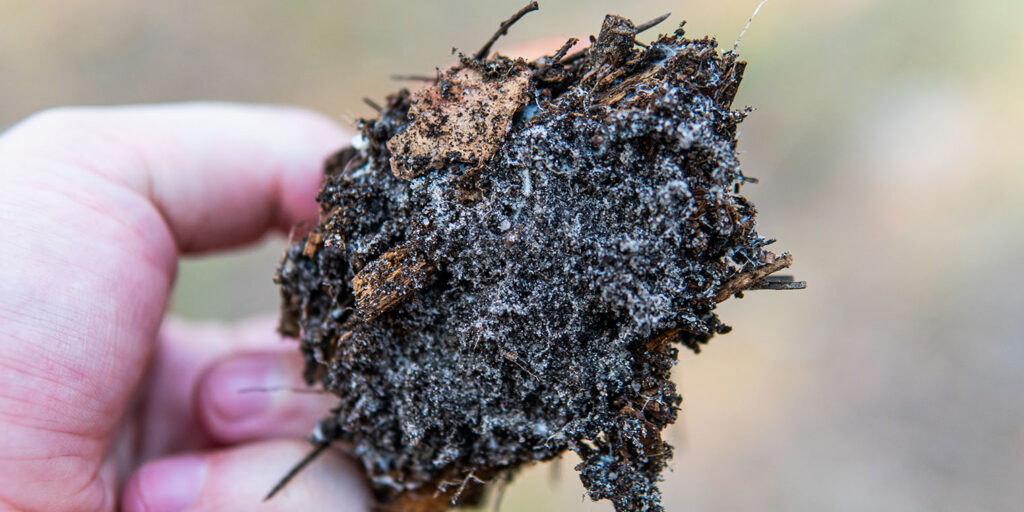
To determine if your soil is diseased, you need to look for specific signs and conduct certain tests. Soil diseases are often caused by pathogens such as fungi, bacteria, and nematodes that can negatively affect plant health, leading to poor growth, wilting, and even death. Here are several key indicators to examine.
Visual Signs of Soil Disease
When assessing soil health, begin by inspecting the visual signs of potential disease. Look for:
- Stunted plant growth: Plants may appear smaller than normal, with yellowing leaves.
- Wilting: Even with adequate watering, plants may exhibit wilting, a sign of root problems.
- Discolored leaves: Symptoms such as spots, lesions, or unusual coloration on leaves can signal soil issues.
Soil Texture and Structure Changes
Soil structure can change significantly when it is diseased. Examine the texture and structure of your soil for signs of degradation. Consider:
- Hardpan layers: Compacted soil can restrict root growth and water absorption.
- Unusual crusting: A hard crust on the soil surface indicates damage that can lead to drainage issues.
- Pooling water: Prolonged puddling can signal low drainage capability often associated with disease.
Soil Color Variations
Soil color can reveal much about its health. Check for distinct color variations by examining:
- Dark patches: These can indicate the presence of organic matter or disease organisms.
- Gray or yellow hues: Such discoloration may suggest anaerobic conditions or nutrient deficiencies.
- Fungal growths: White or gray mold on soil surfaces may indicate fungal pathogens.
Smell of the Soil
An often-overlooked aspect of soil health is its odor. Take note of any unusual smells, which can indicate problems:
- Foul odor: A rotten smell typically indicates anaerobic conditions or organic matter decomposition issues.
- Sweet smells: Interestingly, sweet odors can indicate certain beneficial microbial activity, which may also relate to potential concerns.
- Pungent scents: A strong chemical smell may be a sign of excessive fertilizer usage or microbial activity.
Soil Testing for Pathogens
Conducting a soil test is one of the most definitive ways to determine the health of your soil. Here's how to proceed:
- Collect samples: Gather soil samples from various locations using a clean tool to ensure accuracy.
- Laboratory analysis: Send samples to a laboratory for testing for soil-borne diseases, pH levels, and nutrient content.
- Review results: Analyze the lab results carefully to identify potential pathogens and amendments needed for remediation.
Questions from Our Readers
How can I visually identify fungus in my soil?
When inspecting your soil, look for white, grey, or black fluffy or thread-like structures. These are often signs of fungal growth. Additionally, if you notice moldy spots or a musty smell, it may indicate the presence of fungus in the soil.
What are the common symptoms of fungus in plants?
Plants affected by soil fungus may show signs like yellowing leaves, stunted growth, or wilting. If you notice brown spots or leaf drop, it may be an indication that the fungus in the soil is negatively impacting their health.
See also:
Can fungus in soil be beneficial?
Yes, some types of fungus can be beneficial as they help in nutrient absorption and improve soil structure. These helpful fungi form mycorrhizal relationships with plant roots, enhancing their ability to access water and nutrients.
How can I test my soil for fungus?
To test for fungus, you can conduct a soil sample analysis by sending a portion of your soil to a laboratory. They will analyze the microbial content and identify if there is a high level of fungal activity present in your soil. Additionally, you can perform a simple DIY test by observing the soil's smell and texture over time.

If you want to read more articles like How do I know if my soil has fungus? Key Signs and Tests to Identify Soil Fungi, we recommend you check out our Soil category.
Leave a Reply
Related Articles