How to Get Rid of Mold on Plant Soil Naturally? 10 Effective Tips and Remedies
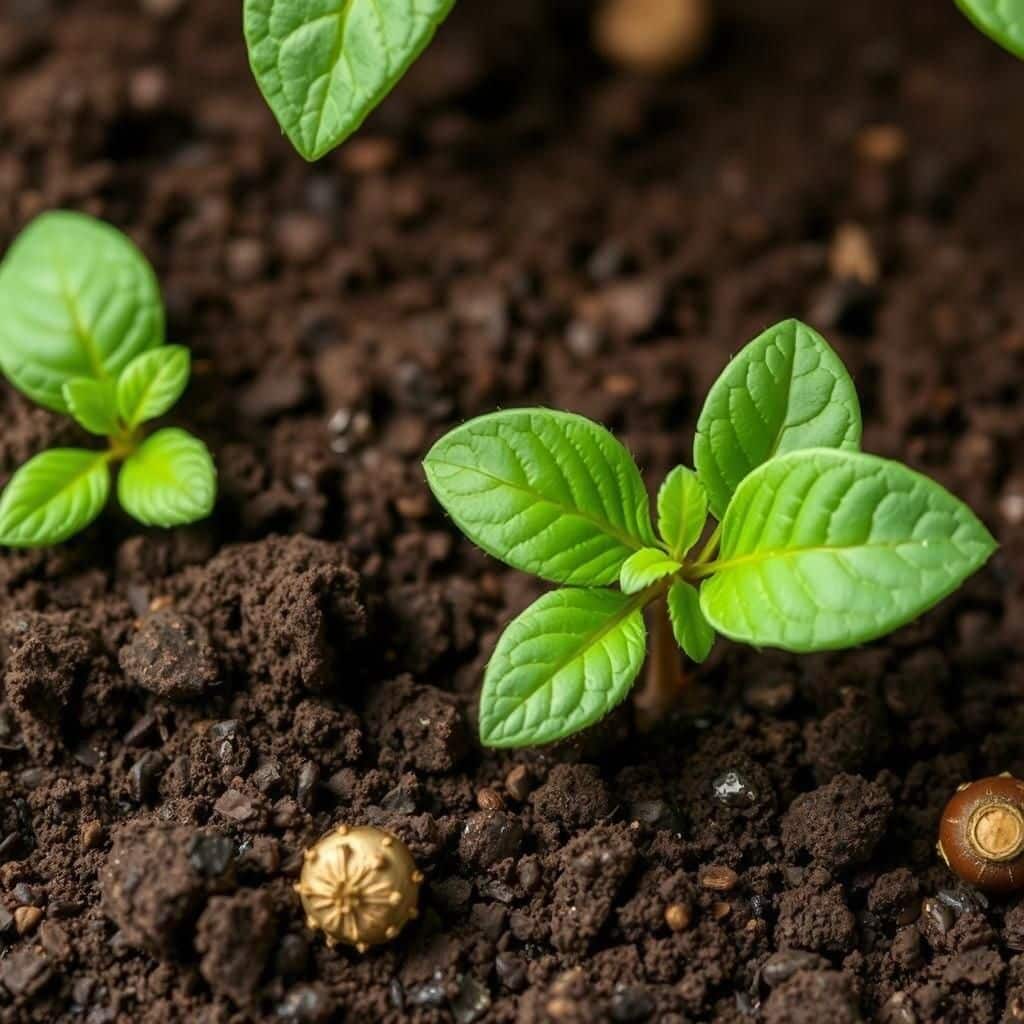
Mold on plant soil can be a frustrating problem for gardeners, as it not only affects the aesthetics of your plants but can also hinder their growth. Fortunately, there are natural methods to effectively combat this issue without resorting to harsh chemicals. In this article, we will explore ten effective tips and remedies to help you get rid of mold on plant soil naturally. From adjusting moisture levels to using household ingredients, these techniques will promote a healthier environment for your plants and ensure their longevity. Say goodbye to unsightly mold and welcome thriving greenery with these practical solutions.
Natural Remedies for Removing Mold from Plant Soil
To effectively get rid of mold on plant soil naturally, various methods can be utilized that are not only safe for your plants but also environmentally friendly. One popular method is to reduce the moisture content in the soil, as mold thrives in damp conditions. This can be achieved by allowing the top layer of soil to dry out between watering sessions. Additionally, you can mix in some natural amendments such as cinnamon or baking soda to help inhibit mold growth. Regularly checking for proper drainage and ensuring that your plants are not overcrowded will also go a long way in preventing mold from forming in the first place.
Understanding the Causes of Mold on Plant Soil
Mold on plant soil is often a result of overwatering and poor drainage, which can create a perfect habitat for fungal growth. High humidity and lack of air circulation can also contribute significantly to the problem. Recognizing the signs of excess moisture and adjusting your watering schedule is essential to maintaining healthy soil and preventing mold.
Using Cinnamon as a Natural Mold Inhibitor
Cinnamon is a natural powder known for its fungicidal properties. Sprinkling a light layer of cinnamon on the surface of your plant soil can help eliminate existing mold spores while also preventing further growth due to its antibacterial characteristics. This method is safe for most plants and acts as an organic solution to mold issues.
Applying Baking Soda to Combat Mold
Baking soda is another effective, natural remedy for mold on plant soil. By mixing a teaspoon of baking soda in a cup of water and applying it to the affected soil, you can create an alkaline environment that is hostile to mold growth. This solution not only helps in controlling mold but also can enhance your plant’s growth due to the added nutrients.
See also:
Improving Soil Drainage and Aeration
To prevent mold from developing, it's crucial to improve the drainage and aeration of your plant soil. This can be done by using potting mixes that contain materials such as perlite, vermiculite, or sand, which help to create an environment with better air circulation and reduced moisture retention. Ensuring that your pots have adequate drainage holes is also vital.
Encouraging Natural Predators in Your Garden
Incorporating natural predators, such as beneficial fungi and bacteria, into your gardening routine can help maintain a healthy balance in your soil ecosystem. These organisms compete with mold for resources, thus naturally inhibiting its growth. One way to introduce these beneficial microbes is by using compost tea or organic fertilizers that are rich in these helpful organisms.
| Method | Ingredients | Application Frequency |
|---|---|---|
| Cinnamon | Cinnamon powder | As needed |
| Baking Soda | Baking soda, water | Every 2-3 weeks |
| Soil Aeration | Perlite, vermiculite | When repotting |
| Beneficial Microbes | Compost tea | Monthly |
Understanding the Causes of Mold Growth in Plant Soil
Mold growth in plant soil often results from excess moisture, poor air circulation, and inadequate drainage. When the soil remains consistently damp, it creates an ideal environment for mold spores to thrive. Overwatering, combined with using heavy or compacted soils that retain water, can exacerbate the problem. Additionally, lack of light and inadequate drying out of the soil between watering sessions contribute significantly to mold proliferation. By recognizing these contributing factors, gardeners can implement effective strategies to combat mold growth naturally.
Identifying Different Types of Mold on Plant Soil
There are several types of mold that can appear on plant soil, including powdery mildew, fuzzy mold, and black mold. Each type has distinct characteristics, such as texture and color, which can help in identification. Powdery mildew appears as a white, powdery substance on the surface of the soil, while fuzzy mold is often a greenish or grayish growth. Black mold can indicate more serious issues and may pose health risks. Understanding these types will help gardeners select the best eradication methods for their specific situation.
The Role of Humidity in Mold Growth
Humidity plays a critical role in the development of mold in plant soil. High humidity levels can lead to condensation, providing the moisture that mold needs to grow. Areas with poor ventilation and high humidity, such as poorly lit corners of indoor gardens, can promote mold infestations. Maintaining optimal humidity levels, ideally between 40% to 60%, can significantly reduce the likelihood of mold growth. Utilizing a dehumidifier in enclosed spaces can also help manage humidity levels effectively.
See also:
Natural Remedies to Eliminate Mold From Plant Soil
Several natural remedies can effectively eliminate mold from plant soil without the use of harsh chemicals. One common method is using a mix of baking soda and water, which can inhibit mold growth due to its alkaline properties. Another effective remedy is applying cinnamon, a natural fungicide, to the affected soil. Additionally, introducing beneficial microorganisms through products like compost tea can help restore a healthy balance in the soil, suppressing mold growth naturally.
Improving Soil Drainage to Prevent Mold
Improving soil drainage is a crucial strategy for preventing mold growth in plant soil. Using well-draining potting mixes or incorporating materials like perlite or sand can enhance drainage. Ensuring pots have adequate drainage holes is essential to prevent water from pooling at the bottom. Gardeners should also consider using self-watering pots wisely, as they can sometimes oversaturate the soil if not monitored closely. Adjusting watering schedules to water less frequently but more thoroughly can also improve soil drainage and minimize mold risk.
The Importance of Air Circulation Around Plants
Air circulation around plants is vital for reducing moisture accumulation on soil surfaces, which can lead to mold growth. Plants that are too closely spaced or placed in stagnant conditions are more likely to experience mold issues. Implementing strategies like spacing plants adequately, using fans in indoor settings, and rotating plants periodically can enhance air movement. By improving air circulation, moisture evaporates more efficiently, creating an environment less conducive to mold proliferation.
Questions from Our Readers
What natural remedies can I use to eliminate mold on plant soil?
To eliminate mold on plant soil naturally, you can use baking soda, which is effective in inhibiting mold growth. Mix a tablespoon of baking soda with water and spray it on the affected areas of the soil. Additionally, cinnamon can act as a natural fungicide; sprinkle it on the soil to help prevent mold from returning.
How can I improve air circulation to prevent mold on my plants?
Improving air circulation around your plants is crucial for preventing mold. You can achieve this by spacing your plants adequately to allow for better airflow and ensuring that they are not overcrowded. Using a small fan can also help maintain a consistent flow of air, which discourages moisture buildup that supports mold growth.
See also:
Is changing the soil a good way to deal with mold on plant soil?
Yes, changing the soil can be an effective method to deal with mold on plant soil. When you notice significant mold growth, it can be beneficial to remove the affected soil and replace it with fresh, sterilized soil to prevent the mold from returning. Be sure to check the health of the plant roots before replanting to ensure they are not damaged.
How often should I check for mold on my plants?
You should regularly check for mold on your plants, ideally on a weekly basis. This allows you to catch any mold growth early and take immediate action. Regular inspections can help you maintain a healthy environment for your plants, addressing any issues before they escalate into more significant problems.
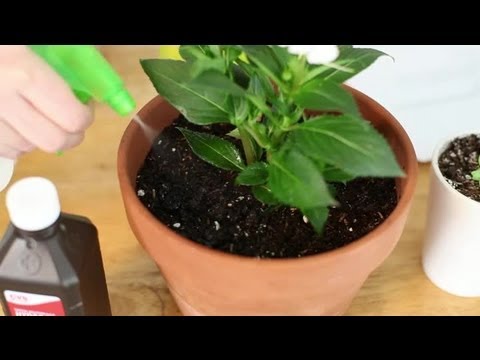
If you want to read more articles like How to Get Rid of Mold on Plant Soil Naturally? 10 Effective Tips and Remedies, we recommend you check out our Soil category.
Leave a Reply
Related Articles