How Deep Should Soil Be in a Greenhouse? Essential Depth Guide for Thriving Plants

In the world of greenhouse gardening, the depth of soil is a crucial yet often overlooked factor that can significantly impact plant growth and health. Understanding the ideal soil depth not only supports root development but also influences moisture retention and nutrient availability. This article will explore the essential guidelines for determining the appropriate soil depth in a greenhouse setting, ensuring that your plants have the best environment to thrive. Whether you're a seasoned gardener or a novice, knowing how deep to fill your containers or beds can make all the difference in achieving a vibrant and productive greenhouse.
How Deep Should Soil Be in a Greenhouse?
The ideal soil depth in a greenhouse typically ranges from 6 to 12 inches, depending on the types of plants being grown and their root structures. Shallow-rooted plants, such as greens and herbs, can thrive with a soil depth of around 6 inches, while deeper-rooted plants like tomatoes and peppers may require up to 12 inches to accommodate their root systems adequately. Proper soil depth is essential for ensuring sufficient nutrient availability, water retention, and root development, which ultimately affects plant health and productivity.
Factors Influencing Soil Depth
Several factors influence the required soil depth in a greenhouse, including the type of plants, their growth stages, and environmental conditions. For instance, younger plants may not need deep soil, whereas mature plants often require more space for their roots to expand. Additionally, if the greenhouse has a heating system or is situated in a cold climate, deeper soil can help maintain more stable temperature conditions for the roots.
Soil Composition
The composition of the soil is crucial in determining how deep it should be. A mixture of organic matter, sand, and clay provides the necessary structure and drainage. While a deeper soil mix may hold more nutrients, it is essential to ensure that the soil has the right balance of components to prevent compaction and maintain suitable aeration, which greatly affects plant growth.
Water Drainage Considerations
Effective water drainage is vital for greenhouse soil. If the soil is too shallow, it may lead to waterlogging, which can harm plant roots. Conversely, overly deep soil can retain too much moisture. A depth of 8 to 10 inches often strikes a balance, promoting proper drainage while still providing enough depth for root growth, though the specific requirements may vary by plant species.
Plant Rotation and Soil Health
Practicing crop rotation and maintaining soil health is key in a greenhouse. Soil depth should be managed according to the plants' nutrient requirements and growth patterns. Rotating crops and integrating cover crops can improve soil structure and fertility, allowing gardeners to adjust soil depth effectively based on the crops grown in each cycle, fostering a sustainable environment for future growth.
Testing and Monitoring Soil Depth
Regularly testing and monitoring soil depth is essential to optimize conditions in a greenhouse. Tools like soil probes can help determine the actual depth and condition of the substrate. Ensuring that the depth is consistent throughout the growing area allows for even moisture levels and nutrient distribution, which is crucial for healthy plant development.
| Soil Depth Recommendation | Plant Type |
|---|---|
| 6 inches | Herbs and Greens |
| 8 inches | Root Vegetables |
| 10 inches | Medium Root Plants |
| 12 inches | Tomatoes and Peppers |
Should a greenhouse have a dirt floor?

Benefits of a Dirt Floor in a Greenhouse
A dirt floor in a greenhouse can provide several benefits that contribute positively to the growing environment. It may enhance soil health and provide better drainage, vital for many types of plants. Here are some key advantages:
- Natural Soil Ecology: A dirt floor allows plants to interact with the natural soil ecosystem, which can support beneficial organisms.
- Moisture Retention: The dirt can retain moisture more efficiently, aiding in the regulation of humidity levels inside the greenhouse.
- Cost-Effective: Constructing a greenhouse with a dirt floor tends to be more economical compared to laying concrete or tiles.
Drawbacks of a Dirt Floor in a Greenhouse
While a dirt floor has its advantages, there are also drawbacks that need to be considered. These include issues related to maintenance and pests that can affect plant health. Here are some potential downsides:
- Pest Issues: A dirt floor can attract pests such as insects and rodents, posing risks to plants.
- Weed Growth: Weeds can take root in the dirt floor, requiring regular maintenance to keep them under control.
- Muddy Conditions: Overwatering can lead to mud, which can create a difficult working environment and potentially harm plant roots.
Alternatives to a Dirt Floor
If the disadvantages of a dirt floor are a concern, there are various alternatives to consider. Each alternative comes with its own benefits and trade-offs. Common options include:
- Concrete: A concrete floor provides solid support, reduces pest issues, and is easy to clean.
- Gravel: A gravel floor allows for good drainage while preventing mud, although it may require weeding.
- Tiles or Pavers: These materials can offer a cleaner appearance and easier maintenance, although they could be expensive.
Soil Management in a Dirt-Floored Greenhouse
Managing the soil effectively in a dirt-floored greenhouse is crucial for maintaining healthy plant growth. Proper management strategies can enhance the soil quality and mitigate potential issues. Key practices include:
- Regular Tilling: Frequently tilling the soil can help aerate it and promote better root growth.
- Addition of Organic Matter: Incorporating compost or organic fertilizers can improve soil fertility and structure.
- Soil Testing: Regular soil tests help monitor pH levels and nutrient content, enabling informed adjustments.
Best Practices for Constructing a Greenhouse with a Dirt Floor
When deciding to construct a greenhouse with a dirt floor, following best practices can optimize its functionality and plant health. Consider the following guidelines:
See also:
- Site Selection: Choose a well-draining location to minimize issues with excess moisture.
- Elevation: Elevate the greenhouse to prevent flooding during heavy rains.
- Plant Selection: Opt for hardy plants that are suited for the specific growing conditions of a dirt floor.
What is the ideal soil depth?

The ideal soil depth varies depending on the type of plants being cultivated and the specific environmental conditions. Generally, for healthy root development and optimal plant growth, a soil depth of at least 12 to 18 inches (approximately 30 to 45 cm) is recommended. In some cases, particularly for larger plants or trees, deeper soil (24 inches or more) may be necessary to accommodate extensive root systems. Adequate soil depth allows for better water retention, nutrient availability, and root aeration.
Importance of Soil Depth for Root Development
The depth of soil directly influences the root systems of plants, which are essential for water and nutrient uptake. Deeper soils typically provide:
- Access to Nutrients: Roots can reach nutrients at greater depths.
- Improved Water Retention: Deep soils can hold more water, reducing drought stress.
- Space for Growth: Ample depth allows roots to spread and stabilize plants.
Optimal Soil Depth for Different Crops
The required soil depth varies across different types of crops. For annual crops, a depth of 12-18 inches often suffices. However, for perennials like fruit trees, a depth of at least 24 inches is ideal to ensure sufficient nutrient access and stability.
- Shallow-rooted plants: Such as lettuce and herbs, require less depth.
- Medium-rooted plants: Such as tomatoes and peppers, thrive best in 12-18 inches.
- Deep-rooted plants: Such as trees and large shrubs, benefit from 24-36 inches of soil.
Factors Affecting Ideal Soil Depth
Various environmental factors can impact the ideal soil depth needed for optimal plant health. Considerations include:
- Soil Type: Sandy soils may require more depth for water retention than clay soils.
- Climate: Regions with low rainfall might benefit from deeper soils to hold moisture.
- Plant Type: Different plants have varying root depth requirements.
Impact of Soil Compaction on Depth
Soil compaction can alter the effective soil depth, negatively affecting root development. Compacted soils limit root expansion and water movement, leading to:
- Reduction in Root Growth: Roots struggle to penetrate compacted layers.
- Poor Water Drainage: Compacted soil may lead to flooding or limited moisture access.
- Decreased Nutrient Uptake: Compaction can hinder the access plants have to essential nutrients.
Strategies to Enhance Soil Depth
Improving soil depth and quality can promote better plant health. Strategies include:
- Amending Soil: Add organic matter to improve soil structure and depth.
- Using Raised Beds: Create elevated growing areas to increase soil depth.
- Regular Cultivation: Practice tilling methods that reduce compaction and promote aeration.
Is 12 inches deep enough for tomatoes?
12 inches can be considered a minimum depth for growing tomatoes, but it may not provide the optimal conditions for healthy growth and development. Tomatoes have relatively deep root systems, and a depth of 12 inches may restrict their ability to absorb nutrients and moisture effectively. Here are some critical factors to consider regarding the depth of soil when growing tomatoes.
Root Development
The root system of tomatoes can extend much deeper than 12 inches. A deeper planting medium allows for better root development and stability. Roots not only anchor the plant but also access nutrients and water from deeper soil layers.
- Tomato roots can go down 24 inches or more.
- A deeper soil layer allows for better water retention.
- Healthy root systems enable stronger plants and better yields.
Soil Nutrients
The depth of the soil directly influences the availability of nutrients needed for tomato plants to thrive. A deeper soil depth can support a more diverse range of microorganisms and better nutrient cycling, essential for the plants' growth.
- Deeper soil holds more organic matter, improving nutrient content.
- Nutrient depletion is slower in deeper soil layers.
- It allows for better interactions between roots and soil nutrients.
Water Retention
Tomatoes require consistent moisture, and soil depth plays a significant role in water retention. Deeper soil can help store more moisture, which is critical during dry spells or heat waves.
- 12 inches may not retain enough water for peak growth.
- Deep soil can maintain moisture levels longer between watering.
- Moisture availability supports healthy fruit development.
Drainage and Aeration
Good drainage and aeration are essential for tomato plant health. A depth of only 12 inches may sometimes lead to compacted soil, affecting root growth and leading to potential root rot.
See also:
- Compacted soil can restrict root expansion and hinder growth.
- Deeper soil promotes better airflow to the roots.
- Proper drainage prevents waterlogging, which is detrimental to tomatoes.
Container Gardening Considerations
When growing tomatoes in containers, soil depth requirements can vary. While 12 inches may suffice, selecting larger containers can lead to better results.
- Larger containers allow for better root expansion.
- They can hold more soil, improving moisture and nutrient retention.
- Containers over 12 inches deep can accommodate larger varieties of tomatoes.
How deep does an in-ground greenhouse need to be?
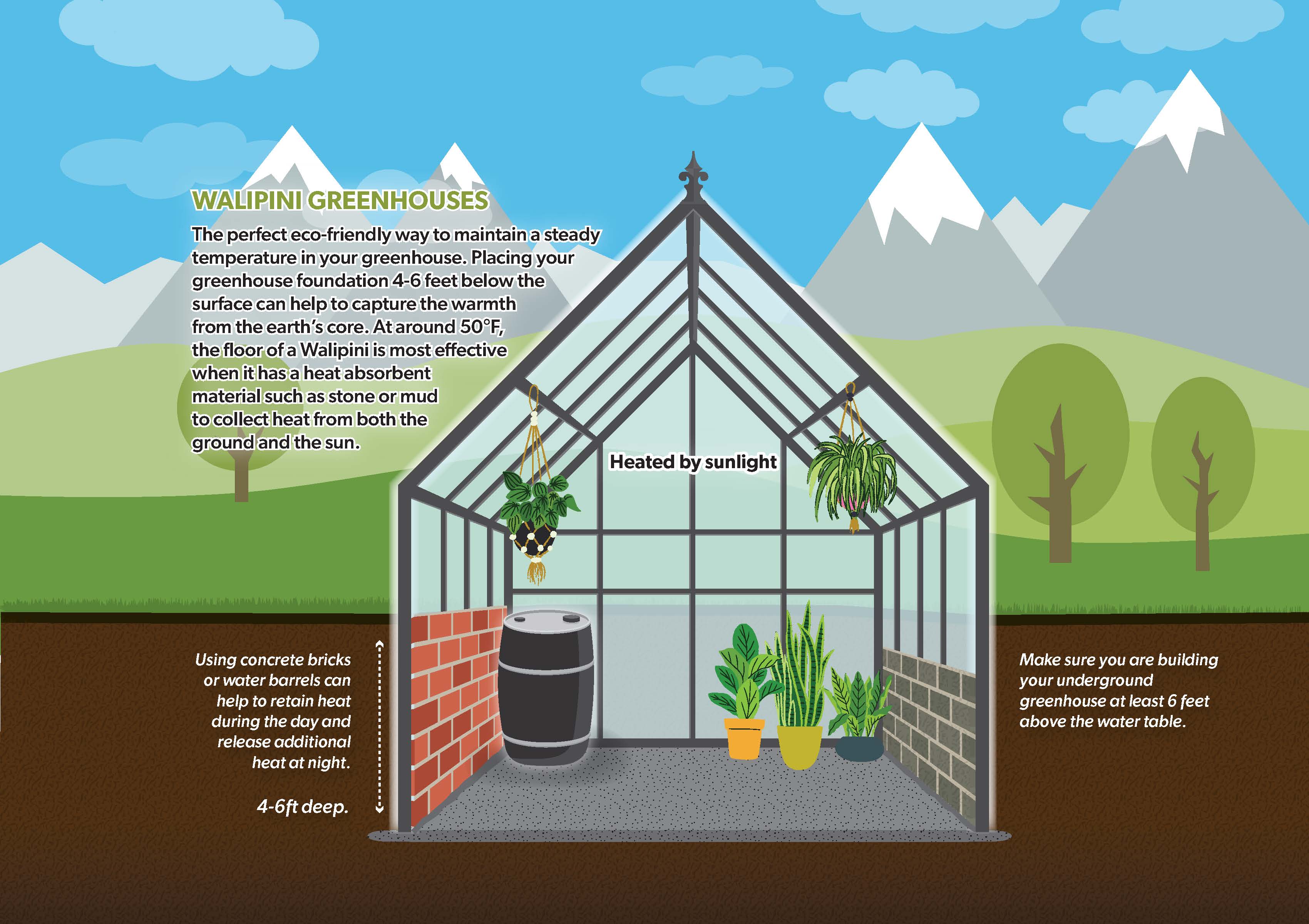
To determine how deep an in-ground greenhouse should be, several factors come into play, including climate, soil type, and plant requirements. Generally, the recommended depth for an in-ground greenhouse is between 2 to 4 feet. This depth allows for adequate soil temperature stabilization, moisture retention, and root development.
In colder climates, deeper greenhouses may be advantageous for insulation, keeping plants warmer during winter months. However, in warmer climates, a shallower depth may suffice, as excessive heat can become an issue in deep soil structures. Additionally, considering local building codes and drainage requirements is crucial, as these can influence the overall depth and construction of the greenhouse.
Climate Considerations
The climate in which your in-ground greenhouse is located significantly impacts how deep it should be.
- Colder climates benefit from deeper greenhouses to maintain consistent soil temperatures.
- Warmer climates may require shallower construction to prevent overheating.
- Microclimates can also affect depth; local weather patterns should be taken into account.
Soil Type Effects
The type of soil present at your site can influence the depth of your in-ground greenhouse.
- Well-draining sandy soils may not need to be as deep compared to dense clay soils.
- Soil composition affects moisture retention and root penetration, which can help dictate the ideal depth.
- Testing the soil can help understand its capacity and influence decisions related to greenhouse depth.
Plant Requirements
Different types of plants have distinct root systems that necessitate varying depths.
- Deep-rooted plants require more depth, often needing at least 3-4 feet for optimal growth.
- Shallow-rooted plants may thrive in shallower depths, possibly just 2 feet.
- Understanding the specific needs of your plants can help tailor the greenhouse's depth accordingly.
Drainage Control
Proper drainage is critical in any greenhouse to prevent waterlogging, which can affect plant health.
- In-ground greenhouses should incorporate adequate drainage solutions, which may influence how deep they are dug.
- Setting the greenhouse at a slight slope can facilitate better water runoff, potentially altering depth requirements.
- Consulting with a landscape professional can provide insights into effective drainage management.
Construction Guidelines
Local building codes and guidelines can also dictate how deep an in-ground greenhouse needs to be.
- Some regions mandate specific depths based on frost lines to ensure structural integrity.
- Building permits may require adherence to local regulations, which can include drainage and depth specifications.
- Consulting with local authorities or agricultural extensions can help in understanding these requirements.
Questions from Our Readers
How deep should the soil be in a greenhouse?
The ideal soil depth in a greenhouse typically ranges from 12 to 18 inches. This depth allows for adequate root growth and nutrient availability for most plants. However, specific plants may require adjustments in depth depending on their root systems.
What factors influence soil depth in a greenhouse?
Several factors can influence the appropriate soil depth, including the type of plants being grown, the water retention capacity of the soil, and the drainage characteristics. Understanding these factors will help optimize plant health and growth.
Can I use raised beds in my greenhouse for soil depth?
Yes, using raised beds is a popular method to achieve the correct soil depth in a greenhouse, as they can easily be adjusted to provide the necessary depth while improving drainage and aeration. This setup is often beneficial for root development and overall plant health.
What types of soil are best for greenhouses?
The best types of soil for greenhouses are those that provide good drainage and nutrient availability, such as potting mixes or loamy soils. It's essential to choose a soil that retains some moisture while allowing excess water to drain away, promoting healthy root systems.
See also:

If you want to read more articles like How Deep Should Soil Be in a Greenhouse? Essential Depth Guide for Thriving Plants, we recommend you check out our Soil category.
Leave a Reply
Related Articles