Do I Need a Foundation for a Greenhouse? Essential Considerations for Your Gardening Project

When embarking on a gardening project involving a greenhouse, one of the first questions you may encounter is whether or not you need a foundation. The decision to establish a solid base can significantly influence the overall success and longevity of your greenhouse. This article explores essential considerations—such as the type of greenhouse, local climate conditions, and soil stability—to help you determine the best foundation approach for your project. By understanding the importance of a foundation, you can ensure that your greenhouse remains a productive sanctuary for plants year-round.
Do I Need a Foundation for a Greenhouse?
Building a greenhouse typically requires a foundation, but the type and necessity of that foundation can depend on various factors such as your local climate, the size of the greenhouse, and the materials used. A solid foundation offers stability, helps manage soil moisture, and can facilitate easier access to utilities like electricity and water. Whether you choose a concrete pad, wooden frame, or simply anchoring the greenhouse to the ground, the foundation you establish plays a critical role in protecting your plants and ensuring the structure's longevity.
Benefits of a Greenhouse Foundation
A robust foundation for your greenhouse provides multiple benefits, including enhanced structural integrity, improved insulation, and better ventilation control. By having a stable base, you minimize the risks of movement or collapse due to wind or heavy snow, which can be critical in harsher climates. Additionally, a foundation can help keep pests and weeds from invading your greenhouse while also allowing for easier drainage and moisture management within the growing area.
Types of Foundations for Greenhouses
There are several types of foundations to consider when building a greenhouse, including concrete slabs, treated wood frames, and gravel beds. Concrete slabs are among the most durable options, providing excellent stability and longevity. Treated wood frames offer a more cost-effective solution but may require more maintenance over time. Gravel beds can be useful for smaller, lighter greenhouses where earth anchoring is sufficient, although they may not provide the same level of protection against pests and extreme weather conditions.
Considerations for Your Greenhouse Location
When deciding if you need a foundation for your greenhouse, it's crucial to assess your location. Areas with unstable soil, high winds, or heavy rainfall may require a more secure foundation to ensure that the greenhouse remains intact and functional year-round. Furthermore, factors like drainage, sunlight, and accessibility will influence the best foundation type for your specific circumstances, making site analysis essential before beginning construction.
Cost Implications of Building a Foundation
The cost of creating a foundation for your greenhouse can vary widely depending on the chosen materials and local labor rates. Concrete foundations are typically the most expensive option, whereas wooden frames may present a more budget-friendly alternative. Nonetheless, investing in a sturdy foundation may save money in the long run by reducing maintenance and potential damage costs caused by environmental factors. It is important to compare the initial investment with your long-term gardening goals and local conditions to determine the best approach.
Regulatory and Permitting Issues
Before constructing a greenhouse and its foundation, it's essential to check local zoning laws and building codes to ensure compliance. Some regions may require a building permit based on the size and intended use of the greenhouse. Understanding these regulations can guide your decisions regarding both the greenhouse's design and its foundation, helping to avoid potential fines or construction delays later on.
| Foundation Type | Cost | Durability | Maintenance |
|---|---|---|---|
| Concrete Slab | High | Very Durable | Low |
| Treated Wood Frame | Medium | Moderately Durable | Medium to High |
| Gravel Bed | Low | Low to Moderate | Medium |
Can a greenhouse sit on gravel?
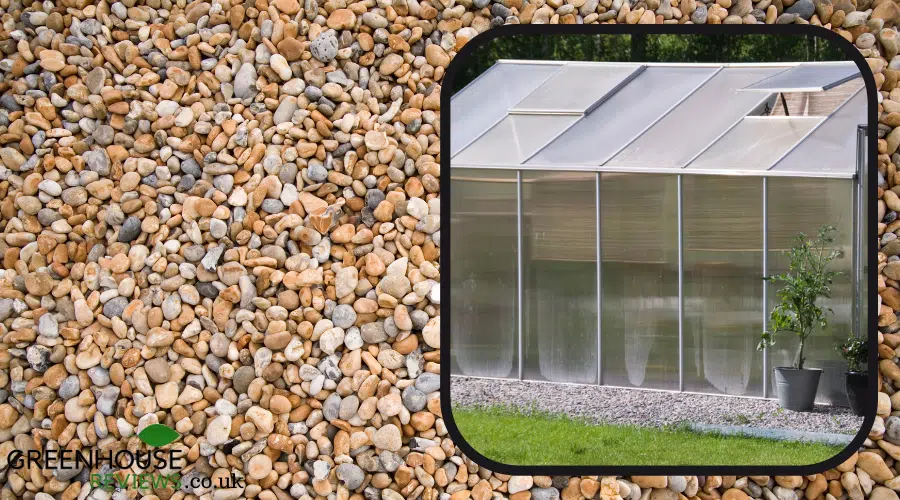
Yes, a greenhouse can sit on gravel. Gravel provides a stable and well-drained base for a greenhouse, which is essential for maintaining the right environment for plants. A gravel base allows excess water to drain away, preventing issues like waterlogging, which can harm plant roots. Moreover, gravel can help control weeds and provide a clean appearance around the greenhouse. However, there are some important factors to consider when placing a greenhouse on gravel.
Advantages of Using Gravel for Greenhouse Foundation
Gravel has several benefits when used as a foundation for a greenhouse:
- Drainage: Gravel permits excellent drainage, ensuring that plants do not suffer from waterlogged soil.
- Weed Control: A layer of gravel discourages weed growth, thus reducing competition for nutrients and moisture.
- Stability: Gravel provides a durable and solid surface, which can support the weight of the greenhouse structure.
Disadvantages of Gravel as a Greenhouse Base
While gravel has many advantages, there are also some downsides:
- Temperature Regulation: Gravel can retain heat during the day, but may not provide enough insulation at night, leading to temperature fluctuations.
- Maintenance: Over time, gravel can become compacted or require replenishment, necessitating further maintenance.
- Leveling Issues: Uneven gravel can result in an unstable structure, making it essential to ensure the surface is adequately leveled before installation.
How to Prepare Gravel for a Greenhouse Installation
Preparing gravel properly is crucial for the success of your greenhouse:
See also:
- Choose the Right Gravel: Use crushed stone or a similar gravel type that compacts well and provides excellent drainage.
- Clear the Site: Remove any vegetation, roots, or debris from the chosen location to ensure a clean foundation.
- Create a Level Base: Level the gravel surface before placing the greenhouse to ensure it sits evenly and securely.
Alternatives to Gravel for Greenhouse Foundations
Although gravel is beneficial, some alternatives might suit different needs:
- Concrete Slabs: Provide a very stable and level base but can be costly and less forgiving in terms of drainage.
- Soil and Tilling: Can be effective for smaller greenhouses but may require more management for drainage and weed control.
- Wooden Frames: Create a defined area for the greenhouse, though they may not provide adequate drainage on their own.
Recommendations for Greenhouse Placement on Gravel
When installing a greenhouse on gravel, consider these best practices:
- Location: Choose a spot that receives adequate sunlight while being shielded from strong winds.
- Orientation: Place the greenhouse to maximize natural light and reduce shading from nearby obstacles.
- Accessibility: Ensure easy access for maintenance, watering, and harvesting by planning pathways around the greenhouse.
Should a greenhouse have a floor or no floor?

Benefits of Having a Floor in a Greenhouse
Having a floor in a greenhouse can provide several advantages that enhance both plant growth and management. A solid floor can help in temperature regulation and reduce weed growth.
- Weed Control: A floor can significantly reduce weed growth, making it easier to manage the greenhouse environment.
- Temperature Regulation: A solid floor can contribute to thermal mass, aiding in maintaining a stable temperature.
- Ease of Maintenance: Floors can facilitate easier cleaning and maintenance, promoting a healthier growing environment.
Disadvantages of Having a Floor in a Greenhouse
While there are benefits, having a floor in a greenhouse can also present some drawbacks, particularly related to soil health and drainage.
- Soil Drainage Issues: A solid floor may inhibit natural drainage, potentially leading to waterlogged conditions.
- Soil Health: If the floor does not allow for soil exchange, it may negatively impact soil health over time.
- Pest Accumulation: Floors can create areas for pests to hide and breed, complicating pest management.
Alternative Options for Flooring in Greenhouses
For those who prefer not to have a fully solid floor, there are alternative flooring options that can be beneficial. These can provide the necessary support while maintaining some level of natural interaction with the soil.
- Gravel or Stone: Using gravel can improve drainage while still providing a stable walking surface.
- Wooden Slats: Raised wooden slats can allow for drainage and help prevent soil compaction.
- Plastic or Rubber Matting: These materials offer a balance of stability and drainage, making them a popular choice.
Considerations for No Floor in a Greenhouse
Choosing not to install a floor in a greenhouse can also be beneficial, particularly for certain types of plants and gardening methods. This approach often aims to maximize soil health and foster a natural ecosystem.
- Natural Soil Conditions: Without a floor, plants benefit from natural soil conditions, allowing for better root growth.
- Microbial Activity: A direct connection with the ground promotes microbial activity that aids in nutrient cycling.
- Improved Drainage: Absence of a floor typically leads to better drainage and less risk of waterlogging.
Conclusion on Floor vs. No Floor Considerations
When deciding between having a floor or no floor in a greenhouse, it's essential to weigh the pros and cons according to specific needs and growing conditions. Understanding the environmental impact, plant requirements, and management preferences will help guide this decision effectively.
- Evaluate Plant Needs: Different plants may require distinct growing environments, influencing the flooring choice.
- Consider Climate: Local climate conditions can impact the effectiveness of flooring options.
- Management Preferences: Consider how much time and effort you are willing to invest in maintaining the greenhouse environment.
What should I put under my greenhouse?
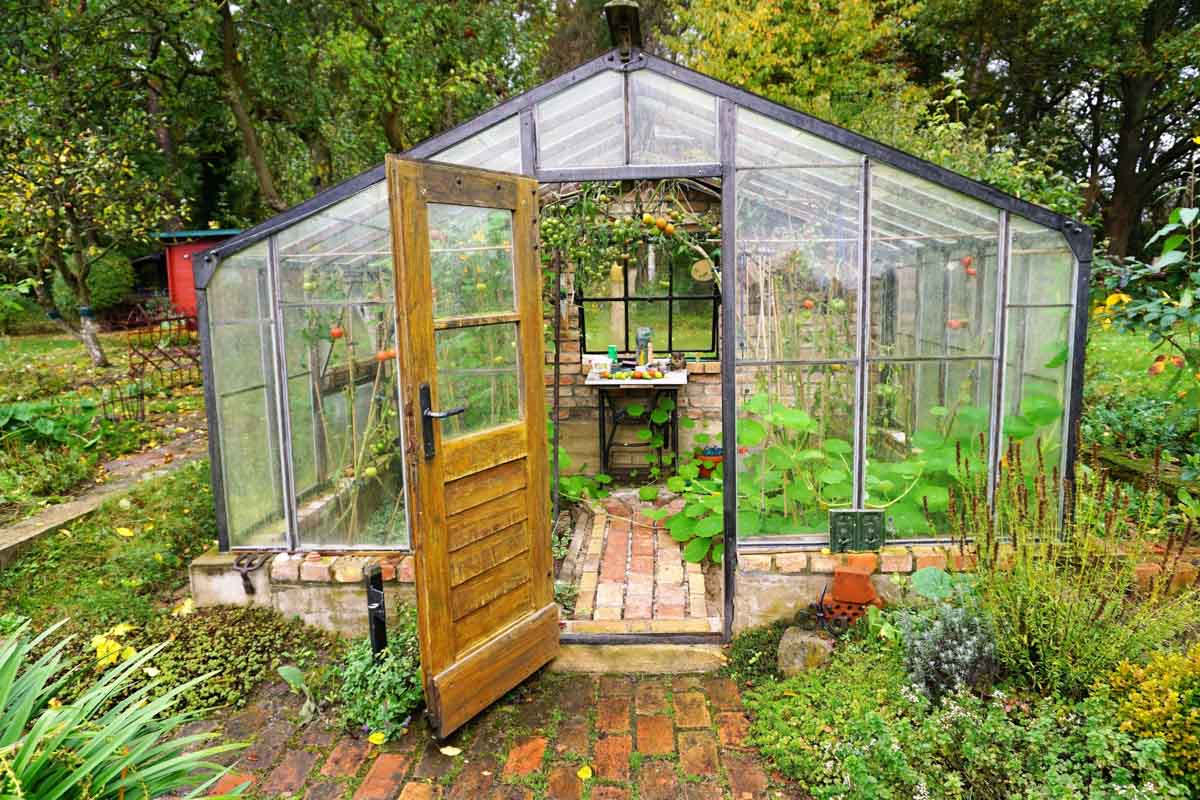
To determine what you should put under your greenhouse, it is essential to consider a variety of factors, including drainage, warmth, and weed control. The right base will not only support the structure but also enhance the growth environment for your plants. Below are some options you can consider for the ground beneath your greenhouse.
1. Gravel
Using gravel as a base under your greenhouse offers excellent drainage properties. This prevents water accumulation, reducing the risk of root rot in your plants. Additionally, gravel can effectively control weeds.
- Facilitates water drainage.
- Reduces weeds significantly.
- Provides a stable foundation for paths.
2. Concrete Slab
A concrete slab is another popular choice for greenhouse flooring. It provides durability and is easy to clean, helping to maintain a tidy space. However, it is crucial to ensure water can drain away from the concrete to prevent waterlogging.
See also:
- Durable and long-lasting.
- Simple maintenance and cleaning.
- Offers a level surface for plants and equipment.
3. Compacted Soil
Using compacted soil beneath your greenhouse can be an ideal option for those looking to create a more natural environment. Healthy soil promotes microbial activity, which benefits plant growth.
- Improves drainage if mixed with organic matter.
- Encourages microbial life.
- Allows for easy planting directly into the ground.
4. Pavers or Flagstones
Installing pavers or flagstones can provide both aesthetic and functional benefits to your greenhouse flooring. These materials create defined paths while allowing for drainage between the stones.
- Creates attractive walkways.
- Allows for water permeability.
- Reduces soil erosion in high-traffic areas.
5. Wood Chips or Mulch
Using wood chips or mulch as a base can create a natural-looking floor while helping to retain moisture in the soil. It also suppresses weed growth and improves temperature regulation within the greenhouse.
- Helps with soil moisture retention.
- Acts as a natural weed barrier.
- Adds organic matter as it decomposes.
Should a greenhouse have a concrete base?

A greenhouse can benefit significantly from having a concrete base, but it ultimately depends on various factors including location, greenhouse size, and intended use. The advantages of a concrete base include stability, weed control, and ease of maintenance. A concrete foundation helps anchor the greenhouse, preventing shifting due to wind or heavy rains. Additionally, it provides a solid surface that can deter pests and pests, which can be beneficial for plant health.
Benefits of a Concrete Base
Having a concrete base for a greenhouse offers several advantages:
- Stability: A concrete base offers excellent stability, preventing the structure from moving during severe weather.
- Durability: Concrete is a long-lasting material, making your greenhouse stronger and more resilient to the elements.
- Easy Maintenance: A concrete floor is easier to clean than soil or gravel, which can harbor weeds and pests.
Preventing Weeds and Pests
A concrete base plays a crucial role in preventing weeds and protecting plants from pests:
- Weed Control: With a solid foundation, weeds are less likely to invade the greenhouse, making it easier for plants to thrive.
- Pest Deterrence: The impervious surface of concrete can act as a barrier against certain ground-dwelling pests.
- Clean Environment: Concrete allows for better sanitation, reducing the risk of disease and infestation.
Drainage Considerations
Proper drainage is essential in greenhouse management, and a concrete base can facilitate this:
- Controlled Environment: A well-planned drainage system prevents water from accumulating, which can lead to root rot and other issues.
- Water Management: Concrete can direct excess water away from the structure, ensuring a healthier environment for plants.
- Design Flexibility: With appropriate drainage channels, you can customize how water is managed around your greenhouse.
Cost and Labor Considerations
Building a greenhouse with a concrete base involves financial and labor investments:
- Initial Costs: Concrete may require a higher initial expenditure compared to other foundation types, but the long-term benefits can outweigh this cost.
- Labor Intensive: Installing a concrete base often requires professional assistance, depending on the size and complexity.
- Time Investment: Preparing and curing concrete takes time, delaying the overall greenhouse installation process.
Alternatives to Concrete Bases
While a concrete base has its advantages, there are also viable alternatives:
- Gravel: A gravel base allows for good drainage and is easier to install and remove.
- Soil: A simple soil foundation can support smaller greenhouses, especially in stable climates.
- Concrete Blocks: Using concrete blocks may offer a more flexible and less permanent solution than a full slab.
Questions from Our Readers
Do I need a foundation for a greenhouse?
According to expert recommendations, a foundation is not always required for a greenhouse, but it can provide benefits such as improved stability and leveling. A solid foundation can help to protect against ground movement and facilitate the installation of utilities.
What are the benefits of having a foundation for my greenhouse?
Having a foundation can enhance the overall longevity of your greenhouse by protecting it from moisture accumulation and preventing weeds from entering. Additionally, it can make it easier to maintain a consistent temperature and humidity level inside.
See also:
What types of foundations can I use for a greenhouse?
There are several options for greenhouse foundations, including concrete, wooden frames, or even gravel. Each type has its own advantages, with concrete providing maximum sturdiness, while gravel allows for good drainage and is often easier to install.
Can I build a greenhouse without a foundation?
Yes, it is possible to build a greenhouse without a foundation, particularly if it is a smaller, portable structure. However, you may need to consider factors like wind resistance and how to prevent the greenhouse from sinking or shifting over time.

If you want to read more articles like Do I Need a Foundation for a Greenhouse? Essential Considerations for Your Gardening Project, we recommend you check out our Garden category.
Leave a Reply
Related Articles