Can You Plant Potatoes and Carrots Next to Each Other? A Complete Guide to Companion Planting
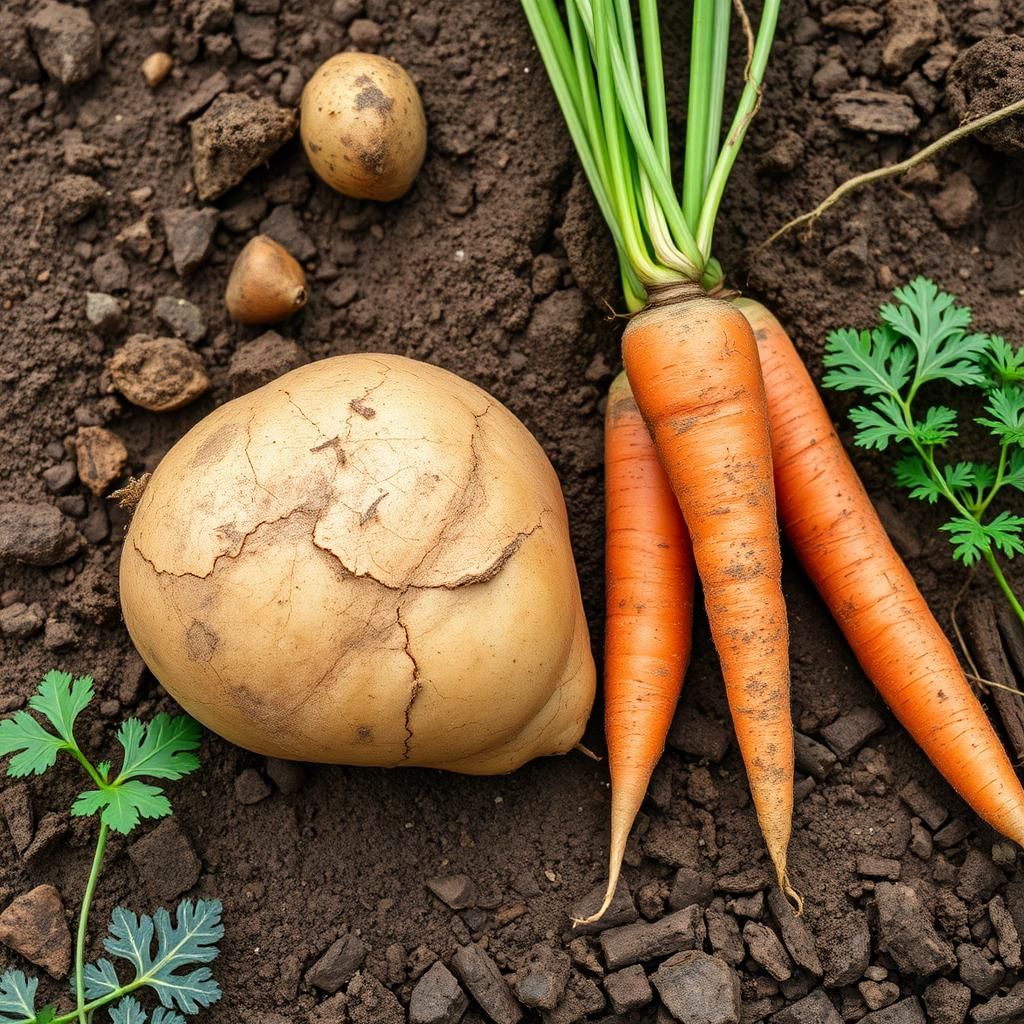
Companion planting is an age-old gardening technique that can enhance the growth and health of your crops. Among the many plant pairings, the question arises: can you plant potatoes and carrots next to each other? This guide delves into the benefits and potential drawbacks of intercropping these two popular vegetables. By understanding their growth habits, nutrient requirements, and pest management strategies, gardeners can make informed decisions to maximize yields and promote a thriving garden environment. Join us as we explore the intricacies of planting potatoes and carrots together, ensuring your garden flourishes with harmonious vitality.
Can You Plant Potatoes and Carrots Next to Each Other?
Yes, you can plant potatoes and carrots next to each other, as they are generally compatible companions in the garden. The two crops have different nutrient needs and growth habits, which helps reduce competition for resources. Potatoes grow above ground and their foliage shades the soil, which can help retain moisture for the carrots that develop underground. However, it’s essential to keep in mind that potatoes can attract certain pests, such as potato beetles, which may indirectly affect carrots. Ensuring proper spacing and maintaining healthy plants will promote a successful garden plot.
Benefits of Planting Potatoes and Carrots Together
One of the primary benefits of planting potatoes and carrots together is the use of space efficiently in a limited gardening area. By planting these two crops in proximity, gardeners can maximize their yield since each plant type utilizes different layers of soil resources. Additionally, the foliage of potatoes provides shade to the soil, helping to reduce the risk of soil erosion and moisture loss, which is particularly beneficial for the slower-growing carrots developing below.
Pest Management Considerations
While potatoes and carrots can thrive together, it is crucial to consider pest management. Potatoes are susceptible to specific pests, such as the Colorado potato beetle, which might affect nearby crops. To manage this risk, gardeners should monitor their potato plants for signs of pests and employ organic pest control methods, such as introducing beneficial insects or using neem oil, to minimize damage and protect neighboring carrot plants.
Soil and Nutrient Requirements
Potatoes and carrots have different soil requirements and nutrient needs. Potatoes prefer loose, well-drained soil rich in organic matter, while carrots thrive in sandy or loamy soils that allow for deep root development. It’s essential to amend your soil with compost or well-rotted manure before planting to ensure both crops receive the necessary nutrients for healthy growth. Testing the soil pH is also advisable, as potatoes prefer a slightly acidic to neutral pH (6.0 to 7.0) whereas carrots can tolerate a slightly wider range.
See also:
Growth Habit and Spacing
Understanding the growth habit of both crops is crucial when planting them together. Potatoes develop bushy tops while carrots grow low to the ground. This means that careful spacing is important to avoid overcrowding, which can stunt growth and air circulation. Ideally, potatoes should be planted about 12 inches apart, while carrots can be sown in rows spaced approximately 2 to 3 inches apart, allowing enough room for each plant to flourish without competing for sunlight.
Harvesting Considerations
Harvesting timing is another factor to consider when planting potatoes and carrots together. Potatoes generally take around 70 to 120 days to mature, depending on the variety, while carrots can take 60 to 80 days. This difference in maturity allows for a staggered harvesting schedule, where gardeners can first harvest the potatoes and then leave the carrots to mature further. However, care should be taken not to damage the carrots when digging up the potatoes, so using a spading fork instead of a shovel can be beneficial.
| Crop | Planting Depth | Maturity Time | Spacing Recommendations |
|---|---|---|---|
| Potatoes | 3-4 inches | 70-120 days | 12 inches apart |
| Carrots | 1/4 - 1/2 inch | 60-80 days | 2-3 inches apart |
Understanding the Benefits and Challenges of Planting Potatoes and Carrots Together
Planting potatoes and carrots next to each other can be a rewarding practice in companion planting, as both have different root structures and nutrient needs. However, it's important to recognize potential challenges; for instance, potatoes can attract pests like Colorado potato beetles that may also affect carrots. Additionally, the growth habits of these plants differ, with potatoes requiring more space and nutrients, which can lead to competition for resources. Understanding their growth patterns and pest management can help achieve a successful garden harvest.
Benefits of Companion Planting
Companion planting offers numerous benefits. When potatoes and carrots are planted together, they can utilize the soil nutrients more efficiently, with carrots benefiting from the shade provided by taller potato plants. Furthermore, these plants can create a microclimate that helps maintain soil moisture and temperature, which is essential for both crops as they develop. Combined planting can also promote biodiversity, attracting beneficial insects that help control pests.
Pest and Disease Management
One of the primary considerations in companion planting is pest and disease management. While potatoes can be susceptible to pests, carrots are relatively pest-resistant. That said, planting them together can influence pest dynamics. For instance, the aroma of carrots may deter certain pests from attacking potatoes. Conversely, it's crucial to monitor for diseases like blight, which can affect potatoes, potentially harming nearby carrots. Keeping a close watch on plant health can mitigate these risks.
See also:
Soil Conditions and Nutrient Requirements
Understanding the soil conditions and nutrient requirements of both plants is essential for successful growth. Potatoes thrive in well-drained, loamy soil enriched with organic matter, while carrots prefer deep, loose soil that allows for proper root development. Avoiding over-fertilization with nitrogen is crucial, as it can lead to excessive foliage and poor root quality in both crops. Balancing these needs will help ensure each plant receives its fair share of nutrients.
Harvesting Timelines
The timing of harvest is another important consideration when planting potatoes and carrots together. Potatoes generally require about 70-100 days to mature, while carrots take about 60-80 days. This means that gardeners will need to plan their planting schedules effectively to ensure that both crops can be harvested at their peak without interfering with each other. Staggering the planting times can help maximize the yield and quality of both crops.
Watering and Maintenance Practices
Proper watering and maintenance practices are crucial for the success of companion planting. Potatoes need consistent moisture, especially during tuber formation, whereas carrots prefer a bit less water but still require regular irrigation. Gardeners should aim for a balance, ensuring that both plants receive adequate hydration without waterlogging the soil. Mulching can also help conserve moisture and suppress weeds, benefiting both crops throughout their growth cycle.
Questions from Our Readers
Can you plant potatoes and carrots next to each other?
Yes, you can plant potatoes and carrots next to each other, as they do not compete for the same nutrients and can benefit from being in close proximity. However, it is essential to monitor for any pest issues that might arise from growing them together.
What are the benefits of planting potatoes and carrots together?
Planting potatoes and carrots together can lead to better crop rotation and efficient use of space in your garden. Additionally, the aromas released by one plant can help to deter pests that might affect the other.
See also:
Are there any downsides to planting these two crops together?
While potatoes and carrots can be planted together, one potential downside is that potatoes might overshadow carrots if not spaced properly, leading to insufficient light for the carrots to grow effectively.
What is the ideal spacing when planting potatoes and carrots together?
It is recommended to space potatoes at least 12 inches apart and carrots about 2-4 inches apart to ensure sufficient room for growth while preventing overcrowding, which can lead to disease and pest problems.

If you want to read more articles like Can You Plant Potatoes and Carrots Next to Each Other? A Complete Guide to Companion Planting, we recommend you check out our Garden category.
Leave a Reply
Related Articles