Can Peppers Be Planted Next to Garlic? Discover the Best Companion Planting Tips!

Companion planting is a time-tested gardening technique that can enhance crop yields and promote healthier plants. One common question among gardeners is whether peppers can be planted next to garlic. This intriguing pairing raises considerations around pest control, growth habits, and nutrient sharing. In this article, we'll explore the benefits and potential drawbacks of planting these two crops together, providing practical tips to optimize your garden's layout. Discover how to make the most of your space while nurturing a thriving ecosystem that supports both peppers and garlic. Join us as we unravel the secrets of successful companion planting!
Can Peppers Be Planted Next to Garlic?
Planting peppers next to garlic is generally considered a compatible pairing in the garden, as garlic has natural pest-repelling properties that can benefit the pepper plants. Garlic emits compounds that deter common pests such as aphids and spider mites, which can help ensure a healthier growth environment for peppers. Additionally, both plants have similar soil and watering requirements, making it easier to manage their care together. However, it is important to note that both should be monitored for space, as they can compete for nutrients if not properly spaced out.
Benefits of Planting Peppers and Garlic Together
Planting peppers and garlic together offers several benefits that enhance plant health and yield. Since garlic is known for its pest-repelling abilities, it protects peppers from harmful insects, reducing the need for chemical pesticides. Additionally, garlic can improve the overall soil quality by attracting beneficial insects and microbes, fostering a balanced ecosystem in the garden. The two plants have different growth rates, allowing for optimal space utilization in the garden, which can lead to higher overall productivity.
Soil and Watering Requirements
Both peppers and garlic thrive in well-drained, loamy soil rich in organic matter. They prefer a slightly acidic to neutral pH level, ideally between 6.0 and 7.0. Watering should be consistent but moderate, as both plants do not flourish in overly saturated soil. This means that gardeners should aim for regular but not excessive watering to maintain the right moisture balance. Overwatering can cause root rot and other issues, so monitoring soil moisture is crucial for the health of both crops.
Pest Management with Garlic
Garlic serves as a natural pesticide in the garden due to its ability to produce sulfur compounds, which are unappealing to many harmful insects. By planting garlic alongside peppers, gardeners can create a protective barrier against pests like aphids, whiteflies, and beetles. This natural pest management practice can reduce the need for chemical interventions, providing a more sustainable approach to gardening. Moreover, the aroma of garlic can mask scents that attract pests, further protecting pepper plants.
Spacing Considerations
When planting peppers and garlic, proper spacing is essential to avoid competition for nutrients and light. Peppers typically require about 18 to 24 inches of space between plants, while garlic should be planted 4 to 6 inches apart in rows spaced about 12 inches apart. Ensuring adequate spacing not only allows both plants to access essential resources but also improves airflow, reducing the risk of fungal diseases. Careful planning regarding their layout in the garden can lead to optimal growth for both crops.
Harvesting Timeframes
The harvesting times for peppers and garlic differ significantly, as peppers generally mature faster than garlic. Peppers can be harvested approximately 70 to 90 days after planting, depending on the variety, while garlic usually requires about 8 to 9 months before it’s ready to be harvested. This difference in timeframes allows gardeners to take advantage of the growing season, as they can start harvesting peppers while still nurturing the longer-growing garlic. This staggered harvesting can make garden management smoother and more efficient.
| Plant | Harvest Time | Spacing Requirements | Pest Management |
|---|---|---|---|
| Peppers | 70 - 90 days | 18 - 24 inches apart | Pest-repelling when paired with garlic |
| Garlic | 8 - 9 months | 4 - 6 inches apart | Natural pest repellent |
Can I plant peppers next to garlic?
:strip_icc()/Best-Garlic-Companion-Plants-to-Grow-Together-0GHJ8eQ1qJO8lTRdr6yJB3-3fe36ae60609497e8167ebe37d87b0b2.jpg)
Yes, you can plant peppers next to garlic. In fact, garlic is known to have beneficial properties that can positively impact the growth of peppers. While there are some plants that may not thrive well when planted near each other due to competition for nutrients, garlic and peppers generally coexist harmoniously.
Benefits of Planting Peppers Next to Garlic
Benefits of Planting Peppers Next to Garlic
Garlic can provide several benefits when planted near peppers. Its natural properties can contribute to a healthier garden environment.
- Pest Deterrence: Garlic is known for its ability to repel pests and insects that could harm nearby plants, including peppers. This can lead to a reduced need for chemical pesticides.
- Enhanced Growth: The compounds produced by garlic can help boost the immune system of nearby plants, potentially leading to improved growth rates and yields in peppers.
- Soil Health: Garlic can improve the soil quality, which can benefit the peppers by providing essential nutrients and enhancing soil microbial activity.
Companions for Garlic and Peppers
Companions for Garlic and Peppers
When planting garlic and peppers together, consider other companion plants that can enhance the growing conditions for both.
- Basil: This herb pairs well with peppers by improving their flavor and attracting beneficial insects.
- Spinach: A leafy vegetable that provides some shade, which can be beneficial for growing peppers in hot climates.
- Tomatoes: Both peppers and tomatoes are in the same family (Solanaceae) and can thrive together when properly spaced.
Considerations for Growing Together
See also:
Considerations for Growing Together
While garlic and peppers generally grow well together, there are a few considerations to keep in mind to ensure a successful garden.
- Spacing: Ensure that you provide adequate spacing between garlic and peppers to prevent overcrowding and competition for resources.
- Soil Requirements: Both plants have similar soil needs, but make sure the soil is well-draining and rich in organic matter to support their growth.
- Sunlight: Both garlic and peppers require full sun, so plant them in an area that receives at least 6-8 hours of sunlight daily.
Potential Challenges
Potential Challenges
Even though planting garlic next to peppers usually yields positive results, there are some potential challenges to be aware of.
- Timing: Plant garlic in the fall and peppers in the spring to ensure that their growth cycles do not interfere with each other.
- Pest Attraction: While garlic repels many pests, it can attract certain insects like allium leaf miners. Monitor regularly for any infestations.
- Nutrient Competition: If soil nutrients are limited, there may be competition for nutrients. Regularly enrich the soil to avoid deficiencies.
Harvesting and Maintenance
Harvesting and Maintenance
Proper harvesting and upkeep of both plants are crucial for maximizing yield and plant health.
- Watering: Ensure both garlic and peppers receive adequate water, especially during dry spells. Avoid overwatering as it can lead to root rot.
- Fertilization: Use organic fertilizers to support both the garlic and peppers, ensuring nutrient availability during peak growing periods.
- Harvest Timing: Harvest each plant at its peak maturity – garlic when the leaves start to yellow and peppers when they reach the desired color and size.
What should you not plant near garlic?
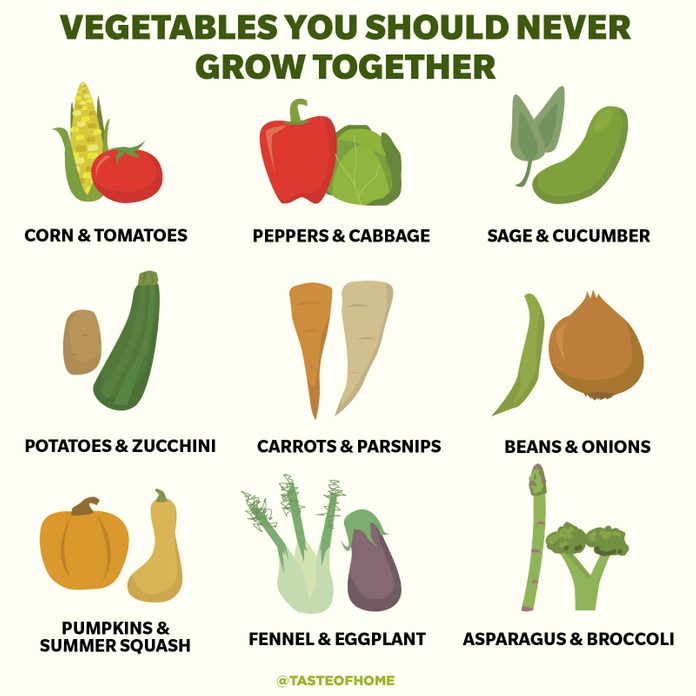
Garlic is a popular and beneficial plant in many gardens, but it does not thrive well when planted near certain other plants. No matter the garden's design, recognizing which plants to avoid near garlic can improve overall health and yield. Here are some plants you should not plant near garlic:
Onions
Garlic and onions belong to the same family (Allium) and can compete for resources, affecting their growth negatively. Planting them together can lead to poor quality and lower yields for both crops.
- Both plants require similar nutrients, leading to competition.
- Pest problems may amplify if both are planted close to one another.
- Allium plants can stunt each other's growth, reducing overall harvest.
Beans
Beans are sensitive to the compounds that garlic emits, which can inhibit their growth. Planting beans near garlic can lead to poor germination and overall health of the bean plants.
- Garlic can release certain compounds that are detrimental to beans.
- Pest attraction may increase due to weak bean plants.
- Growth competition for available nutrients in the soil.
Asparagus
Asparagus can struggle when planted near garlic due to their differing growth requirements and the allelopathic properties of garlic. Asparagus needs a different nutrient profile and space compared to garlic.
- Garlic can limit asparagus yield and growth rate.
- Soil health can deteriorate as both plants have different needs.
- Potential increased disease problems if both plants share space.
Herbs
Certain herbs, including sage and basil, do not thrive when planted near garlic due to allelopathy, which can suppress their growth. Moreover, herbs often require different moisture levels.
- Garlic can affect the flavor and growth of nearby herbs.
- Different water and nutrient needs can lead to stress on both plants.
- Herbs may attract unwanted pests when stressed, impacting garlic.
Fennel
Fennel produces chemicals that can inhibit the growth of garlic and potentially other surrounding plants. Planting these two may lead to a decrease in crop health.
- Fennel’s chemicals can stunt garlic growth drastically.
- Competing for space and nutrients can negatively affect both plants.
- Fennel may draw pests that can further impact garlic's growth.
What should you not plant peppers next to?
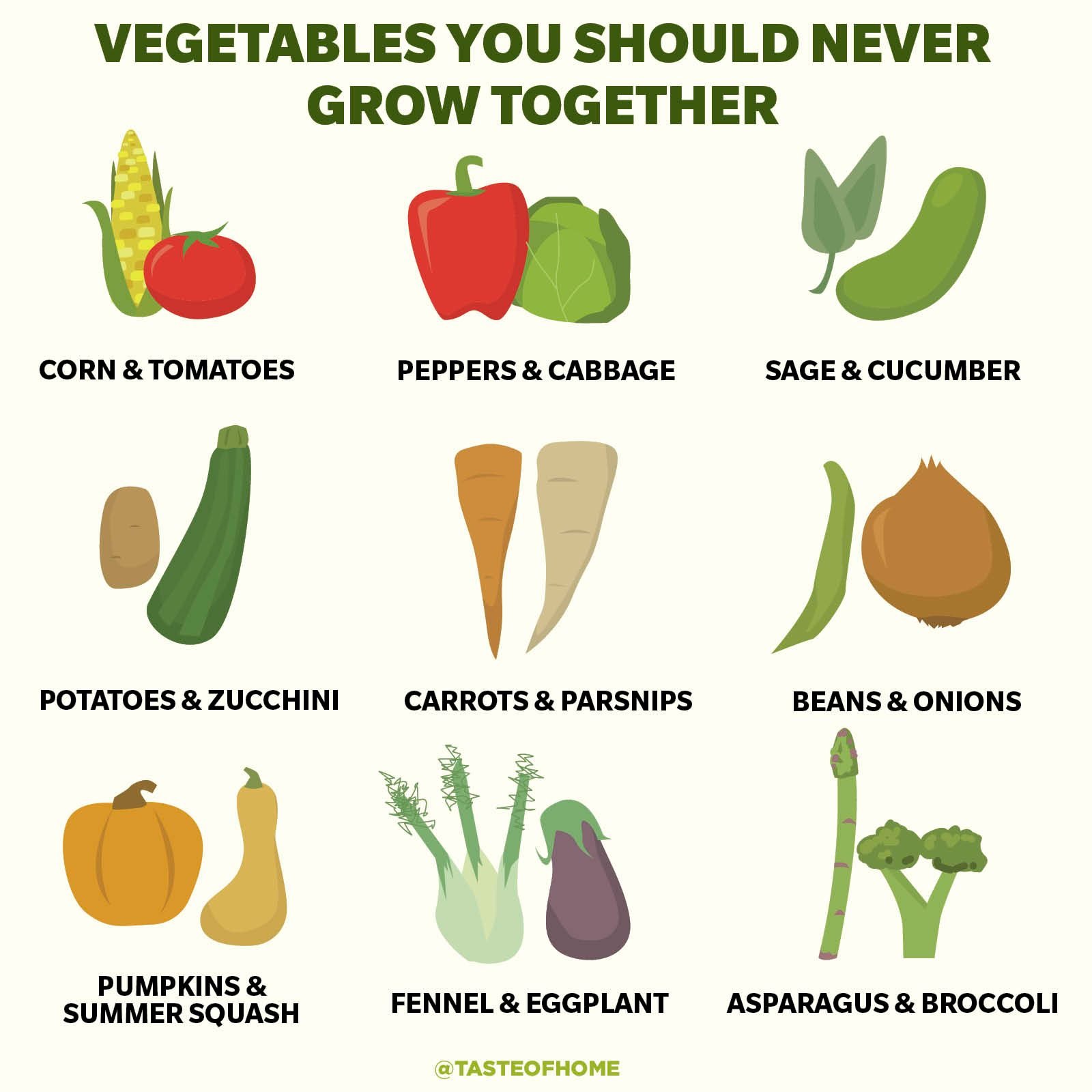
Planting peppers can be a rewarding gardening experience, but certain plants should be avoided nearby due to compatibility issues. Here are some specific plants you should not plant peppers next to:
See also:
Tomatoes
Tomatoes and peppers belong to the same family, Solanaceae, which makes them susceptible to similar pests and diseases. When planted close together, they can compete for nutrients and water, leading to a reduction in yield. This competition can enhance the risk of soil-borne diseases, particularly blight.
- Competing for nutrients
- Increased susceptibility to pests
- Heightened risk of soil diseases
Eggplants
Eggplants, like peppers and tomatoes, are also part of the nightshade family. Growing them in proximity can lead to increased risk of pests, as they attract the same insects. Additionally, they share similar soil nutrient demands, making it difficult for both crops to thrive.
- Attraction of similar pests
- Shared soil nutrient requirements
- Potential for reduced plant vigor
Potatoes
Potatoes are another nightshade family member that can negatively affect pepper growth. When planted together, there’s a greater risk of diseases such as potato blight, which can propagate to peppers. Moreover, both plants require significant water and nutrients, which may lead to competition.
- Promotion of shared diseases
- Water and nutrient competition
- Increased vulnerability to pests
Cabbage Family (Brassicas)
Members of the cabbage family, such as cabbage, broccoli, and cauliflower, are known to inhibit the growth of peppers. These Brassicas release compounds that can negatively affect the root development of peppers. The contrasting growth habits can further restrict pepper health and yield.
- Soil inhibition through allelopathy
- Contrasting nutrient requirements
- Competition for space and light
Fennel
Fennel is notorious for negatively impacting the growth of various garden plants, including peppers. It produces a substance that can be detrimental to the development of many crops. When planted nearby, fennel can stunt the growth of peppers and decrease their quality and yield.
- Production of growth-inhibiting chemicals
- Stunted growth of neighboring plants
- Reduced fruit quality and yield
What should not be planted after garlic?

Garlic is a popular crop known for its culinary and medicinal benefits. However, it's essential to be aware of what plants should not be planted after garlic to avoid pest issues, diseases, and nutrient depletion in the soil. Generally, certain plants are best avoided in succession after garlic due to their specific growth requirements and potential negative interactions.
Plants That Attract Pests
After garlic, it's advisable to avoid planting onions and leeks. Both of these belong to the Allium family, similar to garlic, and can attract the same pests. Planting them too soon after garlic can increase the likelihood of pest infestations.
- Onions: They can share pests such as onion maggots with garlic.
- Leeks: Similar pest issues due to their relatedness to garlic.
- Shallots: They also share similar pest vulnerabilities.
Plants Prone to Soil-Borne Diseases
Certain plants can also be adversely affected by soil-borne diseases that garlic can introduce into the soil. Tomatoes and peppers should be avoided, as they are susceptible to similar pathogens that garlic can harbor.
- Tomatoes: They can be affected by diseases like Fusarium and Verticillium wilt.
- Peppers: Similarly vulnerable to soil pathogens after garlic.
- Eggplants: Can also suffer from these diseases, so it’s best to refrain from planting.
Nitrogen-Dependent Crops
Garlic is known to be a nutrient-demanding plant, especially in nitrogen. Beans and peas, which require more nitrogen for optimal growth, should not be planted immediately after garlic, as the soil may be depleted.
- Beans: They may suffer from insufficient nitrogen levels.
- Peas: Similar nitrogen requirements and can be affected as well.
- Other legumes: Generally, most legumes would experience difficulties in nitrogen-poor soil post-garlic.
Companions That Compete for Resources
Certain crops exhibit aggressive growth and can outcompete subsequent crops for available resources. Carrots and beets should be planted with caution after garlic as they can compete nutrient-wise.
- Carrots: They need ample nutrients and space, risking stunted growth.
- Beets: Similar to carrots, they can compete for light and nutrients.
- Radishes: Their quick growth might overshadow weaker seedlings.
Fallow Period Recommendations
It is generally recommended to allow a fallow period after garlic to rejuvenate the soil. During this period, it would be beneficial to plant crops that do not affect or deplete the soil's nutrients adversely.
- Fallow Plants: Consider growing cover crops like clover or rye.
- Root Vegetables: Planting radishes or other non-competitive root crops can help.
- Herbs: Some herbs provide nutrients and can improve soil health.
Questions from Our Readers
Can peppers be planted next to garlic?
Yes, peppers can be planted next to garlic. They are generally considered companion plants as they do not compete for resources and can benefit from being planted in proximity. Additionally, garlic may help deter certain pests that can affect peppers.
What benefits do garlic and peppers have when planted together?
Planting garlic near peppers can provide several benefits, including pest control. Garlic is known for its ability to repel certain insects, which can help protect the peppers from potential infestations. This symbiotic relationship can lead to a healthier garden.
See also:
Are there any risks associated with planting peppers and garlic together?
While there are many benefits, one potential risk is that garlic can be quite assertive in its growing habits. If not monitored, it may compete for nutrients and water, potentially impacting the growth of the peppers. However, with proper spacing and care, this risk can be minimized.
What is the ideal planting arrangement for garlic and peppers?
The ideal planting arrangement for garlic and peppers involves ensuring adequate spacing between the two. It is recommended to plant garlic at least 12 inches away from pepper plants to allow each to thrive without competing for essential resources. This arrangement will also ensure good air circulation.
If you want to read more articles like Can Peppers Be Planted Next to Garlic? Discover the Best Companion Planting Tips!, we recommend you check out our Garden category.
Leave a Reply
Related Articles