What is the best sub base for a greenhouse? Essential Guide for Optimal Growth

Choosing the right sub base for a greenhouse is crucial for ensuring optimal growth conditions for your plants. The sub base serves as the foundation, influencing drainage, temperature regulation, and overall plant health. With various options available, it is essential to understand the characteristics and benefits of each material. In this guide, we will explore the best sub base choices, including gravel, sand, and concrete, while considering factors such as climate, soil type, and greenhouse design. By selecting the ideal sub base, you can create a thriving environment that promotes healthy growth and enhances your gardening experience.
What is the Best Sub Base for a Greenhouse?
A greenhouse's sub base is crucial for its stability and effective drainage, which are essential for plant health. The best sub base typically includes a combination of materials that provide drainage while offering a solid foundation. Crushed stone or gravel is often preferred as it allows for excellent water flow and supports the structure effectively. Additionally, a layer of compacted sand can be added to improve drainage, along with landscape fabric to prevent the growth of weeds. It's essential to ensure that the sub base is level to avoid water pooling, which can lead to root rot and other plant diseases.
Importance of Drainage for Greenhouses
Effective drainage is vital in a greenhouse setting to prevent water accumulation that can harm plant roots. A well-designed sub base with proper drainage materials ensures that excess water is efficiently directed away from the plant beds. This helps maintain an optimal moisture level in the soil while preventing the growth of mold and mildew, which thrive in overly moist environments.
Material Options for Sub Base
Several materials can be used for the sub base of a greenhouse, each having its advantages. Crushed stone or gravel provides excellent drainage and serves as a sturdy foundation. Sand can be mixed in to enhance drainage capabilities, while stabilized soil may be used for those looking for a more natural approach. It's important to choose materials that fit the specific needs of the plants being cultivated and the climatic conditions of the area.
Factors to Consider When Choosing a Sub Base
When selecting the best sub base for a greenhouse, several factors must be considered. The climate of the area can dictate the type of materials used; for instance, wetter climates may require enhanced drainage options. The size and intended use of the greenhouse should also inform the material choice, as larger structures may need more robust solutions. Additionally, the future maintenance needs should be evaluated to ensure longevity and efficiency in plant care.
Preparing the Sub Base for Installation
Before installing the sub base, it's crucial to prepare the area adequately. Start by clearing any vegetation or debris from the site. Next, level the ground to create a stable foundation, which helps in preventing water pooling. Depending on the chosen materials, you may need to excavate a certain depth to accommodate the layers of gravel or sand. Compaction is also important, ensuring that each layer is firmly settled for improved stability.
Maintenance of Greenhouse Sub Base
Maintaining the sub base of a greenhouse is essential for continued functionality and support. After installation, periodic checks should be conducted to ensure that debris or sediment has not accumulated, which can disrupt drainage. If you notice signs of erosion or shifting, it's necessary to repair the sub base by replenishing materials where needed. Proper maintenance will keep the structure sound and the plants thriving.
| Material | Drainage | Stability | Cost |
|---|---|---|---|
| Crushed Stone | Excellent | Very Stable | Moderate |
| Gravel | Good | Stable | Low |
| Sand | Good | Moderate | Low |
| Stabilized Soil | Variable | Moderate | Variable |
What is the best base to put a greenhouse on?

The best base to put a greenhouse on depends on several factors, including the type of greenhouse, the climate of the area, and your long-term plans for the greenhouse. However, a well-constructed base can significantly enhance stability, temperature control, and drainage. Common base options include concrete, gravel, or wood, each having its own advantages and limitations.
Concrete Base
A concrete base provides a solid and durable foundation for greenhouses, making it one of the most preferred options.
- Stability: Concrete offers excellent stability and prevents the greenhouse from shifting or settling unevenly.
- Durability: With proper installation, a concrete base can last for decades, requiring minimal maintenance.
- Weed and Pest Control: A concrete base helps reduce weed growth and pest infiltration, creating a cleaner environment for your plants.
Gravel Base
A gravel base is another popular option for greenhouse construction, known for its effective drainage properties.
- Drainage: Gravel allows water to drain easily, preventing water from pooling around the greenhouse, which can cause root rot.
- Cost-Effective: It is typically less expensive than concrete and requires less labor for installation.
- Flexibility: A gravel base is easier to modify and move, allowing for future expansion or relocation of the greenhouse.
Wood Base
A wood base can give a more aesthetic look but requires careful consideration regarding moisture and longevity.
- Appearance: Wood provides a natural look that can blend well with garden aesthetics.
- Insulation: Wood has better natural insulating properties than concrete or gravel, which can help regulate the temperature within the greenhouse.
- Susceptibility to Rot: It is essential to use treated wood or cedar to avoid decay and insect damage over time.
Compatibility with Soil Type
The type of soil beneath the greenhouse base significantly impacts the construction choice.
See also:
- Clay Soil: Heavy clay can lead to water retention issues; therefore, a concrete or well-drained gravel base is recommended.
- Sandy Soil: If located on sandy soil, a gravel or wooden base can be effective, as these materials will accommodate the quick drainage of excess water.
- Loamy Soil: Loamy soil is versatile and can work with any base, but good drainage remains essential.
Climate Factors
Understanding the climate in your region can help dictate the best base for your greenhouse.
- Temperate Climates: A concrete base is favored in temperate areas for stability and temperature regulation.
- Wet Climates: In regions with heavy rainfall, a gravel base can help manage water flow and reduce flooding risks.
- Hot Climates: In hot conditions, a well-ventilated gravel base can help maintain cooler temperatures inside the greenhouse.
What is the best floor to put in a greenhouse?

The best floor for a greenhouse depends on several factors, including budget, plant types, and climate considerations. Generally, there are several options available, each with its advantages and disadvantages.
Benefits of Different Greenhouse Flooring Options
Choosing the right flooring material can significantly affect the overall success of your greenhouse. Here are some benefits to consider:
- Durability: Some materials, like concrete and pavers, can withstand heavy foot traffic and harsh weather conditions.
- Drainage: Good drainage is essential for plant health. Certain floors, like gravel, promote quick drainage.
- Weed Control: Some flooring options can help minimize weed growth, easing maintenance tasks.
Best Flooring Materials for Greenhouses
Several flooring materials are commonly used in greenhouse construction, each having unique features and benefits:
- Concrete: Provides a sturdy, long-lasting surface that is easy to clean and maintain. It also helps retain heat.
- Gravel: Offers excellent drainage and reduces weed growth. It is cost-effective and easy to install.
- Wooden Decking: Creates a natural aesthetic and offers decent insulation but may require more maintenance and wood treatment.
- Pavers: These can be attractive and provide good drainage and durability, especially when properly installed.
- Rubber Mats: Ideal for those who want a softer, slip-resistant surface, although they may need to be replaced more frequently.
Climate Considerations for Greenhouse Flooring
The climate in which you live can influence your floor choice quite a bit:
- Hot Climates: Floors that reflect heat, like light-colored concrete or gravel, can help keep your greenhouse cool.
- Cold Climates: Insulating materials like wood or raised floors with a layer of air can help maintain warmth.
- Rainy Regions: Prioritize flooring that drains well to prevent waterlogging and excess humidity.
Maintenance Requirements for Greenhouse Floors
Different flooring materials require varying levels of maintenance. Assess the time and effort you can commit to upkeep:
- Concrete: Low maintenance; however, it might require resealing over time to prevent cracking.
- Gravel: Very low maintenance, though you'll need to occasionally replenish gravel levels.
- Wood: Requires regular treatment to protect against rot and insects, increasing maintenance demands.
Cost Considerations for Greenhouse Flooring
The cost of flooring materials can widely vary, so budgeting is critical:
- Concrete: Higher initial cost but longevity can justify the investment over time.
- Gravel: Generally one of the most affordable options, making it budget-friendly for larger spaces.
- Pavers: Initial cost may be moderate, but installation can increase expenses if done professionally.
What foundation do you need for a greenhouse?
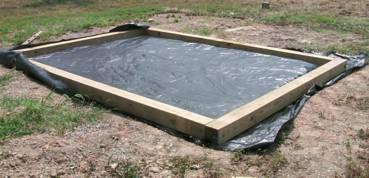
To establish a greenhouse, selecting the appropriate foundation is crucial for ensuring structural integrity, proper drainage, and longevity. The foundation must not only support the greenhouse but also adapt to the local climate and soil conditions. Here are several foundation options you can consider:
Types of Foundations for Greenhouses
The foundations of greenhouses can vary significantly based on several factors such as size, location, and intended use. The most common types include:
- Concrete Slab: A solid and durable option suitable for larger greenhouses.
- Wooden Base: A more traditional choice, often used for smaller structures.
- Pier and Beam: A raised option ideal for areas with damp soil.
Concrete Slab Foundation
A concrete slab foundation is one of the most robust options available for a greenhouse. It provides a strong base that can support heavy structures and protects against pests and weeds.
- Durability: Concrete is resistant to decay, ensuring the foundation lasts for many years.
- Weed Control: A solid surface minimizes weed growth underneath the greenhouse.
- Easy Cleaning: Smooth surfaces facilitate easy cleaning and maintenance.
Wooden Base Foundation
A wooden base is often favored for smaller or hobbyist greenhouses. It provides a more natural aesthetic and can be easier to install for DIY enthusiasts.
See also:
- Cost-Effective: Generally, a wooden base is more affordable than concrete options.
- Flexibility: Wooden foundations can be adjusted or expanded more easily if necessary.
- Insulation: Wood can offer better insulation in cooler climates.
Pier and Beam Foundation
A pier and beam foundation raises the greenhouse above the ground level, which can be beneficial in areas prone to flooding or with poor drainage.
- Drainage: Elevating the greenhouse allows better drainage and reduces water damage.
- Pest Control: Creating space between the ground and the greenhouse can deter pests.
- Accessibility: Easy access for maintenance and installation of utilities.
Preparation and Site Assessment
Before building a foundation, it’s essential to assess the site where the greenhouse will be positioned. Proper site preparation can enhance the effectiveness and lifespan of the chosen foundation.
- Soil Testing: Evaluate soil stability and drainage capacity.
- Leveling the Ground: Clear any debris and level the site to ensure a flat surface.
- Sunlight Exposure: Ensure the site receives adequate sunlight for plant growth.
Foundation Depth and Materials
The depth and materials used for your greenhouse foundation will depend on the climate and soil type in your area. This choice affects the overall stability and performance of the structure.
- Depth Considerations: Foundations should be deep enough to reach stable soil.
- Material Selection: Opt for materials that are locally available and weather-resistant.
- Building Codes: Check local codes to ensure compliance with regulations.
Does a greenhouse need a solid base?
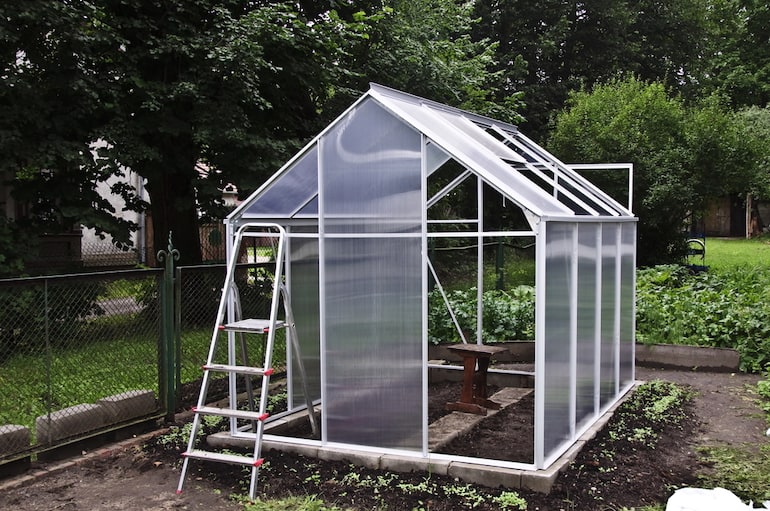
A greenhouse is an essential structure for many gardeners and agriculturalists, providing a controlled environment to promote plant growth. One critical aspect of constructing a greenhouse is ensuring it has a solid base. Here’s an exploration of why it is necessary and the implications of not having one.
Importance of a Solid Greenhouse Base
A solid base is crucial for several reasons:
- Stability: A firm foundation ensures that the greenhouse can withstand environmental factors such as wind and rain, preventing structural failure.
- Level Surface: An even base is important for proper drainage and air circulation, which are essential for plant health.
- Longevity: A well-constructed base can extend the life of the greenhouse by preventing wear and tear from shifting soil and other forces.
Types of Bases for Greenhouses
There are various types of bases that can be used for greenhouses, each with its advantages:
- Concrete Slab: A concrete slab provides a strong, durable foundation that is resistant to pests and water damage.
- Wooden Frame: A treated wooden frame is easier to install and can be a more cost-effective option, though it may require more maintenance.
- Gravel Base: A gravel base offers excellent drainage but may require additional support structures to ensure stability.
Consequences of Not Having a Solid Base
Neglecting to use a solid base can lead to several problems:
- Structural Damage: Without a stable foundation, a greenhouse may suffer from damage due to shifting soil or high winds.
- Uneven Growth: An unstable base can lead to uneven surfaces, which affect drainage and light distribution for plants.
- Pest Invasion: Poor foundations can create gaps that may allow pests to invade, threatening plant health.
Considerations for Different Climates
The climate in which the greenhouse is located can influence the type of base needed:
- Cold Climates: In colder regions, a solid base can provide insulation, protecting plants from extreme temperatures.
- Windy Areas: A robust foundation is crucial in areas prone to high winds to ensure the greenhouse remains intact.
- Wet Environments: In regions with heavy rainfall, proper drainage is essential, making a well-constructed base vital.
Best Practices for Building a Greenhouse Base
To construct an effective base for a greenhouse, consider the following best practices:
- Site Preparation: Clear the area of debris and vegetation before laying the foundation to ensure stability.
- Correct Materials: Choose materials that suit the climate and soil conditions to maximize durability.
- Regular Maintenance: Inspect the base regularly for any signs of damage or degradation, addressing issues promptly.
Questions from Our Readers
What is the best sub base for a greenhouse?
The best sub base for a greenhouse is typically a well-draining material like gravel or crushed stone. These materials help to prevent water accumulation, ensuring that the foundation remains stable and protects the greenhouse structure from moisture-related issues.
How deep should the sub base be for a greenhouse?
The depth of the sub base for a greenhouse should generally be around 4 to 6 inches, depending on the local soil conditions and the size of the greenhouse. This depth allows for adequate drainage while providing enough support for the weight of the structure.
Can I use concrete as a sub base for my greenhouse?
Yes, using concrete as a sub base for a greenhouse is a viable option, especially in areas with heavy rainfall. It provides a solid foundation and can help with leveling, but it is essential to ensure proper drainage is in place to avoid water pooling.
See also:
Should I include a vapor barrier in my greenhouse sub base?
Including a vapor barrier in your greenhouse sub base is recommended if you live in a humid climate. This barrier helps to prevent moisture from rising into the greenhouse, protecting plants and soil from excess humidity that could lead to fungal diseases.

If you want to read more articles like What is the best sub base for a greenhouse? Essential Guide for Optimal Growth, we recommend you check out our Soil category.
Leave a Reply
Related Articles