Do Greenhouses Stay Warm in Winter? Essential Tips for Successful Winter Gardening
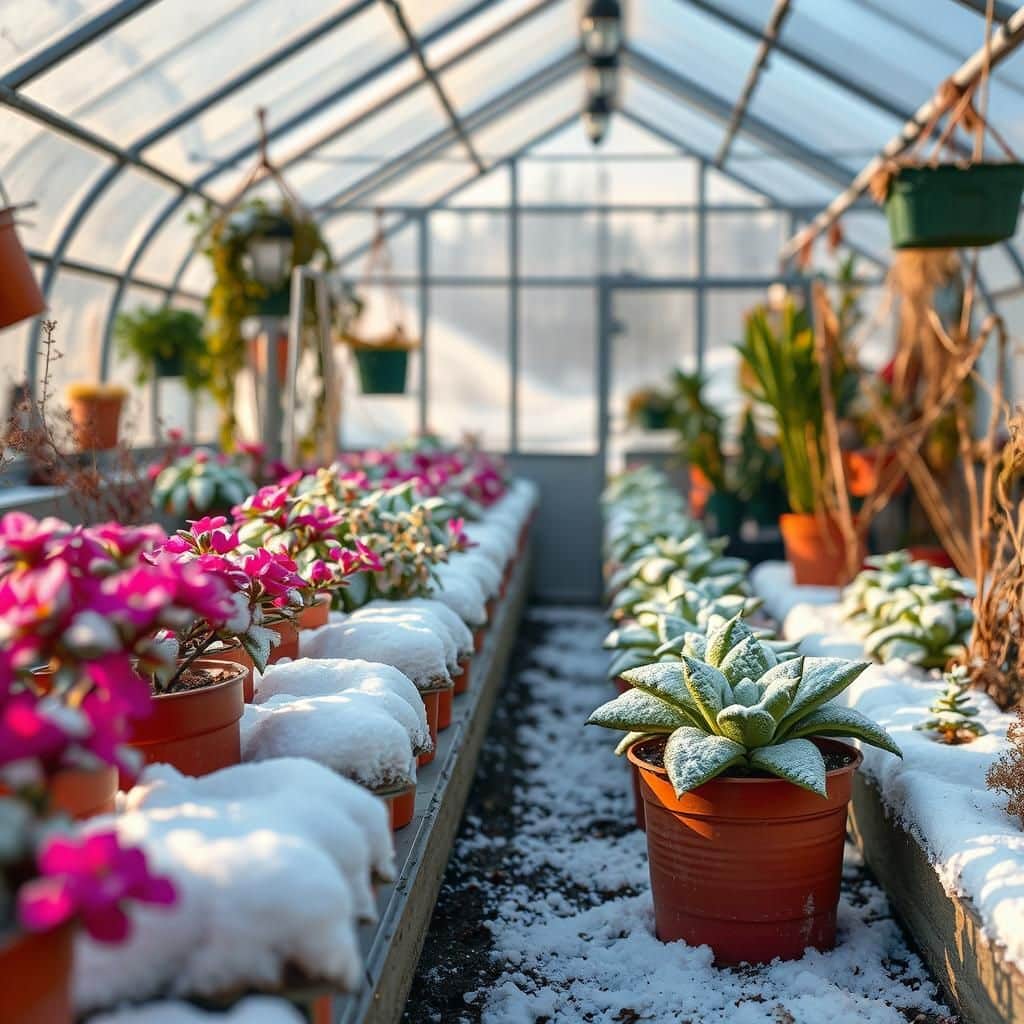
As winter approaches, many gardeners wonder whether greenhouses can maintain a suitable temperature for their plants during the colder months. The right greenhouse setup can create a microclimate that protects tender plants from harsh temperatures while allowing for year-round gardening. Understanding the fundamentals of heat retention, insulation, and supplementary heating methods is crucial for successful winter gardening. In this article, we'll explore essential tips and strategies to ensure your greenhouse stays warm throughout winter, enabling you to cultivate a thriving garden no matter the season. Prepare to nurture your green thumb and keep your plants flourishing even in the frostiest weather!
Do Greenhouses Stay Warm in Winter?
Yes, greenhouses are designed to retain heat, making them warmer than the outside environment during winter months. The principle behind this is solar gain, where sunlight enters through the transparent materials, such as glass or plastic, and warms the inside air and plants. This trapped warmth prevents the temperature inside the greenhouse from dropping as significantly as it does outside. Additionally, the materials used in construction, such as double-walled panels or thermal screens, can enhance heat retention. Proper ventilation and insulation are crucial for maintaining the desired climate within.
How Do Greenhouses Retain Heat?
Greenhouses retain heat primarily through the Greenhouse Effect, where sunlight penetrates the transparent walls and warms the air and surfaces inside. As the air heats up, it becomes trapped within the enclosed space since the glass or plastic is less effective at allowing heat to escape compared to when it enters. Insulation materials also play a vital role; some greenhouses use thermal blankets or double-glazing techniques to further minimize heat loss during colder nights.
The Role of Sunlight in Heating Greenhouses
Sunlight is essential for heating a greenhouse, as it provides the energy that warms the air and surfaces within. During the day, when the sun is at its peak, sunlight floods the interior, creating a warm microclimate. The effectiveness of this process depends on the location of the greenhouse, the angle of sunlight, and any shaded areas. Properly orienting the greenhouse to maximize sun exposure can significantly enhance the heating effect during winter.
Insulation Techniques for Winter
To ensure optimal heat retention during winter, several insulation techniques can be employed. One common method is using bubble wrap or thermal blankets that can be draped over plants or structures inside the greenhouse at night. Furthermore, installing double polycarbonate panels or utilizing ground heat sinks can further enhance insulation, reducing the necessity for additional heating systems while maintaining a stable environment for plant growth.
Heating Options for Greenhouses in Winter
In addition to passive heating through sunlight, many greenhouse owners employ active heating systems to maintain temperature during winter. These may include electric heaters, gas heaters, or even solar heating systems that can provide a consistent level of warmth. Radiant heating systems can also be effective; they warm floors or surfaces, allowing heat to rise and circulate naturally. The choice of heating option depends on the size of the greenhouse, local climate, and budget.
Effects of Temperature Fluctuations
Temperature fluctuations can have significant effects on plant health within a greenhouse. If the temperature drops too low during the night, it can lead to frost damage or stress on plants. Conversely, if the temperature rises too high during the day, it may cause wilting or other heat stress symptoms. Therefore, it's crucial to monitor and adjust ventilation and heating systems to avoid drastic temperature changes that can harm plant growth and productivity.
| Aspect | Impact |
|---|---|
| Insulation | Reduces heat loss |
| Sunlight | Provides main heat source |
| Heating Systems | Maintains consistent temperature |
| Temperature Fluctuations | Affects plant health |
| Ventilation | Regulates internal climate |
How cold is too cold for a greenhouse?
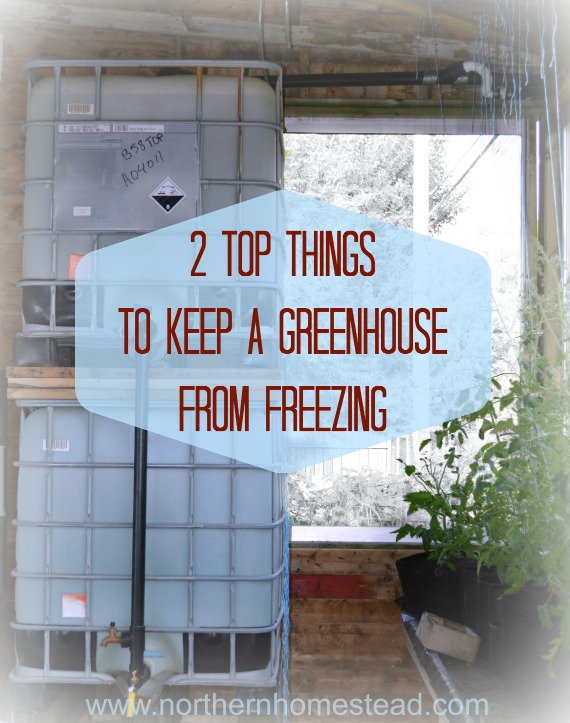
How Cold is Too Cold for a Greenhouse?
The temperature tolerance in a greenhouse largely depends on the types of plants being grown within it. However, as a general guideline, temperatures below 32°F (0°C) begin to pose a risk to many common greenhouse plants. Special considerations must be made to protect both plant health and productivity.
Most tender plants, including flowers and vegetables, may start to suffer from cold stress when temperatures drop below 50°F (10°C). At these low temperatures, growth slows significantly, and long-term exposure can result in plant mortality. Therefore, it's crucial to monitor the temperature inside the greenhouse and take appropriate measures to prevent it from falling too low.
See also:
Types of Plants Affected by Cold
Different plants have varied cold tolerances, which can make a significant difference in how the greenhouse temperature affects them.
- Tropical Plants: Generally thrive in warm environments and can suffer under cold conditions.
- Vegetables: Like tomatoes and peppers can experience stunted growth when temperatures drop.
- Ornamental Flowers: Many flowers are particularly sensitive to frost and can die from freezing temperatures.
Signs of Cold Stress in Plants
Identifying the symptoms of cold stress can help in taking timely action to protect your plants.
- Wilting: Leaves may become limp and droop as the plant struggles to maintain function.
- Discoloration: Leaves can turn yellow or develop dark edges, indicating damage.
- Stunted Growth: A halt in growth can be a sign that plants are not coping with the low temperature.
Greenhouse Heating Solutions
To maintain optimal temperatures in your greenhouse, you may need to implement heating solutions.
- Space Heaters: Portable heaters can efficiently warm up small to medium-sized greenhouses.
- Heating Mats: These are effective for nurturing seedlings or plants that require constant warmth.
- Insulation: Adding insulation to the greenhouse structure can greatly improve heat retention.
Monitoring Greenhouse Temperature
Keeping a close watch on the temperature inside your greenhouse is crucial for plant survival.
- Thermometers: Use digital thermometers to continually monitor the temperature.
- Temperature Data Loggers: These gadgets can track temperature changes over time and alert you to drops.
- Automated Systems: Implement systems that automatically regulate temperature for more precise control.
Best Practices for Cold Weather Care
Taking proactive measures can help you manage cold weather conditions more effectively.
- Covering Plants: Use frost cloths to cover vulnerable plants during cold snaps.
- Ventilation: Ensure good air circulation to prevent cold air from settling near the plants.
- Watering: Keeping plants adequately watered can help them retain heat and reduce stress.
How do you keep greenhouses warm in the winter?
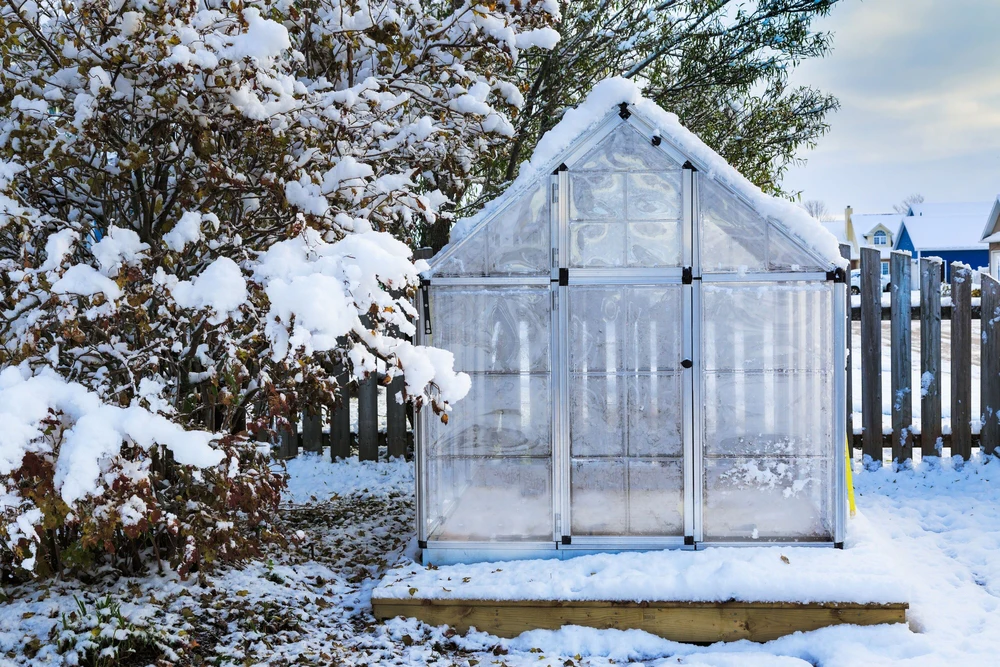
To keep greenhouses warm in the winter, several strategies can be employed to maintain an optimal temperature for plant growth. These methods range from passive insulation techniques to active heating systems. Below are detailed approaches to ensure that greenhouses remain warm during the colder months.
Utilizing Thermal Mass
One effective way to retain heat in a greenhouse is to incorporate thermal mass materials that absorb heat during the day and release it at night. This method can significantly reduce temperature fluctuations.
- Water containers: Filling large water tanks or barrels with water can act as a thermal reservoir.
- Stone or concrete: Using heavy stones or concrete blocks in the structure can also provide significant thermal mass.
- Soil volume: Using a larger volume of soil in raised beds can help retain heat as well.
Insulation Techniques
Improving insulation is crucial for keeping the warmth inside. Proper insulation helps retain heat and reduces heating costs.
- Bubble wrap: Attaching greenhouse-grade bubble wrap to the interior walls can create an additional insulating layer.
- Double-layered glazing: Choosing double-glazed panels for the greenhouse can significantly enhance insulation.
- Floor insulation: Insulating the floor with materials like rigid foam can prevent heat loss from the ground.
Using Heating Systems
In colder climates, using heating systems can be essential to maintaining a consistent temperature. Various heating options can be implemented based on budget, availability, and size of the greenhouse.
- Electric heaters: These are simple to install and can provide quick heating but may be costly over time.
- Gas heaters: Propane or natural gas heaters offer more heat for less cost but require proper ventilation.
- Radiant heating: Embedding heating coils in the floor can provide uniform warmth throughout the greenhouse.
Utilizing Sunlight
Maximizing the use of natural sunlight is crucial for maintaining warmth in winter. Strategic positioning and design can enhance sun exposure inside the greenhouse.
See also:
- Orientation: Positioning the greenhouse to maximize south-facing windows can capture more sunlight.
- Reflective surfaces: Using reflective materials around the greenhouse can help distribute sunlight evenly.
- Cleaning panels: Regularly cleaning the glazing can ensure maximum light penetration to heat the interior.
Covering Techniques
Covering the greenhouse during particularly cold nights can help reduce heat loss. Different covering materials can provide varying levels of insulation.
- Row covers: Lightweight fabric covers can help trap heat around plants and should be used on particularly cold nights.
- Retaining heat mats: Using heat-retaining mats on the ground can preserve warmth at the root level.
- Plastic sheeting: Temporarily applying plastic sheeting on the outside can create an extra barrier against the cold.
Will an unheated greenhouse keep plants from freezing?
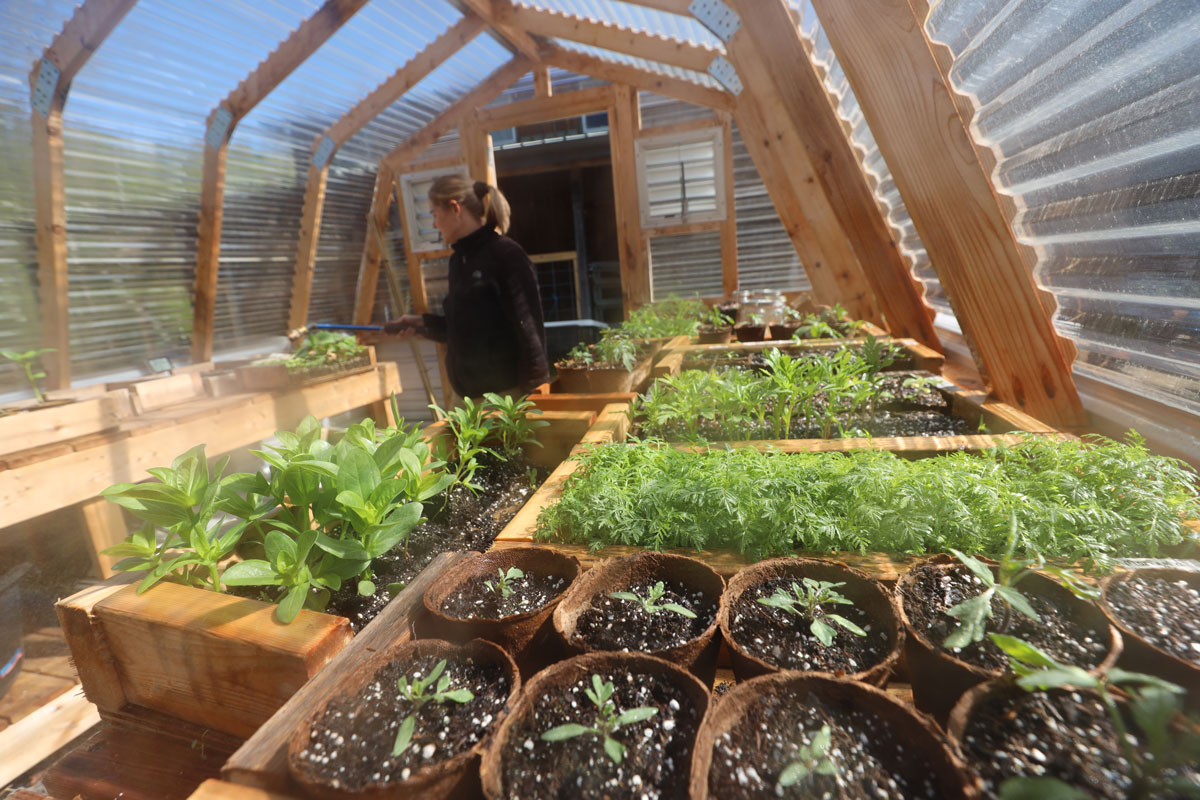
An unheated greenhouse can provide some level of protection for plants against freezing temperatures, but its effectiveness depends on several factors. Greenhouses work by trapping heat from sunlight, which can raise the ambient temperature inside. However, without heating, the degree of frost protection is not significantly high, especially during extremely low temperatures.
The effectiveness of an unheated greenhouse in preventing plant freezing is influenced by factors such as insulation, plant type, external temperatures, and structure design.
How Do Greenhouses Retain Heat?
Greenhouses retain heat through a combination of insulation and the greenhouse effect. The glass or plastic covering traps solar energy during the day and reduces heat loss at night.
- Solar Radiation: The structure allows sunlight to enter while preventing heat from escaping.
- Nighttime Insulation: The temperature drops more slowly inside an unheated greenhouse compared to the outside air.
- Material Choice: Specific materials can enhance insulation properties, making the interior warmer.
The Role of Insulation in Cold Weather
Insulation is a critical factor in how well an unheated greenhouse can maintain warmer temperatures that shield plants from freezing.
- Thermal Mass: Adding thermal mass materials, such as water barrels or stones, can absorb heat during the day and release it slowly at night.
- Covering Layer: Using double layers of plastic or glass can create additional insulation.
- Placement: Positioning the greenhouse in a sheltered area can mitigate wind chill and enhance temperature retention.
Plant Types and Their Cold Tolerance
Different plants exhibit varying levels of cold tolerance, which impacts their survival in an unheated greenhouse during freezing conditions.
- Hardy Plants: Vegetables like kale and certain herbs are better suited to low temperatures.
- Tender Plants: Species such as tomatoes and peppers are more delicate and may not survive frost without additional protection.
- Acclimatization: Plants that are gradually exposed to colder temperatures can adapt better than those that are suddenly exposed.
External Temperature Conditions
The external environment plays a significant role in how well an unheated greenhouse protects against freezing.
- Geographic Location: Regions with milder winters may see less risk of freezing compared to areas with harsh climates.
- Daytime vs. Nighttime: Daytime temperatures can significantly warm up the greenhouse, but extreme nighttime drops can still pose a risk.
- Microclimates: Unheated greenhouses located in regions that create microclimates can potentially maintain warmer air temperatures.
Design Features of Greenhouses
The design of the greenhouse can greatly influence its ability to protect plants from the cold.
- Orientation: South-facing greenhouses capture more sunlight throughout the day.
- Ventilation: Adequate ventilation prevents excessive humidity, which can lead to cold damage.
- Structure Size: Larger greenhouses can maintain a more stable temperature compared to smaller ones due to a larger volume of air.
Questions from Our Readers
Do greenhouses stay warm in winter?
Yes, greenhouses can maintain warmth during winter by trapping sunlight and minimizing heat loss. The design and materials used in the greenhouse, such as double glazing or thermal mass, play a crucial role in enhancing insulation and retaining heat.
What can I do to increase heat retention in my greenhouse during winter?
To improve heat retention, consider using thermal mass materials like water barrels or stones that absorb heat during the day and release it at night. Additionally, keeping the greenhouse free of snow and utilizing row covers or insulating films can significantly help in warming the space.
See also:
Should I use heating systems in my greenhouse during winter?
Using heating systems can be beneficial, especially in extremely cold climates, to maintain a stable and optimal temperature for plants. Options like electric heaters, gas systems, or even passive solar heating can assist in providing the necessary warmth throughout the winter months.
Do plants in greenhouses need special care during winter?
Yes, plants in greenhouses may require special care during winter, such as adjusted watering schedules and ensuring adequate light exposure. It's essential to monitor both temperature and humidity levels to prevent issues like frost damage or mold growth.

If you want to read more articles like Do Greenhouses Stay Warm in Winter? Essential Tips for Successful Winter Gardening, we recommend you check out our Garden category.
Leave a Reply
Related Articles