Can Lettuce Be Planted Next to Garlic? Exploring Companion Planting Benefits

Companion planting is a popular gardening technique that enhances growth, deters pests, and optimizes space by strategically placing plants together. One intriguing pairing is lettuce and garlic, two staples in many gardens. This article explores the potential benefits of planting lettuce next to garlic, examining how their unique characteristics can complement each other. By understanding the interactions between these two crops, gardeners can make informed decisions that boost their harvests and promote a healthier garden ecosystem. Join us as we delve into the science behind companion planting and discover if lettuce thrives alongside garlic.
Can Lettuce Be Planted Next to Garlic?
Yes, lettuce can be planted next to garlic, and this combination can actually be beneficial for both plants. Garlic has natural pest-repelling properties due to its strong aroma, which can help protect sensitive plants like lettuce from pests such as aphids and other harmful insects. Furthermore, garlic can help improve the overall health of the soil and provide nutrients that can be beneficial for the growth of lettuce. However, it’s important to consider factors such as spacing and the specific varieties of both plants to ensure they thrive together in the same garden bed.
Benefits of Planting Garlic with Lettuce
Planting garlic alongside lettuce offers several benefits, including the natural pest-repelling qualities of garlic, which deter aphids, snails, and other pests that may damage tender lettuce leaves. Additionally, garlic can enhance soil fertility through its growth, promoting a healthier garden ecosystem. These plants have complementary growing habits, with garlic's deep roots helping to aerate the soil while lettuce’s shallow roots take up nutrients from the surface.
Optimal Growth Conditions for Lettuce and Garlic
Both lettuce and garlic thrive in well-drained soil with ample sunlight. While garlic typically prefers full sun and can withstand some heat, lettuce enjoys cooler temperatures and should be planted in a partially shaded area during warmer months. By planting them together, gardeners can create a microclimate that satisfies both plants, ensuring that they receive appropriate water and nutrients for optimal growth.
Spacing Guidelines for Companion Planting
When planting garlic next to lettuce, proper spacing is essential to avoid crowding and to allow for adequate air circulation. Garlic plants should be spaced about 6 inches apart, while lettuce can be planted approximately 4-6 inches apart, depending on the variety. This careful spacing enables both crops to grow without competing for light, water, and nutrients, ensuring a successful harvest.
Potential Issues When Planting Together
While there are many benefits to planting garlic and lettuce together, there can also be challenges. For example, garlic may take longer to mature than lettuce, potentially leading to issues with timing in the garden. Additionally, certain pests might still target lettuce despite the presence of garlic, particularly if environmental conditions are not optimal. Gardeners should remain vigilant and monitor their plants regularly for any signs of disease or pest problems.
Best Practices for Maintaining a Healthy Garden
To maintain a healthy garden with both garlic and lettuce, it’s important to practice good crop rotation and soil management. After harvesting garlic, it is advisable to avoid planting alliums (like onions and leeks) in the same spot for a few years to prevent the build-up of disease. Regularly weeding around both crops helps reduce competition for resources, and consistent irrigation practices should be established to ensure moisture levels are sufficient, especially for lettuce during warmer periods.
| Plant | Growth Habit | Pest Resistance |
|---|---|---|
| Garlic | Deep-rooted | High |
| Lettuce | Shallow-rooted | Moderate |
Can I plant lettuce on top of garlic?
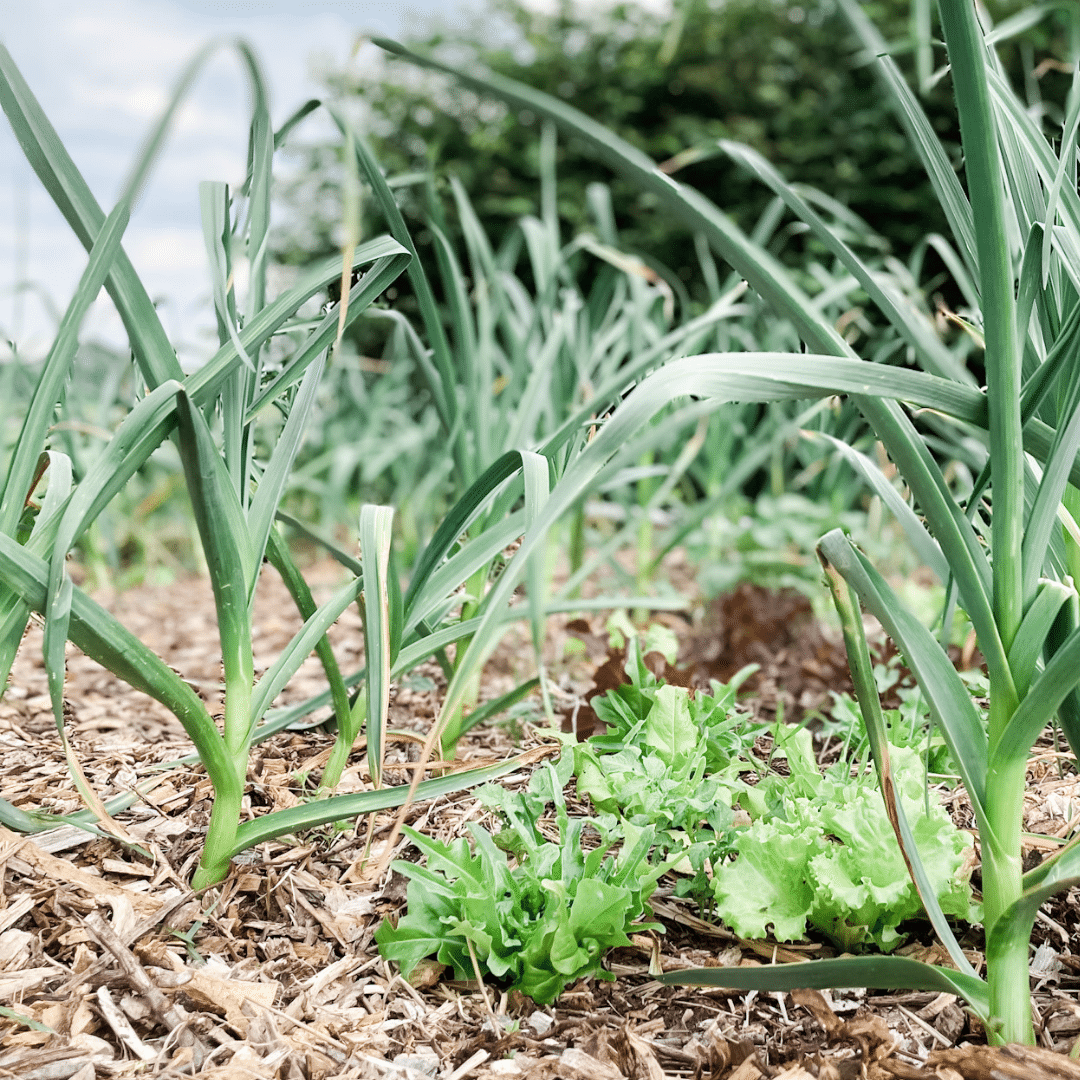
Planting lettuce on top of garlic is indeed possible, and it can be a beneficial practice in gardening. Both lettuce and garlic have different growth habits and requirements, making them compatible in certain contexts. Lettuce is generally a quick-growing, shallow-rooted plant, while garlic has deeper roots and a longer growing season. Here are some details to consider when planting lettuce on top of garlic:
Benefits of Companion Planting
Companion planting is a practice that involves planting different crops in proximity for mutual benefit. Here are some advantages of planting lettuce with garlic:
- Space Saving: Utilizing vertical space can help maximize garden area.
- Pest Control: Garlic may help repel pests that typically target lettuce.
- Improved Growth: The two plants can benefit from shared nutrients in the soil.
Growth Habits of Lettuce and Garlic
Understanding the growth habits of both crops is essential for successful planting.
- Lettuce: It grows quickly and can be harvested within a few weeks.
- Garlic: It takes several months to mature and needs adequate root space.
- Timing: Planting lettuce after garlic has established can prevent overcrowding.
Soil Requirements
Both plants thrive in nutrient-rich soil, but their specific needs vary:
- Lettuce: Prefers well-draining, moisture-retentive loam soil.
- Garlic: Thrives in fertile, slightly alkaline soil with good drainage.
- Amendments: Adding compost can benefit both plants' growth and health.
Watering Needs
Watering schedules differ slightly for both plants, so consider the following:
- Lettuce: Requires consistent moisture, especially in warm weather.
- Garlic: Needs watering primarily during the growing stage but less during dormancy.
- Monitoring: Check soil moisture regularly to avoid over or under-watering.
Harvesting Considerations
The timing of harvest for each plant can affect the overall yield:
See also:
- Lettuce: Can be harvested multiple times if cut above the base.
- Garlic: Needs to be harvested once the leaves yellow and die back.
- Staggering Harvest: Plan for sequential harvesting to manage space and growth.
What to avoid planting next to lettuce?
:max_bytes(150000):strip_icc()/ms-lettuce-getty-fcae82c6a8dc423fbb2565838d4a909d.jpg)
Companion Plants to Avoid
Lettuce grows best when paired with certain plants due to its nutrient requirements and growth habits. However, there are specific plants that should be avoided as companions to ensure healthy growth. It's crucial not to plant the following alongside lettuce:
- Cucumbers: They can compete for nutrients and space, potentially stunting lettuce growth.
- Radishes: These can cause problems for lettuce because they grow quickly and may shade the lettuce, affecting its light access.
- Kohlrabi: As a member of the brassica family, kohlrabi can attract similar pests that may harm lettuce.
Pests and Diseases Association
Certain plants attract pests or diseases that can affect lettuce when planted nearby. It's essential to consider compatibility to limit pest issues. Avoid planting:
- Potatoes: This plant is susceptible to the same diseases that can afflict lettuce, leading to crop failures.
- Tomatoes: They can host aphids, which may spread to lettuce and cause damage.
- Beets: Both beets and lettuce can suffer from similar pests, increasing the risk of infestation.
Competition for Resources
Plants that have high nutrient demands or aggressive root systems can compete with lettuce, affecting its growth and yield. To avoid problems, steer clear of:
- Carrots: They can be aggressive and may compete for the same nutrients and space needed by lettuce.
- Sweet corn: This tall plant may overshadow lettuce, depriving it of sunlight.
- Squash: Their large leaves can suffocate young lettuce plants by blocking necessary light.
Soil Chemistry Compatibility
Soil compatibility is another crucial factor when planting lettuce. Certain plants can alter soil pH or nutrient availability. Avoid these:
- Onions: They can inhibit the growth of lettuce by affecting soil nutrient balance.
- Garlic: Similar to onions, garlic can release compounds that may disrupt lettuce’s growth.
- Mustard greens: They can alter the soil chemistry, leading to sub-par growth for lettuce.
Growth Habit Considerations
Understanding the growth habits of neighboring plants is critical. Some plants grow too large or shade lettuce. Avoid planting:
- Sunflower: Their towering height can overshadow lettuce, limiting its ability to photosynthesize effectively.
- Broccoli: Another brassica, it can grow large and overshadow lettuce, significantly affecting its growth.
- Peas: They may climb and dominate space, leaving little for lettuce to thrive.
What should you not grow near garlic?
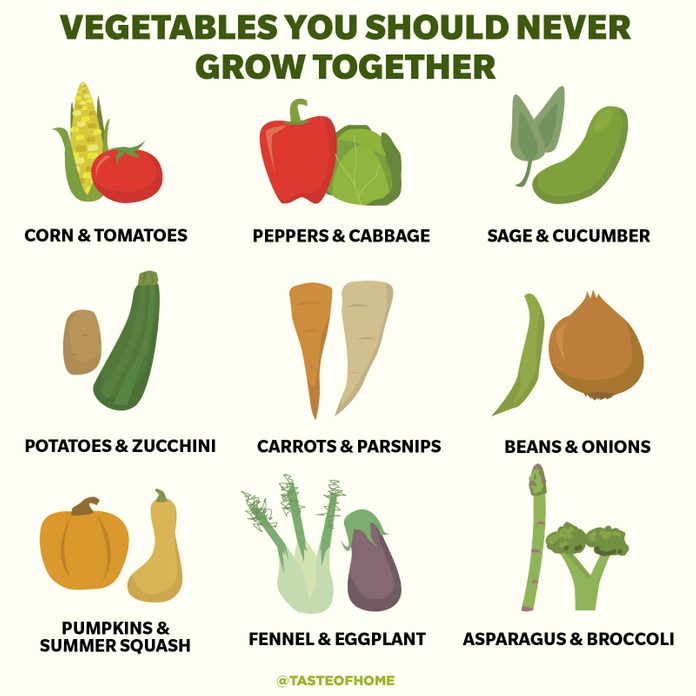
Garlic is a popular and versatile plant in the garden, but it has specific companion planting rules that should be followed to ensure optimal growth and yield. Certain plants do not thrive when grown near garlic due to allelopathic effects, which are chemical interactions between plants that can either promote or inhibit growth. Below are some plants and categories that should generally be avoided when planting near garlic.
Onions and Other Alliums
Garlic, being a member of the Allium family, does not benefit from being planted near other alliums like onions, leeks, or shallots.
- Both garlic and onions can compete for the same nutrients in the soil, making it challenging for them to thrive together.
- They may attract similar pests and diseases, heightening the risk of infestations.
- The two can also inhibit each other's growth due to their shared chemical compounds.
Beans and Peas
Leguminous plants such as beans and peas do not grow well when in close proximity to garlic.
- Garlic releases certain compounds in the soil that can be toxic to legume roots, stunting their growth.
- This can affect nitrogen fixation in the soil, which is essential for legume health.
- Competition for space and nutrients can further hinder the productivity of these crops.
Asparagus
Asparagus is another plant that does not do well when grown near garlic.
- The allelopathic effects of garlic can inhibit asparagus growth, leading to reduced yields.
- Both plants have different nutrient needs and may compete for nutrients, further exacerbating growth issues.
- Growing these two together can result in increased disease susceptibility due to overcrowding and nutrient competition.
Certain Herbs
Some culinary herbs like basil, sage, and parsley may struggle when grown near garlic.
- Garlic's strong scent can overpower the delicate aromas of these herbs, affecting their flavor profile.
- Herbs like parsley may have a hard time establishing their root systems, as garlic may compete for space.
- Increased moisture retention around garlic can lead to fungal diseases that can impact neighboring herbs.
Fruits and Vegetables
Certain fruits and vegetables, particularly those that are sensitive to strong flavors and odors, may not be suitable companions for garlic.
- Crops like strawberries and other sweet fruits might absorb the strong scents of garlic, which could alter their taste.
- Garlic can attract pests that may also target these fruits and vegetables, increasing risks of infestations.
- Some fruits, when grown near garlic, can also experience poor pollination as garlic can deter beneficial insects.
Can you plant lettuce near onions?


Yes, you can plant lettuce near onions. Both of these vegetables can coexist peacefully in the garden, making them suitable companions in a mixed planting scheme. Here are some reasons why they are compatible:
1. Space Efficiency: Lettuce and onions have different growth habits, which allows them to utilize garden space without competing heavily for resources. Lettuce usually grows close to the ground and matures quickly, while onions develop a deeper root system and grow more slowly.
2. Pest Repellent Properties: Planting onions can help deter certain pests that may affect lettuce. The strong smell of onions may repel insects that are drawn to leafy greens, thereby providing indirect protection to the lettuce plants.
3. Nutrient Uptake: Lettuce tends to have a shallow root system, allowing it to absorb nutrients from the top layers of soil, while onions extend deeper for nutrients. This complementary behavior helps in efficient nutrient absorption in the soil.
4. Soil Conditions: Both crops prefer similar soil conditions, such as well-draining, loamy soil that can retain moisture without becoming waterlogged. This compatibility makes it easier for gardeners to manage their growing conditions.
5. Crop Rotation: Interplanting onions with lettuce can be part of a larger crop rotation strategy. This practice helps maintain soil health and reduces the likelihood of disease and pest buildup.
Advantages of Planting Lettuce and Onions Together
Planting lettuce and onions together offers various advantages that can enhance overall garden productivity. These benefits include:
- Companion Planting: Companion planting helps in maximizing space and can mitigate pest issues.
- Improved Soil Health: Different root structures can promote healthy soil by preventing nutrient depletion.
- Increased Yields: When planted together, both crops can thrive, resulting in larger harvests.
Optimal Growing Conditions
Both lettuce and onions thrive in certain growing conditions. Understanding these can help ensure a successful harvest:
- Sunlight: Both crops require full sun, ideally receiving at least 6 hours of direct sunlight each day.
- Soil Quality: Light, well-draining soil enriched with organic matter is critical for both plants.
- Watering Needs: Consistent moisture but not soggy conditions is essential for maintaining plant health.
Pest Management Tips
To protect your crops while planting lettuce near onions, consider some effective pest management strategies:
- Cultural Controls: Rotate crops yearly and remove any dead or decaying plant matter.
- Natural Predators: Encourage beneficial insects, such as ladybugs and lacewings, in your garden.
- Physical Barriers: Use row covers to protect young plants from potential pests.
Considerations for Planting Timing
The timing of planting can significantly affect the growth of both lettuce and onions. Here are key factors to consider:
- Seasonality: Onions are typically planted in early spring; check local frost dates.
- Succession Planting: Consider staggered planting of lettuce to ensure a continuous harvest throughout the season.
- Germination Rates: Monitor germination and growth rates to adjust care as needed.
Harvesting Tips for Lettuce and Onions
Finally, knowing when and how to harvest both crops can optimize yields:
- Lettuce Harvesting: Harvest leaves when they are young and tender for the best flavor, usually 30-60 days after planting.
- Onion Harvesting: Onions are ready to be harvested when the tops begin to fall over and dry out, usually late summer or early fall.
- Post-Harvest Care: Ensure proper curing and storage for onions to extend shelf life.
Questions from Our Readers
Can lettuce be planted next to garlic?
Lettuce and garlic can be planted near each other, as they have a compatible relationship. Garlic can help repel some pests that affect lettuce, making it a beneficial companion in the garden. However, it's important to monitor their growth, as garlic may outcompete lettuce for nutrients if not properly managed.
What are the benefits of planting lettuce near garlic?
Planting lettuce next to garlic offers several advantages, particularly in terms of pest control. Garlic emits certain compounds that deter pests, helping to protect lettuce from aphids and other harmful insects. Additionally, the smell of garlic can mask the scent of lettuce, further reducing the chances of pest infestations.
Are there any drawbacks to planting lettuce with garlic?
While lettuce and garlic can grow well together, one potential drawback is that garlic may require more nutrients and space, which can limit the growth of lettuce if not spaced appropriately. It's important to ensure that both plants have enough resources for optimal growth, and proper spacing should be maintained to avoid competition.
See also:
How should lettuce and garlic be arranged in the garden?
When arranging lettuce and garlic in the garden, it's best to plant garlic between rows of lettuce or on the perimeter to maximize their benefits. This layout allows for sufficient light and air circulation for both plants, while also ensuring that lettuce receives adequate space to thrive without being overshadowed by the garlic.

If you want to read more articles like Can Lettuce Be Planted Next to Garlic? Exploring Companion Planting Benefits, we recommend you check out our Garden category.
Leave a Reply
Related Articles