What Not to Plant with Lettuce? Essential Companion Planting Tips for a Thriving Garden

When planning a thriving vegetable garden, understanding companion planting is crucial, particularly when it comes to lettuce. While many plants can enhance growth and flavor, others may hinder your lettuce's development, leading to stunted growth or poor yields. This article delves into the essential guidelines of what not to plant with lettuce, exploring the reasons behind these incompatibilities. By avoiding certain plant pairings and applying effective companion planting strategies, you can create a flourishing garden that supports your lettuce and maximizes its potential. Join us as we uncover the best practices to ensure your lettuce thrives alongside its compatible companions.
Companion Planting: What Not to Plant with Lettuce
Planting lettuce requires careful consideration of its companions, as certain plants can negatively impact its growth and flavor. Among the most important factors to consider is the compatibility of each species, which includes their growth habits and nutrient requirements. For instance, cucumbers and peas can overshadow lettuce plants, competing for sunlight and resources, while radishes may develop deep roots that disrupt lettuce's shallow root system. Moreover, herbs like sage can release chemicals that stunt the growth of lettuce, making it vital to choose companion plants wisely to ensure a healthy and productive garden.
Plants That Compete for Nutrients
Competing for nutrients can severely impact the growth of lettuce. For example, plants like corn and tomatoes require substantial nitrogen and other nutrients that lettuce also needs. When these crops are planted together, they may deplete the soil of essential nutrients, which can lead to stunted growth or poor-quality leaves in lettuce. Thus, it's advisable to avoid planting these nutrient-hungry species alongside lettuce to maintain a balanced growth environment.
Plants That Attract Pests
Certain plants can attract pests that may pose a threat to lettuce. For instance, planting marigolds can indeed deter some pests, but when combined with crops like cabbage, which attracts the same pests as lettuce, it can create a more favorable environment for pest proliferation. The presence of pest-attracting plants can lead to higher infestations, making it critical to strategically select companion plants that support lettuce without inviting harmful pests.
Plants with Allelopathic Effects
Allelopathy refers to the chemical interactions between plants that can inhibit the growth of neighboring species. Plants such as potatoes and carrots may release compounds into the soil that can hinder the development of lettuce. When planted in close proximity, these allelopathic plants can restrict lettuce's growth potential and impact its overall yield. Understanding these chemical interactions is essential for maintaining a thriving lettuce crop.
Shade-Casting Plants
Some plants, like broccoli and kale, can cast significant shade on nearby crops, which is detrimental to lettuce, as it thrives in full sunlight. When these tall crops are grown alongside lettuce, they can limit its exposure to sunlight, leading to leggy and sparse plants. Ensuring that light requirements are met is crucial for maximizing the growth and quality of lettuce in the garden.
Plants That Favor High Soil pH
Certain plants, such as asparagus and blueberries, thrive best in high pH soils, while lettuce prefers a slightly acidic environment. When these high pH favoring plants are grown near lettuce, they can alter the soil chemistry, making it less conducive for optimal lettuce growth. This soil condition can lead to nutrient deficiencies and hinder overall productivity, thus highlighting the importance of selecting compatible plants based on soil pH preferences.
| Category | Companion Plant | Reason |
|---|---|---|
| Competing Plants | Corn | Nutrient depletion |
| Pest Attractors | Cabbage | Shared pest interactions |
| Allelopathic Effects | Potatoes | Release of growth-inhibiting chemicals |
| Shade-Casting | Broccoli | Lack of sunlight |
| Soil pH Preferences | Blueberries | Alters soil conditions unfavorable for lettuce |
What plants don't like lettuce?
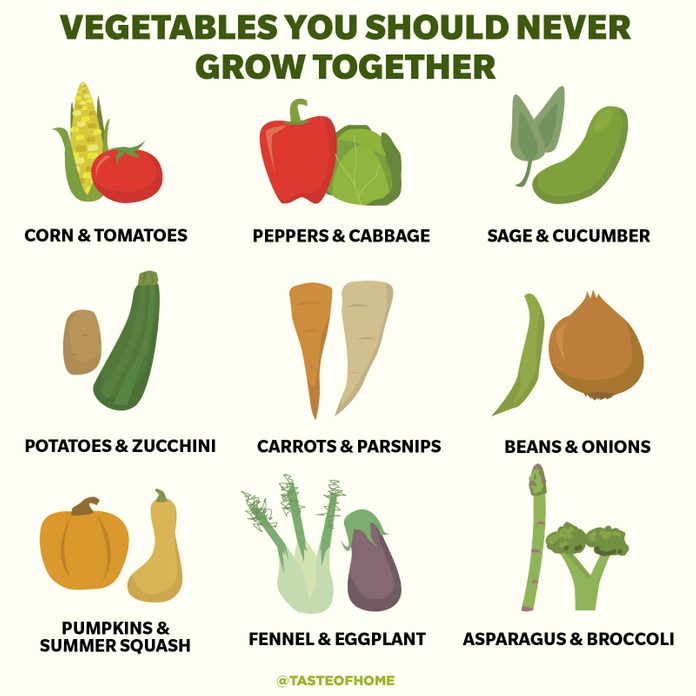
Lettuce, while a popular garden plant, can have specific companion planting rules to ensure optimal growth and yield. Certain plants do not coexist well with lettuce due to competition for nutrients, pest attraction, or allelopathic properties. Here are some plants that are known not to like lettuce:
Cucumbers
Cucumbers can be a challenging companion for lettuce due to their growth habit and nutrient demands. They tend to shade lettuce, limiting its exposure to sunlight, which is crucial for photosynthesis. Additionally, cucumber plants can attract pests which may also impact lettuce.
- Competes for light in garden beds.
- May attract pests that target both plants.
- Poor air circulation can lead to fungal diseases.
Carrots
While carrots and lettuce may seem compatible at first glance, their roots may create competition in the soil. Carrots grow deep, while lettuce has a more shallow root system. This can lead to a rivalry for valuable nutrients and water, potentially stunting the growth of both.
- Root systems can compete for resources.
- May hinder nutrient availability.
- Different watering requirements can complicate care.
Potatoes
Potatoes are known to release certain compounds into the soil that can negatively affect the growth of lettuce. Their pests, like aphids and certain beetles, can also spread to lettuce, causing additional issues. Therefore, planting these two together can lead to poor yields for lettuce.
- May produce compounds that inhibit lettuce growth.
- Common pests can migrate from potatoes to lettuce.
- Can cause nutrient depletion in the soil.
Radishes
Radishes, while generally easy to grow, can create chemical interactions in the soil that may not favor lettuce. The strong flavor and rapid growth of radishes can lead to competition for nutrients, ultimately impacting lettuce growth and flavor.
See also:
- Radishes can outgrow lettuce, leading to competition.
- Chemicals from radishes may be alleopathic.
- Rapid leaf development can lead to shadowing of lettuce.
Alliums (Onions, Garlic, etc.)
Alliums, including onions and garlic, emit sulfur compounds which may negatively impact the growth of lettuce. While they are effective at deterring certain pests, they can also inhibit healthy growth of neighboring plants such as lettuce.
- Sulfur compounds can generate growth inhibition.
- May attract specific pests that can also target lettuce.
- Different nutrient requirements may lead to competition.
What is best planted next to lettuce?
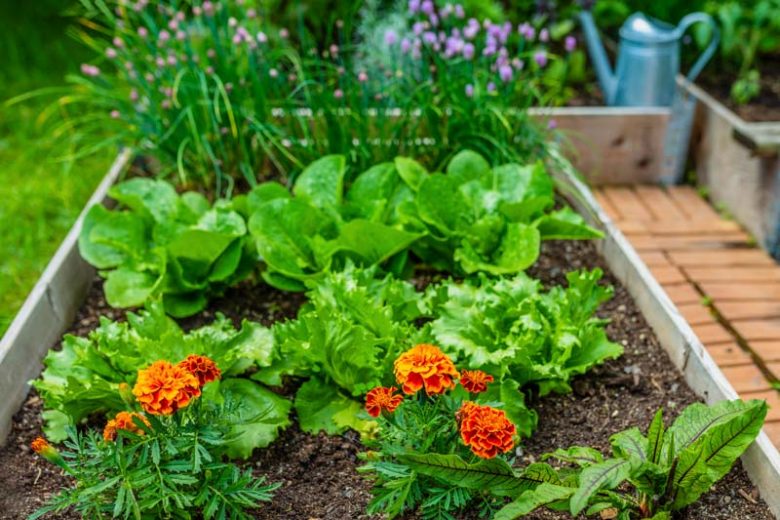
Lettuce, a popular leafy green vegetable, benefits from specific companion plants that can enhance growth, deter pests, and improve soil health. Here are some of the best plants to grow alongside lettuce:
Companion Plants for Lettuce
Planting alongside lettuce can create a favorable environment, maximizing growth and taste. Beneficial companions include:
- Radishes: They grow quickly and can help break up the soil, allowing lettuce roots to expand.
- Carrots: These root vegetables have a deep growing pattern that won't compete for nutrients with lettuce.
- Beets: Similar to carrots, they grow downward, leaving plenty of room for lettuce to thrive above.
Herbs that Complement Lettuce
Certain herbs can provide beneficial properties when paired with lettuce. These include:
- Basil: This herb can repel harmful insects and promote the health of nearby lettuce.
- Cilantro: It attracts beneficial insects that can help control pests targeting lettuce.
- Dill: Known for luring pollinators, dill enhances the garden's biodiversity, favoring lettuce growth.
Flowers that Benefit Lettuce Plants
Planting flowers near lettuce can attract beneficial insects. Consider the following:
- Marigolds: These vibrant flowers deter insects like aphids that may harm lettuce.
- Nasturtiums: They act as a trap crop, drawing pests away from lettuce.
- Borage: Known for attracting pollinators, it improves the flavor and growth of nearby lettuce.
Pest Deterrents for Lettuce
Certain plants can help protect lettuce from pests, enabling better yields. Key deterrents include:
- Garlic: A natural repellent for aphids and other pests, garlic can safeguard lettuce.
- Onions: Similar to garlic, they emit sulfur compounds that ward off common lettuce pests.
- Chives: Their strong aroma will deter pests while also offering culinary benefits.
Benefits of Crop Rotation with Lettuce
Crop rotation plays a vital role in maintaining soil health and reducing pest build-up. Key reasons include:
- Soil Nutrient Management: Alternating crops like beans or peas can replenish nitrogen in the soil, benefiting future lettuce plantings.
- Pest Control: Rotating crops disrupts pest life cycles, reducing infestations in subsequent lettuce harvests.
- Soil Structure Improvement: Different root structures from various plants can help aerate and improve soil texture.
Which vegetables should not be planted next to each other?
Understanding Plant Compatibility
Plant compatibility is crucial for a thriving garden. Certain vegetables can compete for nutrients, space, and light, leading to reduced growth and productivity. Understanding which plants do not get along can help gardeners maximize their yields and maintain healthy plants. The following factors influence plant compatibility:
- Nutrient competition: Some plants may deplete the soil of specific nutrients that others need.
- Pest attraction: Certain vegetables may attract pests that can harm adjacent crops.
- Disease susceptibility: Nearby plants can spread diseases to each other.
Tomatoes and Potatoes
Tomatoes and potatoes belong to the Solanaceae family and share similar growing requirements, but planting them together can lead to problems. They are both susceptible to the same pests and diseases, such as blight. If one plant becomes infected, it can easily spread to the other. This significantly increases the risk of crop failure.
- Increased risk of disease: They are both affected by blight and can transmit it.
- Pest attraction: They attract similar pests, compounding infestation issues.
- Resource competition: They compete for the same nutrients, reducing overall health.
Carrots and Dill
Carrots, known for their root development, do not thrive when planted near dill, which can hinder their growth. Dill can produce a chemical that deters carrot flies, a common pest, but it can also stunt the growth of the carrots themselves. Instead of this pairing, consider planting dill away from the carrot patch to avoid interference.
- Growth inhibition: Dill's presence can stunt carrot development.
- Pest confusion: Although dill can attract beneficial insects, it can also confuse pests.
- Space competition: Both plants require space and nutrients which can be limited.
Beans and Onions
Beans are known for their ability to enrich the soil with nitrogen, while onions prefer nutrients that beans might deplete. These two crops can negatively affect each other’s growth due to their different nutrient needs and allelopathic qualities. Onions can produce compounds that inhibit the bean’s growth, leading to poor yields.
See also:
- Nutrient depletion: Beans add nitrogen; onions may need those nutrients.
- Allelopathy: Onions release substances harmful to beans.
- Pest issues: They attract different pests that can complicate crop management.
Garlic and Peas
Garlic can be a great companion for many vegetables, but not for peas. The allelopathic effects of garlic can stunt the growth of pea plants, hindering their overall production. Garlic emits chemicals that can negatively impact the growth of other legumes, making it essential to keep these two apart in the garden.
- Growth stunting: Chemicals from garlic inhibit pea growth.
- Nutrient competition: Both plants require substantial amounts of nutrients.
- Pest attraction: They may attract different pests that could complicate care.
Cabbage and Strawberries
Cabbage and other members of the Brassica family can negatively affect strawberries when planted nearby. While strawberries thrive in light and airy spaces, cabbage plants can spread diseases that may infect strawberries. Additionally, they can also compete for soil nutrients, leading to poor strawberry production.
- Diseases transmission: Cabbage can host diseases that affect strawberries.
- Nutrient competition: Both berries and cabbage need rich soil.
- Space requirements: Cabbage may overshadow and starve strawberries of sunlight.
Can I put coffee grounds on my lettuce plants?
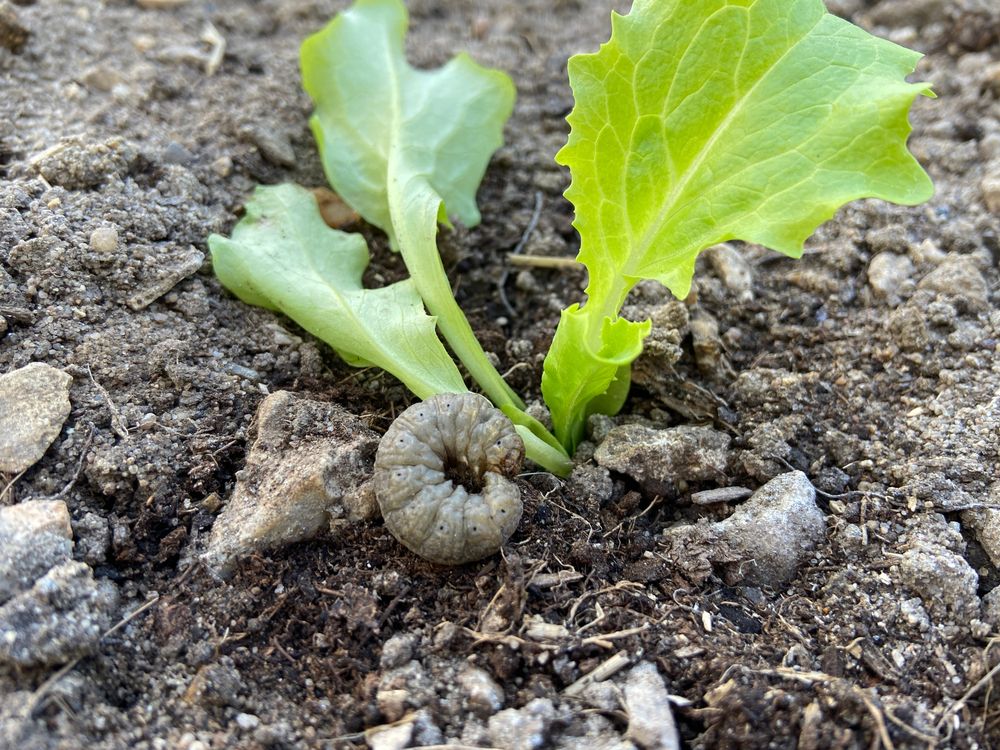
Yes, you can use coffee grounds on your lettuce plants. Coffee grounds offer several benefits that can enhance soil health and improve plant growth. They are rich in essential nutrients like nitrogen, phosphorus, and potassium, which are vital for the healthy development of lettuce. However, it’s important to apply them correctly to avoid potential issues.
Benefits of Coffee Grounds for Lettuce Plants
Using coffee grounds can provide several benefits to your lettuce plants, including:
- Nutrient Enrichment: Coffee grounds are rich in nitrogen, which is essential for leaf growth.
- Improved Soil Structure: Mixing coffee grounds into your soil can enhance its structure, improving drainage and aeration.
- Pest Deterrent: Coffee grounds can help repel certain pests like slugs and snails when sprinkled around the plants.
How to Apply Coffee Grounds
Applying coffee grounds effectively involves following certain guidelines to maximize their benefits:
- Composting: Consider adding coffee grounds to your compost pile for a balanced mix of materials.
- Direct Application: You can mix the grounds directly into the soil around your lettuce plants, but limit the amount to avoid overconcentration.
- Watering: After applying the coffee grounds, ensure you water the plants thoroughly to help integrate the grounds into the soil.
Potential Downsides of Using Coffee Grounds
While there are many benefits, it is crucial to be aware of potential downsides:
- Acidity: Coffee grounds can slightly acidify your soil, which may affect sensitive plants if used excessively.
- Overapplication: Using too many grounds can create a layer that blocks water penetration and air circulation.
- Fungal Growth: Excessive coffee grounds can sometimes lead to fungal issues if not properly managed in the soil.
Best Practices for Using Coffee Grounds in the Garden
To get the most out of your coffee grounds, consider these best practices:
- Moderation: Use coffee grounds sparingly—about 10% of your total soil mix is a good rule of thumb.
- Mixing: Incorporate the grounds with other organic matter or compost to balance nutrients.
- Observation: Monitor your plants for any signs of distress after applying coffee grounds and adjust accordingly.
Alternative Uses for Coffee Grounds in the Garden
If coffee grounds aren't suitable for your lettuce, there are other uses:
- Fertilizer for Other Plants: Use coffee grounds on nitrogen-loving plants, such as tomatoes or peppers.
- Soil Amendment: They can be added to garden soil to improve texture and nutrient content for future crops.
- Biofungicide: Coffee grounds can inhibit the growth of certain plant pathogens when used correctly.
Questions from Our Readers
What plants should be avoided when growing lettuce?
When growing lettuce, it is best to avoid planting it alongside strongly-flavored herbs like sage and rosemary as they can compete for nutrients and negatively affect the taste of the lettuce. Additionally, cucumbers are problematic because they may harbor pests that can damage lettuce.
Why shouldn't you plant lettuce with carrots?
Lettuce and carrots should not be planted together because they have different growth rates and competing root systems. The lettuce can mature quickly and be harvested before carrots, which may disrupt the growth of the latter and lead to poor yields.
Can planting onions near lettuce harm its growth?
Yes, planting onions near lettuce can be detrimental due to allelopathy; onions release natural chemicals that can hinder the growth of nearby plants, including lettuce. This competition for resources can stifle the development of the lettuce, leading to smaller or less flavorful heads.
What happens if you plant lettuce with tomatoes?
Planting lettuce with tomatoes is not advisable, as tomatoes can produce significant shade when they grow tall, which may deprive lettuce of the light it needs to thrive. Additionally, tomatoes are susceptible to nematodes that can also harm lettuce, creating a poor growing environment.
See also:

If you want to read more articles like What Not to Plant with Lettuce? Essential Companion Planting Tips for a Thriving Garden, we recommend you check out our Garden category.
Leave a Reply
Related Articles