What Not to Plant Next to Onions? Essential Guide for Gardeners

When planning a garden, understanding plant compatibility is crucial for a thriving ecosystem. Onions, with their unique growth habits and strong flavors, can affect and be affected by neighboring plants in significant ways. Certain vegetables and herbs can stunt onion growth or lead to pest problems, compromising the health of your garden. This essential guide outlines what not to plant next to onions, helping gardeners make informed decisions to ensure a bountiful harvest. By avoiding specific combinations, you can create a more harmonious and productive garden space, allowing your onions to flourish alongside their compatible counterparts.
What Plants Should You Avoid Next to Onions?
When planning your garden, it's essential to consider which plants might not grow well in proximity to onions. Onions release certain compounds through their roots and foliage that can hinder the growth of neighboring plants. Therefore, it is generally advised to avoid planting beans, peas, carrots, corn, and broccoli next to onions. These crops either compete for the same nutrients or are negatively affected by the compounds released by onions, resulting in reduced yields and unhealthy plants. By understanding these relationships, you can create a more harmonious and productive garden environment.
Beans
Beans are sensitive plants that can suffer when planted near onions. The chemicals produced by onions can interfere with the nitrogen-fixing bacteria in beans, leading to poor growth and reduced yields. Additionally, beans require a different soil nutrient profile than onions, which can create competition and hinder both crops' development.
Peas
Similar to beans, peas are also negatively affected by the presence of onions. When grown nearby, the growth of pea plants can be stunted due to the allelopathic effects of onions. This means that the compounds onions release can inhibit the germination and overall health of pea plants, making it advisable to keep them separate in your garden layout.
Carrots
Planting carrots next to onions can lead to a variety of growth problems, primarily due to the growth inhibitors emitted by the onions. The relationship between these two vegetables is quite poor, as the onions can cause carrots to become deformed and stunted. For optimal carrot growth, they are best planted away from onion beds.
Corn
Corn is another crop that should be kept away from onions. The two plants can compete for similar resources, and the allelopathic compounds produced by onions can compromise the health of corn plants. Additionally, corn's tall stalks can block light and air circulation, making it difficult for onions to thrive, leading to a lack of productivity for both crops.
Broccoli
Lastly, broccoli should not be paired with onions in a garden. The chemical interactions between these two can lead to reduced growth and health, as onions can hinder the natural processes of broccoli. This competition for nutrients can weaken both crops, resulting in a lower yield and poorer quality produce.
| Plant | Reason to Avoid |
|---|---|
| Beans | Inhibition of nitrogen-fixing bacteria |
| Peas | Stunted growth due to allelopathy |
| Carrots | Deformed and stunted plants |
| Corn | Competition for resources and allelopathy |
| Broccoli | Reduced growth and health issues |
What plants should not be planted with onions?
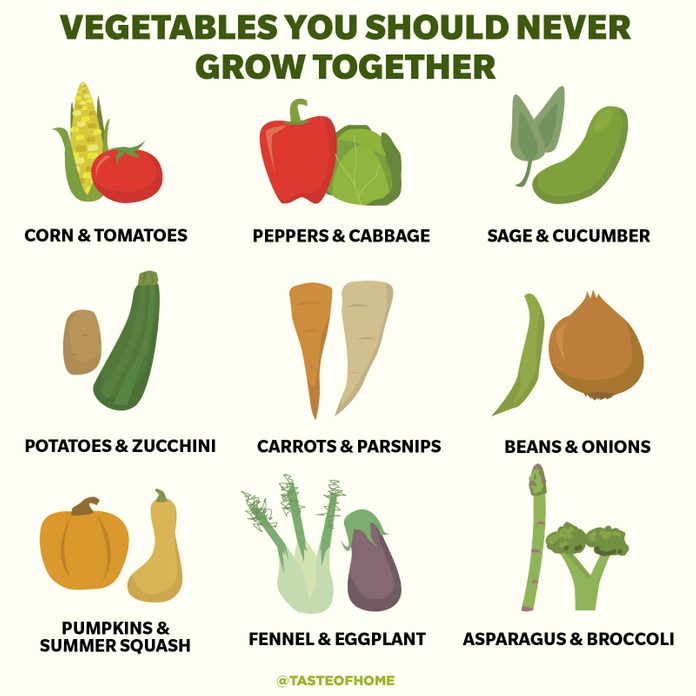
Onions are a versatile vegetable that can enhance the flavor of many dishes, but certain plants should be avoided when planting them together. This is important for maximizing plant health and yield. Here are some plants that should not be planted with onions:
Companion Planting Basics
Companion planting is the practice of planting different crops in proximity for pest control, pollination, and maximizing space. However, certain combinations can inhibit growth or attract pests. When considering planting onions, it’s crucial to note that onions release compounds that can negatively affect the growth of certain plants.
- Beans: Onions hinder the growth of beans by competing for nutrients and resources.
- Peas: Similar to beans, peas suffer from reduced growth rates when planted near onions.
- Asparagus: Onions can inhibit the development of asparagus, making it less productive.
Why Beans Should Be Avoided
Beans and onions do not coexist well in the garden. Beans are sensitive to the sulfides produced by onions, which can stunt their growth. Additionally, since both plants are of different family types, they compete for soil nutrients, which can significantly reduce the yield of both.
- Growth inhibition: The interaction between beans and onions limits the ability of beans to thrive.
- Nutrient competition: Both plants utilize similar soil nutrients, which leads to deficiencies.
- Pest attraction: Their distinct scents can confuse helpful insects.
The Impact of Peas
Peas also find it challenging to grow near onions, as the compounds that onions emit can disrupt the natural growth processes of pea plants. Moreover, similar to beans, peas take up nutrients that might be needed by onions, creating further competition.
- Root competition: Onions may alter the soil environment, affecting pea root development.
- Flavor alteration: Onions can affect the flavor of peas, leading to undesirable taste.
- Growth suppression: Peas planted close to onions may develop slower than they would alone.
Asparagus and Onions
Asparagus, a perennial vegetable, should not be paired with onions as well. The chemical compounds released by onions can stunt asparagus growth, which is vital for its long-term output. Moreover, both plants require different watering and light conditions, which complicates their growth when planted together.
See also:
- Stunted growth: Onions can lead to reduced growth and production of asparagus spears.
- Microbial imbalance: Both plants have unique beneficial microorganisms; mixing them can upset this balance.
- Resource conflicts: They may compete for sunlight and water, negatively affecting both crops.
Other Plants to Avoid
In addition to beans, peas, and asparagus, there are other plants that should be avoided when growing onions. Certain herbs and other vegetables can have a negative impact on onion growth or flavor due to compounding factors.
- Garlic: Although similar, garlic can inhibit onion growth due to a strong scent.
- Shallots: They compete directly with onions and can affect yields.
- Cabbage: Cabbage family plants can suffer when grown alongside onions.
Managing Planting Techniques
To ensure optimal growth and yield, it's crucial to understand the suitability of different plants when planning your garden layout. By managing spacing and combinations effectively, gardeners can avoid detrimental pairings and foster a healthy environment for their crops.
- Soil testing: Regularly test soil conditions for a balanced nutrient profile.
- Crop rotation: Change plant families every season to prevent nutrient depletion.
- Intercropping: Combine compatible plants for maximum utilization of garden space.
What not to put next to onions?
Onions are a common staple in many kitchens due to their versatility and flavor-enhancing properties. However, certain foods should not be stored next to them due to their ethylene production and the flavor transfer that can occur. Here are some foods you should avoid putting next to onions:
Fruits That Produce Ethylene
Fruits such as apples, bananas, and pears release ethylene gas as they ripen. This gas can cause onions to spoil more quickly and can lead to unpleasant flavors in both the onions and the fruits. Avoid placing these fruits in close proximity to your onions to prolong their shelf life.
- Apples: Cause onions to sprout and can alter their taste.
- Bananas: Accelerate the ripening process and spoilage of onions.
- Pears: Similar effects due to ethylene production.
Potatoes
Potatoes and onions are both root vegetables, but they have different storage needs. When stored together, they can create a moist environment that promotes rot and spoilage. Additionally, the gases released by onions may lead to increased sprouting in potatoes.
- Moisture: Both vegetables don't like excess moisture which can lead to rot.
- Consistency: Differing rates of spoilage can affect both items.
- Flavor Exchange: Potatoes may absorb onion flavors and vice versa.
Garlic
While garlic and onions are versatile and often used together in cooking, storing them together is not advisable. Both release gases that can lead to mold growth and spoilage. Storing garlic with onions can also result in mingling scents which may not be desirable.
- Mold Growth: The humidity produced can promote mold.
- Flavor Transfer: Garlic may absorb onion flavors.
- Storage Conditions: Both require airy, cool spaces but prefer different humidity levels.
Herbs
Storing fresh herbs next to onions can lead to faster deterioration of the herbs. Onions release moisture and gases that can make herbs wilt prematurely and lose their vibrant flavor.
- Moisture Absorption: Herbs can become soggy and spoil quickly.
- Flavor Alteration: Onions can overpower the delicate flavors of fresh herbs.
- Longevity: Herbs stored near onions do not last as long.
Other Strong-Smelling Vegetables
Vegetables like leeks and celery that possess strong odors are also best kept away from onions. The odors can mix and result in a less pleasurable cooking experience. Strong-smelling vegetables can also cause onions to absorb these odors.
- Odor Transfer: Strong smells mix and affect flavor.
- Flavor Compromise: Mixed flavors can alter the intended dish.
- Shelf Life: These vegetables can spoil faster when stored together.
What plants should you keep away from onions?
Onions are a versatile and popular vegetable in gardens, but they are also known to be sensitive to the presence of certain plants nearby. Some plants can negatively affect the growth and flavor of onions. Below are the plants that should be kept away from onions.
Companions to Avoid
Keeping certain companion plants away from onions is essential to prevent poor growth and reduced yields. Some species produce chemicals that can interfere with the metabolism of onions.
- Beans: They can lead to stunted growth of onions when planted in proximity as they secrete allelopathic substances.
- Cabbage Family: Members such as brussels sprouts, kale, and cabbage compete for nutrients and can inhibit onion development.
- Peas: Similar to beans, they can also emit chemicals harmful to onions and stifle their growth.
Plants That Attract Pests
Certain plants can attract pests that specifically target onions. Keeping these species away can help protect your onion crop from infestations.
See also:
- Carrots: They can attract pests like the onion maggot, which can be particularly harmful to onions.
- Parsley: This herb can attract aphids and other pests that could damage onions if planted too close.
- Celery: Often attracts similar pests that could create problems for onion plants in the garden.
Nutrient Competition
Onions require a variety of nutrients for optimal growth. Certain plants can outcompete onions for these essential resources, leading to poor harvests.
- Tomatoes: They are heavy feeders and can take up nutrients that onions need, leading to deficiencies.
- Potatoes: Both require similar nutrients, which can lead to competition, stunting onion growth.
- Beets: These root vegetables can absorb nutrients from the soil that onions need, harming their growth potential.
Soil pH Adjustments
The pH level of the soil can be adversely affected by certain plants, which can, in turn, impact onion health.
- Sweet Potatoes: They can alter the soil's pH balance, making it less favorable for onions.
- Azaleas: Known to acidify the soil, resulting in unsuitable growing conditions for onions.
- Rhododendrons: Similar to azaleas, they can also lead to increased acidity in the soil.
Impact of Fungal Diseases
Certain plants are susceptible to fungal diseases that can affect onions if planted nearby. These diseases can spread through the soil or pests, leading to severe issues for the onion crop.
- Garlic: While closely related, garlic can harbor diseases like white rot that may affect onions.
- Lettuce: It is prone to fungal diseases that can transfer to onions, leading to compromised health.
- Spinach: Fungal infections in spinach can subtly transition to onions, exacerbating disease management.
What plants are bad for onions?
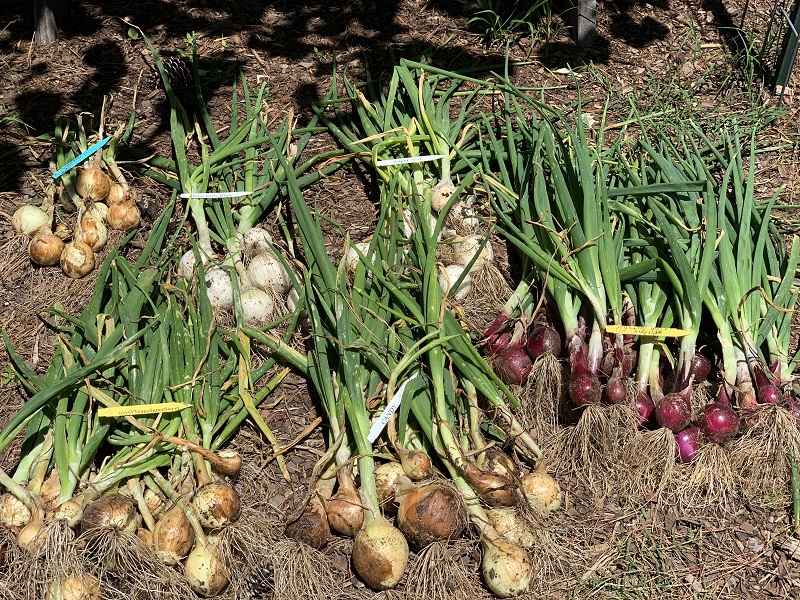
Onions are popular garden crops known for their culinary uses, but they can be affected negatively by certain companion plants. Here is a detailed exploration of what plants are considered bad for onions.
1. Leeks
Leeks are closely related to onions and can compete for the same nutrients in the soil. They can also attract similar pests, which may lead to increased vulnerability for both crops.
- Competition: Both plants require the same nutrients, which can lead to stunted growth.
- Pest Attraction: Leeks and onions attract similar pests, increasing the risk of infestation.
- Disease Transmission: Ailments affecting leeks can also affect onions due to their genetic closeness.
2. Garlic
Garlic, while another member of the allium family, can produce compounds that may inhibit the growth of onions when planted nearby.
- Allelopathy: Garlic releases substances that can suppress onion growth.
- Pest Concerns: Planting garlic near onions might also lead to shared pests.
- Root Competition: Garlic roots might compete with onions for space and nutrients.
3. Beans
While some beans are beneficial companions, others can hinder onion growth. The nitrogen-fixing properties of beans can disrupt the nutrient balance required for optimal onion growth.
- Nitrogen Levels: Excess nitrogen from beans may promote leaf growth over bulb formation in onions.
- Root Interference: Bean roots can interfere with onion roots, affecting their growth.
- Shared Pests: Beans can attract pests that also target onions.
4. Sage
Sage can be detrimental to onions due to its strong growth habits and ability to release compounds that can be harmful to nearby plants.
- Growth Competition: Sage can overshadow onions and take vital resources.
- Allelopathic Effects: The chemicals produced by sage may inhibit onion growth.
- Pest Issues: Sage may attract pests that can negatively affect onions.
5. Asparagus
Asparagus is known to be a poor companion for onions primarily due to its different growing seasons and nutrient needs.
- Seasonal Differences: Onions and asparagus have different growing times, which can lead to resource competition.
- Nutrient Demands: Both plants have different requirements for nutrients and water, leading to potential deficiencies.
- Pest Concerns: Pests attracted to asparagus can also pose threats to onions.
Questions from Our Readers
What plants should be avoided when planting onions?
Onions should not be planted near peas, beans, or garlic. These plants can compete for nutrients and may hinder the growth of onions, leading to poor yields.
Why shouldn't I plant onions next to carrots?
Planting onions next to carrots can cause poor growth for both crops. The strong scent of onions may interfere with the development of carrots and can attract pests that harm both plants.
Can onions be planted near tomatoes?
It is generally not recommended to plant onions near tomatoes as they may compete for nutrients and water. Additionally, the flavor of tomatoes can be negatively affected by the presence of onions nearby.
See also:
Are there any benefits to planting onions with other crops?
While there are crops to avoid, onions can benefit from being planted with cabbage, lettuce, or beets. These plants can help repel pests and enhance growth when planted in the same area.

If you want to read more articles like What Not to Plant Next to Onions? Essential Guide for Gardeners, we recommend you check out our Garden category.
Leave a Reply
Related Articles