Can I Plant Carrots Next to Tomatoes? Discover the Benefits and Tips for Companion Gardening
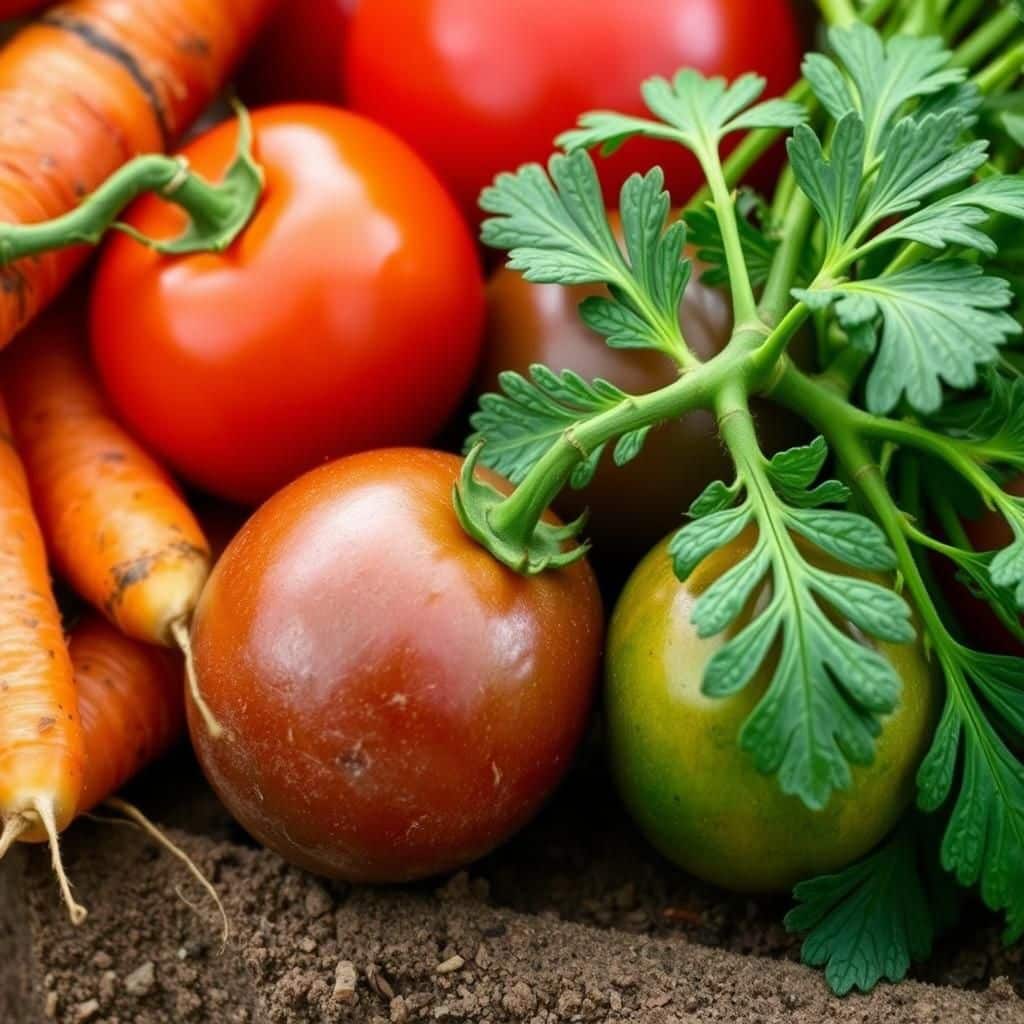
Companion gardening is a popular practice among gardeners looking to optimize their planting strategies for a bountiful harvest. One common question that arises is whether carrots can be planted next to tomatoes. This article explores the benefits of this pairing, examining how these two crops can coexist harmoniously in the garden. By understanding their growth habits and potential interactions, gardeners can make informed choices that enhance yield and promote plant health. Join us as we delve into tips and insights for successfully growing carrots alongside tomatoes, ensuring a flourishing garden that thrives on companionship.
Can I Plant Carrots Next to Tomatoes?
Planting carrots next to tomatoes can be advantageous since they are generally considered compatible companions in the garden. Carrots thrive in conditions where they can receive ample sunlight and are supported by the nearby foliage of tomato plants, which can provide some shade during the hottest parts of the day. Additionally, tomatoes can help repel pests that would otherwise target carrots, while the root structure of carrots allows them to utilize nutrients in a different layer of the soil, preventing competition for resources. However, it’s essential to ensure that both plants are healthy, as poor health in one can affect the other, and good spacing must be maintained to avoid overcrowding.
Benefits of Planting Carrots and Tomatoes Together
The companion planting of carrots and tomatoes offers numerous benefits, including improved pest resistance and better nutrient absorption. Carrots can help to break up the soil with their roots, improving drainage and allowing both plants to access nutrients more effectively. Tomatoes, on the other hand, are known to deter some common pests like aphids, which can be harmful to carrot plants. This symbiotic relationship can contribute to a healthier and more productive garden.
Ideal Growing Conditions for Carrots and Tomatoes
To successfully grow carrots and tomatoes together, it is crucial to provide optimal growing conditions for both. Carrots prefer well-drained soil rich in organic matter, while tomatoes thrive in slightly more fertile soil. Both plants require full sunlight, with tomatoes needing at least 6-8 hours per day, though carrots can handle a little more shade. Maintaining suitable moisture levels is also vital, as carrots can suffer from split roots in overly dry conditions, while tomatoes may succumb to blight if overwatered.
Potential Challenges of Planting Together
Despite their compatibility, there are some potential challenges when planting carrots and tomatoes alongside each other. One common issue is the competition for nutrients; if the tomatoes are particularly vigorous, they may outcompete the carrots for vital resources. Furthermore, if either plant becomes diseased, it can quickly spread to the other, particularly if pests are involved. Ensuring proper spacing and monitoring the health of both plants is essential to mitigate these risks and maintain a well-functioning garden ecosystem.
Spacing Requirements for Carrots and Tomatoes
Proper spacing is vital when planting carrots and tomatoes together to ensure that both can thrive without competing for space and resources. Carrots should be sown about 2-3 inches apart for optimal growth, while tomato plants typically require at least 24-36 inches of space between each plant depending on the variety. This spacing not only allows for sufficient air circulation and light penetration but also prevents root and foliage overlap, which can lead to issues such as disease and reduced yield.
See also:
Best Practices for Companion Planting
When practicing companion planting with carrots and tomatoes, it's important to adhere to some best practices. First, consider implementing a crop rotation strategy in subsequent growing seasons to avoid soil depletion and the buildup of pests. Utilize compost to enrich the soil, as it benefits both species and encourages robust growth. Additionally, regular maintenance, such as weeding and monitoring plant health, can ensure that both crops flourish together. Mulching around the base of both plants will help retain moisture and suppress weeds, further benefitting both crops.
| Plant | Ideal Spacing | Sunlight | Watering |
|---|---|---|---|
| Carrots | 2-3 inches | Full sun | Moderate |
| Tomatoes | 24-36 inches | Full sun | Regular, avoid overwatering |
What should not be planted near carrots?
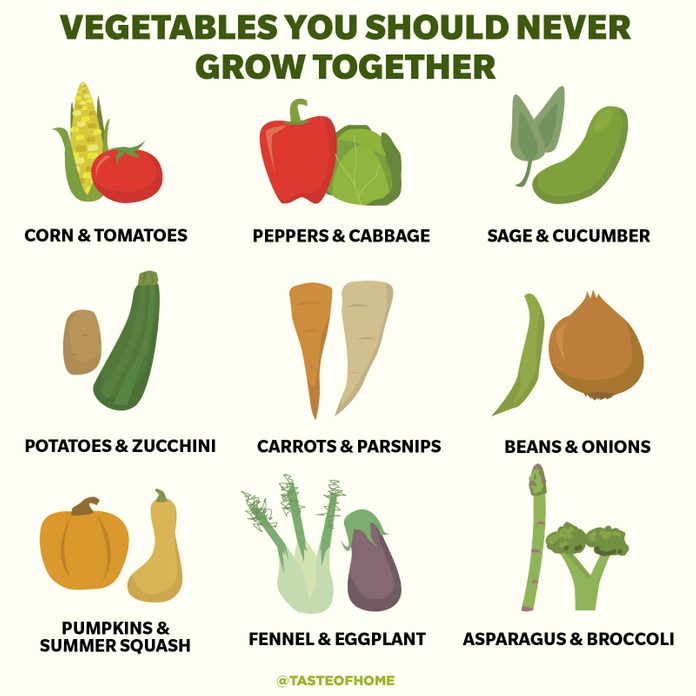
Carrots are a popular garden vegetable known for their sweet taste and nutritional benefits. However, some plants can negatively affect their growth and development when planted nearby. Understanding these companion planting rules is essential for a successful garden.
Understand Carrot Growth Requirements
Carrots thrive in well-draining, sandy soil with ample sunlight. It's crucial to know what plants can disrupt their growth and potentially inhibit their development. Here are some key points regarding carrots' growth requirements:
- Carrots prefer a pH level of 6.0 to 7.0.
- They require full sunlight for at least six hours per day.
- These vegetables need consistent moisture without being waterlogged.
Plants to Avoid
Certain plants are known to produce chemicals or compete for nutrients that can hinder carrot growth. The following plants should be avoided near carrots:
- Onions: They release sulfur compounds that can stunt carrot development.
- Dill: This herb can cross-pollinate with carrots, leading to undesirable flavors.
- Celery: It competes for similar resources and can lead to poor growth.
Negative Effects of Alliums
Alliums, such as onions, garlic, and leeks, can negatively impact carrots due to their specific chemical properties. These plants release compounds that can inhibit carrot root formation and yield:
See also:
- They may produce other growth-inhibiting substances in the soil.
- Alliums can attract pests that may also affect carrots.
- Competing for nutrients may weaken both crops.
Competing Vegetables
Plants that have similar nutrient requirements may compete with carrots, leading to reduced growth and lower yields. It is best to keep these plants away from your carrot patch:
- Potatoes: Both crops have similar nutrient needs and may deplete the soil.
- Tomatoes: They can compete for light and nutrients, resulting in weaker carrot plants.
- Beets: Like carrots, beets prefer similar growing conditions, potentially leading to competition.
Effects of Toxic Plants
Certain plants can be toxic to carrots, leading to detrimental effects on growth and root quality. Here’s how toxic plants can play a role in your garden:
- Euphorbia: This plant can release toxins into the soil that hinder carrot development.
- Nightshade: Close proximity can interfere with carrot growth and increase vulnerability to diseases.
- Bitter herbs: Some herbs can alter the taste and quality of carrots if planted too close.
Questions from Our Readers
Can I plant carrots next to tomatoes?
Yes, you can plant carrots next to tomatoes. These two plants have different growth habits and nutrient requirements, so they can coexist without competing for resources. However, it's important to ensure that they both have enough space to grow.
What are the benefits of planting carrots and tomatoes together?
One of the main benefits of planting carrots and tomatoes together is pest control. Carrots can help deter certain pests that might affect tomatoes, while tomatoes can provide shade that may benefit the carrots as they grow.
What should I consider when planting carrots next to tomatoes?
When planting carrots next to tomatoes, you should consider their root depth and spacing. Carrots grow underground, while tomatoes grow above, so ensure that the carrots have enough room to develop without being overshadowed by the tomatoes.
Are there any drawbacks to planting these two together?
While planting carrots and tomatoes together is generally beneficial, one potential drawback is the competition for nutrients. Both plants require nutrients, so make sure to provide adequate fertilizers and monitor their growth closely to prevent any deficiencies.
See also:

If you want to read more articles like Can I Plant Carrots Next to Tomatoes? Discover the Benefits and Tips for Companion Gardening, we recommend you check out our Garden category.
Leave a Reply
Related Articles