What are the synonyms of garden? Discover Alternative Terms and Meanings
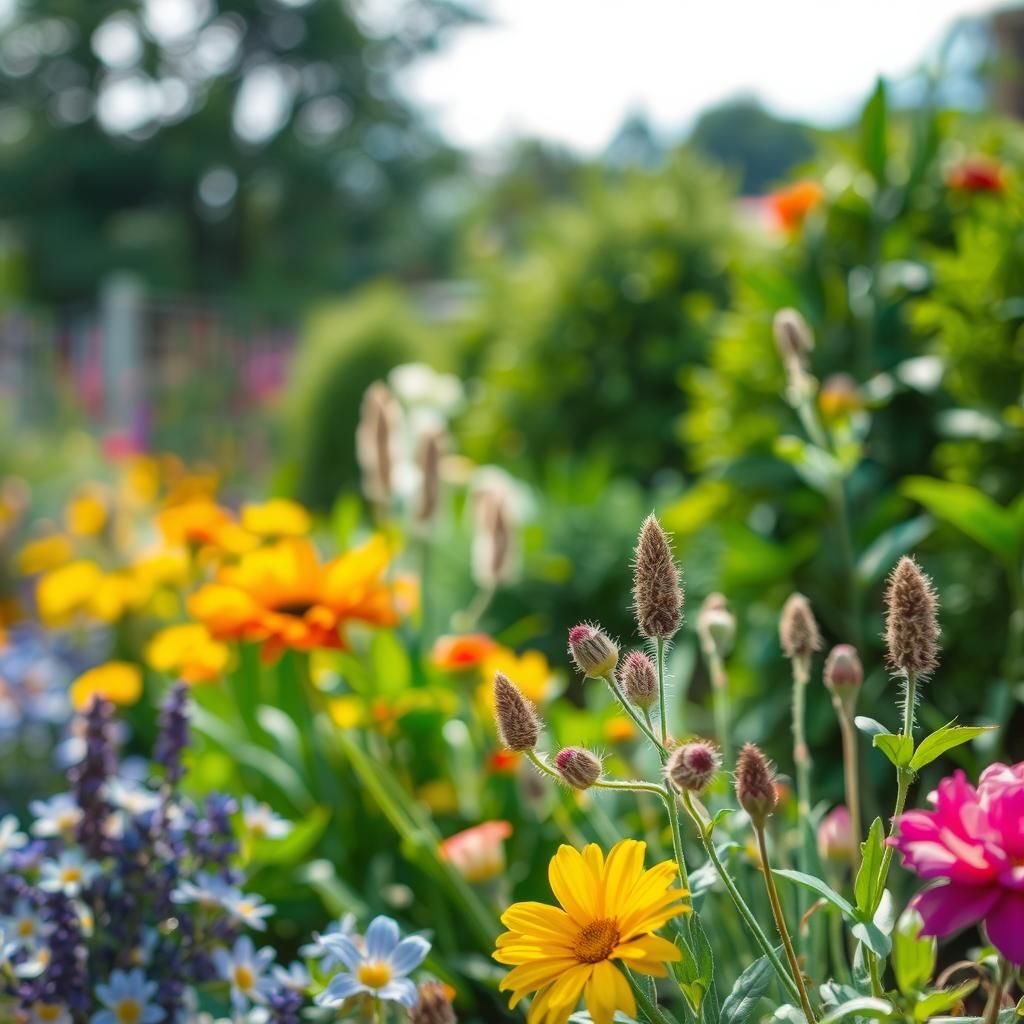
Gardens have long been celebrated as spaces of tranquility, beauty, and growth, but did you know that there are numerous synonyms that can enrich your vocabulary? In this article, we will explore various alternative terms for garden, each with its own unique connotations and contexts. From the structured elegance of park to the intimate feel of yard, these synonyms offer different shades of meaning that can enhance your expression. Whether you're a writer seeking variety in your descriptions or simply curious about language, join us as we uncover the diverse world of gardening terminology.
Synonyms of Garden
A garden is often associated with nature, beauty, and cultivation, representing a space where plants, flowers, and sometimes vegetables are nurtured. The term has many synonyms, each with a unique connotation, reflecting varying aspects of gardens. For instance, a “yard” typically refers to an outdoor area around a home that may or may not be cultivated, while “park” evokes a public space designed for recreation and enjoyment of nature. Other related terms include “greenhouse,” which indicates a structure for growing plants in controlled conditions, “orchard,” specifically indicating a space dedicated to fruit trees, and “horticulture,” emphasizing the science and art of garden cultivation. Each synonym captures different elements of what constitutes a garden, showing the diversity of plant-based environments.
Yard
A yard is generally a portion of ground surrounding a residential building that may contain grass, flowers, and shrubs. Unlike a formal garden, a yard is often more focused on functionality and can serve as a play area, a space for pets, or a place for outdoor dining. While it may include some garden elements, the primary purpose is usually related to enhancing the aesthetic appeal of a home rather than cultivating a variety of plants.
Park
A park typically refers to a public or communal area designed for recreation and the enjoyment of nature. Parks often feature expansive lawns, walking paths, and themed gardens, making them places where people can gather, exercise, or relax. The term carries a broader scope, often encompassing playgrounds, sports facilities, and seating areas, which distinguishes it from a more personal and cultivated garden.
Greenhouse
A greenhouse is an enclosed structure designed for growing plants in a controlled environment. It allows for year-round cultivation by regulating temperature, humidity, and light levels. This structure is particularly beneficial for plants that require specific climatic conditions, making it a crucial synonym for those interested in the technical aspects of gardening and plant growth.
Orchard
An orchard specifically refers to a piece of land planted with fruit or nut trees and is often designed for commercial harvesting. Orchards are cultivated for productivity and typically have carefully arranged trees to optimize sunlight exposure and irrigation. This term highlights the agricultural aspect of gardening, focusing on the growth of specific types of plants for consumption rather than ornamental purposes.
Horticulture
Horticulture is the science and art of garden cultivation and management, encompassing various disciplines of plant cultivation. This term can refer to the growing of fruits, vegetables, flowers, and ornamental plants, focusing on the technical aspects of growing plants effectively. Horticulture also involves principles of design, management, and care that cater to aesthetics, functionality, and sustainability in gardening practices.
| Synonym | Description |
|---|---|
| Yard | Outdoor space around a home, often less formal than a garden. |
| Park | Public space for recreation, featuring natural landscapes. |
| Greenhouse | Enclosed structure for year-round plant cultivation. |
| Orchard | Land specifically cultivated with fruit or nut trees. |
| Horticulture | The science and art of growing and managing plants. |
What is a garden also called?
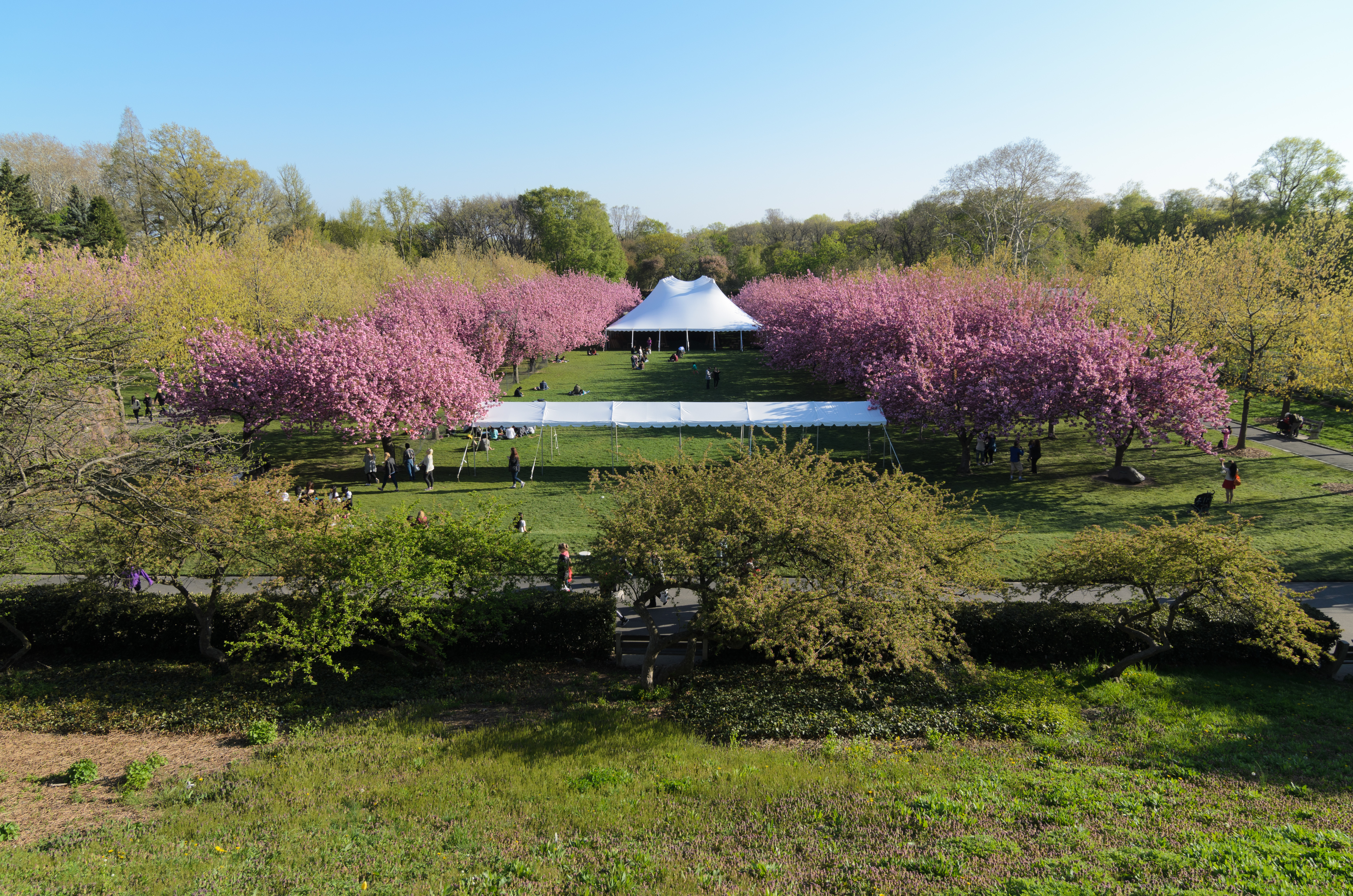
A garden is also referred to as a horticultural space or simply a yard, depending on its context and purpose. Gardens can vary significantly in design, style, and function. Some common synonyms for garden include plantation, park, botanical garden, and orchard. Each of these terms highlights a different aspect of what a garden encompasses, such as its focus on plants, recreational space, or specific types of flora.
Types of Gardens
Gardens can be categorized into several types based on their purpose and design. Common types include:
- Vegetable gardens: Designed specifically for growing vegetables and herbs for consumption.
- Flower gardens: Focused on cultivating a variety of flowering plants for aesthetic enjoyment.
- Zen gardens: Japanese-style gardens emphasizing simplicity and tranquility, often featuring sand, rocks, and minimalist plants.
Function of a Garden
Gardens serve multiple functions that vary among cultures and individuals. Some essential purposes include:
- Food production: Many gardens are created to grow fruits, vegetables, and herbs for personal use.
- Aesthetic appeal: Gardens are often designed to enhance beauty in residential and public spaces.
- Recreation and relaxation: They provide an area for leisure activities, fostering a peaceful environment.
Cultural Significance of Gardens
The importance of gardens transcends mere utility; they hold great cultural significance. Key aspects include:
- Historical symbolism: Gardens often represent cultural heritage and traditions in various societies.
- Artistic expression: The design and layout of a garden can serve as a canvas for artistic creation.
- Sustainability practices: Garden design often reflects a community's commitment to environmental sustainability.
Benefits of Having a Garden
Having a garden offers numerous benefits, some of which are:
See also:
- Improved mental health: Gardening activities can reduce stress and promote well-being.
- Physical activity: Engaging in gardening can contribute to physical fitness and health.
- Community connections: Gardens can serve as gathering spaces, fostering a sense of community.
Popular Garden Designs
Various designs can be employed to create unique garden experiences. Some popular options are:
- Formal gardens: Characterized by geometric shapes and symmetry, often adorned with manicured hedges and pathways.
- Cottage gardens: Emphasize a relaxed, informal layout with a mix of flowers, vegetables, and herbs.
- Vertical gardens: Utilize vertical space for planting, ideal for urban settings with limited ground area.
What is another name for a private garden?

A private garden is often referred to as a backyard garden. This term emphasizes the garden's location, typically situated at the back of a residence, and highlights its personal and intimate nature. Backyard gardens can vary greatly in size and design, offering homeowners a space for relaxation, recreation, and the cultivation of plants.
Defining a Backyard Garden
A backyard garden is fundamentally a private space where individuals can grow a variety of plants, from flowers to vegetables. This area is often designed to meet personal preferences and serves multiple purposes, such as:
- Cultivating food and herbs for personal consumption.
- Creating a serene environment for relaxation.
- Providing a space for outdoor activities and gatherings.
Benefits of Having a Private Garden
A private garden offers numerous advantages to its owner. It allows for the cultivation of plants in a controlled environment, enhancing one's quality of life. The benefits include:
- Improved mental health through interaction with nature.
- Opportunities for physical activity, such as gardening and landscaping.
- Access to fresh produce, promoting a healthier diet.
Design Ideas for a Backyard Garden
The design of a backyard garden can reflect the personality and lifestyle of its owner. Several popular design ideas include:
- Flower beds for vibrant colors and aesthetics.
- Vegetable plots for sustainable gardening.
- Seating areas with decorative features like fountains or sculptures.
Landscaping Elements for Private Gardens
A well-designed backyard garden incorporates various landscaping elements to enhance its beauty and functionality. Key elements to consider are:
- Trees and shrubs for shade and privacy.
- Pathways to guide movement and create structure.
- Lighting features to illuminate the garden at night.
Cultural Significance of Private Gardens
The cultural significance of backyard gardens varies across different societies. They often symbolize:
- Personal expression and creativity in landscaping.
- A connection to nature and sustainability.
- Traditions passed down through generations regarding gardening practices.
What is the scientific word for garden?
The scientific word for garden is horticulture, derived from the Latin words hortus, meaning garden, and cultura, meaning cultivation or growing. Horticulture encompasses all aspects of garden management, including the cultivation of plants for food, ornamental purposes, and other uses.
The Importance of Horticulture
Horticulture plays a crucial role in various aspects of human life and the environment. It not only contributes to food security but also enhances the aesthetic value of spaces and supports biodiversity. The importance of horticulture can be summarized in the following ways:
- Food Production: Horticulture is vital for growing a wide variety of fruits, vegetables, and herbs, contributing significantly to the global food supply.
- Environmental Benefits: Gardens enhance biodiversity, improve air quality, and provide habitats for various species.
- Psychological Impact: Gardening activities are known to reduce stress and promote mental well-being.
Types of Horticulture
There are several branches of horticulture, each focusing on different types of plants and cultivation methods. Understanding these types helps to appreciate the complexity and diversity within the field:
- Pomology: The study and cultivation of fruit-bearing plants.
- Olericulture: The cultivation of vegetables and their production.
- Landscape Horticulture: Focuses on designing and maintaining gardens and outdoor spaces.
Horticultural Practices
Professional horticulturists employ various techniques and practices to optimize plant growth and yield. These practices ensure plants thrive and enhance the overall quality of the garden:
See also:
- Soil Management: This involves testing and improving soil conditions to ensure optimal plant health.
- Irrigation Systems: Effective watering techniques help maintain adequate moisture levels in the soil.
- Pest Control: Integrated pest management strategies are used to protect plants without damaging the ecosystem.
The Role of Technology in Horticulture
Advancements in technology have significantly impacted horticulture, leading to more efficient practices and improved plant management. Some key technology applications include:
- Hydroponics: A method of growing plants without soil, using nutrient-rich water solutions.
- Precision Agriculture: Utilizes data analytics and sensors to monitor and manage crop health for higher yields.
- Biotechnology: Enhances plant traits through genetic modification and other technologies, improving resistance to diseases.
Future Trends in Horticulture
As global challenges continue to evolve, the field of horticulture is also adapting. Key trends that are shaping the future include:
- Sustainable Practices: There is a growing focus on organic gardening and sustainable practices to reduce environmental impacts.
- Urban Horticulture: Growing food in urban areas is becoming increasingly popular, addressing food deserts and promoting local food systems.
- Climate Adaptation: Developing resilient plant varieties that can withstand changing climate conditions is a priority for future horticulture efforts.
What is the Old English word for garden?

The Old English word for garden is geard. This term refers to an enclosed space, which may have been used for various purposes including cultivation, recreation, or as a yard around a household. The concept of a garden in Old English culture was closely tied to the idea of property and domesticity.
Historical Context of the Term Geard
The term geard reflects the agricultural practices and societal structures of early medieval Britain. Gardens were essential for survival, providing food and herbs.
- The importance of self-sufficiency in Anglo-Saxon households.
- The role of gardens in community and social life.
- How geard symbolizes ownership and land use.
Evolution of the Word Geard
Over the centuries, geard evolved into the Modern English word yard, but it also influenced the use of garden through linguistic shifts.
- The transition from Old English to Middle English and the adoption of Norman influences.
- Examples of other related words originating from geard.
- How the meaning and utilization of gardens changed over time.
Uses of Geard in Literature
In Old English literature, geard appears in various texts depicting the significance of gardens in cultural narratives.
- References in poems, such as Beowulf, highlighting community ties.
- The representation of gardens as symbols of beauty and tranquility.
- How geard connects to themes of nature and human interaction.
Garden Types in Old English Society
The types of gardens referred to by geard were diverse, serving different functions within communities.
- Vegetable gardens for sustenance and survival.
- Herb gardens for medicinal and culinary use.
- Decorative gardens symbolizing wealth and status.
Modern Interpretations of Geard
Today, while we may not use geard, its legacy continues in our understanding of gardens as multifaceted spaces.
- Comparisons between ancient gardens and contemporary practices.
- Environmental impacts of garden spaces in urban settings.
- How geard informs current gardening trends and philosophies.
Questions from Our Readers
What are some common synonyms for garden?
Common synonyms for garden include words like yard, plot, park, and lawn. Each term can have a slightly different connotation; for example, yard often refers to the area surrounding a house, while park usually indicates a public green space.
Are there different synonyms for garden based on the type?
Yes, there are indeed different synonyms for garden based on the context or type. For instance, orchard refers specifically to a garden where fruit trees are cultivated, while flowerbed indicates a section designed primarily for flowers.
Certainly! In a broader sense, garden can be synonymous with terms related to cultivation or landscaping, such as land, grounds, and flora. These terms emphasize the aspect of growing plants and maintaining outdoor spaces.
Do synonyms for garden vary by region or culture?
Yes, synonyms for garden can vary significantly by region and culture. For example, in some cultures, a kitchen garden might be referred to as a herb garden, highlighting the type of plants grown and reflecting local culinary practices.
See also:

If you want to read more articles like What are the synonyms of garden? Discover Alternative Terms and Meanings, we recommend you check out our Garden category.
Leave a Reply
Related Articles