Will Squirrels Eat Banana Peels? Discover the Surprising Truth!
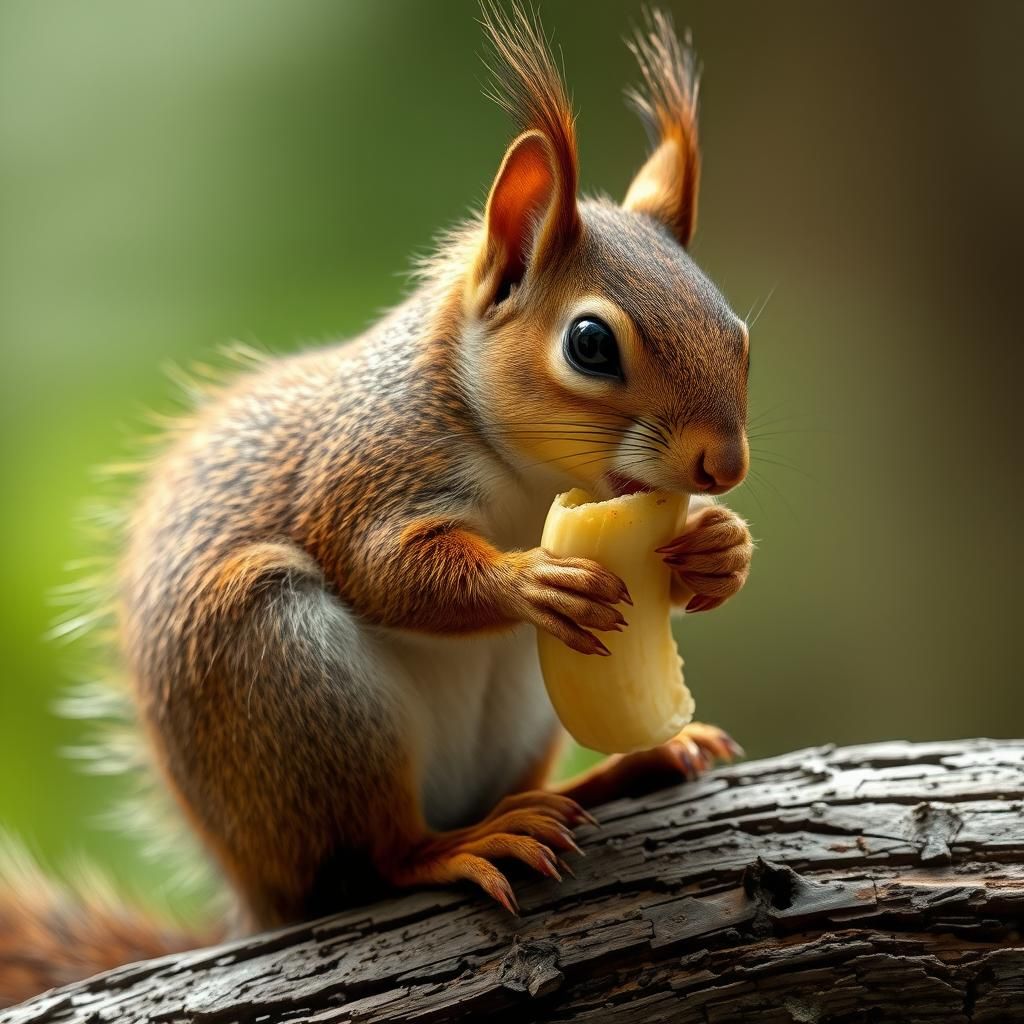
Squirrels are fascinating creatures known for their acrobatic feats and insatiable appetite for various foods. While many people enjoy watching these lively animals in their natural habitat, there’s often a curiosity about their dietary preferences. One question that frequently arises is whether squirrels will eat banana peels. At first glance, it may seem unlikely that these furry foragers would be interested in such an item. However, the surprising truth about squirrels and banana peels reveals more than just a simple yes or no answer. Join us as we explore the dietary habits of squirrels and uncover their potential attraction to this unusual snack.
Will Squirrels Eat Banana Peels?
Squirrels are known for their diverse diet, which primarily consists of nuts, seeds, fruits, and vegetables. When it comes to banana peels, these can indeed be consumed by squirrels, although it's essential to consider that they may not be as appealing as the banana fruit itself. The outer layer of a banana peel contains fibers and some nutrients, making it an edible option for squirrels, though they may prefer other types of food. While feeding squirrels banana peels occasionally won't harm them, it's always advisable to provide a balanced diet that includes a variety of natural foods to meet their nutritional needs.
Nutritional Value of Banana Peels
Banana peels are often overlooked as a food source, yet they contain several nutrients. Rich in fiber, potassium, and magnesium, they can offer health benefits to squirrels. However, the nutritional content in banana peels is not as concentrated as the flesh of the banana, making it a supplementary treat rather than a staple food.
Preference of Squirrels
Squirrels generally exhibit preferences for certain foods, and while they can eat banana peels, they may prefer more palatable options. Nuts, seeds, and soft fruits are typically favored over tougher or less appealing materials like peels. That said, if banana peels are their only option, squirrels may adapt and consume them without issue.
Potential Risks of Feeding Squirrels
Feeding squirrels banana peels should be done with caution, as some peels may contain pesticides or contaminants. It is crucial to ensure that any banana peels given to squirrels are thoroughly washed or ideally sourced from organic bananas to reduce the risk of exposure to harmful chemicals. Always monitor the squirrels for any adverse reactions when introducing new foods.
How to Offer Banana Peels to Squirrels
If you choose to feed squirrels banana peels, it’s best to cut them into small pieces to make them easier to eat. Placing the pieces near their foraging areas can encourage them to try the peels. It's essential to remember that moderation is key; banana peels should only be an occasional snack to maintain a balanced diet.
Alternatives to Banana Peels
If you're looking for alternatives to banana peels, consider fresh fruits, nuts, or seeds. Foods such as apples, berries, and carrots can provide more appealing flavors and greater nutritional value. These alternatives are typically well-received by squirrels, ensuring they gain the essential nutrients they require to thrive.
| Food | Nutritional Benefits |
|---|---|
| Banana Peels | Fiber, Potassium, Magnesium |
| Nuts | Healthy Fats, Protein |
| Fruits | Vitamins, Antioxidants |
| Vegetables | Fiber, Essential Nutrients |
| Seeds | Protein, Healthy Fats |
Will a squirrel eat a banana peel?

Yes, squirrels can eat banana peels, although they may not be their preferred choice of food. Squirrels are primarily herbivorous and enjoy a variety of foods, including fruits, nuts, seeds, and vegetables. Banana peels, while not toxic, are tougher and less palatable than the soft fruit itself. However, if other food options are limited, a squirrel may nibble on a banana peel.
Nutritional Value of Banana Peels
Banana peels contain some nutritional benefits that can be advantageous for squirrels, including:
- Vitamins: Peels are rich in vitamins such as B6 and B12.
- Minerals: They also provide minerals like magnesium, potassium, and iron.
- Fiber: The high fiber content can aid in digestion.
Banana Peel Texture
The texture of banana peels is significantly different from the flesh of the fruit. Squirrels might find it challenging to chew through the tough exterior. The characteristics include:
- Thicker Skin: The peel has a tougher consistency compared to the fruit.
- Less Moisture: It lacks the moisture content found in the fruit, making it less appealing.
- Potential Pesticides: If not organic, banana peels may have pesticide residues that deter consumption.
Behavioral Adaptations of Squirrels
Squirrels exhibit various behavioral adaptations that affect their food choices. When it comes to banana peels:
- Foraging Skills: Squirrels are adept at finding the best food sources and may overlook peels if better options are available.
- Curiosity: Their curiosity might lead them to explore and taste banana peels on occasion.
- Food Preference: Squirrels generally prefer softer fruits, nuts, and seeds over tougher materials.
Impact of Diet on Squirrel Health
A squirrel's diet significantly impacts its overall health and survival. Incorporating banana peels may have certain effects, such as:
- Variety in Diet: A diverse diet can contribute to better health and nutritional balance.
- Potential Digestive Issues: Eating tough materials like banana peels could lead to digestive discomfort.
- Risk of Dependency: If squirrels rely too much on low-value foods, it may diminish their health over time.
Conclusion on Squirrel Feeding Habits
In summary, while squirrels can eat banana peels, they typically opt for more appealing food sources. The choice to eat peels depends on availability and individual taste preferences. Key considerations include:
See also:
- Availability of Better Options: Squirrels will likely prioritize other foods.
- Curiosity and Experimentation: They may try it out of curiosity.
- Food Security: In times of scarce resources, they may resort to less appetizing options.
What animal eats a banana peel?
:max_bytes(150000):strip_icc()/__opt__aboutcom__coeus__resources__content_migration__mnn__images__2019__01__squirrel_eating_banana_peel-0ca15e732bb343d0ada8d84c118ddd35.jpg)
Banana peels are often discarded as waste, but they can be consumed by various animals. Some common animals that eat banana peels include:
1. Monkeys: Monkeys are known for their diverse diets, which often include fruits such as bananas. They can eat the entire banana, including the peel, which is nutritious and rich in fiber.
2. Rats: These rodents are opportunistic feeders and will consume a wide variety of food sources, including banana peels. The peel offers them vitamins and minerals.
3. Chickens: Chickens can eat banana peels as part of their diet. The peels provide them with some additional nutrients, and many backyard chicken owners feed their flock banana scraps.
4. Tortoises: Certain species of tortoises enjoy fruits and can safely consume banana peels. The fiber content aids in their digestion and overall health.
5. Dogs: While not a primary food source, some dogs can safely ingest small amounts of banana peel. It contains potassium and other nutrients, though it is not as commonly fed to dogs as the fruit itself.
Monkeys and Banana Peels
Monkeys are often seen in the wild eating bananas, and they don't discard the peel. The peel is rich in fiber and various nutrients, making it a beneficial part of their diet.
- High in fiber
- Nutrient-rich
- Part of their natural foraging behavior
Rodents and Banana Peels
Rats, as highly adaptable feeders, consume items that provide nutritional value, including banana peels. This helps them thrive in various environments.
- Opportunistic feeders
- Source of vitamins
- Utilization of available food waste
Chickens Enjoying Banana Peels
Chickens are known to peck at fruits and vegetables, including banana peels, which can complement their diet. Feeding chickens banana peels can be a good way to reduce kitchen waste.
- Rich in nutrients
- Encourages foraging behavior
- Helps in reducing food waste
Tortoises Feeding on Banana Peels
Some tortoise species have a varied diet and safely consume banana peels. The peels can provide them with beneficial fiber and nutrients.
- Supports digestive health
- Nutritional supplementation
- Encourages natural feeding habits
Can Dogs Eat Banana Peels?
Dogs can have small amounts of banana peel, but not all dogs like them. The peel contains potassium and other elements that can be beneficial, but caution is advised.
- Contains beneficial nutrients
- Not all dogs prefer them
- Consumption should be moderated
What should you not feed a wild squirrel?
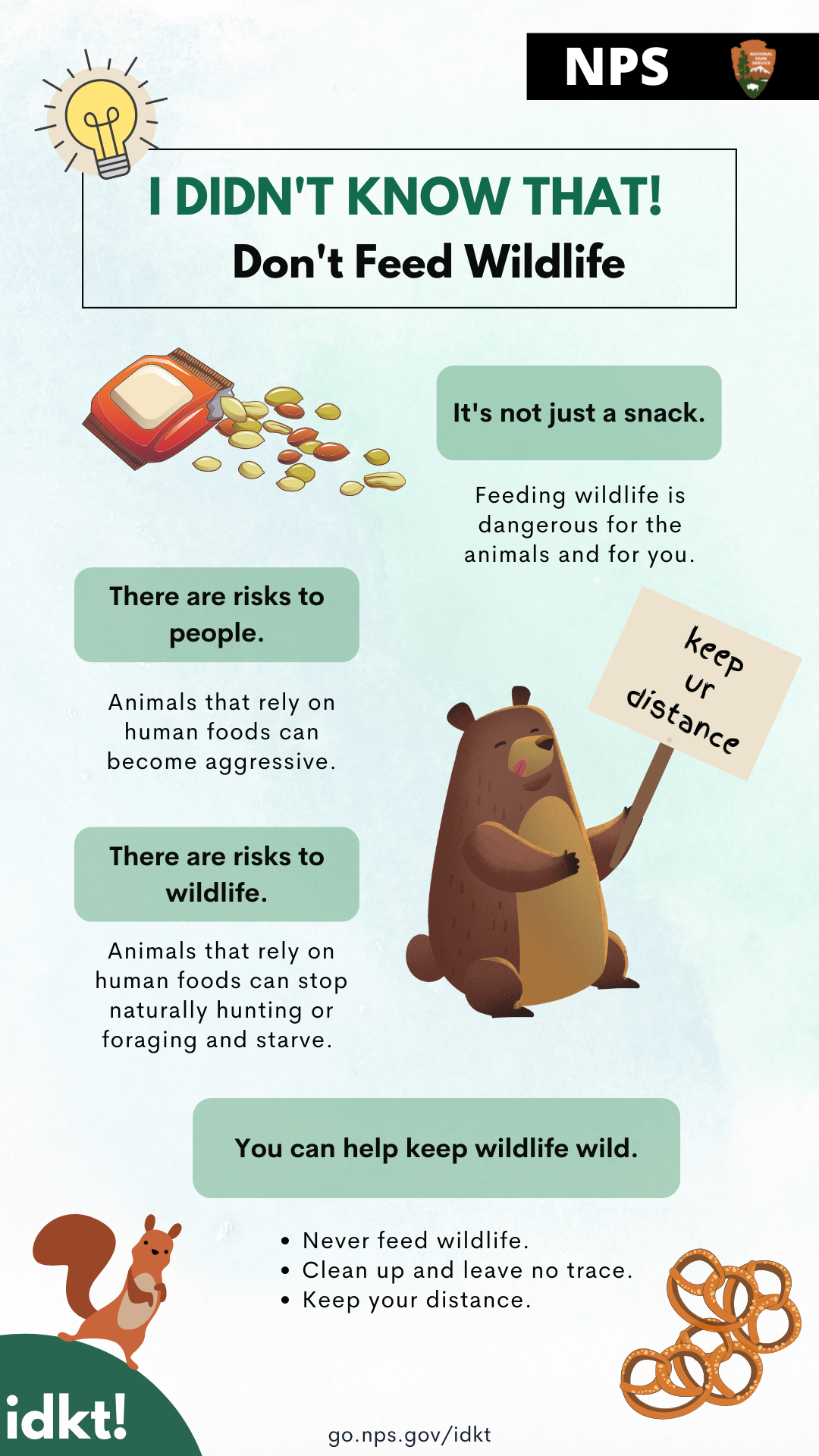
Feeding wild squirrels can seem harmless, but certain foods may harm them or disrupt their natural behaviors. Here are some foods you should avoid giving to wild squirrels:
See also:
Processed Foods
Processed foods often contain high levels of sugar, salt, and unhealthy fats which can lead to serious health issues for wild squirrels. These substances are not part of a natural diet and can result in obesity, diabetes, and cardiovascular problems. Additionally, processed foods can disrupt their digestive systems.
- Junk food such as chips and candies.
- Breads and pastries that have preservatives.
- Cooked meats which may contain harmful additives.
Human Snacks
Human snacks like chips, cookies, and nuts mixed with salt are not suitable for wild squirrels. These snacks are often designed for human consumption and lack the necessary nutrients that squirrels require. Moreover, the additives and preservatives can be harmful.
- Salted nuts that can cause dehydration.
- Sweet treats that are high in sugar.
- Snack foods that contain unhealthy oils.
Dairy Products
Many people assume that since squirrels are mammals, they can digest dairy products. However, most adult squirrels are lactose intolerant and can't properly process lactose, potentially leading to digestive upset.
- Cheese, which can cause stomach issues.
- Milk, leading to diarrhea and dehydration.
- Yogurt, which may not sit well in their digestive system.
Fruits with Pits or Seeds
Certain fruits, such as cherries and peaches, contain pits or seeds that can be harmful to squirrels. These pits may cause choking or intestinal blockage if consumed. Additionally, some fruit seeds contain cyanogenic compounds which could be toxic.
- Cherry pits which are difficult to digest.
- Peach stones that can cause choking hazards.
- Apple seeds that contain harmful substances when digested in large quantities.
Processed Grits and Corn
While some think corn is a suitable food for squirrels, it can be detrimental, especially in processed forms. These foods are high in starch and provide little nutritional value. They may lead to malnutrition or digestive issues.
- Processed corn products which lack essential vitamins.
- Corn-based snacks that can be harmful.
- Fermented grains that can lead to severe digestive distress.
Why should you not throw away banana peels?
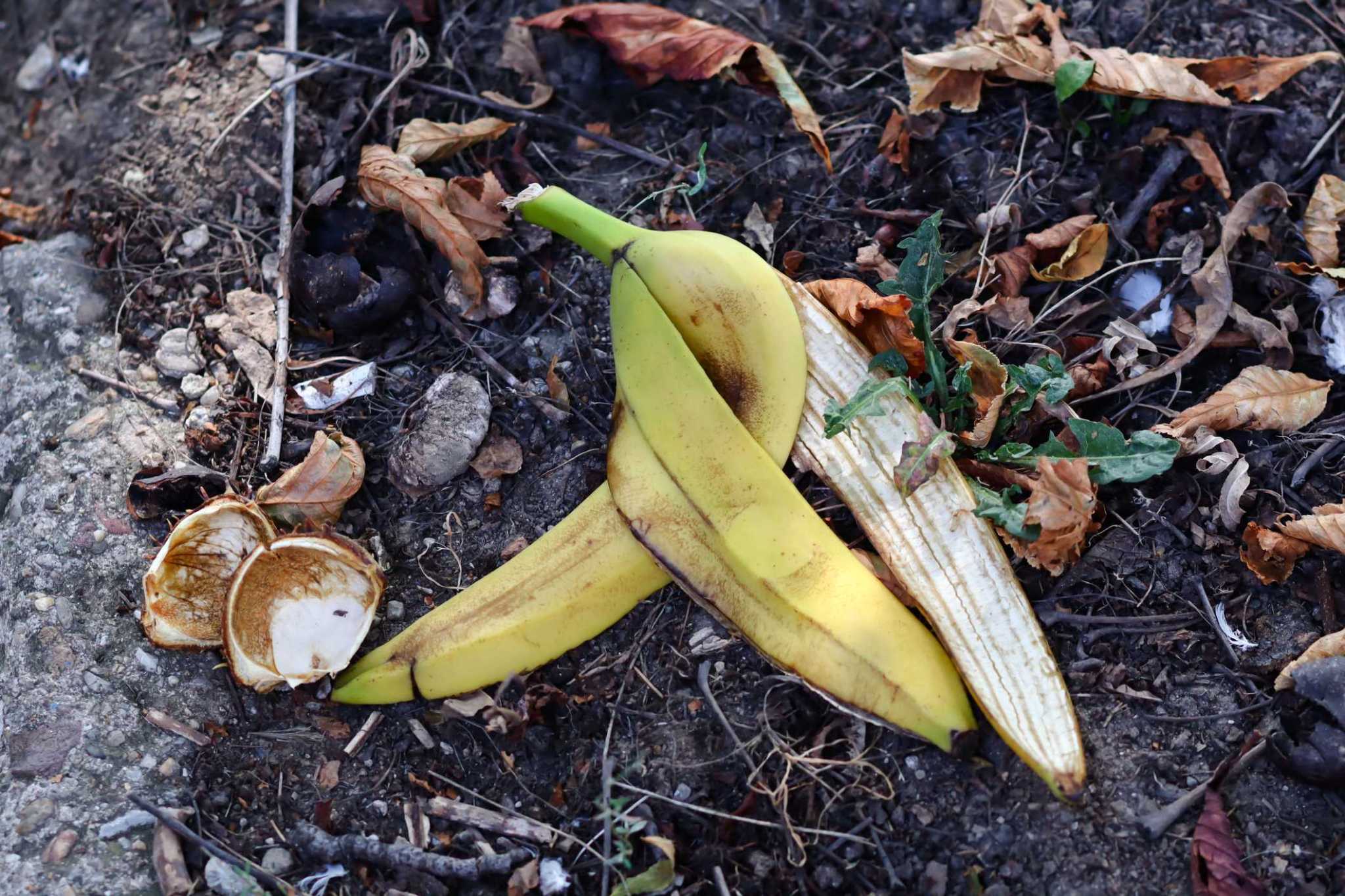
Throwing away banana peels may seem like a common practice, but there are several reasons to reconsider this action. Banana peels are not only biodegradable, but they also possess numerous benefits. Here are some compelling reasons why you should avoid disposing of banana peels in the trash.
Rich Nutritional Content
Banana peels are often overlooked, but they are packed with valuable nutrients. They contain a wealth of vitamins and minerals that can contribute to your health. The peel contains:
- Potassium - Essential for maintaining healthy blood pressure and heart function.
- Magnesium - Vital for muscle function and energy production.
- Fiber - Supports digestive health and helps maintain a healthy weight.
Natural Fertilizer
Banana peels can serve as an excellent organic fertilizer for your garden. By using banana peels, you can enrich the soil and promote healthier plant growth. They offer:
- Phosphorus - Promotes strong root development.
- Calcium - Aids in plant growth and cell walls.
- Potassium - Helps in the overall growth and vigor of plants.
Natural Insect Repellent
When placed strategically in your garden, banana peels can act as a natural insect repellent. They contain compounds that deter pests, including:
- Silica - A natural deterrent for certain insects.
- Odors - The scent can repel harmful bugs.
- Potassium - Is beneficial for plants while keeping pests at bay.
Skin Benefits
Banana peels have various applications in skincare. They can soothe the skin and provide essential nutrients. The benefits include:
- Hydration - Can moisturize the skin effectively.
- Anti-inflammatory properties - Can alleviate skin irritation and redness.
- Antioxidants - Help fight free radicals and keep the skin youthful.
Health Benefits
Consuming banana peels can offer several surprising health benefits. They can provide alternative sources for enhancing your diet. The advantages include:
- Rich in antioxidants - Protects cells from oxidative stress.
- Supports weight loss - Low in calories and high in fiber, which aids digestion.
- Mood enhancement - Contains tryptophan, which can boost serotonin levels.
Questions from Our Readers
Will squirrels eat banana peels?
Yes, squirrels can eat banana peels. While they prefer more nutritious foods like seeds and nuts, banana peels are not toxic to them and can be consumed if they find them.
Are banana peels healthy for squirrels?
Banana peels provide some fiber and can be a source of nutrients, but they should not make up the bulk of a squirrel's diet. Feeding them too many peels could lead to an unbalanced diet.
See also:
How should I offer banana peels to squirrels?
If you want to feed banana peels to squirrels, you can chop them into smaller pieces and place them in a clean area where squirrels frequent. This makes it easier for them to eat and enjoy.
Can banana peels attract squirrels to my yard?
Yes, using banana peels can attract squirrels to your yard. The sweet smell may entice them, especially if other food sources are scarce, making it a potential bait for these curious animals.

If you want to read more articles like Will Squirrels Eat Banana Peels? Discover the Surprising Truth!, we recommend you check out our Garden category.
Leave a Reply
Related Articles