Can You Plant Cucumbers and Tomatoes Together? Tips for a Successful Garden Companion Planting

When planning a vegetable garden, understanding companion planting can significantly enhance your success. One common question among gardeners is whether cucumbers and tomatoes can thrive together in the same space. Both crops have unique growing requirements and pest management needs, which can influence their compatibility. In this article, we will explore the benefits and challenges of planting cucumbers and tomatoes side by side, offering essential tips to ensure a fruitful garden. By delving into their growth habits and care, you can maximize your yields and enjoy a bountiful harvest of these popular vegetables.
Can You Plant Cucumbers and Tomatoes Together?
Planting cucumbers and tomatoes together is a topic of much debate among gardeners. While they are both popular garden crops, their compatibility can vary depending on the growing conditions and the gardener's approach. Tomatoes are typically known to thrive in well-drained soil with plenty of sunlight, and they require ample space to grow. Cucumbers, on the other hand, prefer slightly more moisture in the soil and can benefit from some shade. When planted together, they can compete for nutrients and water, potentially affecting their yields. However, with proper management, such as regular watering and strategic spacing, it is possible to grow these two plants in proximity and enjoy a bountiful harvest.
Growing Conditions for Cucumbers and Tomatoes
Cucumbers and tomatoes have similar growing requirements, including a preference for sunny locations and well-drained soil. Tomatoes thrive in warm weather, typically growing best in temperatures between 70°F and 85°F, while cucumbers prefer similar but slightly cooler conditions, ideally between 60°F and 75°F. Both plants also benefit from consistent watering; however, cucumbers generally need more moisture to prevent bitterness in their flesh. Therefore, while they can be planted side by side, careful attention to their specific needs will yield the best results.
Companion Planting Benefits
Companion planting is a gardening technique where different species are grown near each other for mutual benefits. In the case of cucumbers and tomatoes, tomatoes can provide some shade to cucumber plants during the hotter parts of the day, helping to regulate temperature and moisture levels. Additionally, certain companion plants can deter pests that commonly affect both cucumbers and tomatoes, thereby promoting healthier growth and potentially reducing the need for chemical treatments.
Potential Issues with Planting Together
While growing cucumbers and tomatoes together can have its advantages, there are also several potential issues that gardeners may encounter. Both plants may compete for nutrients and water, which can lead to stunted growth or reduced fruit production if not managed properly. Additionally, tomatoes can be susceptible to diseases such as blight, which can spread to cucumbers if they are planted too closely. Gardeners should be vigilant about plant spacing and practice proper crop rotation to minimize these risks.
Space and Support Considerations
When planting cucumbers and tomatoes together, it's crucial to consider their space and support needs. Tomatoes generally grow upright and may require staking or caging, while cucumbers often benefit from vertical supports or trellising to keep their vines off the ground. If planting both in the same area, ensure that there is enough room for each plant to grow without overcrowding, and use vertical space to your advantage by training cucumber vines upward, thereby allowing tomatoes to spread out.
Best Practices for Combined Cultivation
To successfully cultivate cucumbers and tomatoes together, several best practices can be followed. Start by preparing the soil with ample organic matter, ensuring both plants can access essential nutrients. Maintain a regular watering schedule to prevent competition for moisture and utilize mulch to retain soil moisture and suppress weeds. Monitor both plants for pests and diseases, ensuring they are kept healthy through regular maintenance and caution in harvesting to avoid damaging nearby plants.
| Plant | Water Needs | Sunlight Requirements | Common Pests |
|---|---|---|---|
| Cucumbers | High | Full sun | Powdery mildew, cucumber beetles |
| Tomatoes | Moderate | Full sun | Blight, aphids |
How close can I plant cucumbers to tomatoes?

To plant cucumbers near tomatoes, a good distance is generally 12 to 24 inches apart. This spacing allows for adequate air circulation and sunlight exposure to both plants. Cucumbers, being vining plants, can spread out and may require additional support, which makes proximity important to ensure they don't overshadow the tomato plants. When considering how close to plant them, it is essential to take into account the growth habits of each plant and potential competition for nutrients.
Can Cucumbers and Tomatoes Be Planted Together?
Planting cucumbers and tomatoes together can be beneficial due to their different growth habits. Cucumbers tend to grow outward, while tomatoes grow upward. This spatial difference allows them to coexist in the same garden bed without excessively competing for space.
See also:
- Companion planting: Both cucumbers and tomatoes can benefit from being planted together, as they can provide shade and support for each other.
- Pest control: Some gardeners believe that certain combinations may help repel pests.
- Resource competition: It's crucial to monitor resource allocation, as they have similar nutrient requirements.
Similar Nutrient Needs
Cucumbers and tomatoes have similar nutritional requirements, which can lead to competition in a confined area. Both plants thrive on nitrogen, phosphorus, and potassium, so it's essential to ensure the soil is fertile enough to support both.
- Soil testing: Conduct a soil test to understand nutrient levels.
- Fertilization: Use balanced fertilizer to provide essential nutrients.
- Mulching: Applying mulch can help retain soil moisture and control weeds.
Spacing and Support Considerations
Providing adequate spacing and support is vital to prevent overcrowding and ensure both plants receive sufficient sunlight and airflow. Overcrowding can lead to disease and poor plant health.
- Adequate spacing: Maintain at least 12 to 24 inches apart to facilitate growth.
- Support structures: Use trellises for cucumbers to promote vertical growth, saving space.
- Pruning: Pruning lower leaves of tomato plants may help improve light penetration.
Potential Pests and Diseases
When planting cucumbers and tomatoes near each other, it’s important to be aware of pests and diseases that may affect both plants. Some common issues can spread more rapidly in close quarters.
- Cucumber beetles: These pests can affect both cucumbers and nearby plants; consider using traps or organic pesticides.
- Blight: Tomatoes are susceptible to blight, which can spread to nearby plants.
- Regular monitoring: Check for signs of infestation or disease regularly to address any potential issues quickly.
Harvest Timing and Management
The harvest timing and management strategies for both cucumbers and tomatoes are essential in maximizing yield and quality. Understanding when to harvest can optimize the garden’s output.
- Harvest periods: Cucumbers typically mature in about 50 to 70 days, while tomatoes can take 60 to 100 days.
- Timing: Plan for harvest times to avoid overcrowded harvests.
- Staggered planting: Consider staggering planting dates to prolong the harvest season for both crops.
What should not be planted next to tomatoes?
:max_bytes(150000):strip_icc()/Spruce_Companion_Plants_For_Tomatoes-b09296ce123143cbba06924494fffa98-8757a09df8a1461ea24f0e5e8013a58f.png)
Tomatoes are popular in gardens, but certain plants can hinder their growth and health. Here are some key plants to avoid planting next to tomatoes:
Pests Attractors
Some plants can attract pests that affect tomatoes directly. These plants may provide a habitat for harmful insects, leading to an increased risk of infestations.
- Potatoes: They can attract the same pests, especially the Colorado potato beetle.
- Eggplants: Sharing the same pest profile, they can increase the presence of destructive insects.
- Peppers: Similar to tomatoes, they can harbor aphids and spider mites.
Competing Nutrients
Certain plants have vigorous growth that can compete with tomatoes for essential nutrients in the soil. This competition can lead to stunted growth and lower yields.
- Corn: It requires large amounts of nitrogen, which can deplete the soil for tomatoes.
- Chard: This leafy plant can absorb significant nutrients and water, negatively affecting tomatoes.
- Brassicas (like cabbage and broccoli): These can take away vital resources needed for healthy tomato growth.
Allelopathic Plants
Some plants release chemicals into the soil that can inhibit the growth of tomatoes. These allelochemicals can affect the tomato plant's ability to absorb water and nutrients.
- Fennel: Known for its allelopathic properties, fennel can hinder tomato growth.
- Walnut tree: It emits juglone, a chemical toxic to many garden plants, including tomatoes.
- Sunflowers: They can also suppress growth through allelopathic effects.
Disease Susceptibility
Certain plants can transmit diseases that specifically target tomatoes. Planting these close to tomatoes can increase the likelihood of disease outbreaks.
See also:
- Strawberries: They can carry verticillium wilt, which is harmful to tomatoes.
- Peppers: Apart from pests, they can also carry diseases like bacterial spot that affect tomatoes.
- Tobacco: Tobacco mosaic virus can be devastating for tomato plants when in proximity.
Size and Growth Considerations
The growth habit of neighboring plants can also impact tomatoes. Larger plants can shade tomatoes or physically compete for space.
- Asparagus: It can grow tall and overshadow tomatoes, affecting their sunlight exposure.
- Beets: They can spread out and take up space that tomatoes need for proper growth.
- Cucumbers: These sprawlers can dominate garden space and limit sunlight for tomato plants.
Why should cucumbers and tomatoes not be planted together?
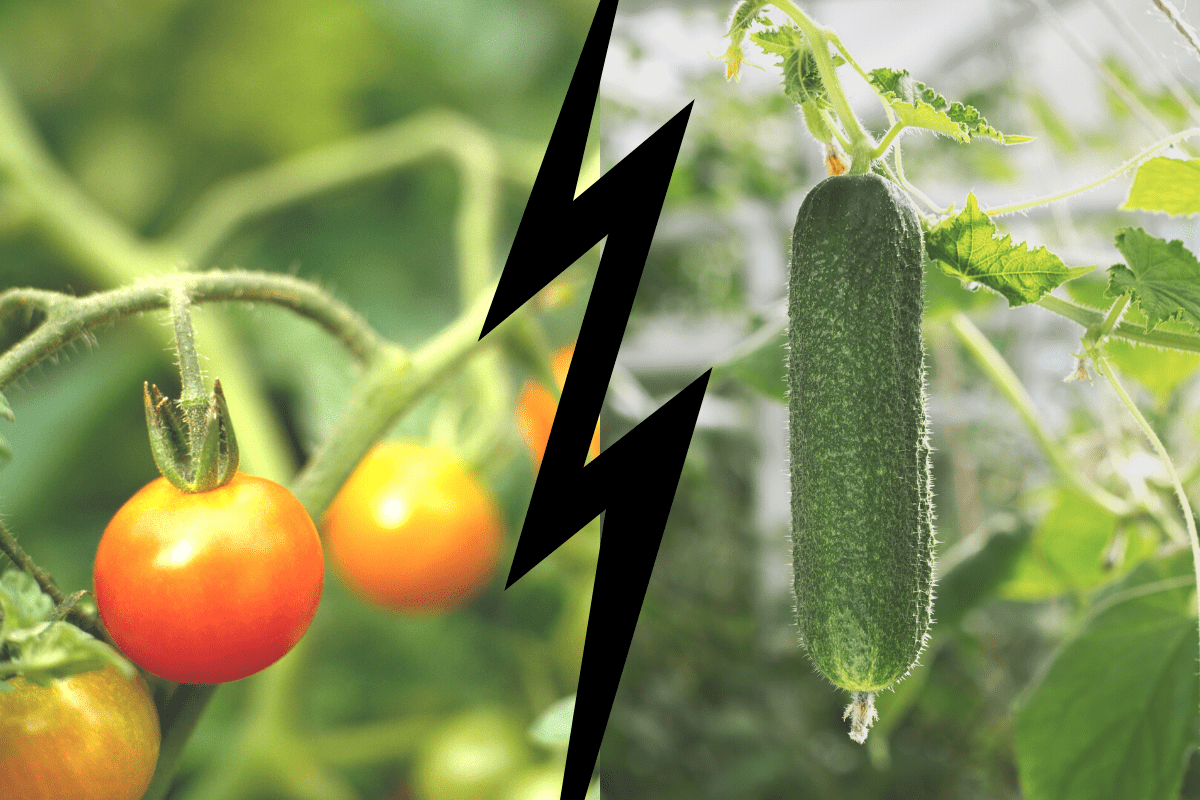
Cucumbers and tomatoes are popular garden plants, but their compatibility is questionable. Planting these two together can lead to several issues, primarily due to their differing growth habits, nutrient requirements, and susceptibility to pests and diseases.
Differing Growth Habits
Cucumbers are vining plants, while tomatoes usually grow as upright shrubs. This difference in growth habits can lead to several challenges:
- Space Competition: Cucumbers need space to spread out, which can overshadow tomato plants, blocking sunlight and stunting their growth.
- Support Structures: Vining cucumbers typically require trellises, and their extensive foliage can crowd tomato plants if not managed well.
- Watering Needs: The two plants have different water requirements; cucumbers thrive in consistently moist soils, while tomatoes prefer slightly drier conditions.
Nutrient Requirements
Cucumbers and tomatoes have different nutritional needs, which can lead to competition for essential resources in the soil:
- Nitrogen Needs: Tomatoes tend to absorb more nitrogen as they grow, potentially leaving cucumbers with insufficient nitrogen for optimal growth.
- Phosphorus and Potassium: Both plants require these nutrients but in varying quantities, which can complicate fertilization strategies.
- Soil pH: Their optimal pH levels differ slightly, making it challenging to create a suitable soil environment for both plants.
Pest and Disease Susceptibility
When cucumbers and tomatoes are planted together, they can become more susceptible to certain pests and diseases.
- Shared Pests: Pests like aphids and spider mites may target both plants, leading to increased infestation rates.
- Disease Transmission: If one plant becomes infected with a disease, it can quickly spread to the other, especially when they grow close together.
- Weakened Plants: Stressed plants are more vulnerable to infestations and diseases, exacerbated by competition for resources.
Impact on Yield
The competition for resources between cucumbers and tomatoes can significantly affect the yield of both plants.
- Decreased Production: When planted together, both plants may not perform to their highest potential, resulting in fewer fruits.
- Smaller Harvest Size: Cucumbers and tomatoes grown in close quarters often produce smaller fruits due to stress and inadequate nutrient availability.
- Overall Plant Health: Compromised health leads to reduced yields, impacting the overall efficiency of garden space.
Companion Planting Alternatives
Instead of planting cucumbers and tomatoes together, consider viable companion planting alternatives.
- Basil: This herb enhances tomato flavor and can repel pests.
- Nasturtium: This flower acts as a trap crop for aphids, protecting both cucumber and tomato plants.
- Beans: They can improve soil nitrogen levels, benefiting tomatoes without interfering with cucumbers.
Questions from Our Readers
Can you plant cucumbers and tomatoes together?
Cucumbers and tomatoes can be planted together, but it's important to consider their individual needs. They thrive in similar conditions, but cucumbers may require more space due to their vining nature, which can shade the tomatoes if not managed properly.
What are the benefits of planting cucumbers and tomatoes together?
One of the main benefits of planting cucumbers and tomatoes together is that they have similar water and nutrient needs, which can make garden maintenance easier. Additionally, they can offer natural pest control when grown in proximity, as they may deter some harmful insects.
See also:
Are there any drawbacks to planting cucumbers and tomatoes together?
Yes, there can be drawbacks to planting cucumbers and tomatoes together, primarily related to space. Cucumbers can grow extensively, potentially overshadowing the tomato plants and limiting their sunlight, which can affect their growth and yield.
How should you care for cucumbers and tomatoes grown together?
When growing cucumbers and tomatoes together, it’s essential to provide adequate support for both plants, ensuring they have enough light and air circulation. Regular watering and fertilization are also crucial to ensure healthy growth for both types of plants.

If you want to read more articles like Can You Plant Cucumbers and Tomatoes Together? Tips for a Successful Garden Companion Planting, we recommend you check out our Garden category.
Leave a Reply
Related Articles