Should You Close a Greenhouse at Night? Essential Tips for Optimal Plant Care

Maintaining a greenhouse requires careful consideration of various factors, one of which is whether to close it at night. As temperatures drop and humidity levels fluctuate during the nighttime hours, understanding the effects on your plants is crucial for optimal growth and health. In this article, we will explore the benefits and drawbacks of closing your greenhouse at night, providing essential tips to help you make an informed decision. Whether you're a novice gardener or an experienced horticulturist, these insights will guide you in creating the best environment for your plants to thrive after sundown.
Should You Close a Greenhouse at Night?
Closing a greenhouse at night is a topic that sparks debate among gardeners, with various factors influencing the decision. The primary goal of a greenhouse is to create an optimal environment for plant growth, which includes maintaining adequate temperature, humidity, and air circulation. At night, temperatures often drop significantly, and if a greenhouse remains open, it can lead to heat loss, potentially stunting the growth of sensitive plants. Conversely, closing the greenhouse can help retain warmth and protect crops from sudden drops in temperature and the presence of pests. Ultimately, the decision should consider the specific types of plants being grown, the local climate, and the overall ventilation needs during nighttime hours.
Benefits of Closing a Greenhouse at Night
Closing a greenhouse at night allows for better temperature control, ensuring that plants remain warm during cooler evening hours. This can be particularly beneficial for tropical or subtropical plants that require higher temperatures to thrive. Additionally, closing the greenhouse can help maintain humidity levels, which can be crucial for preventing stress in plants that suffer from low moisture conditions. Retaining heat also conserves energy, reducing the need for additional heating sources. Thus, closing a greenhouse can create a stable, nurturing environment for plants, enhancing their overall health and growth.
Potential Drawbacks of Closing the Greenhouse
While there are benefits to closing the greenhouse, there are also potential drawbacks. Lack of ventilation can lead to increased humidity levels, which may promote the growth of mold and fungal diseases. Insufficient airflow can also result in a buildup of harmful gases, such as carbon dioxide, which can detrimentally affect plant health. Furthermore, closing the greenhouse entirely may leave plants vulnerable to extreme temperature fluctuations if conditions change overnight. It's essential for gardeners to strategically monitor these factors when deciding whether to close their greenhouse.
Ventilation Needs at Night
One of the crucial aspects to consider when closing a greenhouse at night is the ventilation needs of the plants inside. Even during the night, it's important to ensure that the greenhouse has adequate airflow to prevent the buildup of stale air and humidity. This can sometimes be achieved by using roof vents or windows that can be slightly opened while still retaining most of the heat. Proper ventilation ensures that plants receive necessary oxygen and reduces the risk of diseases associated with high moisture levels. Understanding the specific ventilation needs of the plants will help in managing the greenhouse environment effectively.
Climate Considerations for Closing the Greenhouse
Local climate conditions play a significant role in determining whether to close a greenhouse at night. In regions with severe cold temperatures, it may be beneficial to close the structure to protect plants from frost. However, in warmer climates, particularly during summer months, keeping the greenhouse open might be advantageous to prevent overheating. Regularly monitoring the temperature and humidity inside the greenhouse, as well as staying informed about local weather patterns, will assist in making the right choice regarding nighttime closure.
Types of Plants and Their Preferences
Different types of plants have varying preferences when it comes to their nighttime environment. For example, delicate seedlings and tropical plants typically flourish in warm conditions and may require a closed greenhouse to maintain their health. On the other hand, certain hardy plants might tolerate cooler temperatures and benefit from more exposure to outside air. Understanding the specific requirements of the plants being cultivated will help gardeners make informed decisions on whether or not to close the greenhouse at night, catering to the needs of each type of plant.
| Aspect | Benefits | Drawbacks |
|---|---|---|
| Temperature Control | Maintains warmth for sensitive plants | Risk of overheating if not ventilated |
| Humidity Levels | Prevents stress in moisture-loving plants | Increases risk of mold and diseases |
| Airflow | Ensures oxygen availability | Stale air buildup can harm plant health |
| Energy Conservation | Reduces heating costs | May require active monitoring |
| Plant Types | Accommodates specific growth needs | Inflexibility for varying plant requirements |
Can I leave my greenhouse open at night?

Leaving your greenhouse open at night can be beneficial in certain conditions, but it also carries risks that can affect the wellbeing of your plants. The decision to leave it open should be based on several factors, including the temperature, humidity, and the type of plants you are growing.
Temperature Regulation
Leaving your greenhouse open at night can help with temperature regulation if there is a mild climate. This can assist in avoiding overheating during the day and allows cooler air to circulate at night. However, if nighttime temperatures drop significantly, leaving the greenhouse open can lead to cold stress for sensitive plants.
- Cool night temperatures might benefit some plants while harming others.
- Certain crops may require protection from sudden temperature drops.
- Monitor night temperatures to determine if open ventilation is feasible.
Humidity Control
Humidity plays a vital role in plant health. Leaving the greenhouse open at night can lead to lower humidity levels, which may be advantageous in preventing disease outbreaks caused by excessive moisture. However, if humidity is too low, it can lead to water stress on the plants.
- The right humidity levels are crucial for preventing fungal diseases.
- Consider the moisture requirements of your specific plants.
- Utilize humidity gauges to monitor levels before deciding to leave it open.
Pest Management
An open greenhouse can potentially increase pest exposure at night. Pests like slugs and certain insects are more active after dusk and can invade your plants more easily if the greenhouse is left unprotected.
- Consider using screens to keep pests out while allowing ventilation.
- Regularly inspect plants for signs of pest infestations.
- Implement integrated pest management strategies to mitigate risks.
Wind and Weather Conditions
Depending on your local climate, leaving the greenhouse open may expose plants to harmful wind conditions or unexpected weather changes like rain or frost. These elements can significantly damage delicate plants and affect growth.
See also:
- Check local weather forecasts to prepare for sudden changes.
- Consider closing the greenhouse during storms or heavy winds.
- Use windbreaks around the greenhouse to protect plants from strong gusts.
Plant Specific Needs
Different plant species have varying tolerance levels to environmental conditions. It's essential to consider whether the plants inside your greenhouse can handle being exposed at night or if they require more controlled environments.
- Research the specific needs of the plants you are cultivating.
- Group plants according to their climate requirements for better management.
- Adapt strategies for plant protection based on their resilience.
Are you supposed to air out a greenhouse?
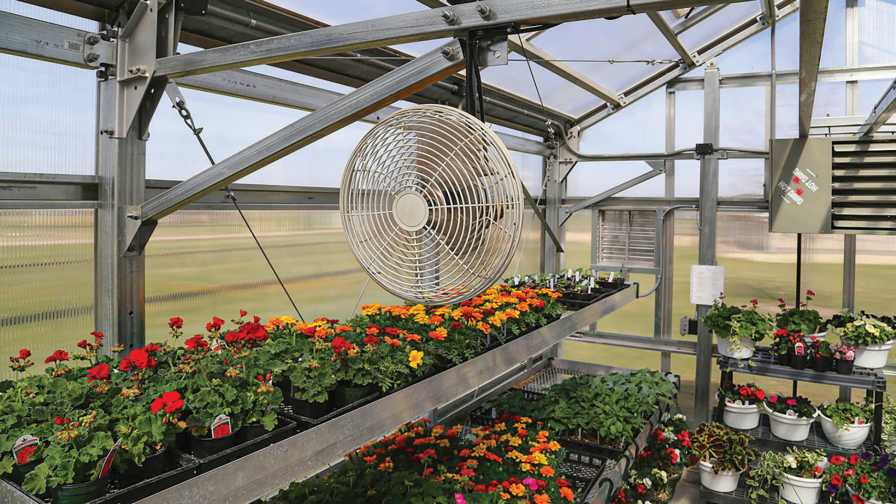
Yes, you are supposed to air out a greenhouse. Proper ventilation is essential for maintaining a healthy environment for plants, as it regulates temperature, humidity, and carbon dioxide levels. Without adequate airflow, greenhouses can become too hot and humid, leading to stress on plants, increased risk of disease, and poor growth. Airing out a greenhouse can be achieved through the use of vents, fans, and keeping doors open, which allows for the exchange of stale air with fresh air from outside.
Importance of Ventilation in Greenhouses
Ventilation plays a crucial role in the overall health of plants in a greenhouse. Effective ventilation ensures that plants receive sufficient carbon dioxide for photosynthesis while preventing overheating.
- Temperature Control: Ventilation helps maintain optimal temperatures for plant growth.
- Humidity Regulation: Proper air circulation prevents excessive moisture buildup, which can lead to disease.
- Air Quality: Fresh air improves carbon dioxide levels necessary for plant functions.
Signs That Your Greenhouse Needs Airing Out
Recognizing the signs that your greenhouse requires ventilation is key to ensuring plant health. High humidity levels and stagnant air can indicate that it's time to air out your greenhouse.
- Condensation: Excessive moisture on surfaces is a clear indication of high humidity.
- Heat Buildup: A noticeable increase in temperature can stress plants.
- Musty Odors: Foul smells can indicate mold growth due to poor air circulation.
Methods to Effectively Air Out a Greenhouse
There are several methods to effectively air out a greenhouse. Choosing the appropriate technique depends on the greenhouse's size, design, and climate.
- Manual Ventilation: Open windows and doors during cooler parts of the day to let fresh air in.
- Automated Ventilation Systems: Use thermostatically controlled fans and vents for consistent airflow.
- Creating Cross-Ventilation: Position vents on opposite ends to facilitate a breeze through the greenhouse.
Choosing the Right Time to Ventilate
Timing is essential for effective ventilation in a greenhouse. Understanding the right moments can enhance plant health and growth.
- During Cooler Hours: Ventilate in the early morning or late afternoon when outside temperatures are lower.
- On Breezy Days: Take advantage of natural wind to assist in cooling the greenhouse.
- When Humidity Rises: Monitor humidity levels and ventilate as soon as they exceed optimal ranges.
Potential Risks of Poor Ventilation
Neglecting proper ventilation can lead to several risks that affect plant growth and overall greenhouse conditions. It is vital to recognize and address these potential issues.
- Pest Infestations: Stagnant air encourages pests and diseases to thrive.
- Plant Stress: High temperatures and humidity can weaken plants, making them more susceptible to issues.
- Reduced Yield: Poor conditions can directly affect the quantity and quality of crop production.
What temperature should I keep my greenhouse at night?

The ideal nighttime temperature for a greenhouse depends largely on the types of plants being cultivated. Generally, maintaining a temperature between 60°F (15°C) and 68°F (20°C) is recommended. However, for tropical plants, it is advisable to keep the temperature around 70°F (21°C) or slightly higher. This temperature range helps to prevent stress and encourages healthy growth by minimizing fluctuations that could negatively impact plants’ metabolic processes.
Why Nighttime Temperature Matters
Nighttime temperature plays a vital role in the overall health of plants. It impacts many physiological processes, such as photosynthesis, respiration, and flowering. Keeping temperatures consistent helps plants recover from the heat of the day, ensuring that they grow optimally. Here are some key factors to consider:
- Respiration Rates: Plants respire at night, consuming oxygen and releasing carbon dioxide.
- Stress Reduction: Large temperature swings can lead to stress, impacting plant health.
- Encouraging Growth: Consistent temperatures promote better growth rates and yields.
Temperature Needs for Different Plants
Different plants have varying requirements for nighttime temperatures. For instance, tropical plants require warmer temperatures, while cold-hardy plants can tolerate cooler conditions. Understanding the specific needs of your plants is crucial for their success. Here’s a breakdown:
- Tropical Plants: Prefer nighttime temperatures around 70°F (21°C) or higher.
- Vegetables: Many vegetables thrive between 60°F (15°C) and 65°F (18°C).
- Herbs: Most herbs do well within a range of 60°F (15°C) to 70°F (21°C).
Temperature Control Methods
Maintaining the right temperature can be accomplished through various strategies and tools. Utilizing heating systems or ventilation can help regulate a greenhouse's climate efficiently. Here are some effective methods:
See also:
- Heating Systems: Electric or gas heaters can be used to maintain warmth at night.
- Thermal Mass: Water barrels can absorb heat during the day and release it at night.
- Ventilation: Proper ventilation helps prevent overheating during the day.
Monitoring Temperature
Regularly checking the temperature in your greenhouse is essential for optimal plant health. This can be done using various tools and devices. Key monitoring techniques include:
- Thermometers: Simple and effective, these help you keep track of temperature changes.
- Data Loggers: Advanced loggers can provide detailed temperature profiles over time.
- Smart Sensors: These devices can alert you to temperature changes in real-time.
Effects of Low Temperatures
Excessively low nighttime temperatures can cause serious harm to plants, including slowed growth and increased vulnerability to diseases. Understanding the effects can help in preventing damage. Here are some consequences of prolonged exposure to low temperatures:
- Frost Damage: Can kill sensitive plants or severely stunt growth.
- Slower Metabolism: Plants may fail to thrive or produce fruit effectively.
- Disease Susceptibility: Low temperatures can weaken plant defenses against pathogens.
Does a greenhouse need to be completely sealed?
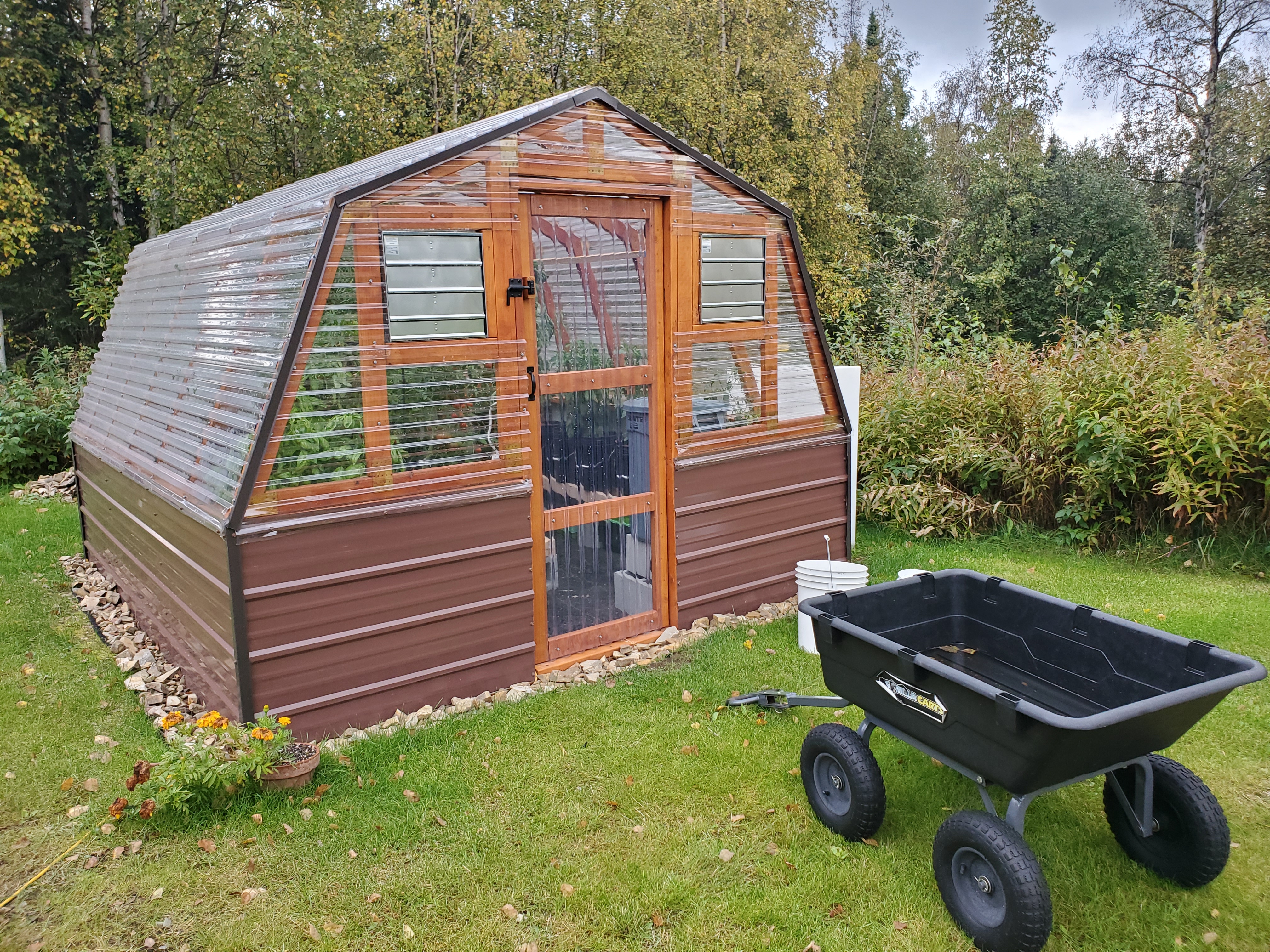
A greenhouse does not need to be completely sealed; in fact, having some level of ventilation is essential for optimal plant growth. While the primary purpose of a greenhouse is to create a controlled environment that enhances plant growth by trapping heat and moisture, completely sealing the structure can lead to several issues such as excess humidity, poor air circulation, and insufficient gas exchange.
Plants require carbon dioxide for photosynthesis, and completely sealing a greenhouse can limit the availability of this essential gas. Additionally, overheating can occur if there is no way to allow heat to escape. Proper ventilation systems and design features help regulate temperature and humidity levels, ensuring a healthy environment for the plants.
Importance of Ventilation in a Greenhouse
Ventilation plays a crucial role in maintaining suitable growing conditions within a greenhouse. It serves several important functions:
- Temperature Control: Adequate ventilation helps prevent overheating, especially during sunny days.
- Humidity Regulation: It reduces excess moisture that can lead to fungal diseases and root rot.
- Air Quality: Proper airflow ensures that plants receive enough carbon dioxide for optimal growth.
Types of Ventilation Systems
There are various methods to ventilate a greenhouse, each offering different benefits and efficiency levels. Some common types include:
- Natural Ventilation: Utilizes windows and vents to let hot air escape and cool air enter.
- Mechanical Ventilation: Employs fans to actively circulate air, providing a controlled environment.
- Passive Ventilation: Relies on temperature differences to create airflow without mechanical help.
Potential Issues with a Sealed Greenhouse
While a sealed structure might seem beneficial in preventing pests or environmental threats, it can introduce several problems:
- Poor Air Quality: A lack of circulation can result in stale air, negatively impacting plant health.
- Increased Disease Risk: High humidity levels can create an ideal environment for pathogens.
- Temperature Fluctuations: Without ventilation, temperature imbalances can harm sensitive plants.
Optimal Sealing Techniques
For greenhouses, it's essential to find a balance between sealing and ventilation. Implementing proper sealing techniques can enhance energy efficiency without hindering airflow:
- Use of Thermally Efficient Materials: Select glazing materials that retain heat while allowing light entry.
- Proper Insulation: Insulating the structure maintains desired temperatures during colder months.
- Automatic Ventilation Systems: Integrate sensors that open vents based on temperature or humidity levels.
Adjusting Humidity Levels
Managing humidity is a critical aspect of greenhouse care. Adjusting humidity levels effectively can yield significant growth benefits:
- Monitoring: Regularly check humidity levels using hygrometers to maintain balance.
- Misting Systems: Employ misting systems to increase humidity levels when necessary.
- Dehumidifiers: Use these devices to reduce excessive moisture during high humidity periods.
Questions from Our Readers
Should you close a greenhouse at night?
Closing a greenhouse at night is generally recommended to maintain optimal temperatures and reduce heat loss. By trapping warmer air inside, you can create a more stable environment for your plants, protecting them from cold drafts and potentially harmful temperatures.
What are the benefits of closing a greenhouse at night?
The benefits include temperature regulation, which helps prevent frost damage to sensitive crops. Additionally, closing the greenhouse can reduce the risk of pests and diseases that thrive in cooler, damp conditions by minimizing moisture levels.
Are there any downsides to keeping the greenhouse open at night?
Yes, keeping the greenhouse open at night may expose plants to cold temperatures and drafts, which can stunt growth or cause stress. It can also lead to increased humidity, promoting the development of mold and other diseases that can harm your plants.
See also:
How can I ventilate my greenhouse while keeping it closed at night?
To ventilate while keeping the greenhouse closed at night, consider using a heat retention system or installing automatic vents that open and close as needed. This allows for air circulation without significantly dropping temperatures, maintaining a healthy environment for your plants.

If you want to read more articles like Should You Close a Greenhouse at Night? Essential Tips for Optimal Plant Care, we recommend you check out our Garden category.
Leave a Reply
Related Articles