What is the Best Thing to Put in the Bottom of a Raised Garden Bed? Top Tips for Optimal Plant Growth

When creating a raised garden bed, the choice of materials at the bottom is crucial for optimal plant growth. The right foundation can enhance drainage, improve soil health, and support the overall ecosystem. Gardeners often debate whether to use gravel, straw, cardboard, or organic matter, each option offering distinct advantages. Understanding the best practices and components for the bottom layer can lead to healthier plants and a more productive garden. In this article, we'll explore top tips and recommendations for what to place in your raised garden bed, ensuring that your plants thrive from the very start.
What is the Best Thing to Put in the Bottom of a Raised Garden Bed?
When setting up a raised garden bed, it's essential to consider the material you place at the bottom to promote healthy drainage and maintain soil quality. One of the best options is to use a layer of organic matter like compost, which can decompose over time and provide essential nutrients to your plants. This compost can be layered with other materials such as small branches, straw, or cardboard to ensure proper aeration and reduce soil compaction. Additionally, creating a multi-layer system helps maintain moisture levels while preventing the potential for root rot from standing water. It's also advisable to avoid using plastic liners, as they can hinder drainage and create an environment for root problems.
Importance of Drainage
Proper drainage is crucial in a raised garden bed to prevent waterlogging and ensure that plant roots receive the necessary oxygen. Using materials like crushed stone or gravel at the bottom can facilitate the free movement of water away from the root zone, preventing damage or disease from excess moisture. Without good drainage, plants can experience stunted growth or even die from rot.
Using Organic Materials
Organic materials such as compost, shredded leaves, or grass clippings serve multiple purposes in a raised garden bed. They not only improve soil structure by adding nutrients but also promote beneficial microbes that can enhance plant health. As these materials break down over time, they enrich the soil, leading to a more successful growing environment.
Layering Techniques
Employing layering techniques can optimize the ecology of your garden bed. By placing larger materials like branches or logs at the bottom, you create a foundation that allows water to flow through while also preventing soil from washing away. On top of these, add smaller organic matter followed by your topsoil, allowing for an ideal mix of drainage and nutrient retention.
Avoiding Plastic Liners
Though it might seem convenient to use plastic liners to keep soil in place, they can lead to numerous problems like poor drainage and soil compaction. The absence of water flow can suffocate roots and encourage fungal diseases. Instead, opt for biodegradable materials that allow water and air to penetrate while providing structural support.
Maintaining Soil Health
To keep the soil in your raised garden bed healthy, it's crucial to implement a system that encourages microbial life and nutrient recycling. Regularly amending the bottom layer with compost and organic materials not only adds value to the soil but also ensures that it remains fertile and productive season after season. Maintaining soil health is an ongoing process that sustains plant growth and yields.
| Material | Benefits |
|---|---|
| Compost | Provides nutrients and improves soil structure |
| Gravel | Enhances drainage and prevents waterlogging |
| Branches | Creates space for aeration and helps with drainage |
| Cardboard | Suppresses weeds and adds organic matter as it decomposes |
| Shredded Leaves | Adds nutrients and improves moisture retention |
What is the best base layer for a raised garden bed?
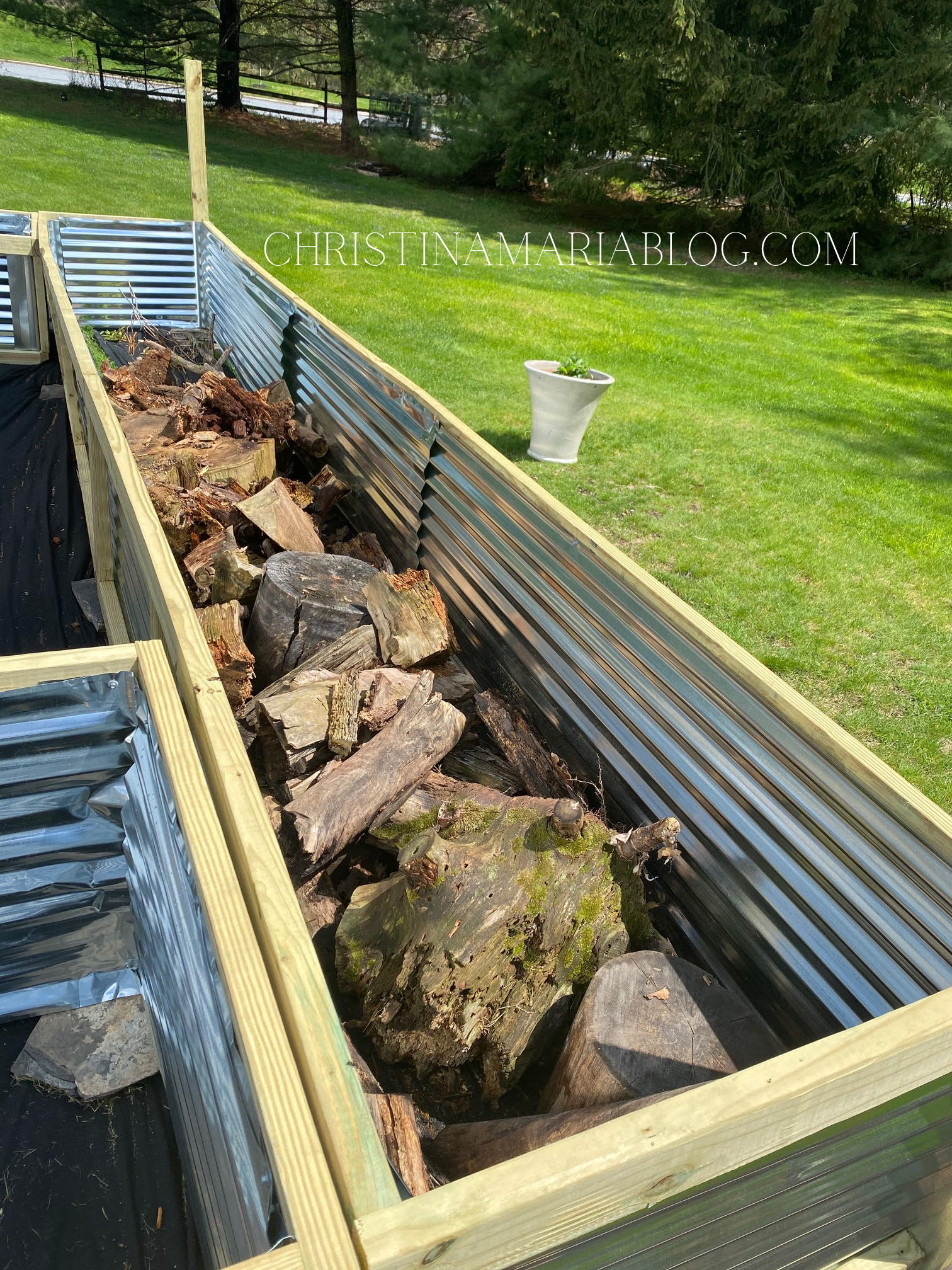
The best base layer for a raised garden bed is crucial for promoting healthy plant growth and ensuring proper drainage. The ideal choice typically involves a combination of materials that provide stability, drainage, and nutrients. Here are several effective options:
1. Landscape Fabric
Using landscape fabric is highly recommended as a base layer. This material allows water to drain while blocking weeds from coming up through the soil. It provides a supportive barrier that helps maintain the integrity of the soil.
See also:
- Prevents weed growth: Blocks weeds while allowing water to penetrate.
- Allows for drainage: Helps excess water escape, preventing root rot.
- Durable material: Typically lasts several seasons, reducing maintenance.
2. Gravel or Rock Layer
A layer of gravel or small rocks can be an excellent base for a raised garden bed. This option enhances drainage and helps prevent soil from washing away while allowing excess water to move freely.
- Improves drainage: Facilitates the flow of water, preventing soggy soil.
- Provides stability: Helps to anchor the soil in place, especially in heavy rains.
- Mineral addition: The gravel can provide additional minerals to the soil over time.
3. Wood Ash
Incorporating wood ash as a base layer is beneficial for vegetable gardens. It acts as a slow-release fertilizer, enriching the soil with potassium and other essential nutrients.
- Nutrient-rich: Adds valuable minerals that promote plant growth.
- Phytotoxicity prevention: Helps deter pests and diseases due to its alkaline nature.
- pH balance: Can assist in raising soil pH levels, suitable for certain plants.
4. Cardboard or Newspaper
Using cardboard or layers of newspaper can serve as an effective base layer. This method is particularly advantageous for suppressing weeds while breaking down over time to improve soil structure.
- Cost-effective: Uses recycled materials, saving money and reducing waste.
- Decomposes over time: Adds organic matter to the soil as it breaks down.
- Encourages beneficial organisms: Attracts earthworms and microbes that enhance soil fertility.
5. Straw or Hay Layer
Employing a layer of straw or hay can create an excellent base layer, particularly for warming the soil in early spring. It's lightweight, offers good drainage, and can be tilled back into the soil later on.
- Thermal insulation: Helps keep the soil warm during cooler months.
- Rapid decomposer: Breaks down quickly, adding nutrients to the soil.
- Natural weed suppression: Acts as a barrier to slow down weed growth.
What is the best filling for a raised bed?
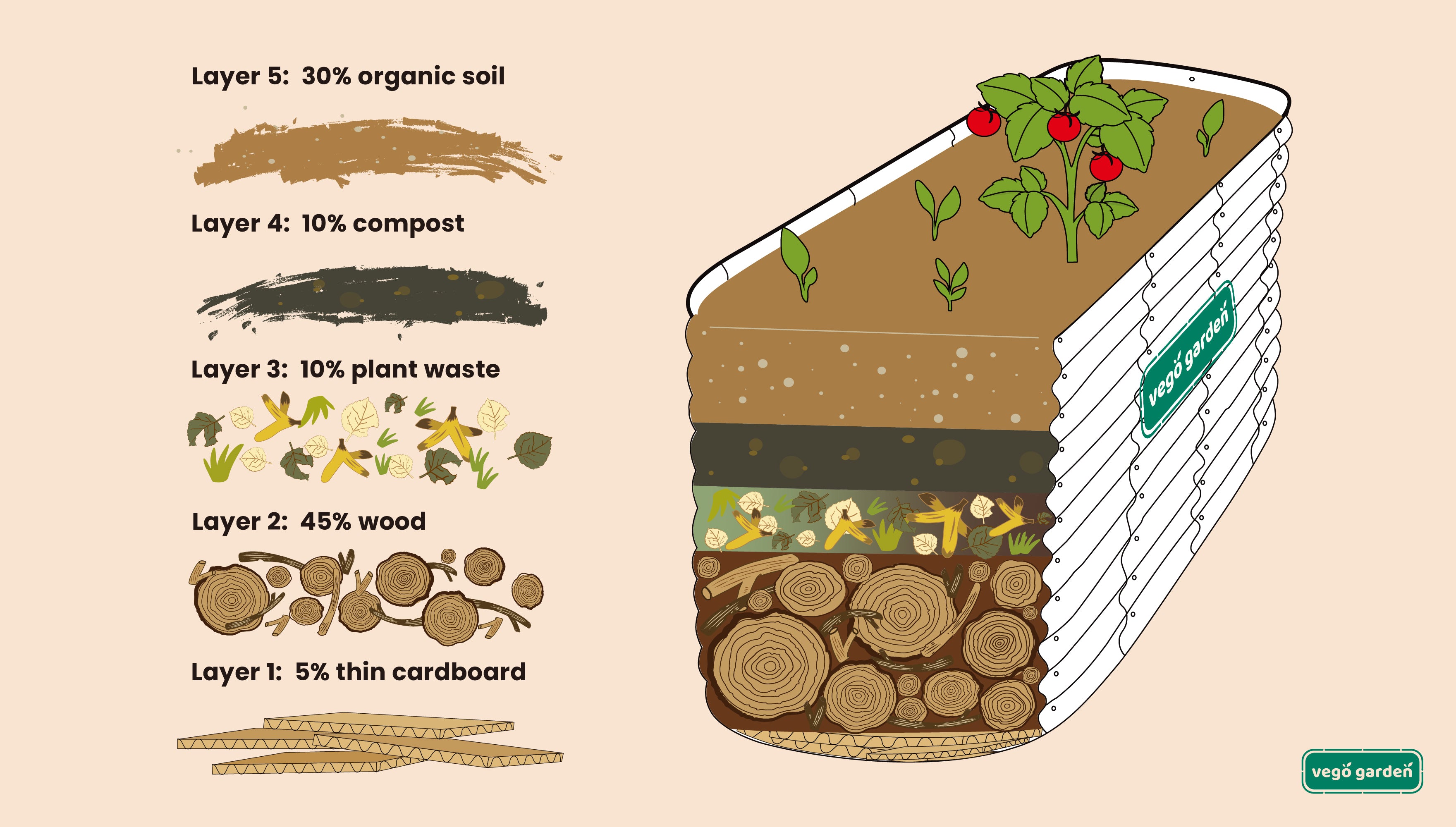
To create an optimal environment for growth in a raised bed, it’s essential to use the right combination of materials as filling. The best filling for a raised bed typically consists of a mix of high-quality soil, compost, and organic materials, allowing for appropriate drainage, aeration, and nutrient availability. A recommended general guideline is to use approximately 70% soil and 30% organic matter like compost or aged manure.
Ideal Soil Components
The composition of the soil is crucial for fostering a healthy plant environment. Ideally, the filling should consist of a blend of different types of soil to ensure nutrient diversity.
- Loam: This is a balanced mixture of sand, silt, and clay, providing excellent drainage as well as moisture retention.
- Sandy Soil: Enhances drainage which helps prevent waterlogging.
- Clay Soil: Adds nutrients and retains moisture, useful in dry conditions.
Compost Contributions
Incorporating compost into your raised bed filling significantly boosts the nutrient content and promotes microbial activity, which is vital for healthy plant growth.
- Organic Matter: Compost is rich in organic matter that improves soil structure and fertility.
- Nutrients: Provides a balanced supply of essential nutrients such as nitrogen, phosphorus, and potassium.
- Microorganisms: Encourages beneficial microorganisms to thrive, aiding in plant health and growth.
Drainage Considerations
Proper drainage is essential to prevent root rot and other water-related issues in raised beds. The choice of filling impacts drainage capabilities significantly.
- Gravel Layer: A layer of gravel at the bottom improves drainage by facilitating water movement.
- Perlite or Vermiculite: Adding these lightweight materials enhances aeration and drainage within the soil mix.
- Soil Amendments: Utilizing amendments like wood chips or straw can enhance both drainage and nutrient content.
Organic Materials Advantages
Integrating diverse organic materials into the raised bed filling offers several benefits essential for plant growth.
See also:
- Soil Structure: Organic matter improves soil structure, allowing roots to penetrate and grow more easily.
- Water Retention: Helps retain moisture, reducing the need for frequent watering.
- Natural Fertilization: As organic materials decompose, they naturally release nutrients into the soil.
Layering Techniques
Employing effective layering techniques can enhance the performance of your raised bed and optimize the filling materials used.
- Bottom Layer: Use larger materials like coarse gravel or branches to promote drainage.
- Middle Layer: Incorporate a mix of compost and well-drained soil to create a nutrient-rich environment.
- Top Layer: Add a thin layer of rich topsoil for seed planting or bed preparation.
What is the best filler for the bottom of a raised bed?
The best filler for the bottom of a raised bed can significantly enhance the efficiency, structure, and sustainability of gardening. When considering what materials to use at the bottom, it is essential to understand how these fillers can affect drainage, soil health, and plant growth.
Understanding Raised Bed Fillers
Using appropriate fillers enhances the raised bed's function by providing benefits such as better drainage, improved soil health, and reduced costs for soil amendments. The concept behind using fillers is to minimize the amount of high-quality soil required while maintaining suitable conditions for plant roots. Various fillers have different properties and benefits, which can suit different gardening needs.
Types of Fillers for the Bottom of Raised Beds
When selecting fillers, different materials can be used depending on availability, cost, and gardening goals. Common fillers include:
- Wood Chips - These help with drainage and provide a habitat for beneficial microorganisms.
- Straw - This decomposes over time, enriching the soil while allowing for good aeration.
- Cardboard or Newspaper - These materials suppress weeds and break down to improve soil structure.
Benefits of Using Natural Fillers
Natural fillers like wood chips, straw, or compost not only serve as a base layer but also offer numerous advantages over synthetic options. Their benefits include:
- Biodegradability - Natural materials break down and provide nutrients to the soil.
- Microbial Activity - They encourage beneficial microorganisms that enhance soil fertility.
- Water Retention - Natural fillers help retain moisture, reducing the need for frequent watering.
Considerations for Heavy Fillers
When opting for heavier materials such as rocks or gravel, it is important to consider their impact on the planting medium. Heavy fillers can affect drainage and heat retention in the soil:
- Weight - Heavier materials can make moving the raised bed difficult.
- Drainage - They can potentially hinder proper drainage if not layered appropriately.
- Heat Retention - Rock and gravel can increase soil temperature, which might affect certain plants.
Layering Fillers for Best Results
Applying a layered approach using various fillers can optimize the performance of a raised bed. This technique can enhance both drainage and nutrient availability:
- Bottom Layer - Start with larger materials like branches or rocks for proper drainage.
- Middle Layer - Use organic matter such as leaves or straw to decompose and enrich the soil.
- Top Layer - Fill with high-quality garden soil where plants will thrive.
Questions from Our Readers
What materials are best for the bottom of a raised garden bed?
The best materials for the bottom of a raised garden bed include cardboard, wood chips, or landscaping fabric. These materials help with drainage while also preventing weeds from growing up into the bed. Using a combination of these can create a healthy environment for your plants.
Should I use soil at the bottom of my raised garden bed?
Using soil at the bottom of your raised garden bed is generally not recommended as it can lead to issues with drainage and may compact over time. Instead, it's better to use materials that promote airflow and allow excess water to drain away.
See also:
How deep should the layer at the bottom of a raised garden bed be?
The layer at the bottom of a raised garden bed should typically be about 2 to 6 inches deep, depending on the materials used. A deeper layer may be beneficial for drainage, while a shallower layer may be sufficient if you’re using lightweight materials like leaves or grass clippings.
Is it necessary to put anything at the bottom of a raised garden bed?
While it is not strictly necessary to put something at the bottom of a raised garden bed, doing so can significantly improve drainage and overall soil health. Placing materials like rocks or branches can help prevent soil from washing away while allowing excess water to escape.

If you want to read more articles like What is the Best Thing to Put in the Bottom of a Raised Garden Bed? Top Tips for Optimal Plant Growth, we recommend you check out our Garden category.
Leave a Reply
Related Articles