What Vegetables Should You Not Put Next to Each Other? A Comprehensive Guide to Companion Planting

Companion planting is a gardening strategy that pairs certain plants together to enhance growth, repel pests, and optimize space. However, not all vegetable combinations are beneficial; in fact, some can hinder each other’s development. Understanding which vegetables should not be planted next to each other is crucial for achieving a successful garden. This comprehensive guide delves into the science and reasoning behind incompatible pairings, helping gardeners make informed decisions. By avoiding detrimental combinations, you can create a thriving vegetable garden that maximizes yield and minimizes issues, ensuring a bountiful harvest throughout the growing season.
What Vegetables Should You Not Put Next to Each Other?
When planning your garden or arranging vegetables in your kitchen, it is important to consider companion planting, as certain vegetables can affect each other’s growth negatively. For instance, planting tomatoes near potatoes can increase the risk of diseases like blight due to shared vulnerabilities. Similarly, carrots and celery should not be planted together, as they compete for nutrients and space, leading to stunted growth for both. Recognizing which vegetables are considered incompatible helps in creating a more efficient and productive growing environment, ultimately resulting in healthier plants and a more fruitful harvest.
Incompatible Vegetable Pairs
Certain vegetables are known to be incompatible due to their growth habits and nutrient requirements. For example, onions and peas do not thrive when planted near each other, as onions can inhibit the growth of peas. Similarly, corn and tomatoes are not advised to be grown in proximity, since both plants can attract similar pests and diseases, increasing the risk of infestations and crop failure.
Reasons for Planting Restrictions
The main reasons for planting restrictions between vegetables include competition for nutrients, water, and space, as well as the attraction of pests and diseases. For instance, when two plants compete for the same nutrients, one may outgrow the other, leading to poor yield or even the death of the weaker plant. Additionally, pests that thrive on one plant may easily move to another nearby plant, spreading infestations.
Common Misconceptions
Many gardeners hold misconceptions about the compatibility of certain vegetables. For example, it is often believed that all leafy greens can be grown together without issues. However, some leafy greens, like spinach and kale, share similar nutrient needs and can hinder each other's growth when planted too closely. Understanding the unique needs of each plant is essential to avoid such pitfalls.
Utilizing Companion Planting Strategies
To maximize your garden's potential, implementing companion planting strategies can be highly beneficial. This means deliberately choosing to plant compatible vegetables together, which can enhance growth, deter pests, and improve yield. For instance, planting basil alongside tomatoes can repel pests and enhance flavor, creating a more harmonious garden environment.
Table of Vegetables to Avoid Planting Together
| Vegetable 1 | Vegetable 2 | Reason for Incompatibility |
|---|---|---|
| Tomatoes | Potatoes | Increased risk of blight |
| Onions | Peas | Growth inhibition |
| Corn | Tomatoes | Shared pests and diseases |
| Carrots | Celery | Compete for nutrients |
| Spinach | Kale | Similar nutrient needs |
What vegetables cannot be next to each other?
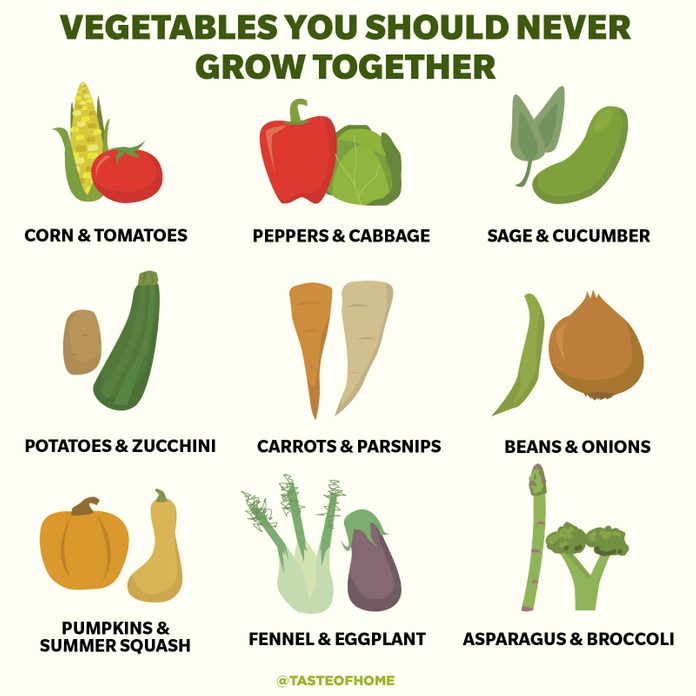
Certain vegetables can negatively impact each other when planted in close proximity due to competing nutrients, pests, or growth habits. Understanding these planting incompatibilities can help ensure a healthy garden and improve the success of your crops.
Companion Planting Principles
Companion planting is the practice of growing different plants together for mutual benefits. However, some vegetables can act as detrimental neighbors, hindering each other’s growth. Factors such as nutrient competition, pest attraction, and allelopathic effects can play a significant role in these incompatibilities. Here are some common vegetable pairings to avoid:
- Tomatoes and potatoes: Both belong to the nightshade family and are prone to similar diseases.
- Cabbage and strawberries: Cabbage can inhibit the growth of strawberries.
- Carrots and celery: These can compete for the same nutrients.
Vegetable Groups to Avoid Planting Together
Certain groups of vegetables are known to have negative interactions when planted in proximity. Understanding these groups can help gardeners plan their layouts effectively. For example:
See also:
- Brassicas (such as broccoli and kale) are often inhibited by plants like strawberries.
- Onions do not grow well near peas and beans, as they can stunt each other's growth.
- Nightshades (like eggplants, peppers, and tomatoes) should not be planted near one another due to susceptibility to diseases.
Pest Attraction and Management
Some vegetables can attract specific pests that can harm neighboring plants. For instance, planting cucumbers near potatoes can draw in cucumber beetles, which can then spread to the potatoes. This emphasizes the importance of understanding pest associations when planning a garden. Key combinations to avoid include:
- Cucumbers with potatoes: Attracts the same pests.
- Carrots and dill: Dill can attract pests that harm carrots.
- Beans and garlic: Garlic can repel beneficial insects that help beans.
Understanding Allelopathy
Allelopathy refers to the chemical inhibitory effects that certain plants exude into the soil, impacting the growth of neighboring plants. Some vegetables release chemicals that can hinder the germination or growth of others. For example:
- Walnuts (and the allelopathic juglone they produce) can negatively affect nearby tomatoes.
- Sunflowers can inhibit the growth of various vegetables, including potatoes and peppers.
- Eggplants are known to have allelopathic effects that can stress cabbage.
Strategies for Successful Garden Layouts
To optimize a vegetable garden, it's important to plan the layout strategically, considering which plants should not be placed next to each other. Here are some essential strategies:
- Research the companion planting principles before arranging your garden.
- Group vegetables with similar care requirements to enhance their growth.
- Rotate crops yearly to prevent nutrient depletion and reduce disease risk.
What vegetables cannot be stored next to each other?
Certain vegetables emit ethylene gas, a natural compound that can accelerate ripening and spoilage in nearby produce. For optimal shelf life and freshness, it is important to understand which vegetables should not be stored together. Here are some common vegetable pairings to avoid:
- Tomatoes: Should not be stored next to cucumbers, as the latter is very sensitive to ethylene gas. This interaction can cause cucumbers to wilt and spoil more quickly.
- Potatoes: Best kept away from onions since they can both produce moisture. This moisture can lead to mold and faster decay for both vegetables.
- Carrots: Should not be stored with apples. Apples produce high amounts of ethylene gas, which can lead to the carrots becoming bitter and deteriorating sooner.
- Bananas: Usually not stored with leafy greens, as the ripening process of bananas can cause premature wilting and spoilage in greens like lettuce or spinach.
Ethylene Producers
Certain vegetables are known for producing high levels of ethylene gas. Knowing which ones they are can be crucial for storage practices. Common ethylene producers include:
- Tomatoes
- Bananas
- Apples
- Cucumbers
- Peaches
Sensitive Vegetables
Some vegetables are particularly sensitive to ethylene gas and can degrade faster when stored alongside ethylene-producing varieties. These sensitive vegetables include:
- Cucumbers
- Leafy greens
- Carrots
- Bell peppers
- Zucchini
Best Practices for Vegetable Storage
To extend the shelf life of your vegetables, it's essential to implement certain best practices while storing them. Consider these tips:
- Separate ethylene producers from sensitive vegetables.
- Store vegetables at appropriate temperatures and humidity levels.
- Use breathable bags or containers to reduce moisture accumulation.
- Regularly check for spoilage and remove any affected items.
- Label containers to avoid mixing different types of vegetables.
Impact of Temperature and Humidity
Temperature and humidity can also play a significant role in how vegetables interact while stored. Understanding these factors can help in maintaining freshness:
See also:
- Cool storage conditions usually benefit all vegetables.
- High humidity levels can lead to mold growth, especially in root vegetables.
- Low humidity can cause vegetables to wilt faster.
- Controlled temperature in a refrigerator extends freshness.
- Regular airflow prevents moisture buildup.
Common Misconceptions About Vegetable Storage
There are various misconceptions about storing vegetables together that can lead to spoilage. Clarifying these misconceptions can help in proper vegetable storage:
- All vegetables can be stored together—this is not true for many varieties.
- Storing potatoes in the fridge is best—this can actually convert starch to sugar.
- Plastic bags are ideal for all vegetables—some vegetables need breathable storage.
- It doesn’t matter how often you check your storage—checking regularly can prevent spoilage.
- All ethylene gas is bad—while it can spoil some vegetables, it can also encourage others to ripen.
Which vegetables should not be mixed together?
Vegetables can be a vital part of a healthy diet, but certain combinations can cause issues ranging from digestive discomfort to reduced nutrient absorption. Below are several vegetables that are generally advised not to be mixed together, along with their specific reasons.
1. Tomatoes and Cucumbers
The combination of tomatoes and cucumbers is a popular one in salads, but this pairing is discouraged due to their differing digestive patterns. Tomatoes are acidic, while cucumbers are alkaline. This difference can lead to digestive issues, including bloating or gas.
- Acidic tomatoes may interfere with cucumber digestion.
- Both vegetables require different enzymes for digestion.
- This combination can lead to a heavier feeling in the stomach.
2. Carrots and Potatoes
While both carrots and potatoes are nutritious, combining them can be problematic because they are both starchy vegetables. This high starch content can lead to an overload of carbohydrates for the digestive system to process at once.
- Both contain high levels of starch, which can cause digestive stress.
- The combined glycemic load can lead to blood sugar spikes.
- This mix can lead to feelings of sluggishness post-meal.
3. Spinach and Beets
The mix of spinach and beets can be less than optimal due to oxalates found in both. Oxalates can bind to calcium and prevent its absorption, potentially leading to kidney stones and deficiencies if consumed excessively in this combination.
- Both vegetables are high in oxalates.
- This combination can hinder calcium absorption.
- Long-term consumption may increase the risk of kidney stones.
4. Broccoli and Cauliflower
Combining broccoli and cauliflower is often avoided because both are cruciferous vegetables that can lead to increased production of gas. This can cause discomfort for some individuals due to their overlapping sulfur compounds.
- Both can enhance the production of gas in the digestive tract.
- High levels of fiber can lead to bloating when consumed together.
- Individual sensitivities may exacerbate digestive issues.
5. Green Beans and Corn
The combination of green beans and corn is not considered ideal because they have drastically different digestion times. Green beans are fibrous, while corn contains sugars and starches that ferment, potentially leading to digestive discomfort.
- Different digestive requirements can slow down overall digestion.
- Fermentation of corn may produce gas that can affect comfort.
- This mixture can create an imbalance in nutrient absorption timing.
Questions from Our Readers
What vegetables should not be planted next to each other?
Certain vegetables should be kept apart due to companion planting principles. For instance, carrots and potatoes should not be planted next to each other, as they may compete for nutrients and attract the same pests, which can lead to decreased yield.
Why should you avoid planting tomatoes with certain vegetables?
Tomatoes should ideally not be planted next to cabbage or potatoes, as these can promote disease and reduce the growth of tomatoes. Planting incompatible vegetables together can lead to issues such as pest infestation and nutrient competition.
See also:
Are there any vegetables that are harmful when planted near cucumbers?
Yes, cucumbers should not be planted near potatoes or hass avocados, as they can harm each other's development. This is mainly due to the fact that these plants may share similar pests or diseases, affecting their overall health.
How does planting vegetables too close affect their growth?
Planting vegetables too close can lead to stunted growth, poor crop yield, and increased susceptibility to pests and diseases. When vegetables compete for light, water, and nutrients, it can severely impact their ability to thrive.
If you want to read more articles like What Vegetables Should You Not Put Next to Each Other? A Comprehensive Guide to Companion Planting, we recommend you check out our Garden category.
Leave a Reply
Related Articles