What is the Best Vegetable to Grow for Money? Top Options for Profitable Gardening

When it comes to vegetable gardening, maximizing profit is often a primary goal for many growers. The choice of which vegetable to cultivate can significantly impact the financial returns on your efforts. Factors such as market demand, growth cycle, and cultivation costs play a crucial role in selecting the most profitable crops. In this article, we will explore several top options for vegetables that can yield the best returns. Whether you’re a seasoned gardener or just starting out, understanding which plants to prioritize can help you make informed decisions and boost your gardening profitability.
What is the Best Vegetable to Grow for Money?
Growing vegetables for profit can be a highly lucrative venture, especially when selecting the right crops that are in demand. Among various options, leafy greens such as spinach, kale, and lettuce often stand out as some of the best vegetables to grow for money. These crops have a quick turnaround time, allowing farmers to harvest multiple times during a growing season. They can be sold directly to consumers through farmers' markets or local grocery stores, often fetching a premium price due to their freshness and nutritional value. Additionally, their popularity among health-conscious consumers ensures a steady market demand, making them a reliable choice for growers looking to maximize profit.
Advantages of Growing Leafy Greens
Growing leafy greens is advantageous due to their fast growth cycle and minimal space requirements. Typically, these vegetables can be harvested within 30 to 60 days after planting, allowing for multiple harvests throughout the growing season. Furthermore, they thrive in various environments, including backyard gardens and commercial farms, making them accessible for many growers. Their health benefits and versatility in cooking further enhance their market appeal.
Market Demand for Organic Vegetables
There is a substantial demand for organic vegetables, driven by consumer trends towards health and sustainability. Organic leafy greens are particularly sought after, as they appeal to a growing demographic of consumers willing to pay a premium for organic certification. This trend catalyzes the potential for increased profit margins for growers who decide to adopt organic farming practices, thus aligning profit with market principles of sustainability.
Cost-Effective Growing Techniques
Utilizing cost-effective growing techniques can also contribute significantly to the profitability of vegetable farming. Practices such as vertical farming and hydroponics allow growers to maximize yield per square foot while minimizing resource expenditure. These methods are not only space-efficient but can significantly reduce water usage and increase growth rates, ultimately enhancing profitability in the long run.
Seasonal Considerations
Understanding seasonal considerations is vital for successful vegetable cultivation. Many leafy greens can be grown as cool-season crops, meaning they can be planted in early spring or late summer for fall harvests. Adjusting planting schedules according to season can lead to higher yields and better quality produce, catering to seasonal consumer demands and ensuring a consistent income throughout the year.
Profit Margins for Different Vegetables
The profit margins for various vegetables can vary significantly. For instance, microgreens and specialty varieties of greens may yield far higher profits per square foot compared to traditional staples like carrots or potatoes. By conducting market research and understanding pricing in local markets, growers can identify which vegetables offer the best return on investment. This knowledge enables them to make informed decisions about crop selection based on profitability.
| Vegetable | Average Growth Time (Days) | Estimated Profit Per Sq. Ft. |
|---|---|---|
| Spinach | 30 | $5 |
| Kale | 45 | $4 |
| Lettuce | 30 | $3 |
| Microgreens | 14 | $20 |
| Arugula | 30 | $4 |
What is the most profitable vegetable to grow?

The most profitable vegetable to grow can vary depending on several factors, such as market demand, climate, and agricultural methods. However, a few vegetables consistently rank high in profitability among farmers. Organic vegetables, particularly heirloom varieties, often yield higher prices at the market due to their unique flavors and being grown without synthetic fertilizers and pesticides.
One of the standout options is asparagus. This perennial vegetable can produce for 15 years or more after the initial planting and requires a relatively low amount of labor compared to annual crops.
1. Asparagus: A Long-Term Investment
Asparagus is one of the most lucrative vegetables due to its high market value and long lifespan. Once established, it can produce for many years with minimal annual maintenance, leading to substantial profits.
- High Market Demand: Asparagus is in high demand, especially during the spring season when it is freshly harvested.
- Perennial Crop: Unlike many vegetables, asparagus can yield for 15 years or more, providing a long-term source of income.
- Low Labor Costs: After initial planting, ongoing care is minimal, significantly reducing labor costs.
2. Organic Tomatoes: Versatile and Profitable
Organic tomatoes, particularly heirloom varieties, are incredibly popular among consumers seeking quality and flavor. Their versatility in culinary uses also contributes to their marketability.
- High Selling Price: Organic tomatoes can command higher prices at markets compared to conventional varieties.
- Multiple Varieties: Restaurants and grocery stores often seek a variety of types, enhancing sales potential.
- Good Yield Potential: Properly maintained tomato plants can produce a large number of fruits per plant, maximizing profits.
3. Bell Peppers: High Demand and Low Cost
Bell peppers, especially when grown in various colors and organic, are another highly profitable vegetable. They are sought after for their use in a wide range of dishes, salads, and garnishes.
See also:
- Consumer Preferences: The demand for colorful and organic bell peppers continues to rise, providing farmers with steady sales.
- Diverse Market Applications: They are used in salads, cooking, and as garnishes, appealing to both home cooks and restaurants.
- High Yield: Bell peppers can produce abundant crops, enabling farmers to capitalize on their production scale.
4. Leafy Greens: Quick Turnaround and High Yield
Leafy greens such as spinach and kale are quick-growing and have a turnover rate that allows for multiple harvests in a single growing season. They are increasingly popular due to the health trends favoring nutritious foods.
- Fast Growth Period: Many leafy greens can be harvested within weeks of planting, ensuring rapid returns on investment.
- Health Conscious Market: The growing trend towards health and wellness boosts demand for nutrient-rich greens.
- Adaptability: Leafy greens can be grown in various climates and locations, making them accessible to more farmers.
5. Garlic: Low Maintenance, High Reward
Garlic has seen a surge in popularity, both as a culinary ingredient and for its health benefits. It requires minimal maintenance and has a long shelf life, making it a wise investment for growers.
- High Profit Margin: Specialty garlic varieties can yield profits well above those of many other vegetables.
- Low Input Costs: Garlic can be grown with relatively low amounts of inputs, allowing for higher margins.
- Long Shelf Life: Once harvested, garlic can be stored for extended periods, enabling farmers to sell it throughout the year.
What is the easiest vegetable to grow and sell?

The easiest vegetable to grow and sell is often considered to be radishes. Radishes are fast-growing crops that can flourish in a variety of conditions, making them an ideal choice for both novice and experienced gardeners looking to enter the market.
Radishes require minimal care and can be harvested in as little as three to four weeks from sowing. Additionally, they can be grown in small spaces, which makes them perfect for urban gardening. Their quick growth cycle allows for multiple harvests in a single growing season, maximizing potential profit.
Ease of Cultivation
Radishes are renowned for their simple cultivation requirements. They thrive in cool weather and can be planted in early spring or fall. Key factors include:
- Sowing: Seeds can be directly sown into the soil, with minimal preparation needed.
- Watering: They require consistent moisture but do not thrive in overly wet soil.
- Sunlight: While they prefer full sun, they can tolerate partial shade.
Growth Time
One of the most appealing aspects of growing radishes is their short growth time. They can be harvested rapidly, which enhances their appeal for quick returns:
- Variety selection: Different varieties can offer quicker or staggered harvest times.
- Multiple plantings: You can plant successive crops every few weeks for continuous yield.
- Early harvests: Baby radishes can be sold, providing a market for younger crops.
Market Demand
Radishes are widely recognized in both local markets and grocery stores, prompting a steady market demand:
- Versatility: They can be used in salads, garnishes, and cooking, appealing to various consumers.
- Health benefits: High in vitamins and nutrients, radishes attract health-conscious buyers.
- Local markets: Farmers markets often showcase fresh produce, including radishes.
Growing Techniques
Implementing effective growing techniques can further improve yield and marketability:
- Soil preparation: Lightly tilling the soil with organic matter can boost growth.
- Spacing: Proper spacing between seeds ensures optimal growth and air circulation.
- Pest management: Utilizing organic pest control can help maintain healthy crops.
Profit Potential
Due to their low overhead and high turnover, radishes offer excellent profit potential for growers:
- Low input costs: The minimal requirements for cultivation keep costs low.
- Fast returns: With quick harvesting, growers can quickly reinvest profits.
- Value-added products: Furthermore, radishes can be pickled or used in specialty products for increased profit.
Which is the most profitable crop to grow?
The most profitable crop to grow can vary significantly depending on several factors, including climate, soil type, local market demand, and available resources. However, certain crops are generally recognized for their high profitability across various regions. Among these, saffron, organic fruits, and specialty vegetables often stand out due to their market prices and demand.
Factors Influencing Crop Profitability
Profitability in crop production is influenced by multiple factors, including environmental conditions, market demand, and production costs.
See also:
- Climate: The suitability of climate for specific crops can maximize yields and reduce pests.
- Soil Quality: Rich, well-drained soil supports healthy plant growth leading to better profits.
- Market Access: Proximity to markets affects sales prices and the ability to sell fresh produce quickly.
Top Profitable Crops
Several crops have gained attention for their strong profit margins, particularly for small to medium-sized farms.
- Saffron: This spice is one of the most expensive in the world, requiring specific growing conditions and careful harvesting.
- Organic Fruits: Fruits like berries and apples can fetch higher prices in organic markets.
- Specialty Vegetables: Unique varieties such as heirloom tomatoes and exotic peppers often attract premium prices.
Regional Considerations
Certain crops may be more profitable in specific areas due to regional preferences or agricultural practices.
- Temperature: Warmer climates benefit crops like avocados and citrus.
- Local Demand: Urban areas may support higher prices for more specialized or organic crops.
- Water Availability: In arid regions, crops that require less water can be more viable.
Market Trends and Consumer Preferences
Keeping an eye on current trends can significantly influence which crops will be the most profitable in the future.
- Health Trends: Increasing consumer interest in health may boost demand for superfoods, such as quinoa and kale.
- Plant-Based Eating: The shift toward plant-based diets raises the profitability of legumes and alternative protein sources.
- Local Sourcing: The trend for local produce can increase the profitability of crops that are well-suited for local markets.
Financial Considerations
When evaluating profitability, it is essential to consider the financial aspects of crop production.
- Initial Investment: Some crops require significant upfront costs, which can affect overall profitability.
- Yield Potential: Understanding the expected yield will help in assessing potential profits over time.
- Cost of Production: Ongoing expenses, such as labor and inputs, must be managed to ensure a profitable operation.
What vegetable is in high demand?
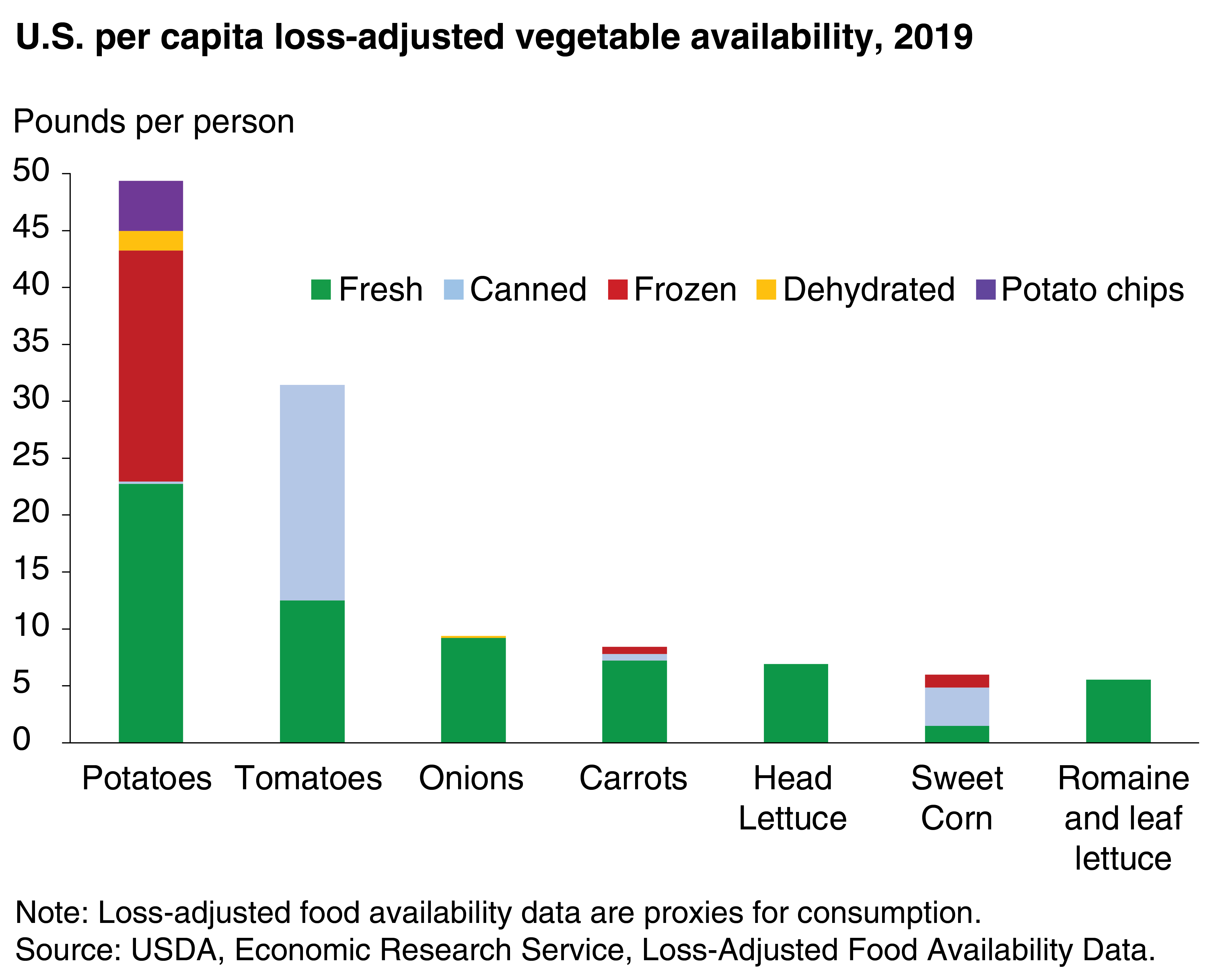
The vegetable currently in high demand is spinach. This leafy green is appreciated for its nutritional benefits and versatility in culinary applications. With the growing interest in healthy eating, spinach has become a staple in various diets, including vegan and vegetarian lifestyles. It's packed with vitamins A, C, and K, along with essential minerals like iron and calcium. The increasing awareness of health and wellness trends has led to a significant rise in consumer demand for spinach, making it one of the most sought-after vegetables in the market.
Health Benefits of Spinach
Spinach is loaded with a multitude of health benefits that contribute to its high demand. Here are some key points:
- Rich in Nutrients: Spinach contains vitamins and minerals that are crucial for bodily functions.
- High in Antioxidants: It helps combat free radicals, reducing oxidative stress.
- Promotes Eye Health: Lutein and zeaxanthin in spinach support eye health.
Culinary Versatility
Another factor for the high demand of spinach is its culinary versatility. This vegetable can be utilized in a variety of dishes:
- Salads: Raw spinach makes a delightful base for salads.
- Smoothies: It can be blended into smoothies for added nutrition.
- Cooked Dishes: Spinach pairs well with pasta, soups, and stir-fries.
Environmental Impact
The environmental impact of growing spinach also contributes to its demand. Here are some relevant aspects:
- Low Water Requirements: Spinach requires relatively less water compared to other crops.
- Quick Growth: It has a fast growth cycle, allowing for rapid harvest.
- Minimal Carbon Footprint: Local farming reduces the transportation impact.
Market Trends
Recent market trends also highlight the increased popularity of spinach in the food industry:
- Organic Produce: There’s a rise in demand for organic spinach, which is seen as healthier.
- Convenience Products: Pre-packaged spinach products are gaining traction.
- Health Food Trends: The trend towards superfoods has boosted spinach sales.
Growing Regions
The regions where spinach is predominantly grown also affect its availability and demand:
- California: Home to a significant portion of the United States' spinach production.
- Arizona: Another crucial growing area, especially during winter months.
- Global Production: Spinach is grown in many countries, catering to international markets.
Questions from Our Readers
What is the most profitable vegetable to grow?
One of the most profitable vegetables to grow is broccoli. It has a high market demand, especially during the cooler months, and can yield multiple crops in a single season, maximizing profit potential.
How do I determine which vegetables sell best in my area?
To determine which vegetables sell best in your area, you should conduct market research by visiting local farmers' markets, checking with grocery stores, or researching online sales trends. Understanding your local consumer preferences will help you make informed decisions.
See also:
What factors influence the profitability of vegetable farming?
Several factors influence the profitability of vegetable farming, including market demand, production costs, crop rotation practices, and local climate conditions. By optimizing these factors, farmers can significantly enhance their earnings.
Is it better to grow organic or conventional vegetables for profit?
Generally, growing organic vegetables can be more profitable due to the premium prices they command. However, it requires strict adherence to organic practices and can involve higher production costs, which should be carefully considered before making a decision.

If you want to read more articles like What is the Best Vegetable to Grow for Money? Top Options for Profitable Gardening, we recommend you check out our Garden category.
Leave a Reply
Related Articles