What is a Good Layout for a Vegetable Garden? Discover the Best Designs and Tips for Maximum Yield
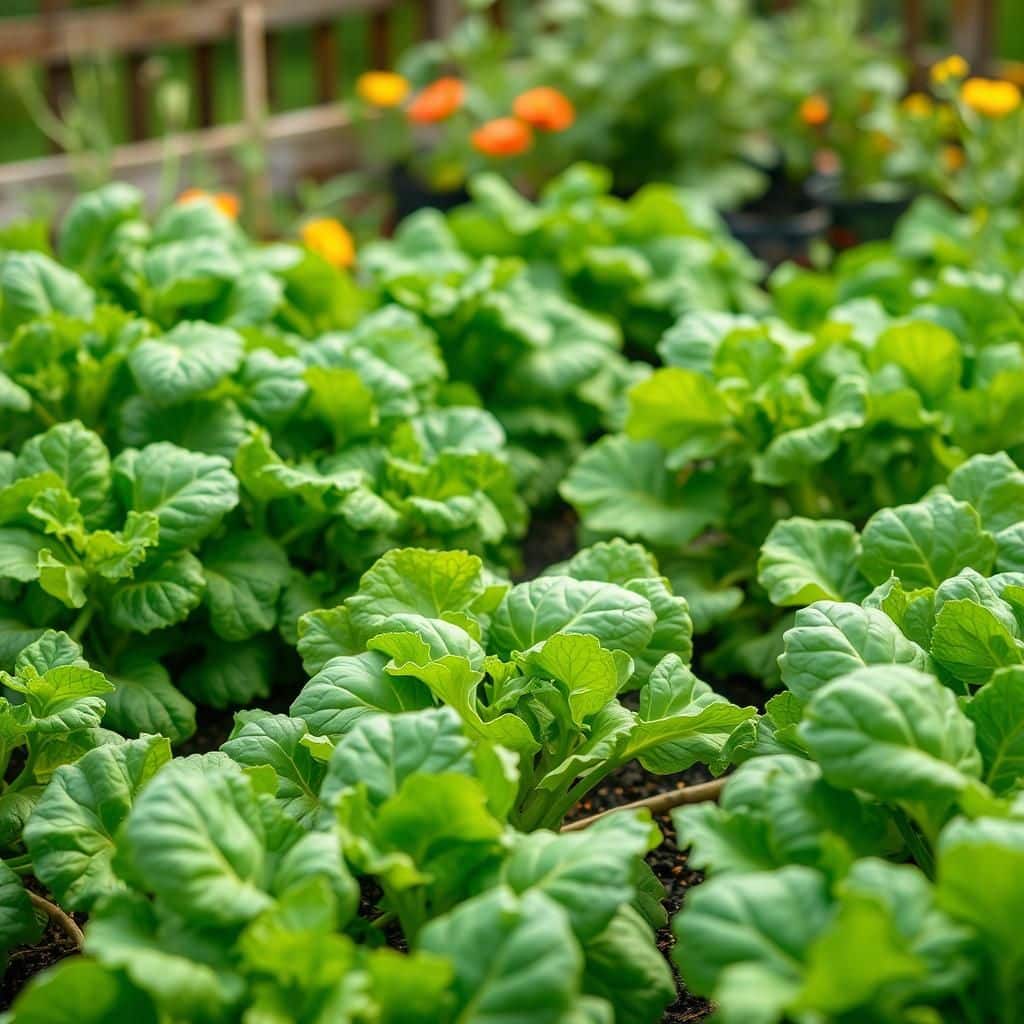
Designing a vegetable garden can be both an exciting and daunting task. The layout you choose significantly influences plant health, accessibility, and overall yield. With numerous design options available, from traditional rows to raised beds and vertical gardens, understanding the best practices becomes essential for both novice and experienced gardeners. This article delves into effective vegetable garden layouts, providing insights on spacing, companion planting, and seasonal rotation. By exploring these design principles and practical tips, you can create a productive garden space that maximizes your vegetable output while catering to your specific needs and preferences.
What is an Ideal Layout for a Vegetable Garden?
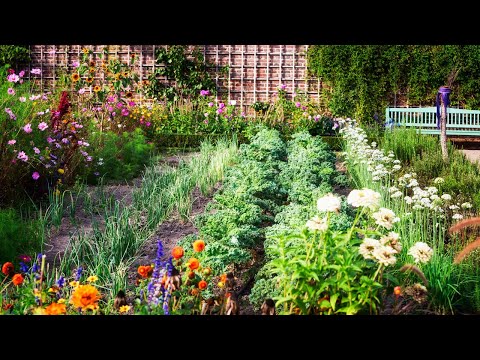
Creating an ideal layout for a vegetable garden involves careful planning to optimize space, sunlight, and accessibility. A successful design typically includes raised beds or traditional rows that allow for easy maintenance and efficient use of soil. Organizing plants according to their growth requirements—such as sun exposure, water needs, and rooting depth—can enhance productivity. Incorporating pathways for ease of movement and ensuring that taller plants do not shade shorter ones are essential considerations. Additionally, implementing companion planting strategies can help manage pests and improve yields, making the overall garden layout functional and beautiful.
Consider Sunlight Requirements
Understanding the sunlight requirements of various vegetables is crucial when planning your garden layout. Most vegetables require at least 6-8 hours of direct sunlight daily. Grouping sun-loving plants together, such as tomatoes and peppers, at the sunniest spots in your garden ensures optimal growth, while shade-tolerant species like spinach and lettuce can be planted in less illuminated areas. Monitoring the sun’s trajectory throughout the seasons will help you place your plants effectively and maximize their potential.
Maximize Space with Raised Beds
Using raised beds is an excellent way to maximize space in a vegetable garden. These structures not only improve drainage but also enable better soil management and accessibility. A raised bed can be designed at a comfortable height for easy planting and harvesting, minimizing the strain on your back. Additionally, they can be customized to fit any available space, whether large or small, allowing for a more organized and aesthetically pleasing garden layout.
Plan Pathways for Accessibility
Incorporating pathways in your garden layout is essential for ease of access. Wide enough paths allow you to maneuver tools and kneel comfortably while tending to your plants. Pathways can be made from gravel, mulch, or stepping stones, providing both functionality and visual appeal. They also help prevent soil compaction in planting areas and minimize disturbance to the roots of nearby plants, promoting better growth and health of your vegetables.
Implement Companion Planting
Companion planting involves growing different plant species in proximity to each other to benefit mutual growth and pest management. Some plants can deter pests, while others can enhance nutrient uptake or provide shade. For instance, growing basil alongside tomatoes can improve their flavor and repel pests like aphids. Planning your garden with companion planting principles in mind helps create a balanced ecosystem, ultimately improving the overall health and yield of your vegetable garden.
Consider Crop Rotation
Crop rotation is a vital practice in maintaining soil fertility and preventing pest buildup in your vegetable garden. By alternating the crops grown in each bed or area from year to year, you can reduce the risk of soil-borne diseases and nutrient depletion. For instance, following nitrogen-fixing crops like beans with leafy greens can enhance the soil's nutrient profile. Properly planning and implementing crop rotation in your garden layout will contribute to long-term productivity and sustainability.
| Plant Type | Sunlight Requirement | Companion |
|---|---|---|
| Tomatoes | Full sun | Basil |
| Spinach | Partial shade | Strawberries |
| Carrots | Full sun | Onions |
| Beans | Full sun | Corgette |
| Lettuce | Partial shade | Radishes |
How should I arrange my vegetable garden?
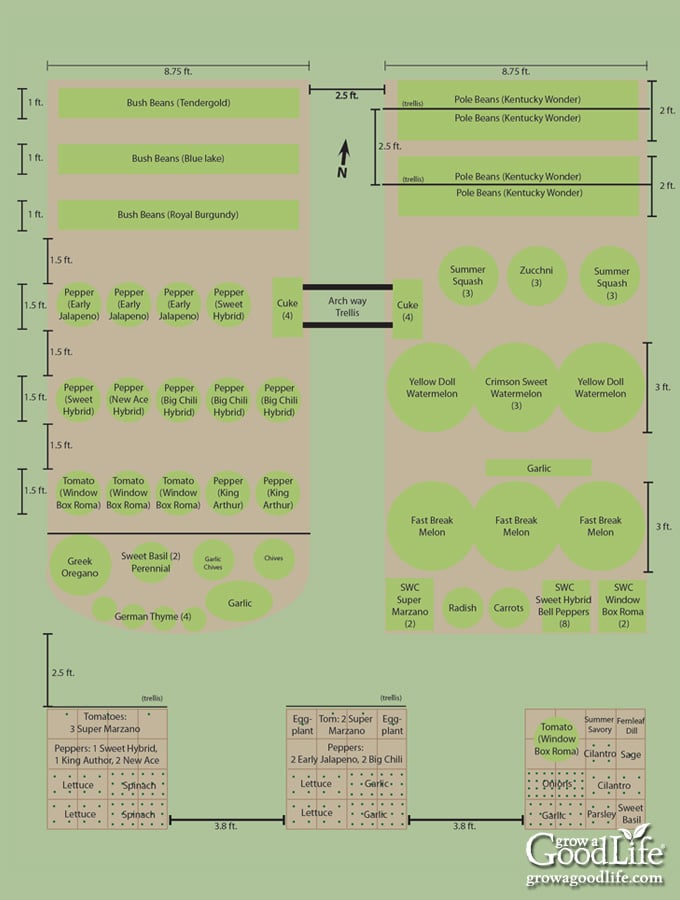
To arrange your vegetable garden effectively, you need to consider several factors that will enhance plant growth, maximize space, and improve accessibility. Below are key principles and steps to follow for creating a thriving vegetable garden layout.
Planning Your Garden Layout
A successful vegetable garden begins with a solid plan. Consider the overall space you have available and how you want to utilize it. Think about accessing the garden and how sunlight travels across your plants.
- Measure your space: Take accurate measurements of your garden area to know how much space you have for planting.
- Create a sketch: Draw a simple plan that includes paths, beds, and spacing for each vegetable.
- Consider crop rotation: Plan where different vegetables will go each season to maintain soil health.
Choosing the Right Vegetables
Selecting the appropriate vegetables for your garden is crucial. Consider the climate, season, and soil conditions in your area when deciding what to plant.
- Know your growing season: Research which vegetables thrive in your local climate and when to plant them.
- Select complementary crops: Pair plants that grow well together (e.g., tomatoes with basil) to maximize yield and deter pests.
- Include a variety: Grow a mix of vegetables to ensure a more productive garden and diversify your harvest.
Optimizing Space Through Companion Planting
Companion planting involves placing different plants near each other for mutual benefits, enhancing your garden's efficiency and vigor.
See also:
- Utilize vertical space: Grow climbing plants like peas or cucumbers on trellises to free up ground space.
- Interplant: Use spaces between larger plants by planting smaller crops like lettuce or radishes.
- Utilize herbs: Incorporate herbs in your vegetable beds as they can improve flavor and repel pests.
Establishing Proper Plant Spacing
Proper spacing between plants is vital for their growth and airflow. Crowded plants may struggle with diseases and pests.
- Follow spacing guidelines: Each vegetable has specific requirements for spacing; adhere to these for optimal growth.
- Consider mature size: Always plan for the size the plants will reach at maturity, not just their initial size.
- Adjust based on growth habits: Some plants may require more space due to growth habits, so research accordingly.
Implementing Accessibility and Maintenance
Making your vegetable garden accessible simplifies maintenance and harvesting, allowing you to enjoy your garden fully.
- Design pathways: Include paths that enable easy access to each planting area without stepping on the soil.
- Use raised beds: Raised beds can make maintenance easier and improve soil quality by providing better drainage.
- Integrate watering systems: Consider drip irrigation or soaker hoses that make watering efficient and less labor-intensive.
Which vegetables grow well together chart?

What is Companion Planting?
Companion planting is an ancient gardening technique that involves growing different plants in close proximity for mutual benefits. The concept is based on the idea that certain crops can help each other grow better, repel pests, enhance growth, and even improve flavors. By understanding which vegetables grow well together, gardeners can create a harmonious garden environment that maximizes yields while minimizing the need for chemical fertilizers and pesticides. Essential aspects include:
- Pest Control: Certain plants can deter pests that would otherwise harm neighboring crops.
- Growth Enhancement: Some plants provide shade or support to others, improving overall health and productivity.
- Nutrient Improvement: Different plants may contribute specific nutrients to the soil, benefiting their companions.
Vegetables That Grow Well Together
Several vegetables are known to thrive when grown in combination due to complementary growth habits and pest resistance. Examples include:
- Tomatoes and Basil: Basil is known to enhance the flavor of tomatoes while repelling common pests.
- Carrots and Onions: This pairing helps each other by preventing pests; onions can repel flies that affect carrots.
- Corn, Beans, and Squash: This traditional trio, known as the Three Sisters, utilizes vertical space efficiently and provides mutual support.
Understanding Plant Families
Knowing the botanical families that plants belong to can greatly influence companion planting decisions. Many plants within the same family may compete for nutrients or attract similar pests. For example:
- Brassicas: Plants like cabbage, broccoli, and cauliflower can overpower one another if grown too close.
- Nightshades: This family includes tomatoes and peppers, which may not grow well alongside each other due to similar pest problems.
- Legumes: Beans and peas enhance soil nitrogen, which benefits other plants when grown in rotation or alongside non-legumes.
Environmental Considerations in Companion Planting
Environmental factors play a critical role in the success of companion planting. Some of the essential considerations include:
- Soil Quality: Healthy, nutrient-rich soil supports companion plants effectively.
- Watering Needs: Choose companions with similar watering requirements to avoid competition for water.
- Light Exposure: Taller plants can provide shade for shorter ones, improving overall growth in urban or confined gardens.
Common Mistakes in Companion Planting
Many novice gardeners make mistakes when planning their companion plants. Being aware of these pitfalls can help avoid issues. Common mistakes include:
- Ignoring Growth Rates: Faster-growing plants can overshadow slower growers, stifling their development.
- Overcrowding: Failing to provide adequate space can lead to poor airflow and increased susceptibility to diseases.
- Inadequate Research: Not all plants will benefit each other; consulting a companion planting chart is essential.
How to stagger vegetable plantings?
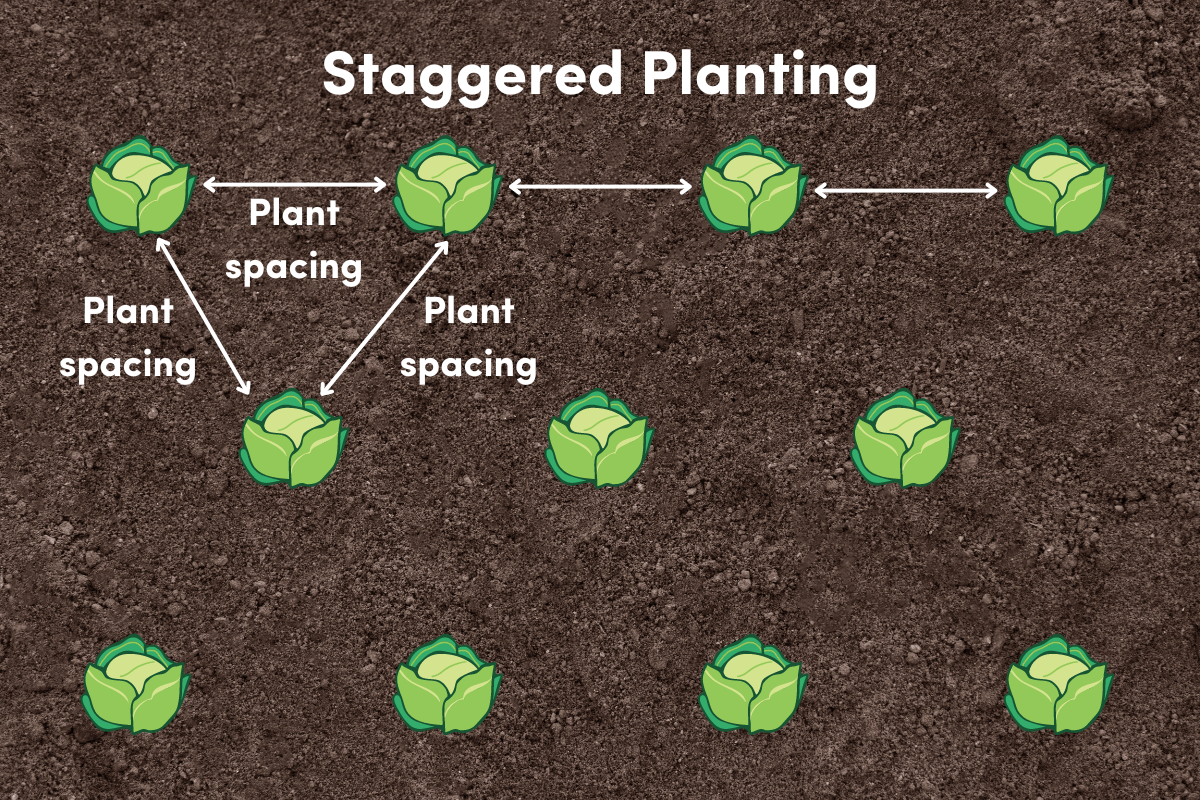
To stagger vegetable plantings is an effective gardening technique that allows you to maximize your harvest and enjoy fresh vegetables over a longer period. This method involves planting the same type of vegetables at different times, which enables you to have a continuous supply rather than a huge harvest all at once. Here’s how to do it effectively:
Understanding Staggered Planting
Staggered planting involves growing multiple crops of the same vegetable throughout the growing season. This can be particularly beneficial for crops with a short maturity time, such as lettuce, radishes, or beans. By sowing seeds or transplanting seedlings every few weeks, you can ensure that when one batch is ready for harvest, another is just starting to mature.
- The concept of staggered planting helps in managing space efficiently.
- It allows for a more continuous crop harvest, reducing waste and the risk of having too much produce ready at once.
- This technique can also help in pest management, as plants at different growth stages can confuse pests.
Choosing the Right Vegetables
Not every vegetable is suitable for staggered planting. Typically, you should focus on fast-growing varieties. Some popular choices include spinach, kale, and carrots. Understanding the growth cycle of your selected crops is crucial for effective staggering.
See also:
- Choose vegetables that have a short growth cycle, allowing for multiple plantings in a single season.
- Consider companion planting, where certain plants can benefit each other when grown close together.
- Research different varieties of the same vegetable; some may mature more quickly than others.
Scheduling Your Plantings
Creating a planting schedule is essential for successful staggered planting. Plan when to sow your seeds or transplant seedlings based on the average maturation time of your chosen vegetables. This typically depends on your local climate and growing conditions.
- For instance, if a vegetable takes 60 days to mature, sow seeds every 2-3 weeks to ensure a consistent supply.
- Use a calendar to mark sowing dates, which will help you keep track of when to plant the next batch.
- Consider seasonality; some vegetables thrive in specific seasons, so plan accordingly.
Preparing the Garden Bed
Proper preparation of your garden bed is vital for successful staggered plantings. Ensure your soil is nutrient-rich and well-drained. This will help support the continuous growth of plants by providing them with the necessary resources.
- Test your soil and amend it as needed to optimize for the crops you plan to grow.
- Consider using raised beds for better drainage and soil quality.
- Rotate crops to avoid nutrient depletion in the same areas over time.
Monitoring Growth and Harvesting
Monitoring the growth of your staggered plantings is crucial. Keep an eye on the plants to determine the right time for harvesting. This helps in ensuring you get the best flavor and texture from your vegetables.
- Regularly check the maturity of plants to know when to harvest.
- Use tools like measuring or garden journals to document growth and harvest times.
- Be mindful of pests and diseases, which can affect staggered crops differently at various growth stages.
What is the best path for a vegetable garden?
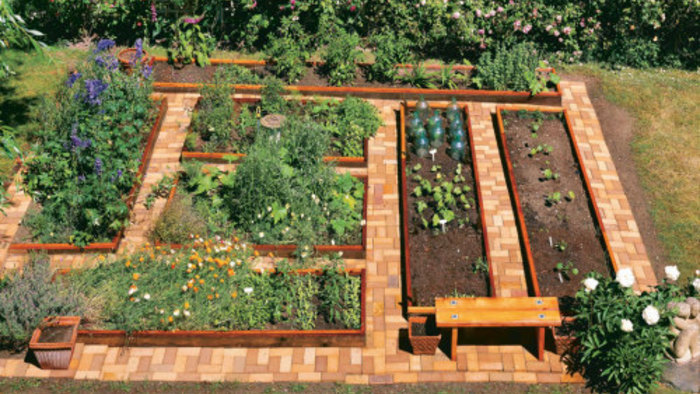
The best path for a vegetable garden is one that facilitates accessibility, drainage, and maintenance while ensuring the health of your plants. A thoughtfully designed garden path allows easy access to plants for watering, weeding, and harvesting, while also preventing soil compaction. Here are several factors to consider when choosing the best path for your vegetable garden.
Choosing the Right Materials
When selecting materials for your vegetable garden path, consider options that are durable and sustainable. Common materials include:
- Mulch: Organic and provides nutrients while suppressing weeds.
- Gravel: Excellent for drainage and prevents muddy conditions.
- Wood chips: Eco-friendly and blends well with garden aesthetics.
- Pavers: Offer a stable walking surface and can be arranged creatively.
- Bricks: Durable and can create a charming, rustic look.
Path Width and Layout
The width and layout of your garden path are crucial for accessibility and aesthetic appeal. A well-structured path should:
- Allow for easy movement: Paths should be at least 2-3 feet wide to accommodate wheelbarrows and tools.
- Guide the eye: Create a natural flow that complements the layout of your vegetable beds.
- Provide clear access: Ensure that paths lead directly to high-traffic areas such as planting beds and compost bins.
Drainage Considerations
Proper drainage is essential for a healthy vegetable garden. A well-designed path should:
- Prevent water pooling: Create paths that slope away from planting beds.
- Utilize permeable materials: Use gravel or mulch that allows water to pass through easily.
- Incorporate drainage channels: Add ditches or French drains around paths if necessary.
Maintenance Strategies
Paths require regular maintenance to ensure they remain effective and appealing. Consider the following strategies:
- Regular weeding: Keep paths clear of weeds that can spread into vegetable beds.
- Replenishing materials: Add fresh layers of mulch or gravel annually to maintain thickness.
- Repairing damage: Address any erosion or shifting of path materials promptly.
Integrating with Garden Design
A garden path should harmonize with the overall design of your vegetable garden. To achieve this:
- Follow a natural shape: Create curved paths that mimic the organic lines of nature.
- Match your garden style: Choose materials and colors that fit the overall aesthetic.
- Incorporate plants: Add edging plants or ground covers alongside paths for a lush look.
Questions from Our Readers
What is a good layout for a vegetable garden?
A good layout for a vegetable garden typically includes raised beds or rows that are oriented to maximize sunlight exposure. You'll want to plan for paths between beds for easy access, and consider grouping plants with similar watering and sunlight needs together. Additionally, incorporating companion planting can improve growth and pest control.
How much space should I leave between plants?
The spacing between plants largely depends on the type of vegetables you are growing, but a general rule of thumb is to leave 12 to 24 inches between larger plants and 6 to 12 inches between smaller ones. This spacing allows for adequate air circulation and prevents overcrowding, which can lead to disease.
See also:
What vegetables are best for the layout?
When planning your layout, consider incorporating fast-growing vegetables like radishes and lettuce alongside longer-maturing crops like tomatoes and peppers. It's also beneficial to include a mix of root vegetables and leafy greens, as they utilize different soil layers, maximizing your garden space.
How can I improve soil in my vegetable garden?
Improving soil in your vegetable garden can be achieved by adding organic matter such as compost or manure, which enhances soil structure and increases nutrient content. Additionally, practicing crop rotation and using cover crops during the off-season can further enrich the soil and promote a healthy gardening ecosystem.
If you want to read more articles like What is a Good Layout for a Vegetable Garden? Discover the Best Designs and Tips for Maximum Yield, we recommend you check out our Garden category.
Leave a Reply
Related Articles