Discover What is the Top 1 Most Beautiful Garden in the World?

Gardens have long been celebrated as serene havens that blend nature's beauty with human creativity. Among the countless gardens around the globe, one stands out as the epitome of beauty and tranquility. This article aims to unveil the enchanting features, stunning landscapes, and rich history of the world's most beautiful garden. From meticulously curated flora to breathtaking vistas, this garden offers an experience unlike any other. Join us as we explore what sets this remarkable place apart, showcasing its unique charm and inspiring environment that captivates visitors from near and far. Discover why it earns the title of the top garden in the world.
What is the Most Beautiful Garden in the World?
The top contender for the title of the most beautiful garden in the world is arguably the Keukenhof in the Netherlands. Often referred to as the Garden of Europe, Keukenhof spans over 79 acres and showcases an astounding collection of approximately 7 million bulbs planted annually. Open primarily during spring, the garden features numerous varieties of tulips, daffodils, and hyacinths, offering visitors a vibrant spectacle of colors and fragrances. Beyond its seasonal blooms, the garden also includes art sculptures, themed gardens, and various landscapes that highlight the Dutch horticultural tradition, making it a breathtaking destination for garden enthusiasts and tourists alike.
Location and Accessibility
Keukenhof is located in Lisse, a small town in the Netherlands, conveniently situated between Amsterdam and the Hague. The garden is accessible via public transportation, including direct buses from major cities, making it easy for visitors to reach this stunning location. Parking facilities are also available for those who prefer to drive, and during the opening season, the garden attracts millions of visitors, showcasing its status as a top tourist attraction.
Flora Diversity
The flora diversity within Keukenhof is remarkable, featuring not only the iconic tulips but also a wide array of bulbs, annuals, and perennials. The garden is home to around 800 varieties of tulips alone, along with daffodils, hyacinths, and numerous other flowers that bloom in succession throughout the garden. This extensive collection is carefully curated each year to ensure that visitors are treated to a continually changing landscape that highlights the beauty of seasonal blooms.
Design and Layout
The design of Keukenhof reflects a masterful blend of nature and artistry. The layout incorporates vast fields of color, winding paths, and tranquil water features that invite visitors to explore. Various garden themes are displayed, such as the Japanese garden, historical gardens, and the natural garden, each offering a unique perspective on floral arrangement and landscape design. This thoughtful planning enables guests to enjoy a stroll while appreciating the stunning arrangements and compositions throughout the garden.
Seasonal Events and Activities
Keukenhof hosts a variety of seasonal events throughout its opening period, typically from mid-March to mid-May. These events include flower shows, gardening workshops, and artistic exhibitions that further enhance the garden's vibrant atmosphere. For example, the annual flower parade, which features beautifully decorated floats covered with flowers, is a major highlight, drawing large crowds to witness the spectacle. These events not only promote horticultural knowledge but also celebrate the artistic expressions found within the world of gardening.
Visitor Experience
Visitors to Keukenhof can enjoy a multitude of experiences that go beyond mere sightseeing. The garden offers guided tours, bike rentals, and picnic spots available for guests to fully immerse themselves in the natural beauty surrounding them. Moreover, several cafes and restaurants within the garden serve delicious local cuisine, allowing guests to relax and reflect on their visit in a picturesque setting. With its breathtaking displays and engaging activities, Keukenhof ensures that every visitor leaves with cherished memories and a deeper appreciation for the beauty of nature.
| Feature | Details |
|---|---|
| Size | 79 acres |
| Flower Varieties | Approximately 800 tulip varieties, plus other flowers |
| Opening Season | Mid-March to mid-May |
| Annual Visitors | Over 1.5 million |
| Location | Lisse, Netherlands |
What is the prettiest garden in the world?
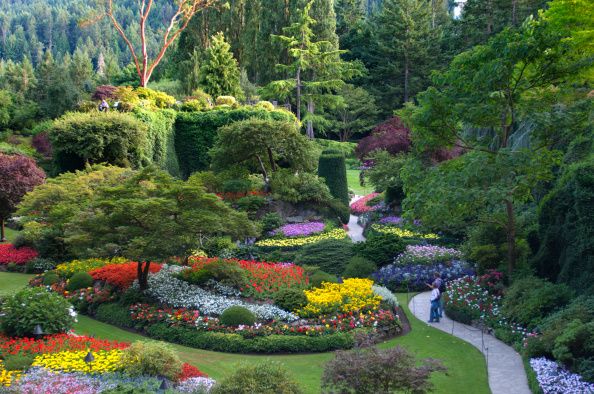
The title of the prettiest garden in the world is subjective and can vary depending on personal preferences and cultural significance. However, one garden frequently mentioned in this context is the Keukenhof Gardens in the Netherlands. Known as the Garden of Europe, this breathtaking location showcases an extensive variety of flowers and is open to visitors primarily during the spring season.
History of Keukenhof Gardens
The Keukenhof Gardens, established in 1949, was created to showcase the flower-growing industry of the Netherlands. Historically, the site was a hunting ground during the 15th century, and the current layout was designed by landscape architects.
- Creation: Initially planned for the exhibition of tulips and other spring flowers, it has evolved into an international floral showcase.
- Calling Card: Keukenhof is home to over seven million bulbs planted annually.
- Influence: The garden has set a standard for horticulture and landscape design globally.
Floral Displays and Diversity
Keukenhof is renowned for its stunning floral displays. Every year, visitors can experience an awe-inspiring variety of tulips, daffodils, and hyacinths, among other flowers.
- Variety of Species: Each season introduces a different theme, showcasing a unique combination of flowers.
- Color Coordination: The meticulous planning ensures that the gardens bloom in a cohesive spectrum of colors.
- Creative Designs: The garden features intricate designs that utilize flowers to create beautiful patterns and shapes.
Visitor Experience
For visitors, Keukenhof provides a truly immersive experience where they can stroll through meticulously curated pathways, interact with artworks, and enjoy various events.
See also:
- Guided Tours: Available for guests wanting a deeper understanding of the floral arrangements and gardening techniques.
- Local Cuisine: Several eateries offer traditional Dutch dishes, enhancing the whole experience.
- Workshops: Guests can participate in floral arranging workshops led by skilled professionals.
Environmental Sustainability
Keukenhof not only highlights beauty but also emphasizes sustainability in horticulture. The garden employs several eco-friendly practices to maintain its beauty for future generations.
- Water Management: Efficient irrigation systems are in place to minimize waste.
- Native Plants: Use of local flora helps sustain the local ecosystem.
- Renewable Resources: Kuekenhof invests in solar energy and other renewable resources to reduce its carbon footprint.
International Influence
The global influence of Keukenhof is palpable, as it attracts millions of tourists and serves as a beacon of floral artistry.
- Tourism Impact: Keukenhof significantly contributes to the local economy by attracting around 1.5 million visitors annually.
- Industry Innovation: The gardens inspire florists and garden designers worldwide to adopt best practices.
- Cultural Exchange: Events and festivals at Keukenhof allow for cultural collaborations and exchanges related to gardening.
Which is the most beautiful garden?

The Most Beautiful Garden in the World
The title of the most beautiful garden is subjective and varies based on individual preferences. However, one garden that consistently receives acclaim for its breathtaking beauty is the Kew Gardens in London, England. Covering 326 acres, this UNESCO World Heritage Site features over 50,000 living plants, magnificent glasshouses, and stunning landscapes, making it a paradise for nature lovers and horticulturists alike.
Features of Kew Gardens
Kew Gardens is renowned for its diverse range of features that showcase plant biodiversity. Visitors can explore the various themed gardens, such as the Rose Garden and the Mediterranean Garden, which highlights plants from warmer climates.
- Glasshouses: The Temperate House, Royal Greenhouse, and Palm House offer a glimpse into exotic plant life.
- Landscape Design: Beautifully manicured lawns, ponds, and serene walking paths provide a stunning visual experience.
- Art and Architecture: Historical structures and sculptures are scattered throughout the gardens, enhancing the aesthetic appeal.
Other Notable Beautiful Gardens
Besides Kew Gardens, there are several other stunning gardens worldwide that captivate visitors with their charm and beauty. Some notable examples include the Versailles Gardens in France and the Butchart Gardens in Canada.
- Versailles Gardens: Known for its grandeur and symmetry, featuring ornate fountains and meticulously trimmed hedges.
- Butchart Gardens: Famous for its vibrant seasonal flowers, ornamental ponds, and sunken gardens.
- Keukenhof: Located in the Netherlands, this garden is celebrated for its spectacular tulip displays each spring.
Importance of Botanical Gardens
Botanical gardens such as Kew play a critical role in the conservation of plant species and education. They serve as living museums that facilitate research and promote environmental awareness.
- Conservation: Botanical gardens help preserve endangered species and maintain genetic diversity.
- Education: They offer educational programs that inform the public about plant life and sustainability.
- Research: Scientists conduct research to discover new plant varieties and improve horticultural practices.
The Experience of Visiting a Garden
Visiting a beautiful garden is not only visually pleasing but also entails a holistic experience involving all senses. The tranquility and sensory delight make it worthwhile.
- Sight: Vibrant colors and varied plant shapes captivate the eyes.
- Smell: The fragrant blooms create a delightful aromatic ambiance.
- Sound: The rustling leaves and chirping birds enhance the serene atmosphere.
Seasonal Changes in Gardens
Gardens are ever-changing, with each season bringing a unique charm and different flora to admire. This seasonal variability adds to the beauty and allure of gardens.
- Spring: Bursting with colors from blooming flowers like tulips and daffodils.
- Summer: Lush greenery and vibrant floral displays thrive under the sun.
- Autumn: Foliage changes to stunning shades of orange, red, and yellow, creating a picturesque landscape.
- Winter: Evergreens and winter blooms maintain a unique allure, often enhanced by frost and snow.
Whose place had the most beautiful garden in the world?
History of Notable Gardens
Throughout history, various gardens have been regarded as the most beautiful in the world. From the Hanging Gardens of Babylon to the Gardens of Versailles, many places have claimed this title. Each garden reflects the culture and artistic expression of its time. A few notable mentions include:
- The Hanging Gardens of Babylon: One of the Seven Wonders of the Ancient World, legendary for its terraced landscaping.
- Versailles Gardens: A masterpiece of landscape architecture, known for its grandeur and symmetrical layout.
- Keukenhof Gardens: Famous for its vibrant tulip displays, located in the Netherlands and attracting millions of visitors each spring.
Influential Figures Behind Beautiful Gardens
Many gardens known for their beauty are associated with influential figures who designed them. Notable garden designers and landscape architects have left their mark on history, creating breathtaking landscapes. Some key contributors to beautiful gardens are:
See also:
- Capability Brown: An English landscape designer known for his naturalistic approach and creating lush, sweeping landscapes.
- Friedensreich Hundertwasser: An Austrian architect and artist whose gardens featured vibrant colors and organic shapes.
Features of the Most Beautiful Gardens
The most beautiful gardens in the world often share certain features that contribute to their stunning appeal. These elements create a unique experience for visitors and enhance their overall aesthetic. Common features include:
- Floral Diversity: A rich variety of plants and flowers enhances visual interest and seasonal beauty.
- Water Features: Ponds, fountains, and streams add tranquility and a sense of harmony to the landscape.
- Innovative Design: Creative layouts and pathways invite exploration, often incorporating architectural elements.
Contemporary Gardens and Their Recognition
In modern times, several gardens have received accolades for their beauty and design excellence. Many contemporary gardens have also gained international recognition, showing innovation in landscaping. Some renowned modern gardens are:
- The High Line: A transformed elevated railway in New York City that blends nature and urban life.
- Gardens by the Bay: An iconic garden in Singapore, famous for its futuristic Supertree structures and biodomes.
- Millennium Park: Located in Chicago, this park features innovative landscape design and public art, including the famous Cloud Gate sculpture.
The Impact of Beautiful Gardens on Culture and Tourism
Beautiful gardens have a profound impact on culture and tourism, drawing visitors from around the globe. They serve as symbols of cultural identity and attract tourism through their beauty and historical significance. Key impacts include:
- Cultural Heritage: Gardens reflect the historical and cultural narratives of the region, offering insight into local traditions.
- Tourism Boost: Iconic gardens drive tourism, contributing to local economies and international recognition.
- Educational Opportunities: Many gardens serve as educational spaces, promoting environmental stewardship and conservation awareness.
Which country has the best garden in the world?
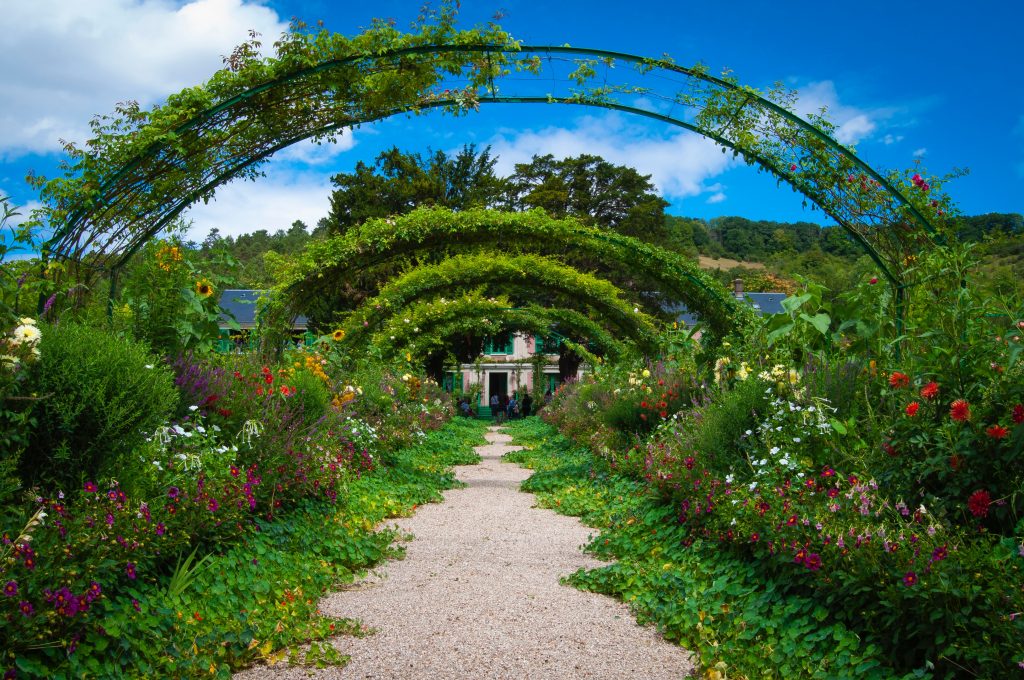
Determining which country has the best garden in the world is subjective and can vary based on personal taste, cultural significance, and climatic conditions. However, several countries are renowned for their exceptional gardens, and among these, Japan often stands out for its unique blend of natural beauty, tradition, and artistry.
Japan's Traditional Gardens
Japanese gardens are celebrated for their minimalism and harmony with nature. They employ meticulous planning and symbolism to create serene spaces that reflect the essence of the natural world. Key components that define these gardens include:
- Carefully Selected Plants: Often featuring cherry blossoms, maples, and pine trees, which add seasonal interest.
- Water Features: Ponds, streams, and waterfalls are designed to symbolize purity and tranquility.
- Rock Arrangements: Rocks are positioned in a way that mimics natural formations, enhancing the aesthetic experience.
The Royal Botanic Gardens, Kew, United Kingdom
The Royal Botanic Gardens at Kew in London is one of the largest and most diverse botanical gardens globally. This garden is notable for several reasons:
- Scientific Research: Kew Gardens is a leading center for botanical research and conservation.
- Diversity of Species: Home to over 50,000 living plants, representing a large variety of ecosystems.
- Historical Significance: With a UNESCO World Heritage designation, it has a rich history dating back to the 18th century.
Keukenhof, Netherlands
Known as the Garden of Europe, Keukenhof in the Netherlands is one of the world's largest flower gardens, primarily known for its stunning tulip displays. The highlights include:
- Vast Flower Fields: Covering 79 acres, showcasing millions of blooming tulips each spring.
- Artistic Layout: Designed with various themes each year to enhance the experience of visitors.
- Cultural Events: Hosts numerous flower-related events that celebrate horticulture and Dutch culture.
Gardens of Versailles, France
The Gardens of Versailles represent one of the finest examples of formal garden design in the world, associated with the grandeur of the French monarchy. Their characteristics include:
- Symmetrical Layout: The gardens are meticulously planned, reflecting the order and power of the monarchy.
- Statues and Fountains: Adorned with over 600 fountains and numerous statues that depict mythological characters.
- Historical Importance: Originally designed in the 17th century, they continue to reflect the artistic ideals of their time.
Singapore's Gardens by the Bay
A modern marvel, Gardens by the Bay in Singapore showcases innovative garden design merging technology with nature. Key features of this attraction include:
- Supertree Grove: Iconic vertical gardens that are among the most recognizable structures in Singapore.
- Climate Control: Features like the Cloud Forest and Flower Dome utilize technology to create diverse climatic conditions.
- Environmental Awareness: Emphasizes sustainability and conservation in its design and maintenance practices.
Questions from Our Readers
What is the most beautiful garden in the world?
The title of the most beautiful garden in the world is often awarded to the Keukenhof Gardens in the Netherlands. Known for its stunning collection of tulips, daffodils, and other spring-flowering bulbs, Keukenhof spans approximately 79 acres and attracts millions of visitors each year.
Where is the Keukenhof Gardens located?
The Keukenhof Gardens are located in Lisse, a small town in the Netherlands. It is situated approximately 40 minutes from Amsterdam, making it easily accessible for tourists wishing to experience its breathtaking floral displays.
See also:
When is the best time to visit the most beautiful garden?
The best time to visit the Keukenhof Gardens is during the spring months, typically from mid-March to mid-May. This period showcases the gardens in full bloom, with millions of flowers bursting into color, creating a truly spectacular sight for all visitors.
What makes the Keukenhof Gardens unique?
The uniqueness of the Keukenhof Gardens lies in its impressive variety of flowers and specific themes each year. In addition to the beautiful tulip displays, the garden features artistic flower arrangements, pavilions, and events that celebrate different aspects of gardening and horticulture, making it a delightful experience for plant lovers.

If you want to read more articles like Discover What is the Top 1 Most Beautiful Garden in the World?, we recommend you check out our Garden category.
Leave a Reply
Related Articles