Are Plastic Greenhouses Any Good? A Comprehensive Guide to Their Benefits and Drawbacks

In recent years, plastic greenhouses have gained popularity among gardeners and farmers alike, as they offer a practical and cost-effective alternative to traditional glass structures. With the ability to create a controlled environment for plants, they promise to extend growing seasons and enhance crop yields. However, the advantages of plastic greenhouses come with their own set of challenges and potential drawbacks. This comprehensive guide will explore the benefits and disadvantages of using plastic greenhouses, helping you determine if they are the right choice for your gardening or farming needs.
Are Plastic Greenhouses Worth the Investment?
Plastic greenhouses, often constructed with materials like polycarbonate or polyethylene, offer a cost-effective and versatile solution for gardeners and cultivators alike. They are lightweight and easier to install than traditional glass greenhouses, providing an efficient way to extend the growing season by trapping heat and light. The durability of modern plastics can withstand various weather conditions, while their transparent nature allows for optimal sunlight exposure. Moreover, they tend to be less expensive than glass alternatives, making them accessible for hobbyists and commercial growers. However, it's essential to consider factors such as UV degradation, ventilation, and thermal regulation to ensure a successful growing environment.
Advantages of Plastic Greenhouses
The primary advantages of plastic greenhouses include their affordability, lightweight structure, and ease of assembly. Unlike traditional glass greenhouses, which can be heavy and cumbersome, plastic options are much simpler to set up and relocate as needed. They are also available in various sizes, catering to different gardening needs, and can be equipped with additional features like ventilation systems and shade cloths for better temperature regulation. Furthermore, many plastics used today provide excellent insulation, promoting plant growth by retaining warmth during cooler seasons.
Disadvantages of Plastic Greenhouses
While plastic greenhouses offer many benefits, they also have some disadvantages worth considering. One notable drawback is their susceptibility to UV degradation, which can shorten the lifespan of the materials if not properly treated. Additionally, plastic greenhouses may not insulate as effectively as glass options, potentially leading to temperature fluctuations inside. They may require more maintenance to ensure that the plastic remains intact and transparent, as scratches and discoloration can affect their performance. These factors can influence a gardener's choice when selecting the right greenhouse.
Maintenance Requirements for Plastic Greenhouses
Maintaining a plastic greenhouse involves regular inspections and cleaning to ensure optimal performance. It is crucial to check for signs of wear or damage to the structure, including small rips or biofilm build-up on the plastic. Regularly cleaning the surface helps maintain light penetration and ensures that plants receive adequate sunlight. Additionally, monitoring the internal temperature and humidity levels is essential as well, as improper conditions can lead to disease or pest infestations. Implementing appropriate ventilation and irrigation systems can help simplify these maintenance tasks and enhance crop yield.
Cost Comparison: Plastic vs. Glass Greenhouses
When comparing the costs of plastic and glass greenhouses, it becomes evident that plastic options generally present a more budget-friendly alternative. Prices for plastic greenhouses can vary significantly based on size and materials but often range from a few hundred dollars to under a thousand. In contrast, glass greenhouses can be significantly more expensive, often starting in the low thousands, depending on design and structure. Furthermore, installation and maintenance costs might be lower for plastic greenhouses, as they are typically less labor-intensive and involve fewer hardware requirements.
Best Practices for Using Plastic Greenhouses
Maximizing the efficiency of a plastic greenhouse involves several best practices. Firstly, selecting UV-stabilized plastic can enhance durability and performance over time. Creating proper ventilation systems helps maintain appropriate temperature ranges, preventing overheating during sunny days. Additionally, implementing effective irrigation methods, such as drip systems, can optimize water usage and promote healthy plant growth. Lastly, regular monitoring of plant health, along with pest management strategies, can ensure a productive growing environment throughout the seasons.
| Feature | Plastic Greenhouses | Glass Greenhouses |
|---|---|---|
| Cost | Lower initial investment | Higher initial cost |
| Weight | Lightweight and portable | Heavy and fixed |
| Durability | UV sensitive but repairable | Long-lasting but fragile |
| Heat Retention | Good, but varies with thickness | Excellent insulation |
| Maintenance | Frequent cleaning needed | Less frequent but more intensive care |
Are plastic greenhouses worth it?
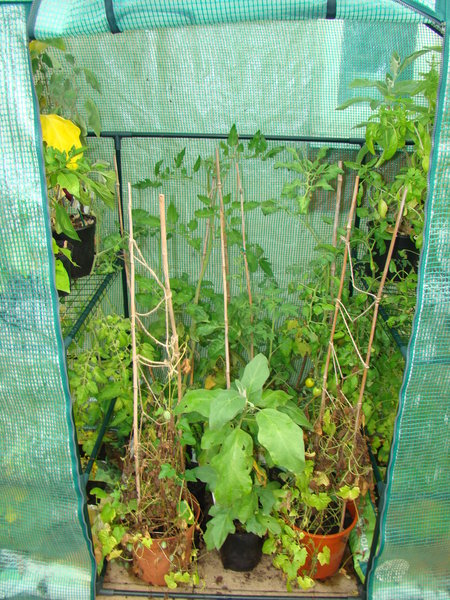
Cost Effectiveness of Plastic Greenhouses
Plastic greenhouses can be a cost-effective alternative to traditional glass greenhouses. They are generally less expensive to purchase and maintain, primarily due to their lightweight materials and simpler structure. Here are some points to consider regarding their cost effectiveness:
- Initial Investment: Plastic greenhouses typically require a lower initial investment compared to glass options.
- Maintenance Costs: They often incur lower maintenance costs due to their durability and resistance to breakage.
- Insulation Properties: Many plastic types offer good insulation, which can help reduce heating costs.
Durability and Longevity
The durability of plastic greenhouses depends on the type of plastic used. Some materials, like polycarbonate, can withstand harsh weather conditions, while others may degrade faster when exposed to UV radiation. Consider these factors:
See also:
- Material Quality: High-quality plastics can last for many years, sometimes exceeding ten years or more.
- Environmental Impact: Lower-quality plastics may need to be replaced more frequently, impacting longevity.
- Weather Resistance: Good-quality plastic is resistant to impacts, which protects against hail or debris.
Insulation and Climate Control
One of the advantages of plastic greenhouses is their insulation properties, which can help create a stable environment for plants. This is crucial for effective growth and crop yield:
- Heat Retention: Plastics like polycarbonate are excellent at retaining heat, helping to maintain warmer temperatures.
- Humidity Control: Many designs allow for humidity regulation, preventing quick moisture loss.
- Season Extension: They can enable growers to extend their growing season by maintaining a favorable climate.
Light Transmission
Light transmission is critical for photosynthesis in plants, and the type of plastic used in greenhouses can affect this factor significantly:
- Clarity: Clear plastics allow maximum light penetration, which is essential for plant growth.
- Light Diffusion: Some plastics diffuse light, helping to distribute it evenly across plant surfaces.
- UV Protection: Certain plastics also provide UV filtering, protecting plants from harmful rays while allowing beneficial light in.
Portability and Ease of Setup
Plastic greenhouses are often portable and easier to set up compared to their glass counterparts. This can be beneficial for those looking to adjust their gardening setup:
- Lightweight Design: The lightweight nature of plastic makes them easy to move and relocate as needed.
- Simple Assembly: Many plastic greenhouses come with easy-to-follow instructions, allowing for quick assembly.
- Adaptability: They can be set up in various locations, making them flexible for different gardening needs.
What are the disadvantages of plastic film greenhouses?

Plastic film greenhouses have become a popular choice for many growers due to their lower cost and ease of assembly. However, they come with several disadvantages that can impact their effectiveness and longevity. Understanding these challenges is crucial for making informed decisions about greenhouse construction and management.
Durability Issues
One of the main disadvantages of plastic film greenhouses is their durability. Unlike traditional glass or polycarbonate structures, plastic films are prone to damage and degradation over time. This can be attributed to various factors, including:
- UV Degradation: Exposure to ultraviolet (UV) radiation can break down the plastic material, leading to brittleness and tears.
- Puncture Vulnerability: Plastic films are sensitive to punctures from sharp objects, which can compromise the integrity of the greenhouse.
- Weather Resistance: Extreme weather conditions, such as hail or heavy winds, can easily damage plastic films.
Insulation Properties
Plastic films generally provide poor insulation compared to other materials. This can lead to significant temperature fluctuations inside the greenhouse, affecting plant growth. Key aspects include:
- Heat Retention: Plastic films may not retain heat effectively during cold nights, making it challenging to maintain optimal growing conditions.
- Condensation Issues: Poor insulation can lead to condensation on the interior surface, promoting mold and mildew growth.
- Cooling Requirements: During hot weather, the lack of insulation can lead to overheating, requiring additional cooling measures.
Limited Lifespan
The lifespan of plastic film greenhouses is often shorter than that of more durable structures. This limited lifespan presents several drawbacks, such as:
- Frequent Replacement: Growers may need to replace the plastic film every few years, resulting in increased costs and labor.
- Waste Generation: Disposing of used plastic can contribute to environmental waste, raising sustainability concerns.
- Structural Instability: As the plastic degrades, it may lead to structural instability, risking crop damage or loss.
Pest and Disease Proliferation
The use of plastic films can increase the risk of pests and diseases in greenhouses. Factors contributing to this problem include:
- Limited Airflow: Wrapping plants in plastic can restrict airflow, creating a humid environment conducive to disease proliferation.
- Weed Growth: Without proper barriers, weeds can flourish within the greenhouse, competing for resources.
- Insect Entry Points: If not sealed properly, plastic film can provide entry points for pests, which can then infiltrate the growing area.
Environmental Concerns
Plastic film greenhouses pose various environmental concerns that growers should consider. These include:
See also:
- Plastic Waste: The disposal of plastic films contributes to global plastic pollution, impacting ecosystems.
- Resource Intensiveness: The production of plastic films is resource-heavy, requiring significant energy and materials.
- Potential Toxicity: Some plastics may leach harmful chemicals into the soil or groundwater, raising health concerns.
How long do plastic greenhouses last?
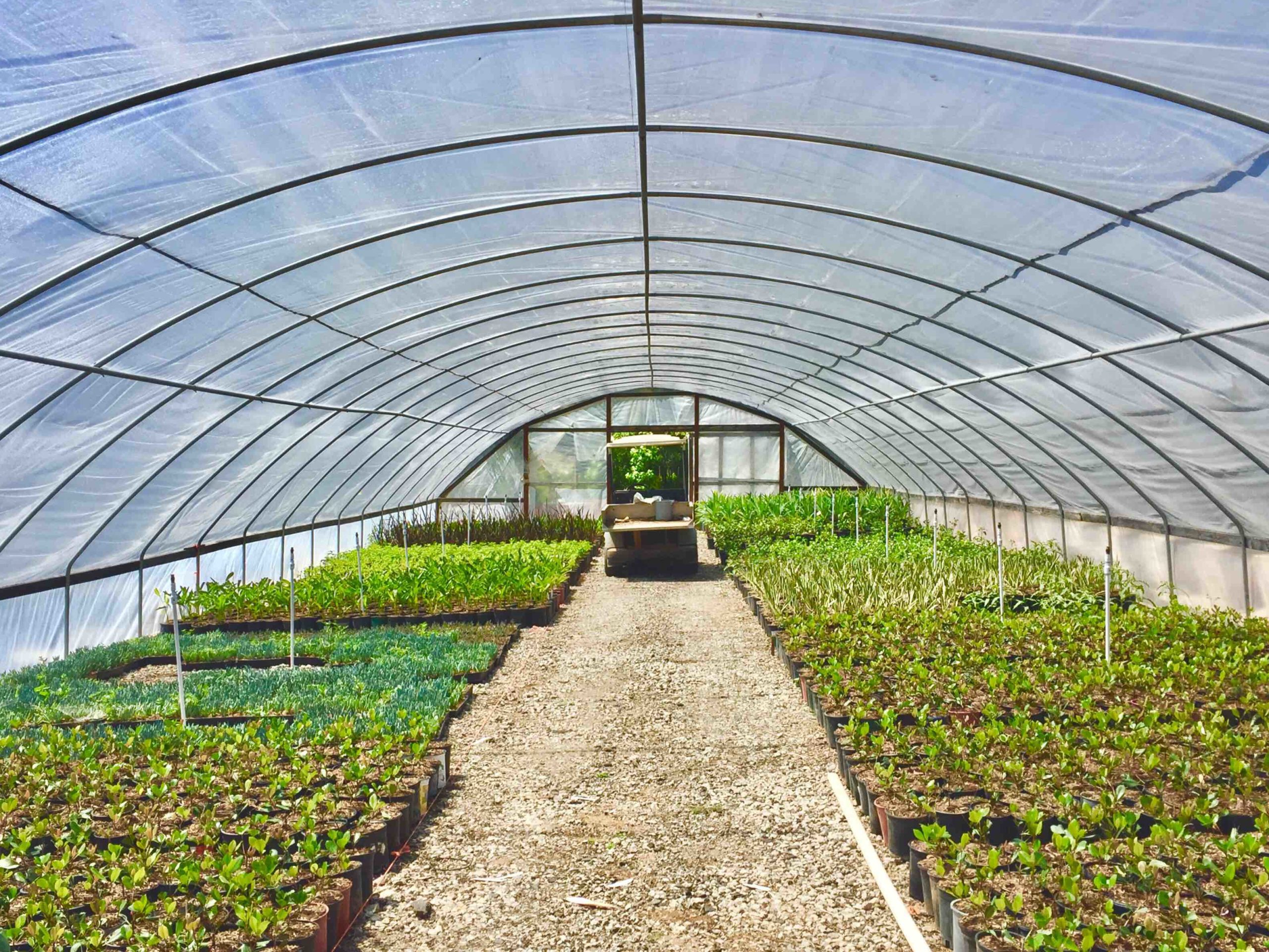
Plastic greenhouses can have a varying lifespan depending on several factors including the quality of the materials used, environmental conditions, and maintenance practices. On average, plastic greenhouses can last anywhere from 5 to 15 years. However, some high-quality structures can exceed this range if they are properly maintained and cared for.
Factors Affecting Lifespan
The lifespan of plastic greenhouses is influenced by numerous factors that can either extend or reduce their durability.
- Material Quality: The type of plastic used significantly impacts longevity. Polyethylene is common, but UV-resistant options last longer.
- Climate Conditions: Areas with extreme temperatures, high winds, or heavy snowfall typically experience shorter lifespan due to stress on the structure.
- Exposure to Sunlight: Prolonged exposure to UV rays can degrade plastic, leading to brittleness and cracks over time.
Types of Plastic Used
Different types of plastics are employed in constructing greenhouses, each offering distinct characteristics and lifespans.
- Polyethylene: This is the most common material, typically lasting around 4 to 8 years before needing replacement.
- Polycarbonate: A more durable option, polycarbonate panels can last 10 to 20 years with proper care and shielding from ultraviolet degradation.
- Acrylic: Known for its clarity and insulation properties, acrylic can last 10 years or more, but it can be more expensive than other options.
Importance of Maintenance
Regular maintenance plays a crucial role in extending the lifespan of plastic greenhouses.
- Cleaning: Regularly cleaning the plastic helps maintain optimal light transmission, preventing algae and grime buildup that can degrade materials.
- Repairs: Timely repairs of any tears or damage can prevent further issues, safeguarding the integrity of the whole structure.
- Inspection: Conducting regular inspections, especially after severe weather, can help identify vulnerable areas that need attention.
Benefits of Plastic Greenhouses
Despite their shorter lifespan compared to glass structures, plastic greenhouses offer several advantages that make them popular among growers.
- Cost-Effective: Generally more affordable than glass greenhouses, allowing for larger structures within a modest budget.
- Lightweight: Easier to construct and relocate due to their lighter weight, facilitating flexibility in greenhouse placement.
- Better Insulation: Certain plastics provide better insulation properties compared to glass, making them more efficient in various climates.
Replacement Considerations
When it comes time to replace a plastic greenhouse, several important factors should be taken into account.
- Assessment of Condition: Evaluating the extent of damage and deterioration can help determine whether repair or replacement is the best option.
- Upgrading Materials: Consider investing in newer, more durable materials that may have enhanced longevity and efficiency.
- Design Improvements: Switching to a more efficient design can maximize space and functionality during the replacement process.
Questions from Our Readers
Are plastic greenhouses durable?
Plastic greenhouses can be quite durable, but their lifespan often depends on the quality of the materials used and the environmental conditions they are exposed to. High-quality plastic can resist UV rays and weather elements, allowing the greenhouse to last several years, while cheaper options may degrade quicker.
Do plastic greenhouses provide adequate insulation?
Insulation in plastic greenhouses can vary. Many plastic materials used for greenhouses, such as polycarbonate, offer decent insulation properties, helping to retain heat. However, they may not be as effective as traditional glass greenhouses in extremely cold climates.
Are plastic greenhouses cost-effective?
Cost-effectiveness is one of the main advantages of plastic greenhouses. They are generally less expensive to purchase and maintain compared to glass greenhouses, while still providing an efficient growing environment for plants, making them a popular choice for many gardeners.
See also:
Can plastic greenhouses withstand extreme weather conditions?
While some plastic greenhouses are designed to endure mild weather, extreme conditions like heavy snow or high winds can pose a risk. It’s important to choose a greenhouse with solid construction and reinforced materials to enhance its ability to withstand such conditions.

If you want to read more articles like Are Plastic Greenhouses Any Good? A Comprehensive Guide to Their Benefits and Drawbacks, we recommend you check out our Garden category.
Leave a Reply
Related Articles