What Fruit is the Easiest to Grow for Beginners? A Complete Guide to Simple Fruit Gardening
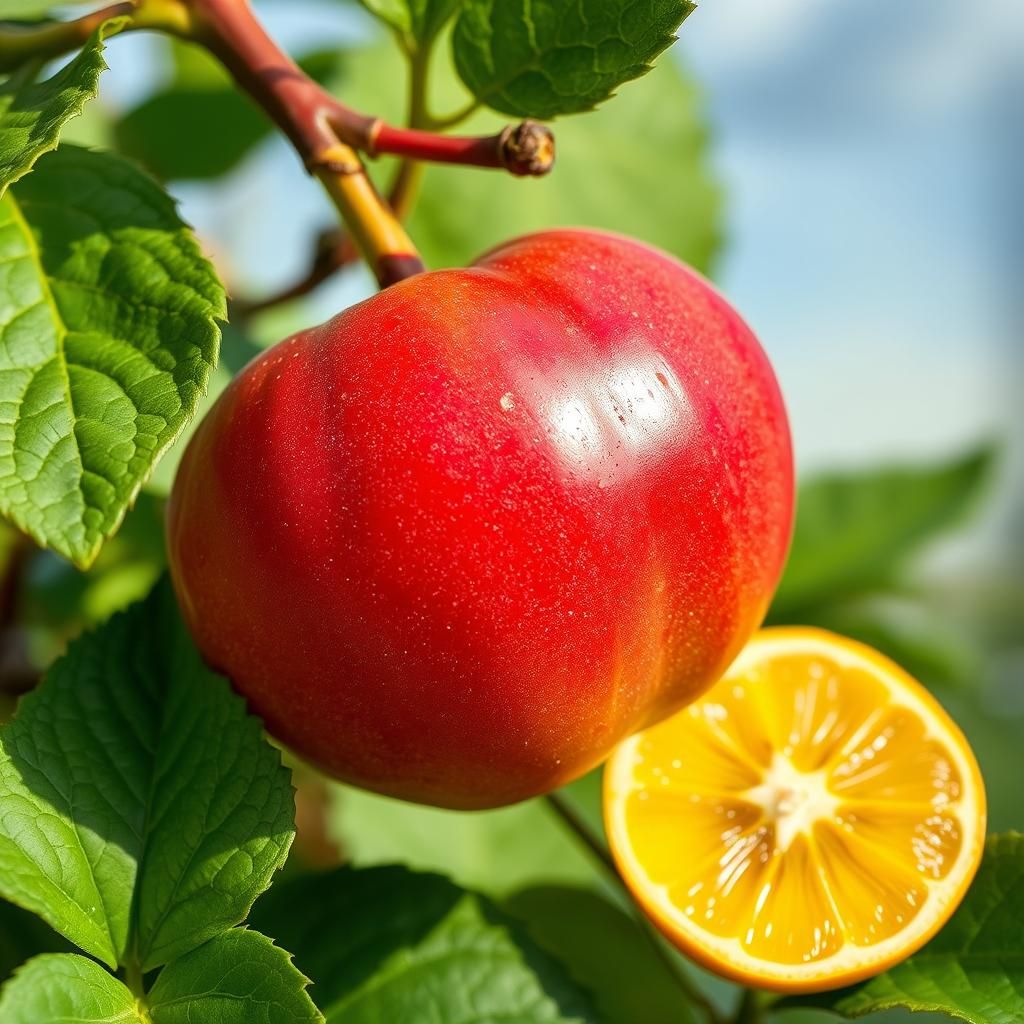
Starting a fruit garden can be a rewarding and enjoyable experience, especially for beginners looking to connect with nature and grow their own food. However, choosing the right fruit to cultivate can be overwhelming with so many options available. This complete guide aims to simplify the journey by highlighting the easiest fruits to grow for novice gardeners. From berries to apples, we’ll explore key factors such as climate, space, and maintenance requirements, empowering you with the knowledge to kickstart your fruitful adventure. Whether you have a sprawling backyard or a small balcony, there's a perfect fruit waiting for you to nurture it.
What Fruit is the Easiest to Grow for Beginners?
For beginners looking to cultivate their own fruit, strawberries are often considered the easiest choice. These delicious berries thrive in various climates and can be grown in gardens, containers, or raised beds. They require minimal maintenance, primarily needing well-drained soil, plenty of sunlight, and regular watering. With a bit of patience, strawberries can produce fruit within a single growing season, and their high yield and relatively low susceptibility to pests make them an appealing option for novice gardeners.
Benefits of Growing Strawberries
One of the primary benefits of growing strawberries is their versatility; they can be consumed fresh, frozen, or used in a variety of recipes. Additionally, they are packed with vitamins and antioxidants, making them a nutritious addition to any diet. Because of their compact size, strawberries can fit into small spaces, allowing even those with limited gardening areas to enjoy homegrown fruit.
Choosing the Right Variety
When selecting a strawberry variety, it's essential to consider factors such as flavor, size, and growing conditions. Some recommended types for beginners include June-bearing, everbearing, and day-neutral strawberries. Each variety has its unique characteristics and fruiting schedules, enabling beginners to choose the one that best fits their garden plans and climate.
Soil Requirements
Strawberries thrive in well-drained, loamy soil enriched with organic matter. Before planting, you should test your soil's pH, ensuring it falls between 5.5 and 7.0, as strawberries prefer slightly acidic environments. Adding compost or peat moss can improve soil fertility and drainage. Proper soil preparation will ultimately lead to healthier plants and better fruit yields.
See also:
Watering and Maintenance
Proper watering is crucial for successful strawberry plants. They require about 1 to 1.5 inches of water per week, especially during flowering and fruiting. To avoid fungal diseases, it's best to water at the base of the plants rather than from overhead. Mulching can help retain moisture and suppress weeds while allowing for healthy fruit production.
Pest Control and Disease Management
While strawberries are relatively resistant to pests, common threats include aphids, spider mites, and slugs. Implementing natural pest control methods, such as introducing beneficial insects or using organic insecticidal soap, can help minimize issues. Additionally, practicing crop rotation and ensuring proper plant spacing can reduce the risk of disease and promote healthier growth.
| Aspect | Details |
|---|---|
| Growing Space | Can be grown in gardens, containers, or raised beds. |
| Sunlight | Requires full sun for optimal growth. |
| Water Requirements | 1 to 1.5 inches of water per week. |
| Pest Management | Use natural methods for pest control. |
| Soil Type | Well-drained, loamy soil with organic matter. |
Top Fruits for Beginner Gardeners
For those just starting in fruit gardening, selecting the right fruits to grow can make all the difference in ensuring a successful experience. Some of the easiest options include strawberries, which thrive in many conditions and offer quick results, as well as raspberries and blackberries that can yield a significant harvest with minimal effort. Other perennial favorites like blueberries require some attention to soil acidity but can provide delicious fruit year after year. Lastly, consider tomatoes, which, though technically a fruit, are often grown alongside traditional fruiting plants and can be incredibly rewarding for inexperienced gardeners due to their adaptability and rapid growth cycle.
Strawberries: A Beginner's Delight
Strawberries are an excellent choice for novice gardeners due to their relatively low maintenance and quick results. They can be grown in various settings, from containers to garden beds, and often yield fruit within their first year. Their convenience, tasty flavor, and ability to propagate easily make them a fun project for anyone starting in fruit gardening.
Raspberries: Low Maintenance and High Yield
Raspberries are another fantastic option for beginners, as they typically require little care and provide abundant fruit. These perennial plants can adapt well to many climates and soil types, producing fruit in the summer for years to come. Their unique flavor paired with their resilience makes them a favorite for backyard fruit gardens.
See also:
Blackberries: Easiest to Care For
When it comes to low maintenance, blackberries stand out as one of the easiest fruits to grow. Known for their toughness and ability to thrive in diverse environments, blackberries can often be left to their own devices once established. Their vigorous growth often leads to bountiful harvests, making them perfect for anyone starting out in fruit gardening.
Blueberries: A Tangy Challenge
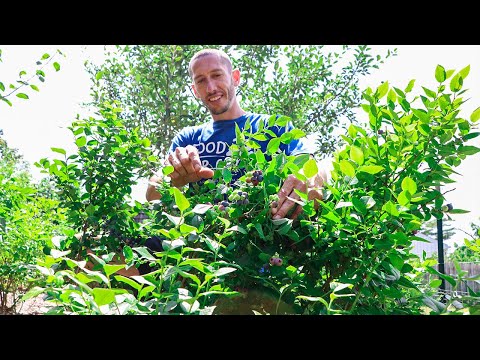
While blueberries require attention to soil conditions, including pH levels, they are still a great choice for beginner gardeners willing to put in a bit of extra effort. Their deliciously tangy fruit is worth the investment of time and care, as they can provide yields over several years. With proper care, blueberry bushes can become a staple in your garden.
Tomatoes: The Versatile Fruit
Though technically classified as a fruit, many gardeners consider tomatoes a staple in their plots. Their adaptability to various growing conditions, coupled with the joy of harvesting fresh fruits for culinary use, makes tomatoes a must-have for beginner gardeners. With various types to choose from, adding tomatoes to your garden can enhance your gardening experience and provide fresh produce right from your backyard.
Questions from Our Readers
What fruit is the easiest to grow for beginners?
The easiest fruit to grow for beginners is often considered to be strawberries. They can be cultivated in various environments, including gardens, pots, and hanging baskets, making them versatile and accessible. Plus, they require minimal care and provide quick rewards, usually bearing fruit within the first year.
Do I need a lot of space to grow fruit as a beginner?
No, you don't need a lot of space to grow fruit as a beginner. Many fruits, like berries and figs, can be grown in smaller areas such as patios or balconies. Additionally, container gardening allows you to grow fruit even in limited space.
See also:
What type of care do beginner fruit plants require?
Beginner fruit plants typically require regular watering, adequate sunlight, and occasional fertilization. It’s important to ensure they are planted in well-draining soil and that you monitor them for pests or diseases to keep them healthy.
Can I grow fruit indoors as a beginner?
Yes, you can grow fruit indoors as a beginner with varieties like dwarf citrus trees and strawberries. These plants thrive in pots and require sufficient sunlight, so placing them by a window or using grow lights can help them flourish indoors.
If you want to read more articles like What Fruit is the Easiest to Grow for Beginners? A Complete Guide to Simple Fruit Gardening, we recommend you check out our Garden category.
Leave a Reply
Related Articles