Discover Where is the Best Place in Your Yard for a Greenhouse: Essential Tips and Considerations

When planning to add a greenhouse to your backyard, selecting the optimal location is crucial for its success. The right spot can enhance plant growth, maximize sunlight exposure, and improve accessibility. Factors like sunlight patterns, wind protection, and proximity to water sources all play significant roles in determining the ideal site for your greenhouse. In this article, we will explore essential tips and considerations to help you discover the best place in your yard for a greenhouse, ensuring it becomes a thriving haven for your plants. With the right guidance, you can create a flourishing environment for your gardening endeavors.
Choosing the Ideal Location for Your Greenhouse
Selecting the best location for your greenhouse is crucial to ensuring optimal plant growth and maximizing your gardening efforts. Look for a spot in your yard that receives ample sunlight, preferably at least six hours of direct sunlight daily, as this will provide the necessary warmth and light for your plants. Additionally, consider the wind patterns in your area; placing your greenhouse away from strong winds can help maintain a stable temperature inside. It's also important to ensure the ground is level and free from excessive drainage issues, as pooling water can adversely affect the health of your greenhouse and its occupants. Accessibility is crucial as well, so choose a location that allows easy access for watering, maintenance, and harvesting.
Sunlight Exposure
To ensure your greenhouse thrives, adequate sunlight exposure is essential. Ideally, the location should receive at least six hours of direct sunlight each day. When evaluating possible sites in your yard, observe how sunlight moves throughout the day and avoid placing your greenhouse in areas that could be shaded by trees, fences, or other structures during peak hours. The more sunlight your greenhouse receives, the more heat is generated, providing a stable environment for vegetables, flowers, and other plants to flourish.
Wind Protection
Another critical factor in determining the best location for your greenhouse is protection from strong winds. Wind can significantly impact temperature, humidity, and even the structural integrity of your greenhouse. Positioning your greenhouse near natural barriers, such as hedges, trees, or fences, can help shield it from gusts. However, it is important to avoid placing it in an area that becomes overly shaded due to these barriers.
Accessibility
Accessibility is vital for effective management and maintenance of your greenhouse. Choose a location that allows easy access to water sources, tools, and transportation for any plants or materials you need to move in and out. It should not be too far from your home, as this can discourage regular care and monitoring. By ensuring that your greenhouse is conveniently located, you can maintain a more successful gardening routine.
Drainage and Soil Quality
A proper foundation is necessary for any greenhouse, which means understanding the drainage and soil quality of the potential site is essential. Poor drainage can lead to water pooling and damaging roots while also creating a habitat for pests and diseases. To test for drainage, dig a small hole and fill it with water; if it drains within a few hours, you likely have adequate drainage. If not, consider improving the area with raised beds or proper drainage systems.
Temperature Regulation
Temperature regulation is key to a successful greenhouse environment. The right location will help you maintain optimal growing conditions by minimizing the impact of external temperature fluctuations. Consider placing your greenhouse in a location that benefits from natural heat sources, such as south-facing areas that receive sun exposure and are shielded from cold winds. You can further enhance temperature regulation by using thermal mass materials, such as water barrels, to store heat from the sun.
| Factor | Importance | Recommendations |
|---|---|---|
| Sunlight Exposure | Essential for plant growth | Choose a sunny, unobstructed area |
| Wind Protection | Maintains temperature and structure | Use natural barriers for protection |
| Accessibility | Facilitates maintenance and care | Keep close to home and water source |
| Drainage | Affects plant health and pest control | Test soil drainage, consider raised beds |
| Temperature Regulation | Crucial for optimal growth conditions | Utilize thermal mass and south-facing sites |
Where not to put a greenhouse?
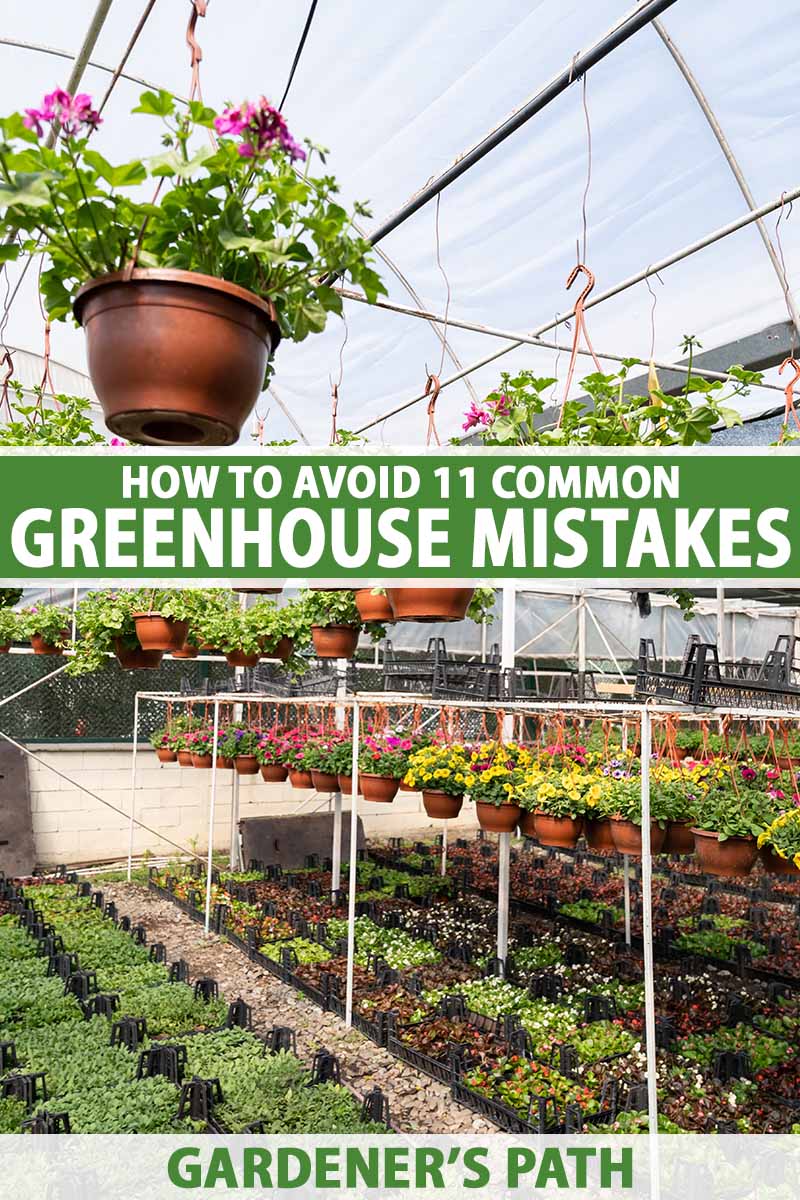
When considering the placement of a greenhouse, it is crucial to avoid certain locations that can hinder its functionality and productivity. Here are some key areas where you should think twice before establishing your greenhouse.
1. Near Large Trees
Placing a greenhouse near large trees can lead to several issues, including shade and falling debris. Trees can block sunlight, which is essential for plant growth, causing your greenhouse to be less productive.
See also:
- Shade: Trees can cast shadows that obstruct sunlight, crucial for photosynthesis.
- Falling Debris: Leaves, branches, and other debris can accumulate on the greenhouse, requiring constant cleaning.
- Pests: Trees may attract pests that can harm the plants inside the greenhouse.
2. On Low-Lying Areas
Constructing a greenhouse on low-lying areas can result in problems related to drainage and moisture accumulation. Such areas typically collect water, which can lead to flooding and root rot in plants.
- Poor Drainage: Low areas may experience water retention, preventing proper drainage.
- Root Rot: Excessive moisture can cause root diseases, harming plant health.
- Soil Quality: Wet conditions can degrade soil quality over time, affecting plant growth.
3. In Windy Locations
Building a greenhouse in windy locations poses risks such as physical damage and temperature fluctuations. High winds can jeopardize the structure's integrity and negatively impact the growing conditions inside.
- Structural Damage: Severe winds can damage the greenhouse panels and framework.
- Temperature Control: Wind can cause temperature fluctuations, stressing plants and affecting growth.
- Pollination Issues: Excessive wind can interfere with pollination, impacting crop yields.
4. Close to Pollution Sources
Avoid setting up a greenhouse near pollution sources, such as roads or industrial areas, as air pollution can have adverse effects on plant health. Pollutants can hinder growth and produce unhealthy plants.
- Air Quality: Pollutants can affect photosynthesis and overall plant health.
- Soil Contamination: Pollutants can leach into the soil, harming root systems.
- Water Quality: Nearby sources of pollution can contaminate irrigation water.
5. On Steep Slopes
Establishing a greenhouse on steep slopes can create challenges related to erosion and water runoff. The uneven terrain may lead to unstable conditions that can threaten the structure.
- Erosion: Water runoff can erode soil, undermining the foundation of the greenhouse.
- Accessibility: Steep terrain can make accessing the greenhouse for maintenance and harvest difficult.
- Water Drainage: Slopes can cause uneven drainage, leading to water pooling or inadequate moisture distribution.
What is the best side of the house for a greenhouse?
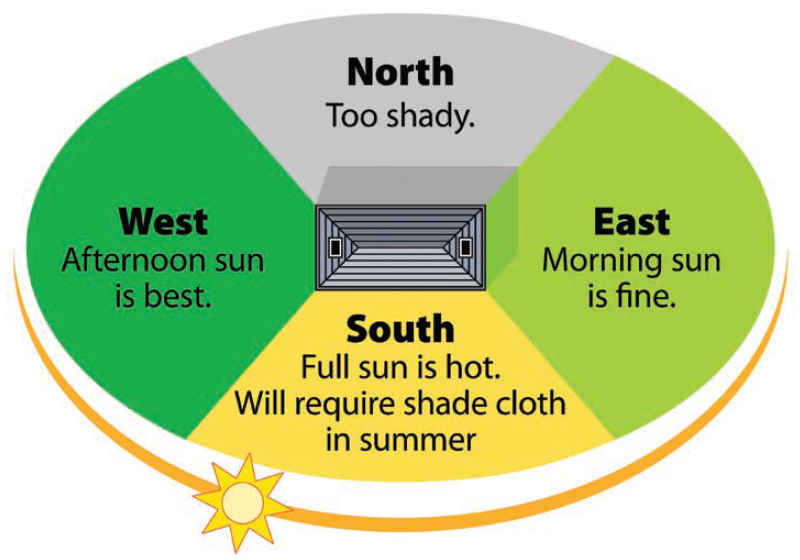
When considering the best side of the house for placing a greenhouse, several factors come into play, particularly sunlight exposure and wind protection. The optimal location typically depends on the local climate, the specific orientation of your house, and the desired temperature and humidity levels for the plants you wish to grow.
Sunlight Exposure
The side of the house that receives the most direct sunlight throughout the day is generally the best location for a greenhouse.
- South-facing walls tend to capture the most sunlight, which is essential for plant growth.
- The greenhouse should ideally get at least 6 hours of direct sunlight daily, especially during the winter months.
- Consider the angle of the sun and how it changes seasonally, as this can affect the amount of light the greenhouse receives.
Wind Protection
Choosing a location that offers some protection from strong winds is crucial, as high winds can impact the temperature and humidity inside the greenhouse.
- Position the greenhouse on the leeward side of your house or another structure to minimize wind exposure.
- Landscaping features, like trees or bushes, can also serve as natural windbreaks.
- Evaluate local wind patterns to determine how they might affect the greenhouse’s environment.
Accessibility
The site chosen for the greenhouse should be easily accessible for regular maintenance and harvesting tasks.
- Ensure that pathways leading to the greenhouse are clear and safe to navigate.
- Proximity to water sources is vital for irrigation and general maintenance of plants.
- Consider the ease of transporting supplies, such as soil and fertilizer, to and from the greenhouse.
Drainage and Soil Quality
Good drainage is essential for avoiding excess water accumulation, which can damage plant roots.
See also:
- Assess the soil quality in the chosen location—well-drained soil is ideal.
- In sandy soils, drainage typically isn’t an issue, but clay soils might necessitate additional measures.
- If the area is prone to flooding, consider elevating the greenhouse or implementing drainage solutions.
Local Regulations and Zoning
It's important to check for any local building codes or zoning regulations that could affect the construction of your greenhouse.
- Consult with your local government or planning office regarding specific zoning laws.
- Check for any required permits for constructing a greenhouse, especially if it's larger in size.
- In some areas, there might be regulations about the distance of structures from property lines.
Should a greenhouse have a floor or no floor?

Benefits of Having a Floor in a Greenhouse
A greenhouse with a floor offers several advantages that enhance plant growth and maintenance. Some of the primary benefits include:
- Weed Control: A solid floor can significantly reduce weed growth, making it easier to manage the greenhouse environment.
- Soil Stability: Having a controlled surface prevents soil erosion and migration, allowing plants to establish their roots in a consistent environment.
- Reduced Pests: A floor can help keep certain pests out, especially if it is made of concrete or pavers, providing a barrier against soil-borne insects.
Drawbacks of a Greenhouse Floor
Despite the benefits, there are also some drawbacks associated with having a floor in a greenhouse, which should be considered:
- Drainage Issues: Without proper drainage systems, water can accumulate, leading to root rot or plant diseases.
- Soil Temperature: A solid floor can insulate the soil, potentially leading to warmer temperatures that may not be suitable for all plants.
- Cost and Labor: Installing a floor can require a significant investment of time and resources compared to a natural soil base.
Types of Flooring Options for Greenhouses
There are numerous flooring options available for greenhouses, each with its own characteristics. Some of the popular choices include:
- Concrete: Durable and easy to clean, but can be expensive and may retain heat.
- Wooden Decking: Aesthetic and breathable, but may rot over time if not properly treated.
- Gravel: Good for drainage and weed control but can be uneven and difficult to walk on.
Alternatives to Flooring in a Greenhouse
For those who decide against having a conventional floor, various alternatives can support plant health and productivity:
- Natural Soil: Allows for natural root penetration and soil health, but may require more management for weeds and pests.
- Ground Cover Materials: Using materials like straw or mulch can suppress weeds while allowing organic matter to enrich the soil.
- Raised Beds: These can improve drainage and reduce pests while still leveraging the benefits of natural soil without a full floor.
Maintenance Considerations for Greenhouse Floors
If a greenhouse has a floor, specific maintenance considerations are necessary to ensure longevity and effectiveness:
- Regular Cleaning: Keeping the floor free from plant debris can prevent disease and pests from thriving.
- Monitoring Drainage: Ensuring that drainage systems are functioning well to avoid water accumulation is essential for plant health.
- Seasonal Inspections: Regular checks for wear and tear, especially in materials like wood, can help maintain the integrity of the greenhouse floor.
Questions from Our Readers
What factors should I consider when choosing a location for my greenhouse?
To choose the best location for your greenhouse, consider factors such as sunlight, wind exposure, and drainage. A site that receives at least 6 hours of direct sunlight daily is ideal, as it helps maintain a favorable temperature and promotes healthy plant growth. Additionally, avoid areas with excessive wind or shade from nearby structures that could limit sunlight exposure.
Is it better to place a greenhouse on concrete or soil?
Both concrete and soil have their advantages, but placing a greenhouse on soil can provide better drainage and soil contact for plants. However, a concrete base can offer stability and is less prone to pests. Your choice should depend on your specific climate conditions and the types of plants you intend to grow.
How far should a greenhouse be from trees or buildings?
It's advisable to position your greenhouse at least 10 to 15 feet away from trees or buildings to prevent shade and allow for adequate airflow. This distance helps ensure that your greenhouse receives enough sunlight throughout the day and reduces the risk of damage from falling branches or debris.
See also:
Should I consider the orientation of my greenhouse?
Absolutely, the orientation of your greenhouse is crucial. Ideally, it should be oriented north to south to maximize sunlight exposure on both sides. This setup allows for better light distribution and helps prevent overheating, particularly in warmer climates, ensuring your plants thrive in a well-balanced environment.

If you want to read more articles like Discover Where is the Best Place in Your Yard for a Greenhouse: Essential Tips and Considerations, we recommend you check out our Garden category.
Leave a Reply
Related Articles