Do You Need Drainage in a Greenhouse? Essential Tips for Successful Gardening

When setting up a greenhouse, one of the critical considerations is drainage. Proper drainage is essential for maintaining the right moisture levels in your plants' environment, preventing waterlogged soil, and ensuring healthy root growth. Without adequate drainage, you risk creating conditions that can lead to root rot, fungal diseases, and other issues that can hinder your gardening success. This article will explore the importance of drainage in a greenhouse, offering essential tips to help you design an effective drainage system that supports healthy plant development. Whether you're a novice gardener or a seasoned expert, understanding drainage can enhance your gardening experience.
Do You Need Drainage in a Greenhouse?
Proper drainage in a greenhouse is essential for maintaining a healthy growing environment for plants. Without effective drainage, excess water can accumulate in the soil, leading to root rot and other water-related problems. The importance of having a well-designed drainage system is underscored by the fact that high humidity and stagnant water can create an environment conducive to pests and fungal diseases. Therefore, it is crucial to implement solutions that ensure excess water is efficiently removed, allowing for optimal plant health and growth.
Why Is Drainage Important?
Effective drainage is vital because it prevents waterlogging, which can suffocate plant roots and lead to disease. In a greenhouse, where conditions can be controlled, the introduction of water through irrigation must be balanced with the ability to remove excess moisture. Without proper drainage, plants could suffer from nutrient deficiencies and reduced growth rates, making a drainage system a key aspect of greenhouse design.
Types of Drainage Systems
There are several types of drainage systems that can be implemented in a greenhouse, including surface and subsurface drainage. Surface drainage involves creating slopes within the greenhouse environment to direct water away from plant beds and towards drainage points. On the other hand, subsurface drainage involves the installation of pipes or tiles below the growing medium to collect and channel excess water out of the greenhouse, providing a more effective solution for managing moisture levels.
Signs You Need Drainage
If you notice persistent standing water in your greenhouse after rainfall or irrigation, or if plants appear wilted despite adequate watering, these are signs that better drainage is needed. Additionally, issues such as fungal growth, yellowing leaves, and stunted plant growth can indicate that excess moisture is not being adequately managed, pointing towards a need for a proper drainage system to safeguard plant health.
Installing a Drainage System
When installing a drainage system in a greenhouse, it's important to assess the layout and design of the space. Start by ensuring that the floor is properly sloped towards the designated drainage areas. Choose suitable materials, such as perforated pipes or gravel, that can effectively facilitate the movement of water away from plant beds. Regular maintenance of the drainage system is also necessary to prevent clogs and ensure optimal performance over time.
Maintenance of Drainage Systems
To maintain an effective drainage system, regular checks are essential. This includes inspecting for blockages, ensuring that outlets are clear, and, if applicable, cleaning out any accumulated debris in drainage pipes. Additionally, monitoring the moisture levels in the soil can help determine if the drainage system is functioning properly. By performing routine maintenance, a greenhouse can ensure that its drainage remains effective, supporting a healthy growing environment.
| Drainage Type | Description |
|---|---|
| Surface Drainage | Utilizes slopes to direct water away from plant beds. |
| Subsurface Drainage | Involves pipes or tiles installed below the growing medium to channel water. |
| Gravity Drainage | Relies on gravity to move excess water to a designated outlet. |
| Pump Drainage | Uses pumps to remove water from the greenhouse efficiently. |
| French Drains | Consists of trenches filled with gravel to redirect water flow. |
Should I put a bucket of water in my greenhouse?
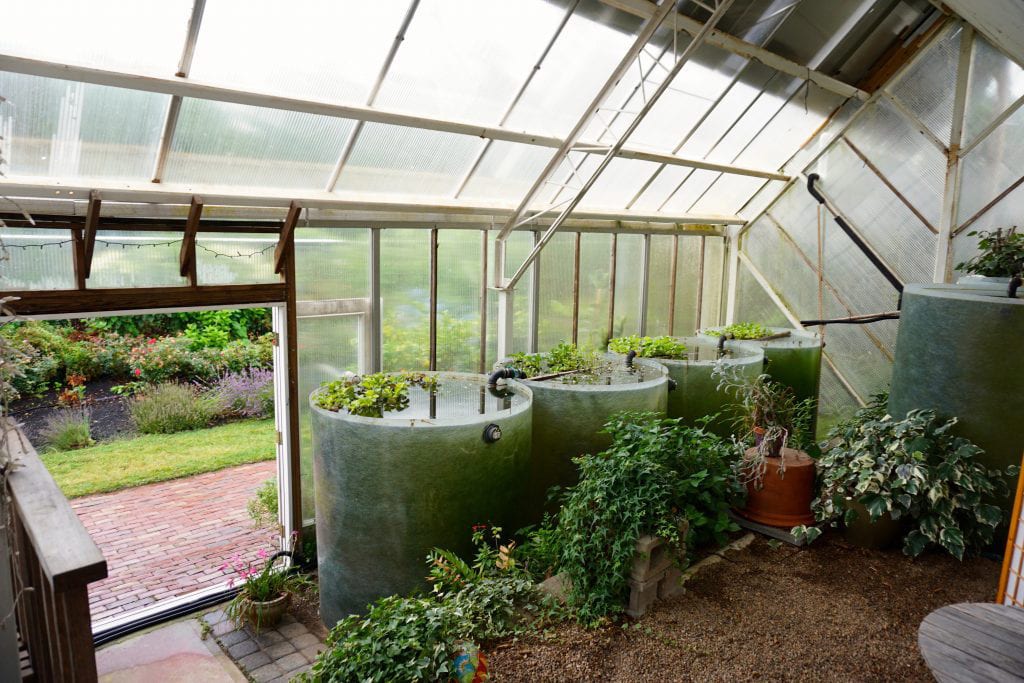
Using a bucket of water in your greenhouse can be an effective strategy for managing humidity and temperature. When placed in a greenhouse, a bucket of water can help maintain a more stable environment, benefiting the plants. This method can also be helpful in preventing extreme temperature fluctuations that can stress plants. Here’s a detailed breakdown of the benefits and considerations:
Benefits of a Water Bucket in a Greenhouse
The primary benefits of having a water bucket in your greenhouse include:
- Humidity Regulation: A bucket of water can release moisture into the air, helping to maintain higher humidity levels, which many plants thrive in.
- Temperature Stability: Water absorbs heat during the day and releases it during the cooler night, keeping temperatures more stable for your plants.
- Stress Reduction: By preventing rapid shifts in temperature and humidity, plants experience less stress, leading to healthier growth.
Considerations for Using Water Buckets
While there are notable benefits, there are also considerations to keep in mind:
- Space: Ensure that you have enough space in your greenhouse for a bucket without overcrowding your plants.
- Water Stagnation: Stagnant water can attract pests and lead to algae growth, so you may need to refresh the water regularly.
- Evaporation Rate: In hot climates, water can evaporate quickly, which might require more frequent refilling.
Effect on Plant Growth
The presence of a water bucket can significantly affect plant growth in several ways:
- Growth Rate: Plants can grow faster in a stable, humid environment provided by a bucket of water.
- Root Development: Adequate humidity encourages robust root systems, allowing plants to absorb nutrients more effectively.
- Overall Health: Plants under optimal conditions are generally healthier and more resilient against disease.
Best Practices for Water Buckets
To maximize the benefits of having a water bucket in your greenhouse, consider these best practices:
See also:
- Bucket Material: Use a bucket made of durable, non-toxic material to ensure safety for your plants.
- Placement: Position the bucket where it can receive sunlight but is not directly over plants that might be waterlogged.
- Regular Maintenance: Change the water frequently to prevent stagnation and maintain cleanliness.
Alternative Humidity Solutions
If using a water bucket isn’t ideal for your situation, consider these alternatives:
- Misting Systems: Automated misters can provide a controlled amount of humidity throughout the day.
- Humidity Trays: Shallow trays filled with water and pebbles can provide localized humidity around specific plants.
- Ventilation: Proper ventilation can help maintain humidity levels while preventing excess heat buildup.
Can you put a greenhouse directly on soil?
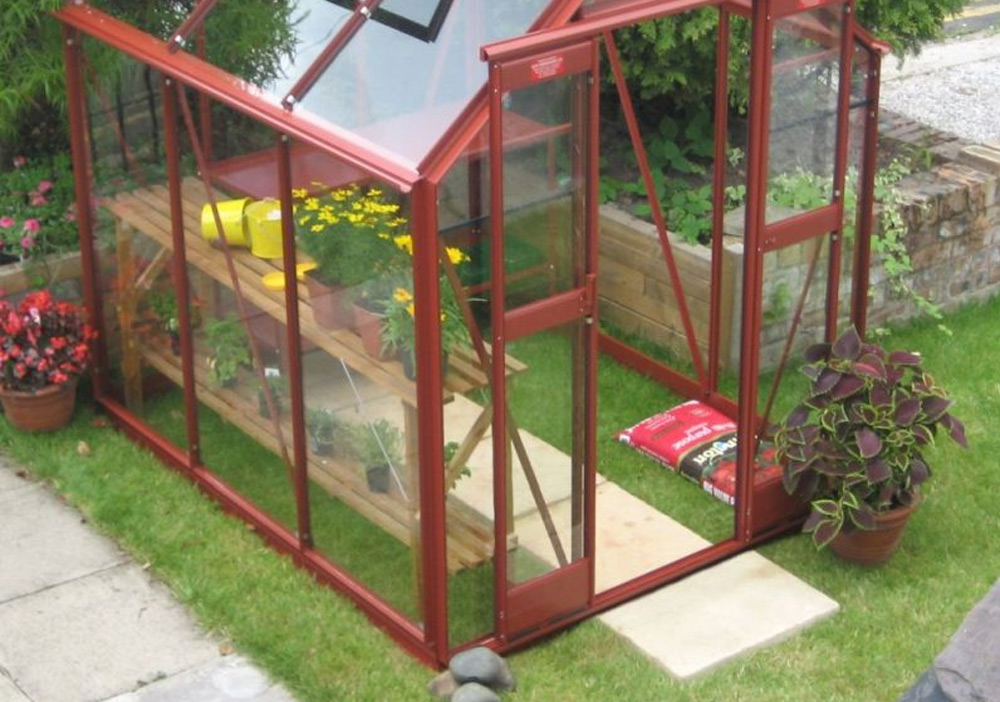
Yes, you can put a greenhouse directly on soil. This is a common practice among gardeners and commercial growers, as it offers several benefits for plant growth. However, there are important considerations to keep in mind to ensure the effectiveness and longevity of the greenhouse.
Site Preparation
Before placing a greenhouse on soil, it's essential to prepare the site properly. This involves clearing the area of debris, rocks, and vegetation. Proper site preparation ensures that the greenhouse has a stable foundation and allows for better access to sunlight and air circulation.
- Clear the area of any obstructions.
- Level the ground to prevent water pooling.
- Consider soil health; amend it if necessary.
Drainage Considerations
Soil drainage is a critical factor to consider when placing a greenhouse directly on the ground. Poor drainage can lead to waterlogged conditions, which can harm plants and damage the structure of the greenhouse.
- Evaluate the natural drainage of the site.
- Implement drainage solutions like ditches or raised beds.
- Monitor seasonal weather conditions to adapt as needed.
Foundation Options
While you can place a greenhouse directly on soil, using a foundation can enhance stability and durability. Various foundation options can help distribute the weight of the structure and reduce wear over time.
- Use concrete blocks for a solid base.
- Consider a gravel foundation for excellent drainage.
- Utilize treated wood to avoid soil rot.
Ventilation and Temperature Control
Proper ventilation is necessary when placing a greenhouse on soil to regulate moisture levels and temperature. Without adequate ventilation, plants may suffer from heat stress or excess humidity, leading to disease.
- Install vents at the top and sides of the structure.
- Utilize fans or natural wind currents for airflow.
- Monitor temperature fluctuations throughout the day.
Weed and Pest Management
When placing a greenhouse directly on soil, weeds and pests can become an issue. Implementing strategies for weed and pest management is crucial for maintaining healthy plants.
- Use landscape fabric to suppress weeds.
- Implement companion planting to deter pests.
- Regularly inspect for signs of infestation or disease.
What do you put in the bottom of a greenhouse?

When considering what to put in the bottom of a greenhouse, one must take into account several factors including drainage, insulation, and the types of plants being grown. Here are some common options that can serve multiple purposes:
1. Gravel
Gravel is a popular choice for the bottom of a greenhouse due to its excellent drainage properties. It prevents water accumulation, thereby reducing the risk of root rot and various fungal diseases. Additionally, gravel can provide a solid, stable base for planting trays and pots.
- Improved Drainage: It allows excess water to drain away from plant roots.
- Stable Base: Provides a firm surface for placing pots and other planting containers.
- Weed Control: Helps in reducing the growth of weeds in the greenhouse.
2. Soil Mix
In some cases, particularly in a greenhouse setting designed for soil-grown plants, adding a soil mix to the floor can be beneficial. This soil mix can include compost, peat, and other organic materials to create a nutritious base for your plants.
- Nutrient-Rich: Provides essential nutrients needed for plant growth.
- Improved Soil Structure: Enhances aeration and root penetration.
- Biological Activity: Supports beneficial microorganisms that promote healthy plant development.
3. Landscape Fabric
Landscape fabric can be placed directly on the ground to help control weeds and maintain a cleaner greenhouse environment. It acts as a barrier between the soil and the cover materials, allowing water to pass through while preventing weeds from taking root.
See also:
- Weed Prevention: Acts as a barrier to unwanted plant growth.
- Soil Separation: Keeps soil and mulch layers distinct, improving maintenance.
- Moisture Retention: Helps retain moisture in the greenhouse atmosphere while allowing for drainage.
4. Pavers or Concrete Blocks
Using pavers or concrete blocks for the bottom of a greenhouse can provide a very solid and even surface. This method is often used for larger greenhouses or where heavy equipment may be needed.
- Durability: Provides a long-lasting and weather-resistant base.
- Easy Cleaning: Facilitates easy cleaning and maintenance of the greenhouse floor.
- Design Flexibility: Allows for various layout designs, including pathways and planting areas.
5. Mulch
Applying mulch can be beneficial in its ability to regulate soil temperature and retain moisture. Organic mulches, such as wood chips or straw, help improve the soil condition over time as they decompose.
- Temperature Regulation: Helps keep the soil temperature consistent for optimal plant growth.
- Moisture Retention: Reduces evaporation, helping maintain soil moisture levels.
- Organic Matter: Improves the soil structure when decomposed, supporting healthier plants.
Do greenhouses leak water?

Yes, greenhouses can experience water leakage due to various factors. Understanding the cause of water leaks is essential for ensuring the longevity and efficiency of the greenhouse environment. Factors such as construction quality, material wear, or ground issues can contribute to these leaks.
Common Causes of Water Leakage
Water leakage in greenhouses can arise from several common sources, including:
- Poor Construction: If the greenhouse is not constructed properly, it may have gaps or cracks that lead to leaks.
- Worn Out Materials: Over time, materials used in the greenhouse, such as seals and coverings, can deteriorate, causing leaks.
- Ground Water Issues: High water tables or drainage problems around the greenhouse can cause water to seep in.
Impact of Water Leakage on Plants
Water leakage can significantly affect the greenhouse environment and the plants within it:
- Excess Moisture: Excess water can lead to fungal diseases and root rot in plants.
- Temperature Fluctuations: Leaks can disrupt the controlled climate, leading to temperature inconsistencies which can be detrimental to plant growth.
- Nutrient Runoff: Leaking water can carry away essential nutrients, impacting plant health and yield.
Preventive Measures Against Leakage
Taking proactive steps can help prevent leakage in greenhouses:
- Regular Inspections: Routinely check the structure for cracks or wear in materials to catch issues early.
- Quality Materials: Use high-quality, durable materials that are less prone to wear and tear.
- Proper Drainage: Ensure that there is adequate drainage around the greenhouse to prevent water accumulation.
Repairing Water Leaks
If water leaks are detected, timely repairs are crucial to maintain the greenhouse's integrity:
- Identifying the Source: Conduct a thorough inspection to locate the exact point of leakage.
- Sealing Cracks: Use appropriate sealants to fill in gaps and cracks found in the structure.
- Replacing Damaged Materials: Consider replacing any worn or damaged components, such as plastic covers or seals.
Long-Term Maintenance for Leak Prevention
Implementing a long-term maintenance plan can greatly reduce the chances of leaks:
- Routine Cleaning: Keep the greenhouse clean and free from debris that could cause water buildup.
- Seasonal Check-ups: Schedule seasonal inspections to ensure all components are functioning well.
- Landscaping Management: Maintain proper landscaping around the greenhouse to facilitate runoff and prevent water pooling.
Questions from Our Readers
Do greenhouses require drainage?
Yes, drainage is essential in a greenhouse to prevent water accumulation, which can lead to root rot and other plant diseases. Proper drainage helps maintain the right moisture levels in the soil and promotes healthy plant growth.
What happens if a greenhouse lacks drainage?
Without adequate drainage, excess water can build up in the soil, creating a harmful environment for plants. This can result in poor root development, nutrient deficiencies, and increased susceptibility to diseases.
How can drainage be improved in a greenhouse?
Improving drainage can be achieved by incorporating materials like gravel or sand into the soil mix, ensuring the greenhouse structure has proper slopes for water runoff, and establishing a drainage system or using pots with holes.
Is it possible to manage drainage in a small greenhouse?
Yes, even in a small greenhouse, you can effectively manage drainage by using containers with good drainage holes, adding drainage materials to the soil, and regularly monitoring moisture levels to avoid waterlogging.
See also:

If you want to read more articles like Do You Need Drainage in a Greenhouse? Essential Tips for Successful Gardening, we recommend you check out our Garden category.
Leave a Reply
Related Articles