What is the Best Natural Rodent Repellent? Discover Effective Solutions Here!
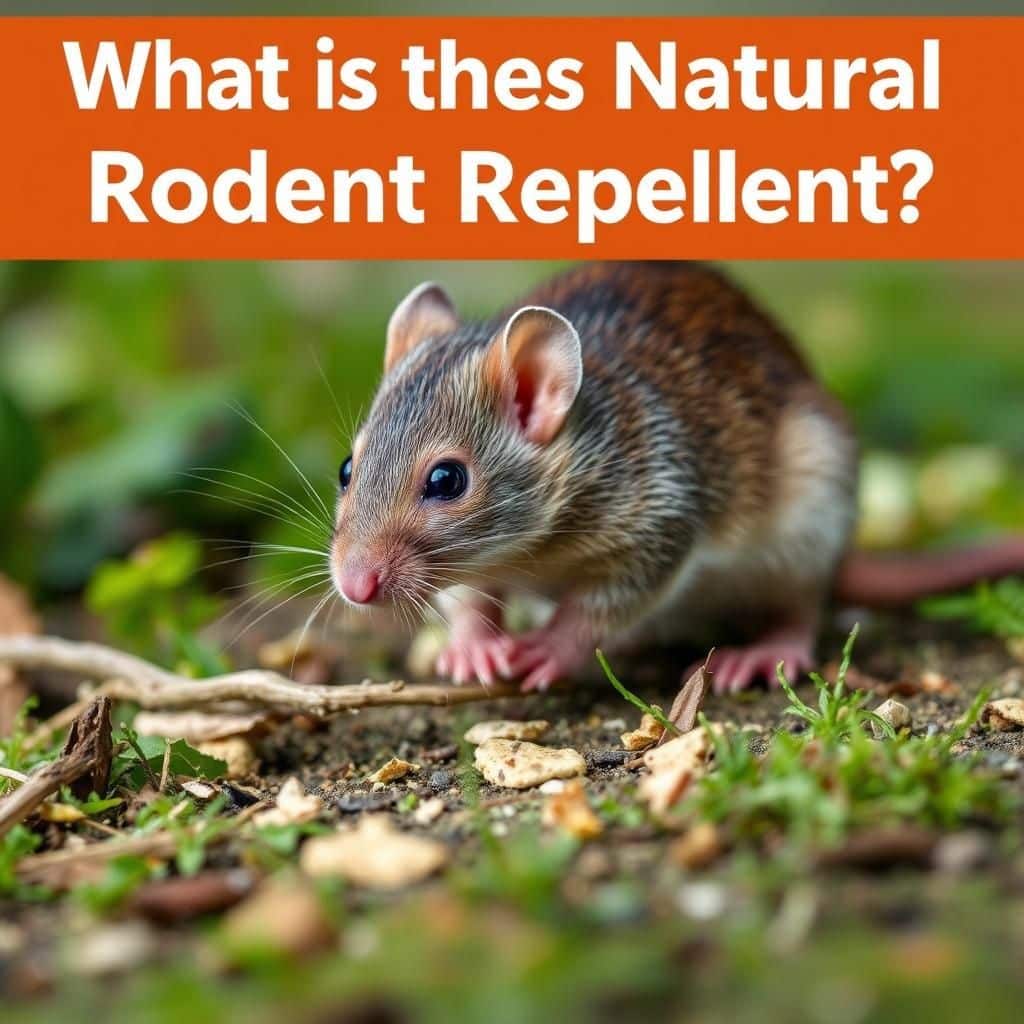
As the presence of rodents becomes a growing concern for homeowners, finding an effective and natural rodent repellent is essential. Many conventional pest control methods can be harmful to both the environment and the health of your family. In this article, we will explore various natural solutions that have proven effective in deterring rodents without the use of harsh chemicals. From essential oils to specific plant-based remedies, discover the best options to protect your home and garden. Join us as we dive into the world of natural rodent repellents and provide you with the tools you need for a pest-free environment.
What is the Best Natural Rodent Repellent?
Natural rodent repellents are becoming increasingly popular as eco-friendly alternatives to chemical solutions, with many people seeking effective ways to deter rodents without harming the environment. One of the best options available is peppermint oil, which not only has a strong scent that rodents find unpleasant but also has the added benefit of being a natural antiseptic. Other effective natural repellents include cayenne pepper, garlic, and vinegar, which can be used in various forms, such as sprays or powders, to create barriers that discourage rodent activity. By strategically placing these natural repellents around areas prone to rodent infestations, you can effectively diminish the likelihood of unwanted visitors in your home or garden.
Peppermint Oil as a Repellent
Peppermint oil is arguably one of the most effective natural rodent repellents available. The strong aroma of peppermint is overpowering for rodents, making it a great deterrent. To use it, mix a few drops of pure peppermint oil with water and spray it in areas where you suspect rodent activity. Regularly reapplying the solution will enhance its effectiveness, as the scent diminishes over time. This method not only keeps rodents away but also leaves your home smelling fresh and minty.
Cayenne Pepper Usage
Cayenne pepper serves as another potent natural repellent. The spiciness of cayenne is highly unpleasant for rodents, creating a barrier they are hesitant to cross. You can sprinkle cayenne pepper around your home in areas susceptible to rodent entry, such as near entry points or along their expected paths. Another effective way to utilize cayenne is by mixing it with water to create a spray. This method not only acts as a repellent but also deters pests like ants and spiders.
Garlic as an Effective Deterrent
Garlic has been recognized for its pest-repelling properties for centuries, and it's particularly effective against rodents. The strong smell of garlic is offensive to them, discouraging their presence. You can use crushed garlic cloves or garlic powder, placing it in areas like attics, basements, and near food storage. Additionally, making a garlic spray by mixing garlic with water can also create a strong barrier against rodents while being safe for humans and pets.
Vinegar Solutions
Vinegar, especially white vinegar, is an excellent natural solution that can deter rodents due to its strong scent. The pungent aroma of vinegar masks other scents that might attract rodents. You can use vinegar by soaking cotton balls in it and placing them in areas where rodent activity is noted. The effectiveness of this method can be enhanced by regularly replacing the cotton balls, ensuring that the scent remains strong. It’s a simple, cost-effective solution that has multiple uses around the house.
Essential Oils and Their Functions
Besides peppermint, other essential oils such as eucalyptus, lavender, and citronella can also serve as effective rodent repellents. Each of these oils has a distinct scent that rodents typically dislike. Similar to peppermint oil, they can be mixed with water to create a spray or used on cotton balls placed around the home. Regular application will keep the scent strong, thereby helping to deter rodents from entering your spaces.
| Repellent | Main Ingredient | Application Method | Effectiveness |
|---|---|---|---|
| Peppermint Oil | Mentha piperita | Spray or cotton balls | High |
| Cayenne Pepper | Capsicum annuum | Sprinkle or spray | Medium |
| Garlic | Allium sativum | Powder or spray | High |
| Vinegar | Acetic acid | Cotton balls or spray | Medium |
| Essential Oils | Variety (Eucalyptus, Lavender) | Spray or cotton balls | Medium to High |
What is the best homemade rodent repellent?


The best homemade rodent repellent combines natural ingredients that are effective in deterring rodents like mice and rats without the use of harmful chemicals. Here are several effective recipes and methods to create your own homemade rodent repellent.
Essential Oils as Rodent Deterrents
Essential oils are one of the most effective ingredients for homemade rodent repellents due to their potent scent that rodents find unpleasant. Popular essential oils for this purpose include peppermint, eucalyptus, and cinnamon.
- Peppermint Oil: Rodents dislike the strong smell of peppermint. Mix a few drops of peppermint oil with water in a spray bottle and apply it around entry points and areas where you've noticed rodent activity.
- Cinnamon Oil: Similar to peppermint, cinnamon oil can also repel rodents effectively. You can use it in a similar manner to peppermint oil, creating a spray to use in targeted areas.
- Eucalyptus Oil: This oil has a distinct aroma that can disorient rodents. You can soak cotton balls in eucalyptus oil and place them in corners and shelves.
Homemade Pepper Spray
A simple and effective pepper spray can also act as a rodent repellent. Capsaicin, found in hot peppers, is irritating to rodents and can deter them from entering your space.
- Ingredients Needed: Combine 1-2 tablespoons of crushed red pepper flakes, water, and a few drops of dish soap in a spray bottle.
- Preparation: Let the mixture sit for 24 hours, then strain the liquid into another spray bottle to remove solids.
- Application: Spray this solution generously around entry points, nests, and areas where rodent droppings are found.
Vinegar and Water Solution
Vinegar is a versatile substance known for its strong smell, which can help repel rodents when sprayed around the home.
- Mixing the Solution: Combine equal parts of water and white vinegar in a spray bottle.
- Usage: Spray the mixture in areas rodents tend to frequent, such as attics, garages, and near food storage.
- Frequency of Application: Reapply the solution regularly, especially after cleaning, to maintain its effectiveness.
Ultrasonic Repellents
Although not homemade, ultrasonic repellents can complement your homemade solutions effectively by using sound waves to deter rodents.
- How They Work: These devices emit high-frequency sound waves that humans cannot hear but are unpleasant for rodents.
- Placement: Position them in areas prone to rodent activity, including basements, garages, and kitchens.
- Complementing Homemade Methods: Use ultrasonic devices alongside your homemade repellents for a more comprehensive approach to rodent control.
Natural Deterrents: Mothballs and Ammonia
Natural products like mothballs and ammonia can deter rodents due to their strong odors.
- Mothballs: Place mothballs in locations where you have identified rodent activity. The pungent smell is known to repel rodents.
- Ammonia Solution: Soak rags or cotton balls in ammonia and place them in areas where rodents frequent. The strong odor mimics predator scents.
- Safety Precautions: Ensure these materials are placed out of reach of pets and children to avoid any potential hazards.
What is the most effective natural rat repellent?
:strip_icc()/bhg-natural-rat-repellent-hero2_CY39gRTCagWAej1baZhhDw-5af53a87079d43a99d0ed3fcab822e50.jpg)
The most effective natural rat repellent is often a combination of various substances that are known to deter rats due to their strong smells or irritating properties. One of the most commonly cited natural repellents is peppermint oil, which is believed to mask the scents that attract rats. Other effective natural repellents include castor oil, cayenne pepper, and ammonia. To maximize effectiveness, it's recommended to use these substances strategically in areas where rat activity is suspected.
See also:
Understanding Rat Behavior
Rats are highly adaptable creatures, and understanding their behavior can aid in the selection of the most effective natural repellents. They are nocturnal, social animals that prefer to stay in dark, hidden places. Recognizing these habits can help determine where to place repellents. Key points include:
- Nocturnal Activity: Rats are more active at night, so repellents need to be most potent during these hours.
- Social Structures: Rats communicate with pheromones; thus, disrupting these signals can discourage them.
- Territorial Behavior: Rats may return to the same places repeatedly, so consistent repellent application is crucial.
Homemade Peppermint Oil Spray
Peppermint oil is a widely recognized natural repellent. Creating a homemade peppermint oil spray is simple and effective. The steps to make this spray are:
- Ingredients: Dilute 10-15 drops of peppermint oil in a spray bottle filled with water.
- Application: Spray in areas where rat activity is noticed, including around entry points.
- Reapplication: Respray every few days, especially after rain or cleaning.
Other Essential Oils
While peppermint oil is popular, there are other essential oils that can be used effectively. Essential oils such as lavender, eucalyptus, and citronella also possess repellent properties for rats. To implement these:
- Choose Your Oils: Select oils known for their strong smells and repellent qualities.
- Soak Cotton Balls: Soak cotton balls in these oils and place them in strategic locations.
- Monitor Effectiveness: Check frequently to see if the application needs to be renewed.
Cayenne Pepper and Other Spices
Utilizing cayenne pepper and spices can also prevent rats from entering certain areas. The capsaicin in cayenne irritates the rats' senses, making it an effective deterrent. Here’s how to use cayenne pepper:
- Mix with Water: Combine a tablespoon of cayenne pepper with water in a spray bottle.
- Direct Application: Spray on entry points and areas where rats are seen frequently.
- Combine with Other Spices: Mixing with spices like garlic powder or black pepper can enhance effectiveness.
Castor Oil and Its Uses
Castor oil is another natural product that serves as a rat repellent due to its unusual smell and taste. Its application involves:
- Application Method: Soak cotton balls in castor oil and place them in areas of rat activity.
- Combination with Other Oils: Mixing castor oil with peppermint or cinnamon oil enhances its repellent properties.
- Consistency is Key: Regularly replace the cotton balls to maintain the scent and effectiveness.
Questions from Our Readers
What is the best natural rodent repellent?
The best natural rodent repellent is often considered to be a combination of essential oils, particularly peppermint oil, which is proven to deter mice and other rodents due to its strong scent. Additionally, other options include cayenne pepper, ammonia, and even natural plants like lavender and rosemary that can help keep rodents at bay when strategically placed around your home.
How do natural rodent repellents work?
Natural rodent repellents work by creating an environment that is unpleasant or irritating for rodents, making it less likely for them to invade your space. The strong scents or substances in these repellents can confuse their senses, effectively leading them away from areas where the repellent is applied.
Are natural rodent repellents safe for pets?
Yes, many natural rodent repellents are generally safe for pets, especially when using essential oils in diluted forms or in small amounts. However, it is always best to check specific oils or substances, as some, like citrus oils, may not be suitable for certain pets. Consulting with a veterinarian can provide peace of mind.
See also:
How can I apply natural rodent repellents?
You can apply natural rodent repellents in several ways, such as soaking cotton balls in essential oils and placing them in areas where rodents may enter, or mixing substances like cayenne pepper with water and spraying it around potential entry points. Regular reapplication is essential for maintaining effectiveness.

If you want to read more articles like What is the Best Natural Rodent Repellent? Discover Effective Solutions Here!, we recommend you check out our Garden category.
Leave a Reply
Related Articles