What are the Disadvantages of a Wooden Greenhouse? Key Drawbacks to Consider

When considering the construction of a wooden greenhouse, it’s essential to weigh its aesthetic appeal against potential drawbacks. While a wooden structure can blend harmoniously with nature and offer excellent insulation properties, several disadvantages may arise. Factors such as susceptibility to pests, maintenance challenges, and durability concerns can impact the overall effectiveness and longevity of your greenhouse. This article will explore the key drawbacks of wooden greenhouses, providing valuable insights for those contemplating this investment. By understanding these disadvantages, you can make a more informed decision about whether a wooden greenhouse is the right choice for your gardening needs.
Disadvantages of a Wooden Greenhouse
A wooden greenhouse, while aesthetically pleasing and providing good insulation, comes with several significant disadvantages that potential buyers should consider. First, wood is susceptible to rot and pests, including termites, which can compromise the structural integrity over time. Additionally, maintenance is a key factor; wooden structures require regular sealing and painting to protect against moisture and sun damage, which can be both time-consuming and costly. Furthermore, wooden greenhouses tend to be less durable than their metal or polycarbonate counterparts, leading to potential repairs or replacements sooner than expected. Finally, the initial cost of quality wood can be higher than other materials, which may not make it the most cost-effective choice in the long run.
Susceptibility to Pests
Wood is particularly vulnerable to various pests, such as termites and wood-boring insects, which can cause severe damage to the greenhouse structure. This risk necessitates the use of pesticides or treatments, which could introduce harmful chemicals into the growing environment. If left unaddressed, pest infestations can lead to significant structural failures and increased costs for repairs.
Maintenance Requirements
Maintaining a wooden greenhouse requires regular upkeep to prevent decay and weather-related damage. This includes applying protective sealants and paints throughout the year to shield the wood from moisture and sunlight. Without this ongoing maintenance, wood can deteriorate rapidly, leading to costly repairs and a shorter lifespan for the greenhouse.
Durability Compared to Other Materials
When compared to other greenhouse materials such as metal or polycarbonate, wooden greenhouses generally have a shorter lifespan. While wood can be a strong material initially, it does not hold up well against the elements over time. Exposure to rain, snow, and varying temperatures can lead to warping, cracking, and ultimately a compromised structure that may require more frequent replacements.
Cost Considerations
Despite the initial appeal, wooden greenhouses can become a financial burden over time. The costs associated with initial construction, regular maintenance, and potential pest control can add up quickly. Comparatively, materials like polycarbonate or aluminum may have a higher upfront cost but tend to offer better longevity and lower maintenance, making them more cost-effective in the long run.
Insulation Limitations
While wood does provide decent insulation, it may not perform as well as other materials in extreme temperatures. Poor insulation can result in higher energy costs as heating or cooling becomes necessary to maintain an optimal growing environment. Furthermore, wooden greenhouses may struggle with humidity control, which can lead to mold and fungal issues within the structure.
| Disadvantage | Details |
|---|---|
| Pest Susceptibility | Wood is prone to infestations that can damage the structure. |
| Maintenance | Requires regular sealing and painting to remain effective. |
| Durability | Generally shorter lifespan compared to metal or polycarbonate. |
| Cost | Higher initial and ongoing costs compared to other materials. |
| Insulation Limitations | Might not provide adequate insulation in extreme conditions. |
How long will a wooden greenhouse last?
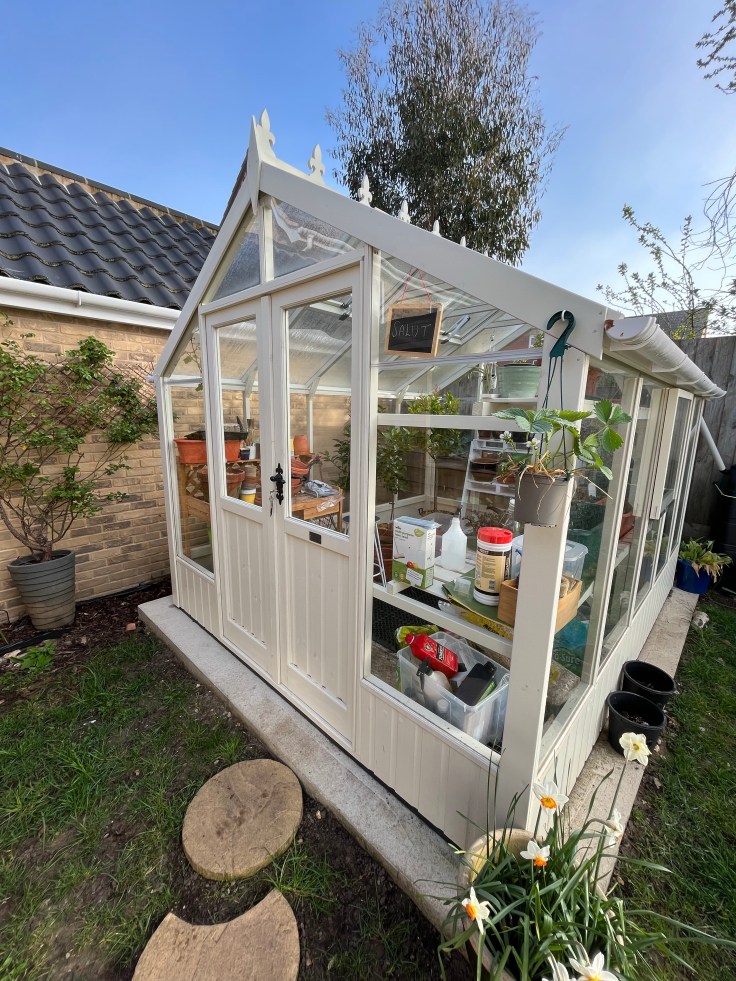
The lifespan of a wooden greenhouse can vary significantly based on various factors, including the type of wood used, construction quality, maintenance practices, and environmental conditions. On average, a well-maintained wooden greenhouse can last anywhere from 10 to 25 years. However, with diligent care and the use of high-quality materials, some wooden greenhouses can even exceed this timeframe. Below are several key aspects influencing the longevity of a wooden greenhouse.
Wood Type and Quality
The type and quality of wood used in construction play a crucial role in determining the lifespan of a wooden greenhouse. Certain woods, such as cedar and redwood, are naturally resistant to rot and insects, making them excellent choices for greenhouse construction. On the other hand, cheaper woods may not withstand the test of time as effectively.
- Cedar: Highly resistant to decay and insects.
- Redwood: Similar properties to cedar, known for its durability.
- Pressure-treated pine: Can offer decent resistance but may require more maintenance.
Construction Quality
The construction quality of a wooden greenhouse is paramount for its durability. A properly built greenhouse will withstand harsh weather conditions better than a poorly constructed one. Key considerations include:
- Foundation: A solid foundation prevents rot and instability.
- Joint construction: Strong joints reduce vulnerabilities to wind and pressure.
- Sealing and insulation: Proper sealing helps prevent moisture vulnerabilities.
Maintenance Practices
Regular maintenance can significantly extend the lifespan of a wooden greenhouse. Without proper upkeep, even the best-built structures can deteriorate over time. Essential maintenance practices include:
- Inspections: Regular checks for signs of rot or insect infestation.
- Staining and sealing: Applying protective coatings enhances resistance.
- Repairs: Timely repairs prevent minor issues from becoming major problems.
Environmental Conditions
The environmental conditions surrounding the greenhouse also play an important role in its lifespan. Factors such as humidity, temperature fluctuations, and exposure to sunlight can all affect the integrity of wood. Noteworthy aspects include:
See also:
- Humidity levels: High humidity can promote rot if not managed.
- Sun exposure: Ultraviolet rays can degrade wood finishes over time.
- Temperature changes: Fluctuations can cause wood to expand and contract, leading to cracks.
Usage and Functionality
How the greenhouse is used can also influence its longevity. Different plants and gardening activities can exert varying levels of stress on the structure. Considerations include:
- Types of plants: Heavier plants may require additional support structures.
- Watering methods: Excessive moisture may lead to structural decay.
- Climate control systems: Systems like heating or cooling can impact durability.
Are wooden greenhouses effective?
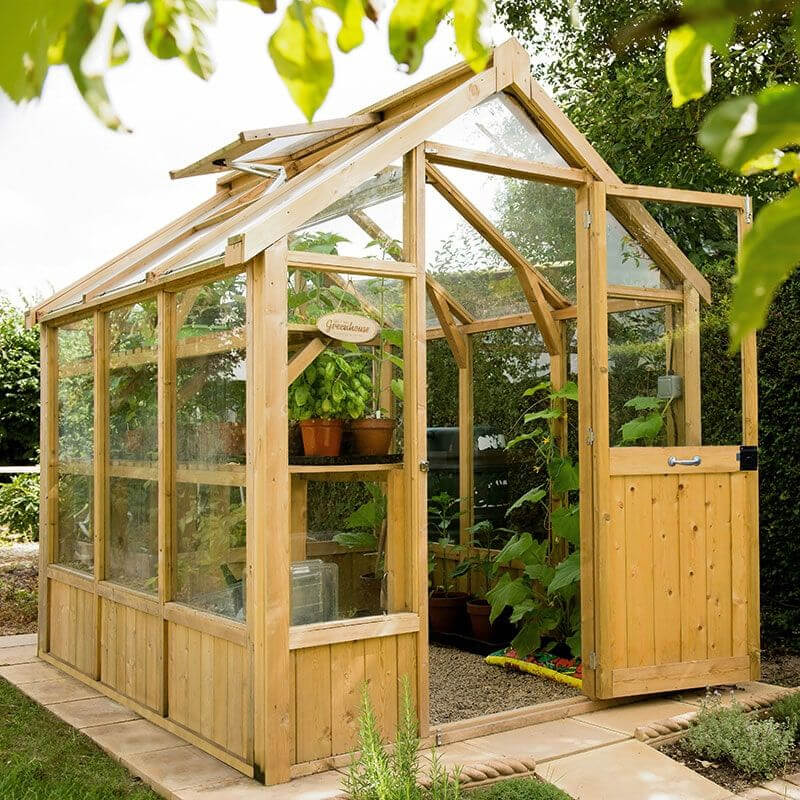
Wooden greenhouses can be quite effective for growing plants, depending on various factors such as climate, design, and personal gardening goals. They offer several advantages over other types of materials, but there are also potential downsides to consider. Here, we dissect the effectiveness of wooden greenhouses in depth.
Benefits of Wooden Greenhouses
Wooden greenhouses come with a range of benefits that can enhance the gardening experience. Here are some key advantages:
- Aesthetic Appeal: Wooden structures provide a natural look that blends well with garden environments.
- Insulation: Wood offers excellent thermal insulation properties, helping maintain temperature stability inside the greenhouse.
- Durability: High-quality treated wood can last for many years if properly maintained, making it a long-term investment.
Effectiveness in Various Climates
The effectiveness of wooden greenhouses may vary significantly depending on the local climate. Consider these factors:
- Temperature Control: In colder climates, wooden greenhouses can help conserve heat due to their insulating properties.
- Moisture Regulation: Wood can absorb and release moisture, which may help maintain humidity levels inside the greenhouse.
- Sunlight Diffusion: Depending on the design, wooden greenhouses can provide filtered light, which is beneficial for certain plants.
Design Considerations
The design of a wooden greenhouse plays a crucial role in its effectiveness. Here are some design aspects to contemplate:
- Ventilation: Proper ventilation systems are necessary to regulate heat and humidity levels, preventing plant stress.
- Size and Orientation: The size and the way the greenhouse is oriented can significantly affect light exposure and temperature control.
- Foundation: A solid foundation is essential to prevent structural issues and to ensure stability over time.
Maintenance Requirements
Wooden greenhouses require regular maintenance to remain effective and protective of the plants inside. Key maintenance tasks include:
- Wood Treatment: Regular treatment of wood with preservatives is essential to prevent rot and insect damage.
- Cleaning: Keeping the glass panels clean ensures maximum sunlight penetration, which is vital for plant growth.
- Inspections: Frequent inspections for structural integrity and pest intrusion can help maintain the greenhouse's health.
Cost Implications
Investing in a wooden greenhouse can entail varying costs. Factors that contribute to this include:
- Initial Investment: Quality wood and construction can lead to a higher initial cost compared to other materials.
- Long-term Costs: The ongoing maintenance and treatment costs should also be factored into your budget.
- Potential Savings: If maintained well, a wooden greenhouse can reduce heating costs and extend the growing season, offsetting some of the initial investment.
Is a metal frame greenhouse better than a wood frame?
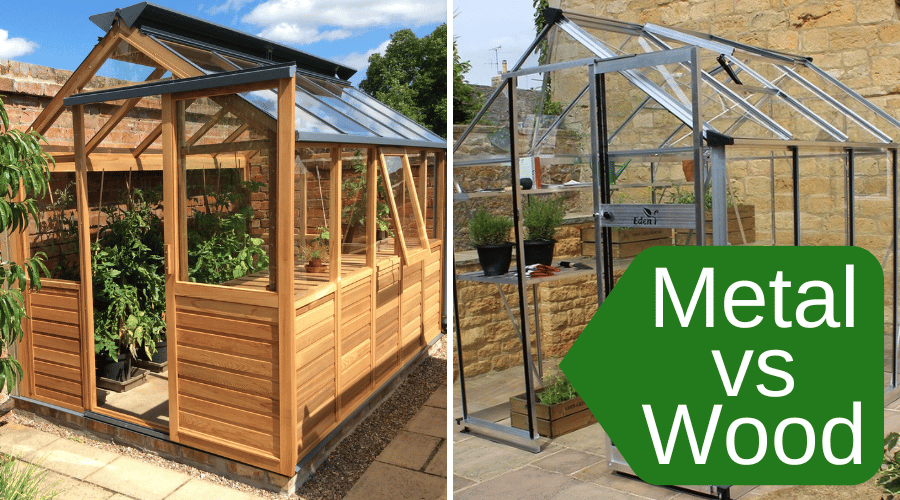
When comparing a metal frame greenhouse to a wood frame greenhouse, several factors come into play that highlight the advantages and disadvantages of each. Generally, metal frame greenhouses, often constructed from aluminum or galvanized steel, tend to be more durable and resistant to weather conditions compared to their wooden counterparts. Here are some key aspects to consider:
Durability
Metal frame greenhouses typically offer greater durability than wood frame structures. Metal is more resistant to rot, pests, and overall decay.
- Longevity: Metal frames can last for decades without significant maintenance.
- Pest Resistance: Metals are not susceptible to insects like termites, which can damage wooden structures.
- Weather Resistance: Metal frames can better withstand harsh weather, such as high winds and heavy snow loads.
Maintenance Requirements
One of the major advantages of metal frame greenhouses is the lower maintenance they require.
- Minimal Upkeep: Metal structures do not need to be painted or sealed regularly like wood.
- Rust Treatment: While metal frames may require some rust treatment, it is less frequent than maintaining wood's integrity.
- Cleaning: Metal greenhouses are easier to clean and maintain when it comes to preventing algae and mold growth.
Cost Considerations
The initial investment in a metal frame greenhouse can be higher than that of a wood frame, but the long-term savings and benefits may outweigh those costs.
See also:
- Initial Cost: Metal greenhouses often cost more to purchase due to the price of materials.
- Longevity Savings: The long life of a metal frame can result in lower overall costs over time.
- Insurance Savings: Some insurance companies may offer lower premiums for more durable metal structures.
Insulation and Temperature Control
Wood frames provide better natural insulation, which can be beneficial for maintaining a stable temperature inside the greenhouse.
- Thermal Mass: Wood has a higher thermal mass than metal, helping to regulate temperature fluctuations.
- Heat Retention: Wood can retain heat longer during the night, promoting plant growth in cooler conditions.
- Natural Aesthetics: A wooden frame may blend more harmoniously with garden landscapes, appealing to some gardeners.
Environmental Impact
When considering the environmental impact, both materials have different implications for sustainability.
- Material Sourcing: Metal can often be recycled, while wood can contribute to deforestation if not sourced sustainably.
- Production Emissions: The production of metal frames tends to have a higher carbon footprint than sustainably sourced wood.
- Lifespan Consideration: A longer lifespan of metal structures can lead to less frequent replacement, potentially reducing environmental impact over time.
What are the advantages and disadvantages of a wooden house?
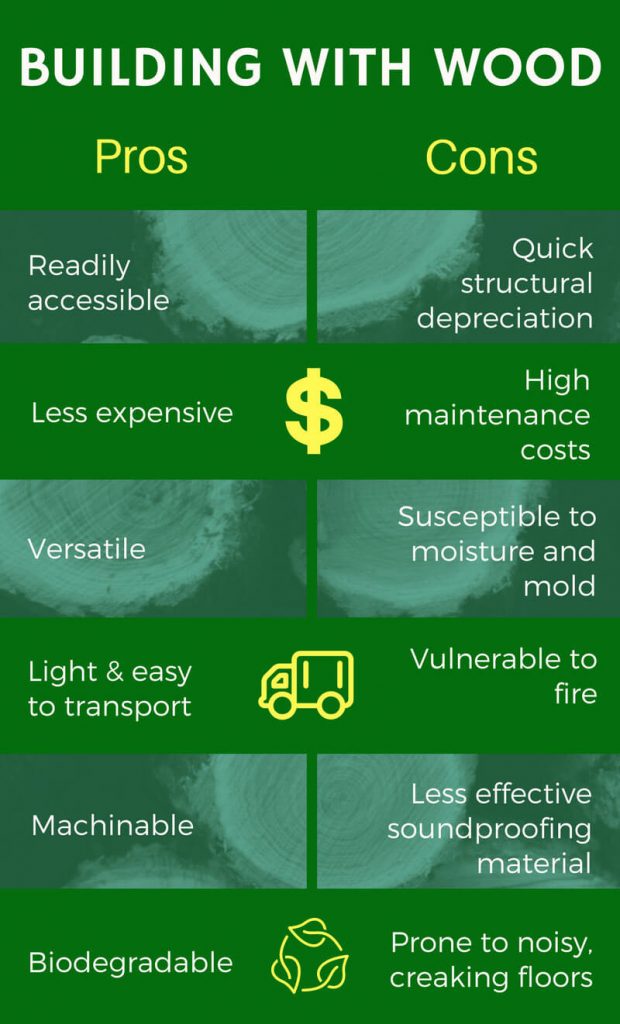
Wooden houses, also known as timber houses, are becoming increasingly popular due to their unique aesthetic appeal and environmental benefits. However, they come with both advantages and disadvantages that potential homeowners should consider.
Advantages of Wooden Houses
Wooden houses offer several advantages that contribute to their popularity in residential construction. These include:
- Environmental Sustainability: Wood is a renewable resource, making wooden houses more environmentally friendly compared to houses built with non-renewable materials. Sustainable forestry practices ensure that timber is harvested responsibly.
- Energy Efficiency: Wood has natural insulating properties, which can help maintain comfortable indoor temperatures. This can lead to lower energy costs for heating in the winter and cooling in the summer.
- Cost-Effectiveness: Generally, wooden houses can be less expensive to construct than those made of brick or stone, especially when considering labor costs and construction time.
Disadvantages of Wooden Houses
Despite their many advantages, wooden houses also have some disadvantages that may deter potential buyers.
- Susceptibility to Pests: Wooden structures can be vulnerable to pests such as termites, carpenter ants, and wood-boring beetles. Homeowners may need to invest in regular pest control measures.
- Fire Risk: Wood is a combustible material, making wooden houses more susceptible to fire damage if proper precautions are not taken during construction and maintenance.
- Maintenance Requirements: Wooden houses require regular maintenance, such as staining, sealing, and inspections, to prevent decay and weather-related damage.
Durability of Wooden Houses
The durability of wooden houses is often scrutinized in comparison to structures made of brick, stone, or concrete. Key points include:
- Longevity: With proper maintenance, wooden houses can last for decades. Using treated wood and quality construction techniques can enhance durability.
- Structural Integrity: Wood is known for its flexibility and strength, which makes it a reliable material during natural events such as earthquakes.
- Weather Resilience: Depending on the type of wood and treatment used, wooden houses can withstand various weather conditions, although they may require additional protective measures in extreme climates.
Design Flexibility of Wooden Houses
The design flexibility of wooden houses is one of their most appealing features, which allows homeowners to personalize their spaces.
- Customizable Layouts: Wood can be easily cut and shaped, allowing for unique designs and open floor plans that cater to modern living.
- Aesthetic Variety: Wooden houses can be finished in various styles, from rustic to contemporary. This aesthetic appeal makes them attractive to a wide range of homebuyers.
- Natural Warmth: The natural beauty of wood provides an inviting atmosphere, contributing to the overall comfort and warmth of the living space.
Economic Impact of Wooden Houses
The economic implications of choosing a wooden house can be significant for homeowners and local economies.
- Job Creation: The timber industry significantly contributes to job creation, from logging to construction, boosting local economies.
- Investment Value: Depending on the market and maintenance, wooden houses can appreciate in value, providing a solid investment for homeowners.
- Cost Savings: Lower initial construction costs and energy efficiency can lead to significant savings over time for homeowners, making wooden houses an economically attractive option.
Health Benefits of Wooden Houses
Living in a wooden house can offer various health benefits that enhance the quality of life.
- Improved Air Quality: Wood can help regulate humidity levels indoors, creating a healthier living environment by reducing the risk of mold and mildew.
- Natural Aesthetics: The natural appearance of wood can contribute positively to mental and emotional well-being, providing a calming and serene atmosphere.
- Non-Toxic Materials: Many wooden houses use non-toxic and sustainable materials, leading to lower levels of indoor pollutants and a healthier living space.
Questions from Our Readers
What is the lifespan of a wooden greenhouse compared to other materials?
The lifespan of a wooden greenhouse is generally shorter than those made from materials like aluminum or PVC. Wood is susceptible to rot, pests, and weather-related damage, which can lead to more frequent repairs or replacements over time.
How does insulation compare in wooden greenhouses?
Wooden greenhouses tend to have poor insulation compared to those made of glass or polycarbonate. This can result in greater temperature fluctuations, making it harder to maintain a consistent growing environment for plants, especially during colder months.
Are wooden greenhouses more difficult to maintain?
Yes, wooden greenhouses typically require more maintenance than those made from other materials. Regular sealing, painting, and treating against pests and rot are essential to ensure the structure remains stable and doesn't deteriorate over time.
See also:
How does cost affect the decision to build a wooden greenhouse?
While wooden greenhouses can be less expensive to build initially, the long-term costs can add up due to maintenance and repairs, as well as the need for replacement sooner than with more durable materials. Therefore, budgeting for both short-term and long-term expenses is crucial when considering a wooden greenhouse.

If you want to read more articles like What are the Disadvantages of a Wooden Greenhouse? Key Drawbacks to Consider, we recommend you check out our Garden category.
Leave a Reply
Related Articles