What is the Cheapest Way to Heat a Greenhouse in the Winter? Top Strategies for Cost-Effective Heating

Heating a greenhouse during the winter months can be a significant expense, but it is essential for maintaining an ideal environment for plant growth. Fortunately, there are several cost-effective strategies to help reduce these heating costs while still providing adequate warmth. In this article, we will explore the cheapest ways to heat a greenhouse in winter, from utilizing solar energy and thermal mass to implementing proper insulation techniques. By understanding and applying these methods, you can ensure your greenhouse remains a thriving ecosystem without breaking the bank. Let’s dive into the top strategies for efficient and affordable greenhouse heating.
Cost-Effective Methods for Heating a Greenhouse in Winter
Heating a greenhouse during winter can be achieved through several cost-effective methods, enabling you to maintain a suitable temperature for plants without incurring high energy costs. One of the most efficient solutions is using passive solar heating, which involves maximizing sunlight exposure by utilizing thermal mass materials like water barrels or concrete. Additionally, employing insulation techniques, such as bubble wrap or thermal curtains, can help retain heat during the colder months. Another economical option is to use biomass heaters, which use organic materials like wood chips or pellets, to generate heat at a lower cost. Lastly, exploring electric heaters with programmable thermostats can allow for efficient heating while minimizing electricity use.
Passive Solar Heating
Passive solar heating relies on the sunlight available in winter to warm your greenhouse naturally. By strategically placing south-facing windows and using materials that absorb and radiate heat, you can create a warm environment for your plants. For instance, installing water barrels filled with water absorbs heat during the day and releases it during the night, helping to stabilize temperature fluctuations.
Insulation Techniques
Effective insulation is essential for maintaining heat within the greenhouse. Utilizing materials like bubble wrap, thermal screens, or specialized greenhouse films can significantly reduce heat loss. These insulations create an air barrier that minimizes convection losses, keeping the internal environment warmer for longer. Additionally, double-layered glazing can enhance the effectiveness of retaining heat.
Biomass Heating Solutions
Biomass heating systems are an eco-friendly alternative that burns organic materials such as wood pellets, chips, or agricultural residues to produce heat. This method is often more affordable than fossil fuels, and many regions have access to inexpensive biomass. Not only does it provide sufficient warmth for larger greenhouses, but using biomass also contributes to a more sustainable heating strategy, reducing reliance on conventional energy sources.
Electric Heaters with Smart Controls
Electric heaters equipped with smart controls and thermostats can provide precise temperature management in your greenhouse. These devices can be programmed to operate only when temperatures drop below a set point, ensuring efficient energy use. While electricity may be a pricier option compared to biomass or passive methods, the precision offered by smart technology can help balance costs and keep your greenhouse environment optimal.
Heat Retention with Thermal Mass
Incorporating thermal mass materials within your greenhouse can be a practical way to enhance heat retention. Objects such as bricks, stones, or large quantities of water can absorb heat during the day and release it gradually at night, maintaining a more consistent internal temperature. This method complements passive solar heating and can significantly reduce the need for additional heating measures, providing a stable climate for plant growth.
| Heating Method | Cost Reflection | Efficiency |
|---|---|---|
| Passive Solar Heating | Low | High |
| Insulation Techniques | Medium | High |
| Biomass Heating | Low to Medium | Medium to High |
| Electric Heaters | Medium to High | Medium |
| Thermal Mass | Low | High |
How to heat a greenhouse in the winter for free?
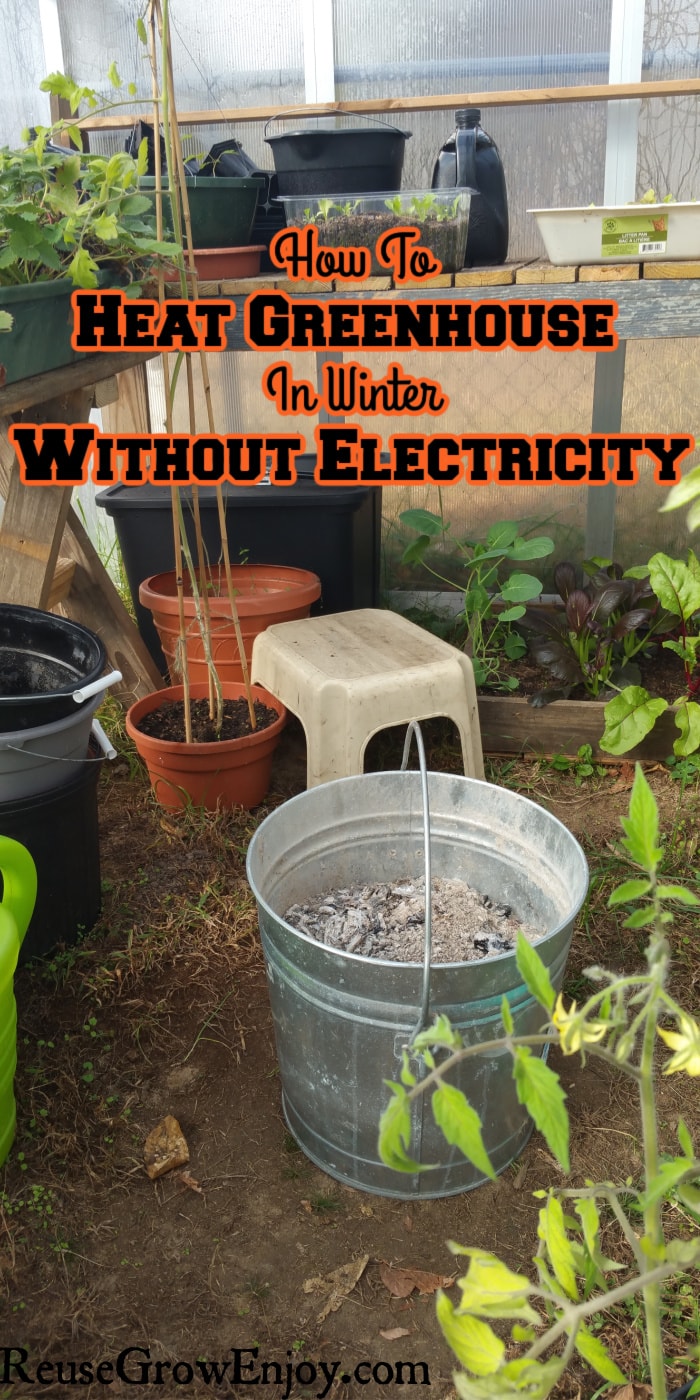
Using Thermal Mass to Retain Heat
Using thermal mass is an effective way to maintain temperature in a greenhouse during winter. This method involves utilizing materials that can store heat during the day and release it at night.
- Water barrels: Fill large barrels with water and place them inside the greenhouse. During the day, the water absorbs sunlight and heats up, releasing this heat back into the air at night.
- Soil: Build raised beds with soil that can retain heat. Soils with higher moisture content will tend to store more heat and can help moderate temperatures.
- Concrete or stone: Use stones or concrete blocks positioned to absorb heat from the sun. They can act as heat sinks and help keep the air warm when temperatures drop.
Insulating the Greenhouse
Insulation is crucial in preventing heat loss in the greenhouse. By minimizing heat escape, plants can thrive during the colder months.
See also:
- Bubble wrap: Cover the interior walls with bubble wrap to create an insulating layer. It’s lightweight, inexpensive, and effective at reducing heat loss.
- Polycarbonate panels: If replacing materials, consider polycarbonate panels, which have excellent insulating properties compared to traditional glass.
- Thermal curtains: Install thermal curtains or shade cloths at night to trap heat inside the greenhouse, limiting nighttime temperature drops.
Utilizing Sunlight with Orientation and Design
The orientation and design of your greenhouse can maximize sunlight exposure during the winter months, helping to keep it warm without additional heating.
- South-facing: Position your greenhouse to face south to capture the most sunlight throughout the day.
- Sloped roof: Use a sloped roof to facilitate the gathering of sunlight, as the angle can help reflect and trap more warmth.
- Minimal shading: Ensure that nearby trees or buildings do not block sunlight, as even minimal shading can significantly reduce heat gain inside the structure.
Using Compost for Heat Generation
Compost piles can generate heat as they decompose, making them a sustainable source of warmth for your greenhouse during winter.
- Active composting: Maintain an active compost pile near the greenhouse. The heat produced can be channeled into the greenhouse through vents or pipes.
- Dimensions: Ensure the compost pile is large enough (at least 3 cubic feet) to maintain the necessary temperature for effective heat generation.
- Moisture content: Regularly monitor and maintain appropriate moisture levels in the compost to encourage microbial activity and maximize heat production.
Windbreaks for Temperature Regulation
Windbreaks can significantly reduce the chilling effects of winter winds, which can lower greenhouse temperatures.
- Natural barriers: Plant trees or shrubs around the greenhouse to act as windbreaks, creating a calmer microclimate inside.
- Fences: Construct solid fences to block prevailing winds, which can help to retain heat more effectively.
- Fabric windbreaks: Use heavy fabric or mesh screens to create temporary windbreaks during the coldest months, which can easily be removed in warmer seasons.
How can I heat my greenhouse cheaply?
To heat your greenhouse cheaply, there are several cost-effective methods you can consider. These methods leverage both traditional heating techniques and innovative, eco-friendly solutions. Here are some effective strategies:
Use Solar Energy
Heating your greenhouse with solar energy can significantly reduce costs. You can install solar panels that provide electricity to power heating systems or utilize passive solar heating by incorporating design elements that maximize sunlight exposure.
- Greenhouse Orientation: Position your greenhouse to receive maximum sunlight during the day.
- Thermal Mass: Add materials like water barrels or stones that absorb heat during the day and release it at night.
- Insulation: Use thermal curtains or insulated coverings to retain heat.
Insulation Techniques
Proper insulation is crucial for maintaining warmth in your greenhouse. Insulating materials can help minimize heat loss, thus reducing energy consumption.
- Bubble Wrap: Line your greenhouse walls and ceiling with bubble wrap for improved insulation.
- Double Glazing: Install double-glazed windows to enhance thermal efficiency.
- Ground Insulation: Consider insulating the ground with materials such as straw or foam boards to prevent cold soil from lowering temperatures.
Utilize Heat Sinks
Heat sinks are materials or structures that absorb and store heat during the day and release it during cooler periods. This can help regulate the temperature inside your greenhouse.
- Water Containers: Fill large containers with water, as water retains heat well.
- Earth Shelving: Construct earth berms or shelves filled with stones that can collect and release heat.
- Thermal Flooring: Use materials that retain heat in the flooring of your greenhouse.
Employ Low-Cost Heating Systems
There are several low-cost heating systems that can effectively warm your greenhouse without high energy bills. These options can be DIY or commercially available.
- Fan Heaters: Use electric fan heaters strategically placed for efficiency.
- Compost Heaters: Harness the heat generated from composting organic materials to warm your greenhouse.
- Heating Mats: Install heating mats under plant trays for localized warmth.
Utilize Row Covers and Cloches
Row covers and cloches can provide an additional layer of warmth without significant expense. They are particularly useful for seedlings and young plants.
See also:
- Floating Row Covers: Use lightweight fabric to trap heat and protect against frost.
- Cloches: Employ glass or plastic cloches to create mini-greenhouses over plants.
- Season Extension: Utilize these tools to extend the growing season effectively.
How can I make my greenhouse warm in the winter?
To keep your greenhouse warm during the winter months, several strategies can be employed to create an optimal environment for your plants. Here are some effective methods:
Insulation Techniques
Proper insulation is crucial for maintaining warmth in your greenhouse. To improve insulation, consider the following options:
- Bubble Wrap: Attach bubble wrap to the interior walls of your greenhouse. It provides excellent insulation by trapping air, which acts as a barrier against the cold.
- Thermal Curtains: Install thermal curtains or blankets inside the greenhouse. Closing them at night can help retain heat.
- Double Glazing: If possible, replace regular glass with double-glazed panels. This reduces heat loss significantly and maintains a stable temperature.
Heating Systems
Employing a heating system is one of the most effective ways to warm up your greenhouse. Some popular options include:
- Electric Heaters: These can be efficiently used to maintain a steady temperature. Choose models that are designed for greenhouses to ensure safety and efficiency.
- Propagation Heating Mats: Ideal for starting seeds and keeping young plants warm. These mats can provide bottom heat, promoting faster growth.
- Gas or Propane Heaters: These can provide significant heating for larger greenhouses. Ensure proper ventilation when using gas heaters to avoid harmful buildup.
Utilizing Solar Gain
Maximizing solar gain is essential for maintaining warmth naturally. Consider the following strategies:
- Orientation: Position the greenhouse to face south or southwest to receive maximum sunlight during the day.
- Thermal Mass: Incorporate materials such as water barrels or stones that absorb heat during the day and release it at night, helping to keep the temperature stable.
- Ventilation Management: Open vents on sunny days to prevent overheating, but close them at night to retain the heat absorbed during the day.
Using Heat-retaining Materials
Selecting the right materials for your greenhouse can significantly affect its temperature. Here are some suggestions:
- Solar Plastic: Use high-quality solar greenhouse plastic that has insulating properties and can retain heat effectively.
- Ground Cover: Consider using thermal blankets or mulch over the soil. This helps to trap warmth from the ground, especially at night.
- Strategic Plant Placement: Place larger plants or containers strategically to act as windbreaks, reducing cold drafts and enhancing the microclimate around smaller plants.
Maintaining Humidity Levels
Controlling humidity can prevent excess cold and protect your plants. Here’s how to maintain proper humidity:
- Misting Systems: Consider installing a misting system that can maintain humidity levels without reducing temperature drastically.
- Water Trays: Place shallow trays of water inside the greenhouse to increase humidity levels naturally, which can also help retain heat.
- Humidity Monitors: Use humidity monitors to keep track of levels and adjust the watering or misting accordingly to create an ideal environment.
Questions from Our Readers
What are some low-cost heating options for a greenhouse in winter?
To heat a greenhouse inexpensively, consider using solar heating solutions, such as solar panels or solar water heaters. Additionally, utilizing thermal mass materials like water barrels can help absorb and retain heat during the day, releasing it slowly at night. Moreover, using insulation techniques, like bubble wrap or thermal curtains, can retain warmth and reduce heating costs.
Can I use a propane heater to warm my greenhouse?
Yes, a propane heater can effectively warm your greenhouse during winter. However, while initial costs may be low, it’s essential to consider the ongoing fuel costs, which can add up over time. Ensure proper ventilation to avoid gas buildup, and maintain safety precautions when selecting heating equipment.
How effective are electric heaters for greenhouse heating?
Electric heaters can be a convenient option for greenhouse heating, providing consistent warmth. While they are easy to control and install, they may lead to high electricity bills if used extensively. To maximize efficiency, use them in combination with insulation techniques and set timers for only when the greenhouse needs heating.
See also:
What alternative methods can I employ to reduce heating costs?
Consider using passive heating strategies, such as positioning your greenhouse for optimal solar gain and incorporating windbreaks to shield it from cold winds. Additionally, using compost as a heat source can generate warmth as it breaks down. Implementing these strategies can significantly reduce heating costs while maintaining a suitable environment for your plants.

If you want to read more articles like What is the Cheapest Way to Heat a Greenhouse in the Winter? Top Strategies for Cost-Effective Heating, we recommend you check out our Garden category.
Leave a Reply
Related Articles