What is the problem with polycarbonate greenhouses? Common Issues and Solutions Explained

Polycarbonate greenhouses are popular choices among gardeners due to their durability and effective insulation properties. However, they are not without their challenges. From issues related to condensation and UV degradation to structural concerns and compatibility with various climate conditions, understanding these common problems is crucial for maintaining a thriving greenhouse environment. In this article, we'll explore the typical issues faced by polycarbonate greenhouse owners and provide practical solutions to enhance their longevity and performance. Whether you are a seasoned gardener or a novice, knowing the pitfalls and resolutions will help you maximize the benefits of your polycarbonate structure.
What Are the Issues with Polycarbonate Greenhouses?
Polycarbonate greenhouses are often praised for their durability and insulation properties; however, they face several significant problems. One of the primary issues is the UV degradation that occurs over time, which can lead to brittleness and a decrease in light transmission. Although polycarbonate can filter UV light, prolonged exposure can still affect plant health and yield. Additionally, these structures may suffer from condensation problems, where moisture buildup inside the greenhouse creates an ideal environment for fungal diseases. Despite being lightweight, polycarbonate greenhouses can also be prone to structural weaknesses if not properly supported, particularly in areas with heavy snow or strong winds. Finally, the initial cost of polycarbonate materials can be higher than traditional glass alternatives, making them a significant investment for gardeners.
UV Degradation
The UV degradation of polycarbonate is one of the most critical issues faced by these greenhouses. While polycarbonate is designed to resist UV radiation, over time, exposure can lead to yellowing and brittleness. This degradation not only compromises the structural integrity of the greenhouse but also diminishes the quality of light transmitted to plants. Reduced light transmission can negatively impact plant growth, making understanding and mitigating UV effects essential for successful greenhouse gardening.
Condensation Problems
Condensation within polycarbonate greenhouses is another problem that can lead to adverse effects on plant health. When warm, moist air from the soil or plants rises and encounters the cooler walls of the greenhouse, it can condense and create pools of water. This excess moisture can foster fungal diseases such as powdery mildew and root rot, which can devastate crops. Proper ventilation is critical to managing humidity levels and preventing condensation-related issues, but maintaining air circulation can be a challenge in polycarbonate structures.
Structural Weaknesses
While polycarbonate is known for its lightweight characteristics, this can also lead to structural weaknesses if the greenhouse design does not adequately account for local weather conditions. In areas prone to heavy snow or strong winds, insufficient support can result in damage, making it essential to have a proper foundation and reinforcing features in the design. Without appropriate structural engineering, polycarbonate greenhouses risk collapsing or warping, undermining their intended purpose.
Initial Cost
The initial cost of constructing a polycarbonate greenhouse can be a double-edged sword. While polycarbonate offers impressive insulation and durability, the upfront investment is generally higher compared to traditional glass greenhouses. This cost may deter some gardeners from choosing polycarbonate, especially if they are uncertain about the long-term benefits. Understanding the potential return on investment through energy savings and crop yields is critical for making an informed financial decision.
Limited Longevity
Even with all their advantages, polycarbonate greenhouses come with a limited longevity compared to glass alternatives. Typically, polycarbonate sheets are susceptible to wear and tear from the elements, and while many are marketed as having long lifespans, they can still degrade over time. Factors such as local climate, maintenance practices, and exposure to UV rays all play a role in how long these greenhouses will last before needing replacement or extensive repairs. This aspect can add to the total cost of ownership and impact the long-term viability of using polycarbonate materials.
| Issue | Impact | Solution |
|---|---|---|
| UV Degradation | Brittleness, diminished light transmission | Use UV-resistant polycarbonate |
| Condensation Problems | Fungal diseases, plant health issues | Implement proper ventilation |
| Structural Weaknesses | Potential collapse in harsh weather | Ensure proper design and support |
| Initial Cost | Higher upfront investment | Consider long-term benefits |
| Limited Longevity | Need for replacement | Regular maintenance and inspection |
What are the disadvantages of a polycarbonate greenhouse?

Polycarbonate greenhouses are popular for their durability and insulation properties, but they also come with several disadvantages that potential buyers should consider. Here are some of the main drawbacks:
Cost Analysis
Polycarbonate greenhouses can be more expensive than traditional glass greenhouses or plastic options. The initial investment can be significant, especially for large structures. Here are some points to consider regarding the costs:
See also:
- Material Expense: Polycarbonate sheets can cost more than other materials.
- Installation Costs: The construction process may require specialized knowledge, which can lead to higher labor costs.
- Maintenance Costs: Over time, repairs and replacements can become a financial burden.
Durability Issues
While polycarbonate is known for its toughness, it may still present durability concerns under certain conditions. This includes:
- Scratching: The surface of polycarbonate can be prone to scratches, which can impact light transmission.
- Temperature Variability: Extreme temperature shifts can lead to warping or degradation over time.
- UV Damage: While many polycarbonate products are treated for UV resistance, some may still yellow or weaken with prolonged exposure.
Insulation Limitations
Although polycarbonate offers good insulation, it may not provide the same level as other materials in certain scenarios:
- Single vs. Double Layers: Single-layer polycarbonate may not hold heat as effectively as double-glazed glass.
- Heat Retention: During extremely cold conditions, polycarbonate may struggle to maintain the desired temperature.
- Air Infusion: Insulation properties may diminish if gaps or air leaks are present during installation.
Light Diffusion Issues
Polycarbonate greenhouses may face challenges when it comes to light diffusion:
- Shading: Depending on the type and thickness of polycarbonate used, some may provide uneven light distribution.
- Albedo Effects: Some coatings can cast unwanted shadows, affecting plant growth.
- Growth Variability: Inconsistent light intensity can potentially lead to stunted plant growth or uneven flowering.
Environmental Impact
The environmental ramifications of polycarbonate production and disposal can raise concerns for eco-conscious consumers:
- Production Footprint: Manufacturing polycarbonate involves significant energy consumption and carbon emissions.
- Disposal Challenges: Recycling polycarbonate can be complicated, leading to landfill concerns.
- Resource Use: The sourcing of raw materials for polycarbonate can deplete natural resources.
What is the life expectancy of a polycarbonate greenhouse?
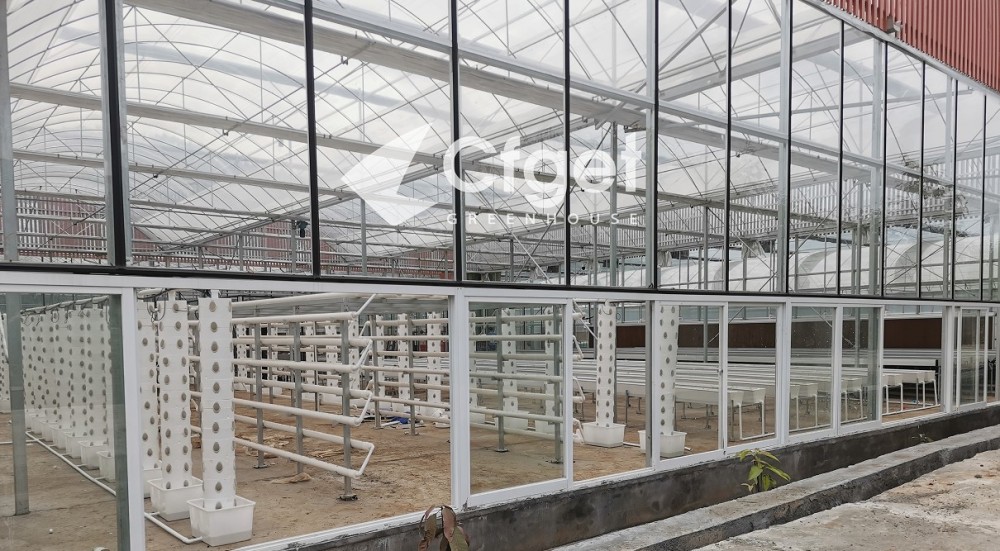
The life expectancy of a polycarbonate greenhouse typically ranges from 10 to 25 years, depending on various factors such as the quality of materials used, environmental conditions, and maintenance practices. Polycarbonate is a durable material known for its high impact resistance, UV protection, and thermal insulation properties. However, to achieve the maximum lifespan, it is essential to consider these influencing factors carefully.
Factors Affecting Life Expectancy
The life expectancy of a polycarbonate greenhouse can be influenced by several factors, including:
- Quality of Materials: Higher-grade polycarbonate sheets will generally last longer than lower-quality options.
- Weather Conditions: Extreme temperatures, heavy snow, or hail can impact the structural integrity of the greenhouse.
- Maintenance Practices: Regular cleaning and timely repairs can prolong the lifespan of the greenhouse.
Types of Polycarbonate Used
Different types of polycarbonate can directly affect the durability and lifespan of a greenhouse:
- Single-wall Polycarbonate: Offers basic UV protection but has a shorter lifespan than multi-wall options.
- Multi-wall Polycarbonate: Provides improved insulation and impact resistance, enhancing longevity.
- UV-treated Polycarbonate: Specifically designed to resist UV degradation, extending the life of the greenhouse.
Maintenance Tips to Extend Life
Taking proactive steps for maintenance can significantly enhance the lifespan of a polycarbonate greenhouse:
- Regular Inspections: Checking for cracks, seals, and structural issues regularly can prevent minor problems from becoming major.
- Cleaning: Removing dirt and debris from the panels regularly helps maintain maximum sunlight exposure.
- Repairs: Addressing any damages swiftly ensures that the greenhouse remains robust and functional.
Environmental Impact on Longevity
The specific environment in which a polycarbonate greenhouse is situated can greatly affect its durability:
See also:
- Humidity Levels: High humidity can lead to mold and mildew, which may damage the structure over time.
- Sun Exposure: Excessive direct sunlight can cause the material to degrade if it isn't properly UV-treated.
- Temperature Fluctuations: Rapid changes in temperature can stress the greenhouse material, reducing its lifespan.
Cost-Benefit Analysis
Evaluating the cost against the lifespan helps in understanding the investment value:
- Initial Investment: Polycarbonate greenhouses often have a higher upfront cost compared to alternatives like plastic.
- Longevity: A longer life expectancy typically means lower long-term costs, making polycarbonate a wise investment.
- Performance: The insulating properties can reduce heating costs, providing further economic benefits over time.
Which is better for a greenhouse, PVC or polycarbonate?
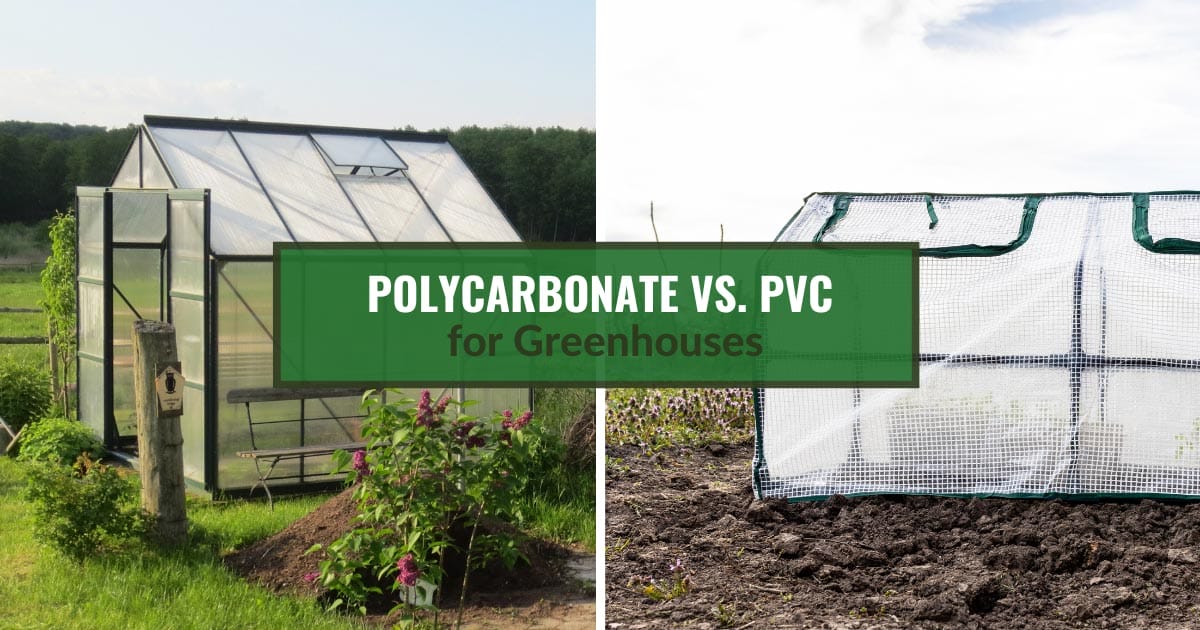
When determining which material is better for a greenhouse, PVC or polycarbonate, several factors need to be considered, including durability, insulation, cost, and light transmission. Each material has its advantages and disadvantages that can significantly influence the decision based on the intended use of the greenhouse and budget constraints.
Durability
Polycarbonate is often regarded as a more durable option compared to PVC. It is resistant to impacts and can withstand extreme weather conditions.
- Impact Resistance: Polycarbonate is nearly 200 times stronger than glass, making it less likely to break or shatter.
- UV Resistance: Most polycarbonate panels come with a UV coating that protects plants from harmful rays, while PVC tends to degrade under prolonged sun exposure.
- Weathering: Polycarbonate can endure high winds and heavy snow loads better than PVC, making it suitable for various climates.
Insulation Properties
Insulation is crucial for maintaining the optimal temperature within a greenhouse. Polycarbonate generally provides superior insulation compared to PVC.
- Thermal Efficiency: Polycarbonate panels have multi-wall designs that trap air, providing excellent thermal insulation.
- Energy Savings: Better insulation can result in lower heating costs during colder months.
- Humidity Control: Good insulation helps maintain humidity levels, which is beneficial for plant growth.
Light Transmission
The amount of light transmitted through the panels is essential for photosynthesis. Here, PVC can fall short compared to polycarbonate.
- Light Diffusion: Polycarbonate allows for diffused light, which can reduce scorching and promote healthy growth.
- Clarity: Polycarbonate panels can offer up to 90% light transmission, whereas PVC can sometimes limit this aspect.
- Long-term Quality: Polycarbonate retains its light transmission quality over time, while PVC can yellow and degrade.
Cost Considerations
Cost is always a crucial factor when selecting materials for a greenhouse. PVC tends to be cheaper upfront than polycarbonate.
- Initial Investment: PVC panels are generally more budget-friendly, making them a popular choice for hobby greenhouse owners.
- Longevity Costs: While polycarbonate has a higher initial cost, its durability may save money over time by reducing replacement and maintenance needs.
- Insurance and Warranty: Some polycarbonate products come with warranties that provide extra financial security against damage.
Ease of Installation
Installation processes may differ between PVC and polycarbonate, impacting the overall ease of setting up a greenhouse.
- Weight Factors: PVC is lighter, which can make it easier to handle and install.
- Panel Sizes: The availability of various sizes may affect how simple or complex the installation process is.
- Tools Required: Some polycarbonate installations may require more specialized tools compared to PVC, which can make the latter more accessible for DIY projects.
Questions from Our Readers
What are the main issues with polycarbonate greenhouses?
Polycarbonate greenhouses often face issues such as UV degradation, leading to loss of clarity over time. Additionally, they can be prone to thermal expansion, which might cause warping that affects structure integrity. Despite their durability, concerns about insulation and light diffusion can also arise.
Do polycarbonate greenhouses provide sufficient insulation?
While polycarbonate is known for its insulating properties, it may not be as effective as traditional glass. The thermal performance of polycarbonate can vary based on thickness and quality, impacting the overall temperature regulation within the greenhouse.
See also:
Are polycarbonate greenhouses resistant to weather damage?
Polycarbonate greenhouses can withstand impact and weathering, but they are not entirely impervious to damage. Certain types of extreme weather, such as heavy hail or ice, can compromise their structure, leading to cracks or breakage over time if not maintained properly.
How does light penetration compare with other materials?
Polycarbonate greenhouses typically allow good light penetration, but they might not match the clarity of glass. Over time, the UV protection additives in polycarbonate can lead to a reduction in light transmission, which can affect plant growth if not monitored.

If you want to read more articles like What is the problem with polycarbonate greenhouses? Common Issues and Solutions Explained, we recommend you check out our Garden category.
Leave a Reply
Related Articles