Can You Have a Greenhouse in Your Backyard? Essential Tips and Considerations

A greenhouse can be a fantastic addition to your backyard, offering a controlled environment for growing plants year-round. However, before diving into this rewarding venture, there are essential tips and considerations to keep in mind. From selecting the right location and size to understanding local regulations and climate factors, proper planning is crucial for creating a successful greenhouse. In this article, we will explore the key aspects of setting up a greenhouse in your backyard, ensuring you are well-informed to make the most of your gardening experience, while maximizing your yields and enjoyment.
Can You Have a Greenhouse in Your Backyard?
Yes, having a greenhouse in your backyard is not only feasible but can also be an incredibly rewarding experience for gardening enthusiasts. Greenhouses provide a controlled environment that allows you to grow plants, fruits, and vegetables year-round, regardless of the weather outside. By maintaining optimal humidity and temperature levels, you can ensure that your plants thrive and produce abundantly. Simple greenhouse kits are available for homeowners, making it easy to set up a space that suits any yard size, while also elevating your gardening hobby to new levels of success. However, it’s essential to check local zoning laws and homeowners' association regulations, as some areas may have restrictions regarding the size and placement of a greenhouse.
Benefits of Having a Backyard Greenhouse
A backyard greenhouse offers numerous benefits, such as extending the growing season, protecting plants from harsh weather, and providing a dedicated space for plant care. By having a greenhouse, gardeners can start seeds earlier in the spring and continue growing into the fall and winter months, ensuring a consistent supply of fresh produce. Moreover, a greenhouse protects plants from pests and diseases, creating a more controlled environment that can lead to healthier plants and higher yields.
Types of Greenhouses
There are various types of greenhouses to consider, each designed to cater to different gardening needs and budgets. Lean-to greenhouses attach to the side of a building, making them ideal for those with limited space. Freestanding greenhouses allow for a bit more flexibility in size and design, while polycarbonate, glass, and plastic structures offer different advantages in terms of insulation and light transmission. Choosing the right type will depend on your gardening goals, the climate you live in, and the space available in your backyard.
Considerations Before Building a Greenhouse
Before building a greenhouse in your backyard, several important considerations must be taken into account. First, assess the amount of sunlight your chosen location receives throughout the day as sun exposure is crucial for plant growth. Next, consider the size of the greenhouse based on your gardening plans and available space. Additionally, it’s important to think about ventilation and airflow, as a well-ventilated greenhouse can prevent heat accumulation and promote a healthy environment. Lastly, check for any local regulations that may affect your ability to construct a greenhouse.
Maintenance of a Backyard Greenhouse
Maintaining a backyard greenhouse involves several key tasks to ensure optimal performance and healthy plant growth. Regular cleaning and organization are essential to prevent the outbreak of pests and diseases. Monitoring temperature and humidity levels is critical, which may require the use of thermometers and hygrometers. Additionally, be prepared to adjust ventilation using windows or fans, as well as managing water drainage to avoid creating soggy conditions. Taking the time to maintain your greenhouse will lead to a more productive gardening experience.
Costs Involved in Building a Greenhouse
The costs associated with building a backyard greenhouse can vary widely depending on the size, materials, and features you choose. While basic kits are available for as little as a few hundred dollars, custom-built structures with high-quality materials can run into thousands. Additional costs may include foundation work, heating, and ventilation systems, as well as ongoing maintenance expenses and utility bills. It’s important to budget wisely and consider all potential expenses to ensure that your greenhouse project remains financially manageable.
| Feature | Cost Range |
|---|---|
| Basic Greenhouse Kit | $300 - $800 |
| Custom Built Greenhouse | $1,500 - $10,000+ |
| Heating System | $100 - $400 |
| Ventilation Fans | $50 - $200 |
| Foundation Work | $200 - $1,000 |
Do I need a permit to build a greenhouse in my backyard?

The necessity of obtaining a permit to build a greenhouse in your backyard largely depends on local zoning laws and regulations. Generally, many municipalities require a permit for structures that exceed a certain size or height, while others may have more lenient policies for smaller, temporary greenhouses. Several factors will affect whether or not you will need a permit.
Understanding Local Zoning Laws
Understanding your local zoning laws is essential before starting your greenhouse project. These laws dictate how land can be used in your area, including restrictions on building structures.
- Consult your city or county website for zoning information.
- Check for restrictions based on neighborhood types (residential, commercial, agricultural).
- Look for regulations that pertain specifically to greenhouse structures.
Considerations for Size and Height
The size and height of your greenhouse can significantly impact whether you need a permit. Typically, smaller greenhouse structures may not require documentation, but larger ones usually do.
- Measure the dimensions of your proposed greenhouse.
- Determine if your structure fits within local size restrictions.
- Check if taller structures have additional height restrictions.
Temporary vs. Permanent Structures
Whether your greenhouse is considered temporary or permanent can affect the need for a permit. Permanent structures are generally more regulated than temporary ones.
- Define your greenhouse as temporary (e.g., made of lightweight materials).
- Check if your local laws allow temporary structures without permits.
- Explore whether a temporary permit might be necessary for a short duration.
Homeowners Association (HOA) Restrictions
If you live in a neighborhood governed by a Homeowners Association (HOA), additional restrictions may apply, affecting your ability to build a greenhouse. HOAs often have specific rules regarding the aesthetics and sizes of outdoor structures.
- Review your HOA guidelines to see if they mention greenhouses.
- Consult your HOA board for any required permits or approvals.
- Consider community aesthetics and how your greenhouse may impact them.
Before beginning your greenhouse project, it's wise to consult with local authorities. They can provide the most accurate information regarding permits and regulations and are an important resource.
See also:
- Contact your local building department to inquire about permitting.
- Ask if preliminary plans are necessary for their review.
- Be clear about your construction plans to get the right advice.
Are backyard greenhouses worth it?

Backyard greenhouses have become increasingly popular among gardening enthusiasts and those seeking to grow their own food. These structures offer a controlled environment where plants can thrive, regardless of external weather conditions. But are they truly worth the investment? The answer often depends on various factors, including personal gardening goals, climate, space, and budget.
Benefits of Backyard Greenhouses
Backyard greenhouses provide numerous advantages that can make them a valuable addition to any home garden.
- Extended Growing Seasons: They allow for an earlier start in spring and a longer growing season in fall, enabling gardeners to grow plants that may not survive in their climate.
- Controlled Environment: Greenhouses can maintain optimal temperature, humidity, and light levels, which can significantly improve plant growth and yield.
- Pest and Disease Protection: A greenhouse can serve as a barrier against pests and diseases, reducing the need for chemical pesticides.
Types of Backyard Greenhouses
There are various types of backyard greenhouses, each catering to different needs and budgets.
- Portable Greenhouses: These are usually smaller and can be moved easily, making them a good option for those with limited space or a tight budget.
- Freestanding Greenhouses: Larger and more permanent, these structures offer ample space for various plants and more options for customization.
- Hoop Houses: Made from plastic or fabric stretched over a frame, hoop houses are a cost-effective solution for extending the growing season.
Cost Considerations
Investing in a backyard greenhouse involves assessing both initial costs and ongoing expenses.
- Initial Investment: Costs can vary widely based on size, materials, and whether it's DIY or pre-fabricated. Budget-friendly options may be available, but larger structures tend to cost more.
- Maintenance Costs: Regular maintenance like repairs, heating, and cooling can add up over time, especially in extreme climates.
- Potential Savings: Growing your own food can reduce grocery bills, and selling excess produce can provide a small income.
Climate Impacts
The local climate plays a significant role in determining the effectiveness of a greenhouse.
- Temperature Regulations: In cooler climates, greenhouses can help plants survive winter temperatures, while in hotter areas, proper ventilation and shading are essential to prevent overheating.
- Humidity Control: A greenhouse also allows gardeners to manage humidity levels, which is crucial for preventing mold and ensuring plant health.
- Microclimate Creation: By shielding plants from harsh weather, greenhouses can create microclimates that are beneficial for growth.
Space and Design Considerations
The available space in your backyard influences the design and type of greenhouse you can build or buy.
- Available Space: Assess how much space you have for a greenhouse and choose a design that fits without overwhelming your garden area.
- Design Options: Consider whether you want a standard rectangular shape, a dome shape, or a lean-to that attaches to an existing structure.
- Accessibility: Ensure that the greenhouse is easily accessible for maintenance, planting, and harvesting activities.
Do greenhouses increase property taxes?

Greenhouses can indeed have an impact on property taxes, but the extent of this impact varies based on several factors. Here are key considerations regarding how greenhouses may influence property taxes:
1. Property Assessment Value: Local authorities periodically assess property value for tax purposes. If a greenhouse is considered an improvement to the property, it may increase the overall assessment value, potentially leading to higher property taxes.
2. Zoning Regulations: Depending on the location, zoning regulations may dictate how buildings and structures are valued. Greenhouses may be classified differently based on local zoning laws, which can affect property tax assessments.
3. Use of the Greenhouse: The purpose of the greenhouse can also influence property taxes. If the greenhouse is used for commercial purposes (like growing plants for sale), it may be subject to different tax rates compared to a residential greenhouse used solely for personal use.
4. Local Market Trends: Property taxes are influenced by local real estate market trends. If greenhouses are popular in the area, they could boost the property value, thereby increasing taxes, while in less desirable areas, they might not affect taxes significantly.
5. Impact of Additions on Assessed Value: When homeowners add structures like greenhouses, local tax assessors may increase the assessed value based on the added square footage and functionality of the new structure, which can lead to a reevaluation of property taxes.
See also:
Property Value Considerations
The addition of a greenhouse can alter the property value of a residence. Assessors consider any improvements that enhance the functionality or aesthetic appeal of the home.
- Greenhouses can provide additional living space.
- Enhanced property appeal may boost market value.
- Potential for increased resale value in competitive markets.
Zoning and Regulations
Local zoning laws play a crucial role in determining how structures on a property are assessed for taxes. Compliance with these regulations can impact property tax rates.
- Zoning classifications can define acceptable uses of the greenhouse.
- Regulations may vary between residential and commercial zones.
- Non-compliance could lead to penalties and increased assessments.
Commercial vs. Residential Use
The purpose of a greenhouse significantly influences its tax implications. Commercial greenhouses used for production may incur different tax responsibilities.
- Commercial greenhouses might qualify for agricultural discounts.
- Residential greenhouses typically do not incur business taxes.
- The scale of operation can lead to different assessment criteria.
Market Trends
The local real estate market has a strong influence on how much greenhouses affect property taxes. In some areas, greenhouses may increase demand and, thus, property values.
- Growing interest in sustainable gardening may increase greenhouses' popularity.
- Areas with high demand for properties with gardens may see higher tax assessments.
- Market desirability can fluctuate, impacting long-term values.
Assessments and Tax Increases
When property owners build greenhouses, tax assessors often revisit the assessed value of the property. This reassessment can result in increased property taxes.
- Assessors may calculate the cost of construction plus added value.
- Increased square footage leads directly to higher tax valuations.
- Regular assessments can keep property taxes aligned with market value.
Where not to put a greenhouse?
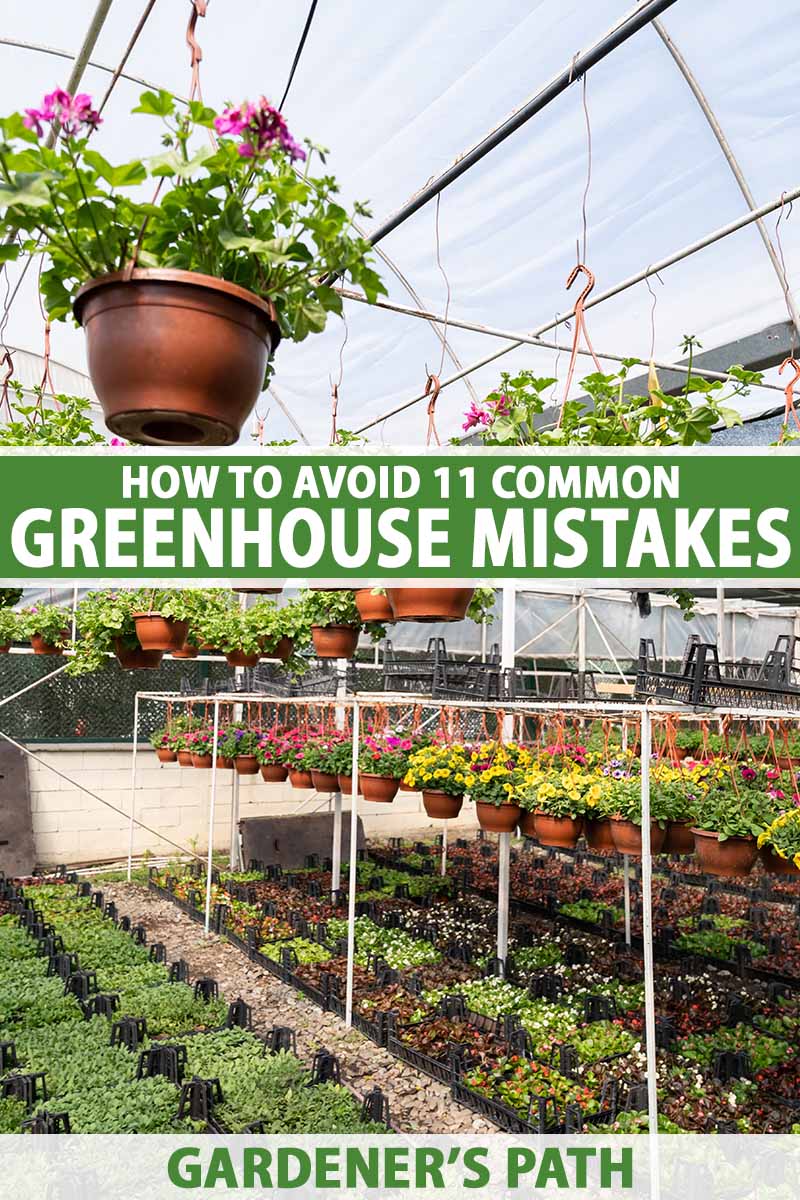
When considering where to place a greenhouse, it is crucial to identify locations that may hinder its efficiency and effectiveness in plant growth. Several factors contribute to the ideal placement, and avoiding specific areas can prevent issues associated with sunlight, temperature regulation, and accessibility.
Location with Limited Sunlight
A greenhouse thrives on natural light; thus, placing it in an area with limited sunlight is detrimental. Ensure that the chosen location receives ample sunlight throughout the day to support plant photosynthesis.
- Areas shaded by tall buildings or trees can drastically reduce light exposure.
- North-facing slopes or lower grounds may also experience restricted sunlight during certain seasons.
- Avoid overhanging structures such as roofs or awnings that could block light.
Flood-Prone Areas
Selecting a site prone to flooding can lead to excess moisture and root rot, causing plant health issues. Proper site evaluation is essential to avoid these problems and maintain a stable growing environment.
- Identify low-lying areas where water may accumulate during heavy rains.
- Research the local drainage patterns to ensure the greenhouse won't be affected by seasonal flooding.
- Don’t position a greenhouse near a river, pond, or other bodies of water that could overflow.
Windy Locations
Placing a greenhouse in a windy area can be detrimental to the structure and the plants inside. Excessive wind can lead to temperature fluctuations and physical damage to the greenhouse.
- Choose a site that is somewhat sheltered by natural barriers such as trees or shrubs.
- Avoid open fields or hilltops that are more susceptible to strong winds.
- Consider the potential impact of seasonal weather patterns that could lead to gusty conditions.
Uneven Terrain
Setting up a greenhouse on uneven or sloped terrain can create issues with stability and water drainage. Proper leveling of the ground is vital for evenly distributing water and ensuring structural integrity.
- Assess the site for any uneven ground, slopes, or inclines that may complicate setup.
- Be cautious of setting up in areas that may require extensive ground modification or leveling.
- Avoid locations where water may pool due to land contours, leading to potential flooding.
Inaccessible Areas
Choosing a location that is difficult to access can complicate maintenance and routine care of the greenhouse. Ensure that the site will allow easy entry for tools, plants, and other necessary equipment.
- Avoid positioning the greenhouse in remote corners of your property that might require extensive travel.
- Ensure accessibility for vehicles when transporting larger items or materials.
- Consider how close amenities, such as water sources and utilities, are to the intended location.
Questions from Our Readers
Can you have a greenhouse in your backyard?
Yes, you can have a greenhouse in your backyard, provided that you comply with local zoning laws and building codes. It's essential to check with your local government to ensure that there are no restrictions or regulations regarding the size and location of your greenhouse.
What factors should you consider when placing a greenhouse?
When placing a greenhouse, consider factors such as sunlight exposure, accessibility to water, and proximity to your home for convenient maintenance. Additionally, ensure that the location is protected from strong winds and has good drainage to prevent water from accumulating around the structure.
See also:
Do you need a permit to build a greenhouse in your backyard?
In many areas, you may need a permit to build a greenhouse, especially if it exceeds a certain size or if it is a permanent structure. Always check with your local authorities to determine whether a permit is required and what the application process entails.
What are the benefits of having a greenhouse?
Having a greenhouse offers numerous benefits, including the ability to extend your growing season, protect plants from harsh weather, and create a controlled environment for seedlings and delicate plants. It also allows for optimized growth conditions, resulting in healthier plants and potentially larger yields.
If you want to read more articles like Can You Have a Greenhouse in Your Backyard? Essential Tips and Considerations, we recommend you check out our Garden category.
Leave a Reply
Related Articles