Ultimate Guide: How to Prepare Ground for a Greenhouse? Tips and Techniques Explained

Building a greenhouse can be an exciting project for any gardening enthusiast, but the success of your greenhouse starts with proper ground preparation. In this ultimate guide, we'll delve into essential tips and techniques to ensure that your greenhouse sits on a solid, well-prepared foundation. From choosing the right location and soil type to effective drainage solutions and weed management, we'll cover everything you need to know to create an optimal growing environment. Whether you're a seasoned gardener or a beginner, these strategies will help you lay the groundwork for a thriving greenhouse and bountiful harvests.
How to Prepare Ground for a Greenhouse?
Preparing the ground for a greenhouse is a critical step in ensuring a productive growing environment. First, you should select a suitable location that receives ample sunlight and has good drainage. Clear the area of any debris, weeds, or existing plants. Next, you may need to test the soil to analyze its pH level and nutrient content; this will help you determine if amendments are necessary. The ideal soil for a greenhouse should be loose and well-aerated, allowing for proper root development and water retention. Finally, you can add organic matter such as compost or well-rotted manure to enrich the soil, enhancing its fertility and structure, making it perfect for your greenhouse plants.
Choosing the Right Location
Selecting the ideal location for your greenhouse is crucial. Look for a spot that gets at least 6 to 8 hours of direct sunlight daily, as this will optimize plant growth. Avoid areas with excessive shade from trees or buildings. Also, consider proximity to water sources for easy irrigation and accessibility. Proper air circulation is important, so choose a site that is not prone to waterlogging, as wet conditions can lead to root rot and other issues.
Soil Testing and Analysis
Conducting a soil test is essential to understand the nutrient composition and pH level of your garden soil. You can obtain a soil testing kit from a local gardening supply store or send a soil sample to a professional lab. The results will inform you if your soil is lacking in essential nutrients like nitrogen, phosphorus, or potassium, and whether you need to adjust the pH level to create a more suitable growing environment for your greenhouse plants.
Clear the Area
Before setting up your greenhouse, it is vital to clear the area where it will be placed. Remove any weeds, shrubs, or debris that may compete with your plants for nutrients and water. You can use a hoe, rake, or shovel to ensure the ground is completely level and free from obstacles. This step is essential to lessen the chances of pests and diseases invading your greenhouse and helps create a clean slate for planting.
Improving Soil Quality
Enhancing the quality of the soil is a crucial part of preparing ground for your greenhouse. You can improve soil structure by adding organic matter, such as compost or well-aged manure. This will enhance nutrient availability, increase beneficial soil organisms, and improve moisture retention capabilities. Mix the organic material into the top layer of soil to provide a rich environment for your plants to thrive.
Setting Up Proper Drainage
Proper drainage is vital in preventing waterlogging, which can harm your plants’ roots. To achieve this, consider building raised beds or incorporating gravel around the base of your greenhouse. A layer of coarse material under your topsoil can also facilitate drainage. Monitoring the water levels in the greenhouse will help you adjust your drainage system accordingly to maintain an optimal growing environment for your plants.
| Step | Description |
|---|---|
| Choosing Location | Select a sunny, accessible area with good air circulation and drainage. |
| Soil Testing | Test soil for nutrient content and pH level to determine necessary amendments. |
| Clear Area | Remove weeds, debris, and shrubs to create a clean planting environment. |
| Improve Soil | Add organic matter to enhance fertility and moisture retention. |
| Drainage Setup | Ensure proper drainage by building raised beds or incorporating gravel. |
What is the best base for a greenhouse?

The best base for a greenhouse depends on several factors, including the climate, the type of greenhouse, and personal preferences. The three most common types of foundations for greenhouses are concrete, gravel, and wood. Each has its benefits and drawbacks that can influence the effectiveness and longevity of the greenhouse structure.
Concrete Foundations
A concrete foundation is one of the most durable and stable options for a greenhouse. It provides excellent support and can withstand heavy winds and harsh weather conditions. Here are some reasons why concrete is a popular choice:
- Durability: Concrete can last for decades with little maintenance.
- Stability: This type of base offers a solid anchor, preventing the greenhouse from shifting or collapsing.
- Weed Prevention: A concrete slab can help minimize weed growth and keep the interior clean.
Gravel Bases
A gravel base is another common option for greenhouse foundations. It provides good drainage and can help maintain a stable environment for plants. The characteristics of a gravel base include:
- Excellent Drainage: Gravel allows for water to escape, reducing the risk of root rot in plants.
- Cost-Effectiveness: Generally, a gravel base is less expensive to set up than concrete.
- Easy Installation: It requires less labor and can be placed quickly compared to other foundation types.
Wooden Bases
A wooden base can be a more traditional and aesthetically pleasing option for those looking for a natural look. However, it requires more maintenance than concrete or gravel. The benefits and concerns of wood bases include:
- Natural Appearance: Wood can blend well with garden aesthetics, creating a visually appealing setup.
- Insulation Properties: Wood can provide some level of insulation, helping to regulate temperatures inside the greenhouse.
- Vulnerability: Wood is prone to rot and insect damage, necessitating regular inspection and maintenance.
Choosing the Right Base According to Climate
The climate in which the greenhouse will be installed plays a crucial role in deciding on the type of base. Here are some considerations:
See also:
- Regions with Heavy Rain: A concrete or gravel base is preferable to enhance drainage.
- Windy Areas: Concrete foundations offer better support against strong winds.
- Cold Climates: Wood bases may provide some insulation, but may require additional measures to prevent frost.
Budget Considerations
Your budget will significantly affect your choice of foundation. Here are some budget-related factors:
- Initial Costs: Concrete may be more expensive upfront compared to gravel.
- Long-term Costs: Consider potential maintenance costs over time for wood and gravel.
- DIY vs. Professional Help: Evaluating whether to install the base yourself or hire professionals can also impact your budget.
How to prepare floor for greenhouse?
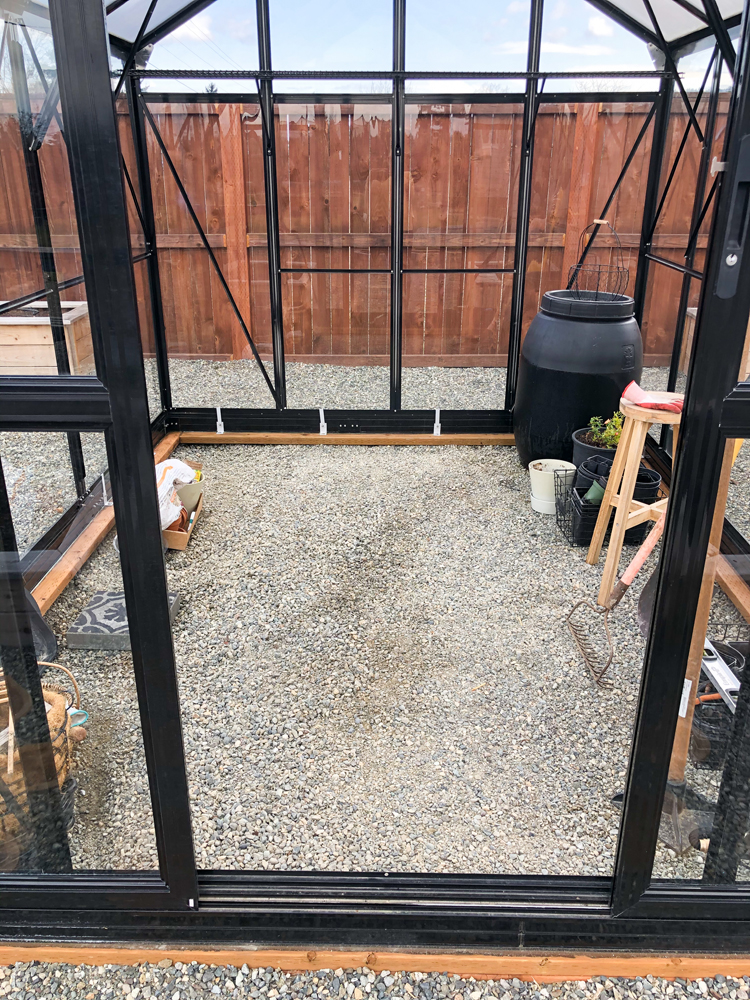
To prepare the floor for a greenhouse, there are several important steps to ensure a suitable environment for plant growth. The floor preparation is crucial as it affects drainage, accessibility, pest control, and overall greenhouse efficiency.
Assessing the Site
Before you lay down a floor in your greenhouse, it's essential to assess the site conditions. Evaluating the area will help you determine the best materials and methods for flooring.
- Check for drainage: Ensure that the site has proper drainage capabilities to prevent water accumulation.
- Inspect the soil type: Different soil types may require different approaches. Sandy soils drain well, while clay may retain too much water.
- Sunlight exposure: Consider how much sunlight the site receives to optimize plant growth.
Choosing the Right Flooring Material
Selecting the appropriate flooring material is vital for maintaining a sustainable greenhouse environment. The choice should be based on durability and function.
- Concrete: This is a popular choice as it provides a solid, stable base that is easy to clean and maintain.
- Gravel: Useful for its drainage properties and ease of installation, though it may require more regular maintenance.
- Tiles or Pavers: These materials can add aesthetic value and can be easy to replace if damaged.
Preparing the Ground
Once you've chosen the flooring material, the next step is to prepare the ground. This step is critical to ensure that the flooring is level and stable.
- Clear the area: Remove any vegetation, debris, or rocks to create a clean workspace.
- Level the ground: Use a shovel or rake to level the surface to promote even drainage.
- Compact the soil: Compact the soil to create a stable base that can support the flooring material without settling.
Installing the Floor
After the ground is adequately prepared, you can commence the installation of your chosen flooring material. This is where your greenhouse begins to take shape.
- Lay the flooring material: Follow the specific installation guidelines for your chosen material, ensuring consistent spacing and alignment.
- Ensure proper drainage: If applicable, ensure that the flooring allows for adequate drainage without hindering accessibility.
- Finish the edges: Trim and finish edges to prevent any material from shifting or breaking.
Maintenance and Upkeep
After installation, ongoing maintenance is essential for prolonging the life of your greenhouse floor and ensuring a healthy environment for plants.
- Regular cleaning: Keep the floor free from debris and weeds to prevent pest infestations.
- Inspect for damage: Regularly check for cracks or wear that may require immediate attention.
- Adjust drainage as needed: Monitor how water moves across the floor and adjust the drainage system if issues arise.
What kind of floor is best for a greenhouse?
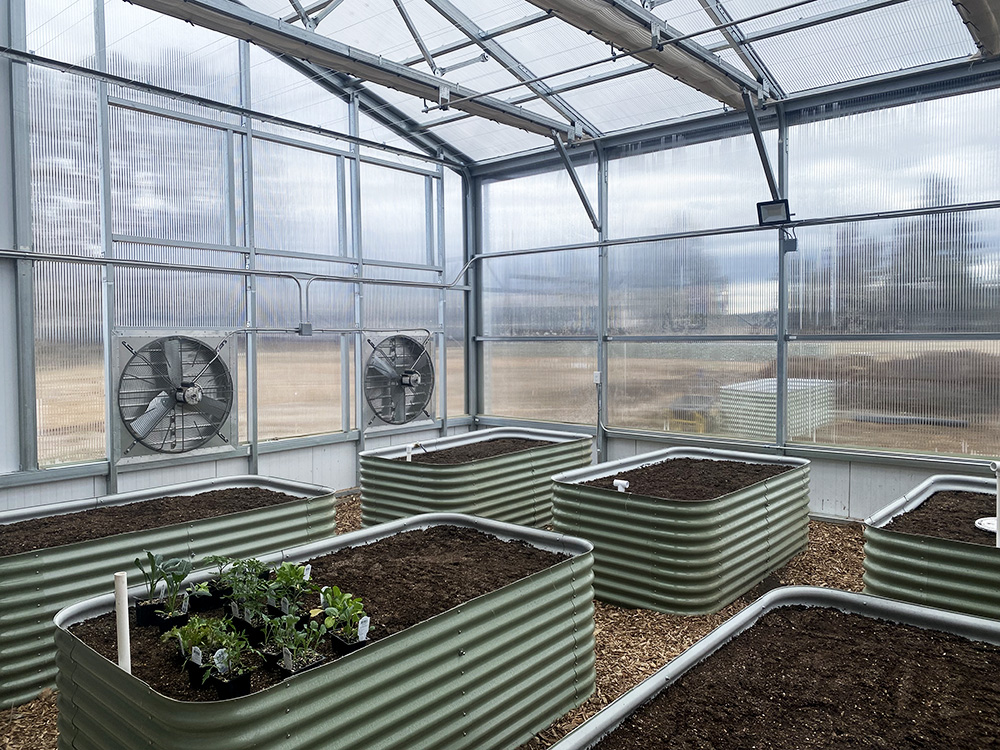
To determine the best flooring for a greenhouse, several factors must be considered, including drainage, insulation, ease of maintenance, and cost. The ideal floor should support plant growth while also providing a durable surface that minimizes weed growth and maintains a stable environment. Here are some commonly recommended options:
Concrete Floors
Concrete is one of the most popular choices for greenhouse flooring due to its durability and low maintenance. It provides a solid surface that can withstand heavy loads and offers excellent drainage when sloped correctly. Additionally, its thermal mass helps to regulate temperature, keeping the greenhouse warm in cooler months.
- Durability: Concrete can endure heavy equipment and foot traffic.
- Weed Control: The solid surface prevents weed growth.
- Temperature Regulation: Concrete retains heat, enhancing the greenhouse climate.
Tile Floors
Tile can be an aesthetic and functional flooring option for greenhouses. It is available in various materials, including ceramic and porcelain, which can withstand moisture and temperature variations. Tiles are easy to clean and can be designed for both utility and style.
- Variety: Tiles come in numerous colors and patterns.
- Easy Maintenance: A simple wipe-down keeps tiles clean.
- Water Resistance: Tiles repel moisture, reducing mold growth.
Gravel or Crushed Stone Floors
Gravel or crushed stone flooring is an affordable and effective option that promotes excellent drainage. This type of flooring allows water to flow freely away from the greenhouse, preventing issues with standing water. Additionally, gravel can offer a natural aesthetic while providing a stable surface.
See also:
- Excellent Drainage: Gravel allows for water to penetrate effectively.
- Cost-effective: Gravel is generally cheaper than concrete or tiles.
- Natural Look: It blends well with outdoor environments.
Wooden Floors
Wooden flooring can provide a warm and natural look for greenhouses, although it typically requires more maintenance than other options. Treated wood can resist moisture and decay, making it a viable choice for certain greenhouse environments. However, wooden floors may warp over time.
- Aesthetic Appeal: Wood adds warmth and style to the space.
- Natural Insulation: Wood helps maintain a stable temperature.
- Comfort: It provides a comfortable working surface.
Rubber Flooring
Rubber flooring is another alternative that offers a combination of safety and durability. This type of flooring is often used in professional greenhouses because it provides a non-slip surface and is resistant to mold and mildew. Additionally, rubber flooring can be softer underfoot and helps with insulation.
- Non-slip Surface: Reduces the risk of falls and injuries.
- Moisture Resistance: Rubber does not absorb water, preventing mold.
- Comfort: Soft underfoot, making long hours easier on the feet.
How to create a base for a greenhouse?

To create a base for a greenhouse, it is essential to establish a strong and stable foundation that can support the structure while ensuring optimal growth conditions for plants. The following steps outline the process of building a greenhouse base effectively.
Choosing the Right Location
Selecting an ideal location is crucial for the success of your greenhouse. Consider these factors when choosing a spot:
- Sunlight: Ensure that the location receives ample sunlight throughout the day, allowing for the optimal growth of plants.
- Drainage: Assess the drainage of the area to avoid waterlogging, which can damage plants and the greenhouse structure.
- Accessibility: Choose a site that is easily accessible for maintenance, watering, and harvesting.
Gathering Materials
Once you've selected the location, gather the necessary materials for building the greenhouse base. Common materials include:
- Concrete blocks or bricks: For a sturdy foundation that can withstand different weather conditions.
- Wooden beams or treated lumber: To create a frame or base if you're opting for a wooden foundation.
- Gravel or crushed stone: To improve drainage and provide a solid surface beneath the greenhouse.
Preparing the Ground
Before constructing the base, prepare the ground adequately:
- Clearing the area: Remove grass, weeds, and debris from the chosen location to create a clean workspace.
- Leveling the ground: Use a rake and shovel or a leveling tool to ensure the ground is flat, as uneven surfaces can affect the greenhouse structure.
- Measuring the dimensions: Mark the planned size of the greenhouse to ensure accurate placement of the base materials.
Building the Base
With the ground prepared, you can start building the base:
- Laying the foundation: Depending on your choice of material, lay concrete blocks or form a wooden frame, ensuring it is level and square.
- Securing the base: Use a level to check that all parts are even and add gravel or crushed stone to enhance drainage beneath the structure.
- Reinforcing if necessary: Add additional support features if required, especially for larger greenhouses or those in windy areas.
Finishing Touches
After constructing the base, it’s time to make finishing improvements:
- Sealing joints: Ensure all joints in the base are well-sealed to protect against pests and moisture intrusion.
- Adding a weed barrier: Consider placing a geotextile fabric or similar material to prevent weed growth while allowing water to drain.
- Checking stability: Walk around the structure to confirm its stability and make adjustments if necessary.
Questions from Our Readers
What is the first step in preparing the ground for a greenhouse?
To prepare the ground for a greenhouse, the first step is to select a suitable location that offers adequate sunlight and protection from harsh winds. After that, you’ll need to clear the area of any debris, grass, or weeds to create a clean and flat surface for your greenhouse foundation.
How do I ensure proper drainage for my greenhouse foundation?
Proper drainage is crucial for greenhouse health; to ensure this, you should check the soil for water retention issues and consider grading the land to promote runoff. Additionally, adding drainage pipes or gravel can help prevent water accumulation around the greenhouse foundation.
Should I test my soil before building a greenhouse?
Yes, testing your soil is highly recommended before building a greenhouse. This allows you to assess its pH levels and nutrient content, which are essential for determining if any amendments are needed to support the growth of your plants effectively.
What materials are recommended for leveling the ground?
To level the ground for a greenhouse, you can use a combination of sand, gravel, or topsoil. These materials help create a uniform surface; using a leveling tool ensures that the area is flat and stable for the greenhouse structure.
See also:

If you want to read more articles like Ultimate Guide: How to Prepare Ground for a Greenhouse? Tips and Techniques Explained, we recommend you check out our Garden category.
Leave a Reply
Related Articles