What is the Best Crop to Grow After Garlic? Top Recommendations for Successful Rotation

After harvesting garlic, selecting the right crop for the following planting season is crucial for maintaining soil health and maximizing yields. Crop rotation plays a vital role in sustainable farming practices, as it helps break pest cycles, prevents nutrient depletion, and enhances soil structure. However, not all crops are suitable to follow garlic in the rotation schedule. In this article, we will explore the best crops to grow after garlic, highlighting top recommendations that can thrive in the nutrient-rich soil left behind. By understanding the benefits of proper rotation, you can ensure a successful and productive growing season.
What is the Best Crop to Grow After Garlic?
Growing garlic can be a rewarding endeavor, and selecting the next crop to plant is crucial for maintaining soil health and maximizing yield. Legumes, such as clovers and peas, are often recommended as the best crops to follow garlic. These plants are known for their ability to fix nitrogen in the soil, which helps to replenish the nutrients that garlic may have depleted during its growth cycle. Additionally, legumes can improve soil structure and promote beneficial microbial activity, making the garden more productive for future crops.
Benefits of Planting Legumes
Legumes play a vital role in sustainable agriculture by enhancing soil fertility through the process of nitrogen fixation. This natural process allows legumes to convert atmospheric nitrogen into a form accessible to plants, thereby improving nutrient availability. Moreover, planting legumes after garlic can contribute to a more balanced crop rotation, reducing the risk of disease and pest accumulation in the soil.
Alternative Crops: Brassicas
Another excellent choice following garlic are Brassicas like broccoli, cabbage, and kale. These crops tolerate the same soil conditions as garlic and can benefit from the nutrient-rich environment left by the garlic's growth. However, it's essential to monitor for potential diseases, as some Brassicas can harbor pests related to garlic, requiring careful observation and management.
Soil Condition and Crop Rotation
Implementing a proper crop rotation plan is crucial for maintaining soil health. After garlic, transitioning to crops in different families or types can reduce the likelihood of soil-borne diseases and nutrient depletion. It's advisable to wait at least a couple of years before planting allium family crops (like onions and leeks) in the same soil, ensuring a healthier crop yield through diversity.
Companion Planting with Garlic
Companion planting can also enhance the success of subsequent crops. For instance, planting basil or marigolds alongside legumes can repel harmful pests and attract beneficial insects. The companion plants can share similar moisture and light requirements, making them ideal neighbors after garlic, thereby improving garden ecosystem dynamics.
Creating a Planting Schedule
A well-structured planting schedule is key to maximizing the benefits of following garlic with appropriate crops. After harvesting garlic, it’s advisable to assess soil nutrients, prepare beds, and sow leguminous crops promptly. Most legumes can be planted shortly after garlic, ensuring that the growing season is utilized effectively to maintain continuous soil cover and productivity.
| Crop | Benefits | Planting Time |
|---|---|---|
| Legumes | Nitrogen fixation | Immediately after garlic harvest |
| Brassicas | Soil compaction alleviation | 3-4 weeks after garlic harvest |
| Companion Plants | Pest control, soil enrichment | Alongside main crops |
What is the best order for crop rotation?

The best order for crop rotation depends on various factors such as soil health, pest management, and the types of crops being cultivated. A systematic approach to crop rotation can improve soil fertility, reduce pest and disease pressure, and enhance overall yields. Here is a recommended order:
1. Legumes: Start with nitrogen-fixing crops like peas and beans. They enhance soil fertility and provide essential nutrients for subsequent crops.
2. Leafy Greens: Follow with leafy crops such as lettuce, spinach, and Swiss chard. These crops benefit from the enriched soil and can deplete different soil nutrients compared to legumes.
3. Root Vegetables: Next, go for root vegetables such as carrots, onions, and beets. These crops further diversify nutrient uptake and help aerate the soil.
4. Fruiting Crops: End the cycle with fruiting crops, such as tomatoes, peppers, and eggplants, which generally require more nutrients and benefit from the diverse nutrient profiles created by previous crops.
Following this sequence helps maintain a balanced soil ecosystem and minimizes pest and disease cycles.
See also:
The Importance of Legumes in Crop Rotation
Legumes play a crucial role in enhancing soil health through their ability to fix atmospheric nitrogen. This process enriches the soil, making it more fertile for subsequent crops. The benefits of incorporating legumes include:
- Nitrogen Fixation: Legumes convert nitrogen gas into a form usable by plants.
- Soil Structure Improvement: Their root systems help improve soil organic matter and structure.
- Pest Management: The presence of legumes can interrupt pest life cycles, reducing infestations.
Diversity with Leafy Greens
Following legumes with leafy greens adds another layer to crop rotation, promoting biodiversity and improving overall soil health. Leafy greens are quick-growing, and their requirements can help balance nutrient uptake. The advantages include:
- Rapid Growth: These crops grow quickly, allowing for multiple harvests in a single season.
- Nutrient Uptake: They use different nutrients than legumes, helping maintain soil balance.
- Weed Suppression: Dense foliage can help shade out weeds and reduce their competition with crops.
Benefits of Incorporating Root Vegetables
Integrating root vegetables into the rotation helps with soil aeration and additional nutrient absorption. Root crops can access deeper soil levels and bring nutrients closer to the surface. The benefits include:
- Soil Aeration: Their growth helps break up compacted soil layers.
- Mineral Uptake: Roots tap into deep nutrients, making them available to subsequent crops.
- Pest Diversification: Different growing cycles can disrupt pest populations and decrease diseases.
Maximizing Yields with Fruiting Crops
Fruiting crops are often the final step in crop rotation due to their high nutrient demands. This stage maximizes the benefits of the previous crops. Key advantages include:
- High Nutrient Requirement: Fruiting plants require significant nutrients, benefiting from the enriched soil.
- Disease Resistance: Rotating with previous crops can help maintain lower disease pressures.
- Market Demand: Many fruiting crops have high market value, making them economically advantageous.
Factors to Consider in Crop Rotation
When planning crop rotation, several factors should be considered for optimal results. These factors include climate, soil type, and specific pest issues. Points to keep in mind are:
- Climate Suitability: Choose crops that can thrive in the local climate conditions.
- Soil Type: Different soils have varying nutrient profiles; select crops accordingly.
- Pest and Disease History: Rotate crops to disrupt pest cycles and prevent disease buildup.
What should you do after harvesting garlic?
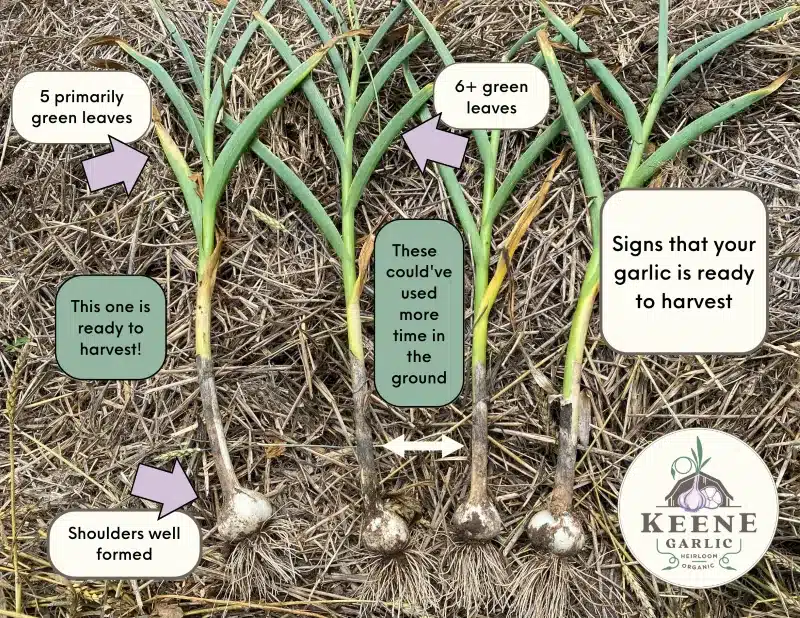
After harvesting garlic, there are several important steps to ensure its quality and longevity. Proper post-harvest handling can significantly affect the taste and shelf life of the garlic. Here’s what you should do:
1. Cleaning the Garlic
Cleaning garlic involves removing any excess soil from the bulbs. This helps prevent mold and rot during the curing process.
- Gently shake off the soil from the bulbs.
- Avoid using water to clean, as this can introduce moisture.
- Inspect each bulb for damage and discard any that are moldy or soft.
2. Curing the Garlic
Curing is crucial for enhancing the flavor and promoting long-term storage. This process allows the skins to dry and toughen up.
- Hang garlic in a cool, dry, and well-ventilated area.
- Ensure the bulbs are not exposed to direct sunlight.
- Leave garlic to cure for about 2 to 4 weeks depending on humidity levels.
3. Trimming and Sorting
After curing, it’s time to prepare the garlic for storage. Trimming helps maintain its quality and appearance.
- Cut the roots off, being careful not to damage the bulb.
- Trim the stalks to about 1 inch above the bulb.
- Sort the garlic into categories: larger bulbs for cooking and smaller ones for planting.
4. Storing the Garlic
Proper storage is essential to prolong the garlic's freshness. There are different methods depending on the type of garlic and its intended use.
See also:
- Store cured garlic in a cool, dark place with good airflow.
- Avoid storing garlic in plastic bags; instead, use mesh bags or baskets.
- For long-term storage, consider freezing or pickling garlic.
5. Keeping an Eye on Your Garlic
Regular checks on stored garlic can help you catch any problems early. This ensures you're consuming only the best quality garlic.
- Check for any signs of sprouting or softening.
- Remove any bulbs that show signs of decay.
- Monitor the storage environment for temperature and humidity.
Can you plant garlic in the same place every year?

Yes, you can plant garlic in the same place every year, but it is not recommended due to potential issues that may arise. Planting garlic in the same location continuously can lead to a buildup of soil-borne diseases, deficiencies in essential nutrients, and reduced overall yield. For optimal growth and health of garlic plants, it is advisable to practice crop rotation.
Importance of Crop Rotation
Crop rotation plays a crucial role in maintaining soil health and preventing the spread of diseases. By alternating the types of crops grown in a particular area, you can:
- Avoid soil-borne diseases: Certain diseases can thrive when the same plant family is grown repeatedly in the same location.
- Improve soil fertility: Different plants contribute various nutrients to the soil, enhancing its overall quality.
- Control pests: Pests that target garlic can build up over time; changing crops disrupts their life cycles.
Potential Problems of Planting Garlic in the Same Spot
When garlic is planted in the same spot each year, several problems can occur:
- Disease accumulation: Repeated planting can lead to fungal infections like white rot and downy mildew.
- Nutrient depletion: Garlic requires specific nutrients; continuous growth can deplete these from the soil.
- Reduced yields: Overall yield may decline due to poor soil health and increased competition from pathogens.
Best Practices for Garlic Planting
To achieve healthy garlic growth and optimal yield, consider the following best practices:
- Rotate crops annually: Change the planting site of garlic at least every two years to prevent disease.
- Incorporate cover crops: Use cover crops in off-seasons to improve soil structure and add nutrients.
- Test soil health: Regularly test soil for pH and nutrient levels to monitor and manage soil health effectively.
Companion Planting with Garlic
Companion planting can enhance garlic growth and deter pests. Choosing the right plants can lead to better results:
- Planting with roses: Garlic can help protect roses from aphids and other pests.
- Combining with tomatoes: Garlic can improve the health and flavor of tomatoes while repelling harmful insects.
- Enhancing peppers: Peppers grown near garlic may benefit from the pest-repelling properties of garlic.
Signs That Indicate Garlic Needs a New Location
If you are debating whether to plant garlic in the same spot, watch for these signs:
- Stunted growth: If garlic plants appear smaller or weaker, it may indicate nutrient deficiencies or diseases.
- Increased disease incidence: A rise in fungal or insect problems can signal that the site is no longer suitable for garlic.
- Poor yields: A significant drop in harvest size compared to previous years suggests a need for rotation.
Questions from Our Readers
What is the best crop to grow after garlic?
Growing beans is often considered the best option after garlic. Beans help to fix nitrogen in the soil, improving its fertility for the next planting season, and they also promote healthier soil conditions.
Can I plant vegetables after harvesting garlic?
Yes, many vegetables can be planted after garlic. Some good options include lettuce, spinach, and kale, as these crops can thrive in the same conditions that garlic previously occupied.
What should I avoid planting after garlic?
It's best to avoid planting onions and other alliums after garlic, as they belong to the same family and may be susceptible to similar pests and diseases that could affect both crops.
See also:
How long should I wait to plant after harvesting garlic?
Typically, you should wait about 2 to 4 weeks after harvesting garlic before planting a new crop. This break allows the soil to recover and for any residual pests or diseases to diminish, ensuring better health for your next plants.

If you want to read more articles like What is the Best Crop to Grow After Garlic? Top Recommendations for Successful Rotation, we recommend you check out our Garden category.
Leave a Reply
Related Articles