How Often Should I Top Dress My Vegetable Garden? Key Tips for Optimal Growth

Maintaining a thriving vegetable garden requires attention to various factors, and one of the most critical is top dressing. This technique involves applying a layer of organic material or compost to the soil's surface, enhancing its fertility and structure over time. However, many gardeners find themselves uncertain about how frequently they should top dress their vegetable gardens for optimal growth. In this article, we'll explore the key considerations for determining the right timing and frequency of top dressing, as well as tips to ensure your plants receive the nutrients they need to flourish. Discover how to elevate your gardening game effectively!
How Often Should I Top Dress My Vegetable Garden?
Top dressing your vegetable garden is a crucial aspect of maintaining healthy soil and promoting plant growth, and the frequency can depend on various factors. Generally, it is recommended to top dress your vegetable garden at least once or twice a year, usually in the spring and fall. This timing allows the soil to receive a fresh layer of organic matter and nutrients, enhancing soil structure, moisture retention, and microbial activity. However, heavy-feeding vegetables may require more frequent applications, especially if you're noticing declined plant health or poor nutrient availability. Observing your garden's specific needs based on plant types and soil conditions will guide you in determining the optimal frequency for top dressing.
Benefits of Top Dressing
Top dressing offers numerous benefits to your vegetable garden, including improved nutrient availability, enhanced soil structure, and increased water retention. By adding a layer of organic matter, such as compost or aged manure, you not only supply essential nutrients but also promote the activity of beneficial soil microbes. This process helps build a healthy soil ecosystem, making your plants more resilient to pests and diseases.
Signs That Your Garden Needs Top Dressing
Look for specific signs that indicate your vegetable garden may need top dressing. If you notice compacted soil, poor drainage, or stunted plant growth, it's time to consider adding a fresh layer. Additionally, a decline in yield or the presence of weeds may suggest that your garden is lacking vital nutrients. Regular soil testing can also help identify deficiencies that could be rectified through top dressing.
Types of Materials for Top Dressing
The materials you choose for top dressing can significantly affect its effectiveness. Organic options include well-decomposed compost, aged manure, and leaf mold, all of which enrich the soil. Conversely, inorganic materials, like rock phosphate or greensand, can be beneficial if you are aiming to supply specific minerals. Always ensure that any materials used are suitable for vegetables to avoid introducing harmful substances.
How to Apply Top Dressing
Applying top dressing is straightforward and can be accomplished easily. Begin by removing any weeds or debris from the surface of your garden beds. Then, spread a layer of the chosen top dressing material evenly over the soil, typically about 1 to 2 inches thick. Be careful not to cover the plant bases, as this can lead to rot. Finally, gently incorporate the top dressing into the soil using a rake or cultivator, allowing nutrients to penetrate deeper.
Frequency Based on Plant Type
Different vegetables have varying nutrient requirements, which can affect how often you should top dress. For instance, heavy feeders like tomatoes and cucumbers may benefit from more frequent applications, such as every 4 to 6 weeks during the growing season. On the other hand, lighter feeders may only require top dressing once or twice a season. Monitoring the specific needs of your plants is vital to optimizing top dressing frequency.
| Plant Type | Top Dressing Frequency |
|---|---|
| Heavy Feeders (e.g., tomatoes) | Every 4-6 weeks |
| Moderate Feeders (e.g., peppers) | Every 6-8 weeks |
| Light Feeders (e.g., lettuce) | Once or twice a season |
How often should you top dress plants?
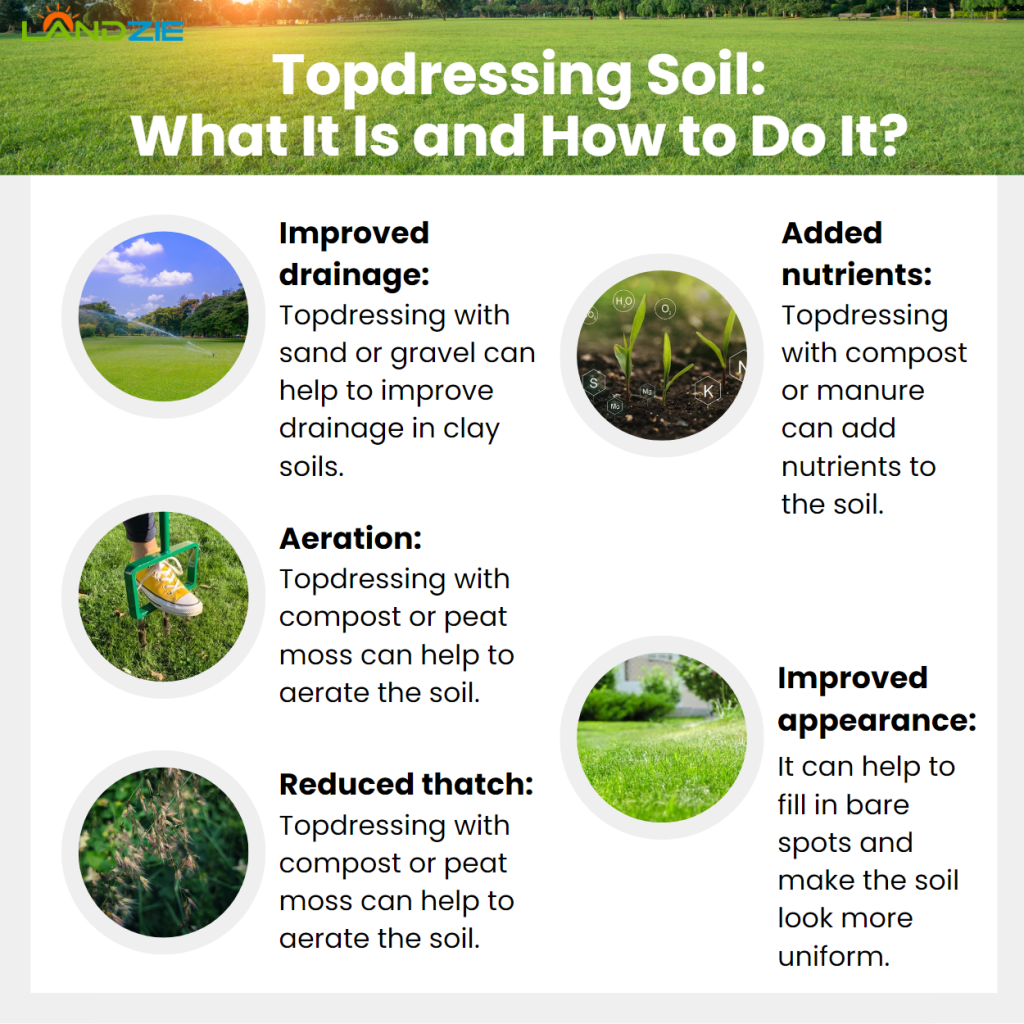
When it comes to top dressing plants, the frequency largely depends on several factors such as the type of plants, the growing medium, and environmental conditions. Generally, a top dressing can be applied every 2 to 3 months during the growing season, which typically spans from spring to early fall. However, it is essential to monitor the plants' health and the soil's nutrient levels to determine the exact timing for your specific situation.
Understanding Top Dressing
Top dressing refers to the practice of adding a layer of organic or inorganic material on the surface of the soil. This method is used to enhance soil quality, retain moisture, and suppress weeds. Understanding the function of top dressing can help you make informed decisions about frequency and materials used.
- Soil Nutrient Levels: Testing your soil can indicate how much additional nutrition your plants may need.
- Plant Growth Stages: Different stages of plant growth may require more or less frequent top dressing.
- Environmental Conditions: Factors such as humidity and temperature can affect how quickly nutrients are depleted from the soil.
Types of Materials for Top Dressing
The materials used for top dressing can vary significantly and may affect how often you should apply them. Common materials include compost, aged manure, mulch, and synthetic fertilizers. Each type has its nutrient profile and benefits.
- Compost: Rich in organic matter, it can be applied more frequently due to its slow-release nutrients.
- Aged Manure: Provides essential nutrients but should be used sparingly to avoid over-fertilization.
- Mulch: While not a fertilizer, it helps retain soil moisture and may need replenishment every season.
Signs Your Plants Need Top Dressing
Observing your plants is crucial to determine when they need additional nutrients. Signs might include yellowing leaves, stunted growth, or poor flowering. Being attuned to these signals can guide your decisions on top dressing frequency.
- Yellowing Leaves: Often a sign of nutrient deficiency, indicating the need for top dressing.
- Stunted Growth: If plants stop growing, it might be time to refresh the soil nutrients.
- Poor Flowering: For flowering plants, a lack of blooms can indicate the need for added nutrients.
Environmental Factors Affecting Top Dressing Frequency
Environmental conditions such as temperature, rainfall, and humidity play a significant role in how often you should top dress. Understanding these factors can help optimize the nutrient availability in your plants.
See also:
- Hot and Dry Weather: Nutrients can leach from the soil faster, leading to a need for more frequent top dressing.
- Wet Conditions: More frequent rainfall can dilute soil nutrients, making top dressing necessary.
- Humidity Levels: High humidity can cause faster decomposition of organic materials, necessitating replenishment sooner.
Best Practices for Top Dressing
Implementing best practices in top dressing helps ensure that your plants receive the right nutrients at the right time. This includes choosing the right materials and knowing how much to apply.
- Layer Thickness: Apply a thin layer (1-2 inches) to avoid smothering the plants.
- Even Distribution: Ensure even coverage to maximize nutrient uptake and avoid 'hot spots' of fertilizer.
- Monitor Plant Health: Regularly check plant health to decide if adjustments in frequency or materials are required.
How often should I add fertilizer to my vegetable garden?
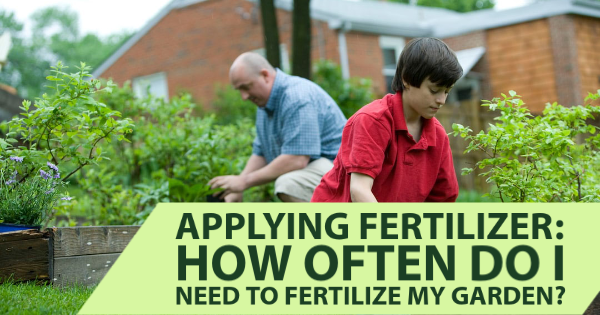
The frequency of adding fertilizer to your vegetable garden mainly depends on the type of fertilizer you use, the growth stage of your plants, and the specific nutrient needs of different vegetables. Generally, you should fertilize your vegetable garden:
1. At planting time: Incorporate fertilizer into the soil before planting.
2. Every 4 to 6 weeks: For fast-growing plants, apply a diluted liquid fertilizer every 4-6 weeks during the growing season.
3. As needed based on soil tests: Regularly test your soil to determine if additional nutrients are necessary.
Understanding Different Fertilizer Types
Different types of fertilizers offer varying benefits. Understanding these can help you decide how often to apply them.
- Granular Fertilizers: Often last longer and release nutrients gradually. Typically, apply at planting and again halfway through the growing season.
- Liquid Fertilizers: Quick-acting; best used every 4 to 6 weeks. Ideal for addressing nutrient deficiencies quickly.
- Organic Fertilizers: Slow-release options that improve soil health and biomass; often applied less frequently, about once per season.
Signs Your Vegetables Need Fertilization
It's essential to monitor your plants for signs indicating they may require fertilization.
- Pale Leaves: Indicates a nutrient deficiency, often nitrogen, prompting the need for a fertilizer boost.
- Stunted Growth: If your plants aren’t growing as expected, they may not be receiving enough nutrients.
- Low Production: Fewer fruits or vegetables than expected can signal a need for added nutrients.
The Best Time to Fertilize
When you apply fertilizer can greatly influence its effectiveness.
- Pre-Planting: Prepare your garden by mixing in fertilizers to enhance nutrient content before planting.
- During Active Growth: Nutrient demand rises as plants grow; therefore, mid-season applications are beneficial.
- Post-Harvest: Some gardeners apply a light fertilizer after harvest to replenish nutrients in the soil for future crops.
Benefits of Soil Testing
Conducting a soil test can provide valuable insights into nutrient availability.
- Tailored Fertilization: Soil tests help identify specific nutrient deficiencies, allowing for targeted applications.
- Prevent Over-Fertilization: Avoid unnecessary applications that could harm plants or the environment.
- Improved Soil Health: Understanding nutrient levels promotes better long-term soil management.
Organic vs. Synthetic Fertilizers
Choosing between organic and synthetic fertilizers will impact application frequency and method.
- Organic Fertilizers: Release nutrients slowly, requiring less frequent application.
- Synthetic Fertilizers: Provide immediate nutrient availability but may require more frequent applications to maintain levels.
- Combination Approaches: Many gardeners utilize both types, applying organic fertilizers less frequently and synthetic as needed.
How often should you top dress greens?
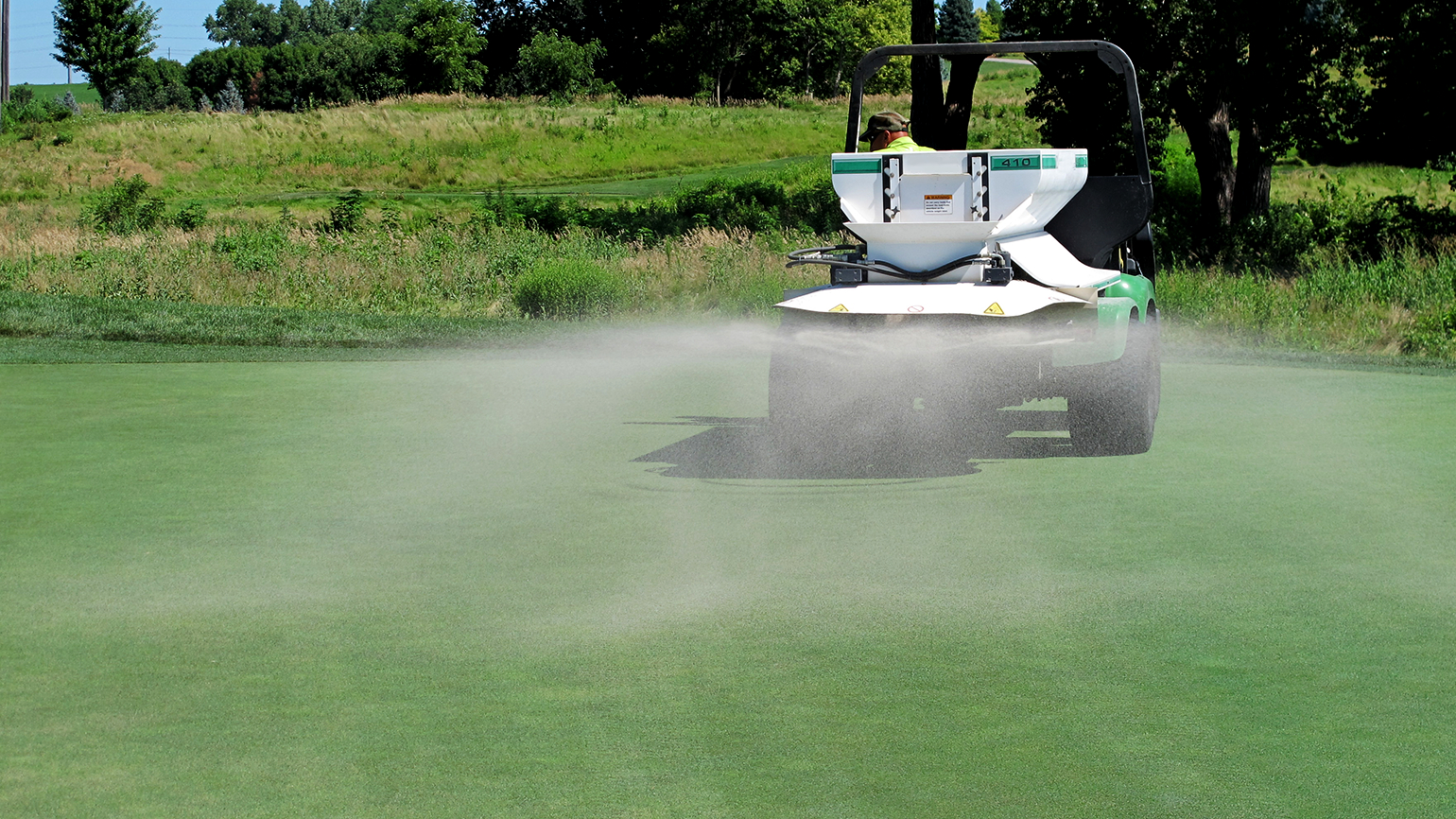
To effectively maintain a healthy lawn, the frequency of top dressing your greens is pivotal. Generally, top dressing is recommended 1 to 3 times a year, depending on the specific conditions of your lawn, the grass type, and your overall maintenance strategy. The key factors include the desired outcome, growth rate of your grass, and environmental conditions. Here’s a breakdown of how often you should top dress and what to consider:
Understanding Top Dressing
Top dressing involves applying a thin layer of organic material, such as compost or soil, on the surface of your lawn. This practice:
- Improves Soil Health: Adds nutrients and microorganisms beneficial for grass.
- Enhances Drainage: Aids in managing water retention and reduces runoff.
- Increases Lawn Resilience: Strengthens the grass's root structure and overall health.
Frequency Based on Grass Type
Different types of grass have unique growth patterns and nutrient needs. Typical recommendations include:
See also:
- Cool-Season Grasses: These can benefit from top dressing in early spring and fall.
- Warm-Season Grasses: Best top dressed in late spring and summer when they are actively growing.
- Fine Fescues and Bentgrass: May require more frequent top dressing to maintain consistency.
Seasonal Considerations
Seasonal changes profoundly affect the grass's growth and recovery. Consider the following:
- Spring: This is an ideal time for top dressing to help grass recover after winter.
- Summer: Top dressing can be done to alleviate heat stress, especially during prolonged drought.
- Fall: Another excellent opportunity for rejuvenation and preparation for winter.
Soil Quality Assessment
Before top dressing, it is essential to assess the quality of your lawn's soil. Important considerations include:
- pH Levels: Optimal pH should be between 6.0 and 7.0; this impacts nutrient availability.
- Soil Compaction: If the soil is compacted, more frequent applications may be required.
- Nutrient Deficiencies: Testing for nitrogen, phosphorus, and potassium can guide top dressing frequency.
Weather Conditions
Weather significantly impacts when and how often to top dress. Key factors to keep in mind include:
- Rainfall: More frequent top dressing may be needed in dry conditions.
- Temperature: Avoid top dressing in extreme heat to minimize stress on the grass.
- Humidity: High humidity levels favor fungal diseases; balance the timing of applications.
How often should I side dress tomatoes?

To ensure healthy growth and maximize the yield of your tomato plants, side dressing is an essential gardening practice. The frequency of side dressing tomatoes generally depends on the growth stage of the plants and the soil fertility. It is typically recommended to side dress tomatoes every 4 to 6 weeks throughout the growing season, starting about 4 weeks after transplanting.
Understanding the Growth Stages of Tomatoes
Understanding the different growth stages of tomato plants can help you determine the best timing for side dressing.
- Seedling Stage: This is the first few weeks after transplanting. Fertilizing is usually minimal.
- Vegetative Stage: Around 4 to 6 weeks post-transplant, side dressing helps boost foliage growth.
- Flowering and Fruiting Stage: As flowers appear and fruit starts to set, additional nutrients are crucial.
Choosing the Right Fertilizer for Side Dressing
Selecting the appropriate fertilizer is vital for effective side dressing, as it provides the necessary nutrients that might be lacking in the soil.
- Types of Fertilizers: Use a balanced fertilizer such as 10-10-10, or one specifically formulated for tomatoes.
- Organic Options: Consider using compost, fish emulsion, or well-rotted manure for healthier plants.
- Application Rate: Follow the manufacturer's instructions to avoid over-fertilization which can harm the plants.
Signs Your Tomatoes Need Nutrients
Recognizing the signs that your tomato plants need nutrients can help you time your side dressing effectively.
- Pale Leaves: Yellowing leaves can indicate a nitrogen deficiency.
- Slow Growth: Stunted growth can suggest the need for additional nutrients.
- Blossom Drop: High nitrogen levels or a lack of potassium can lead to early flower drop.
The Importance of Soil Testing
Conducting a soil test before you apply fertilizers can help determine what nutrients are lacking in your garden bed.
- Nutrient Levels: Identify if nitrogen, phosphorus, or potassium levels are low.
- pH Balance: Ensures that nutrients are available to plants; ideal pH for tomatoes is between 6.0 and 6.8.
- Tailor Your Fertilizer: Based on the results, tailor your side dressing to meet your tomatoes’ specific needs.
Timing and Method of Application
The timing and method for side dressing can significantly impact the effectiveness of nutrient delivery to the tomato plants.
- Timing: Apply side dressing in the morning or late afternoon to avoid burning the plants.
- Placement: Distribute the fertilizer around the base of the plants, approximately 6 inches away from the stems.
- Watering: Water the plants thoroughly after applying the fertilizer to help nutrients penetrate the soil.
Questions from Our Readers
How often should I top dress my vegetable garden?
To maintain optimal soil health, it's recommended to top dress your vegetable garden at least once or twice a year. This process helps replenish essential nutrients, improves soil structure, and enhances water retention.
What materials can I use for top dressing?
You can use a variety of materials for top dressing, including compost, well-rotted manure, or a specialized garden mix. These options not only provide nutrients but also improve the microbial activity in the soil.
Is there a best time of year for top dressing?
The best times to top dress are in the spring or fall. In the spring, it helps to prepare the soil for the growing season, while in the fall, it can improve nutrient availability as the soil rests during the winter months.
See also:
Can I overdo top dressing?
Yes, overdoing top dressing can lead to nutrient imbalances and affect plant growth. It's important to apply an appropriate amount, ensuring the layer is about 1 to 2 inches thick to promote healthy plant development without suffocating roots.
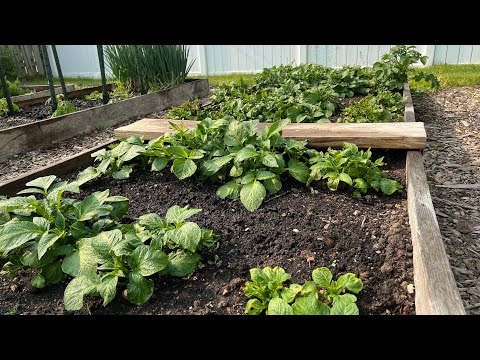
If you want to read more articles like How Often Should I Top Dress My Vegetable Garden? Key Tips for Optimal Growth, we recommend you check out our Soil category.
Leave a Reply
Related Articles