Discover What is the Most Low Maintenance Garden? Tips and Ideas for Effortless Gardening
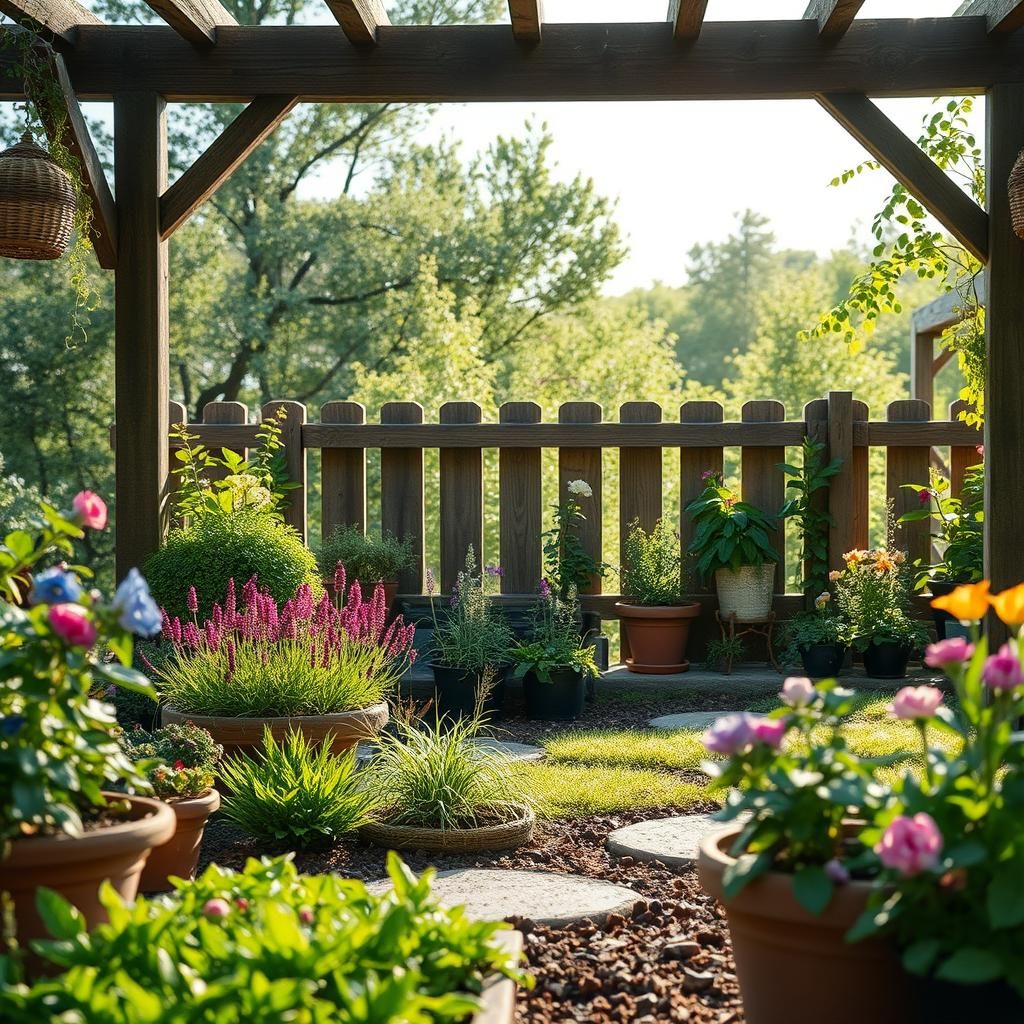
Maintaining a garden can be a rewarding but time-consuming endeavor. For those who desire a lush green space without the constant upkeep, low-maintenance gardens offer an ideal solution. In this article, we explore the concept of low-maintenance gardening, providing tips and ideas to help you create a beautiful outdoor oasis with minimal effort. Whether you're a busy professional, a novice gardener, or simply looking to reduce your gardening workload, discover how to select the right plants, design efficient layouts, and implement smart techniques to achieve a stunning garden that thrives with little attention. Embrace the beauty of effortless gardening!
What is the Most Low Maintenance Garden?
A low maintenance garden is designed to require minimal care and upkeep while still providing visual appeal and functionality. This type of garden typically incorporates drought-resistant plants, native species, and efficient landscaping practices that minimize the need for constant attention. By selecting plants that thrive in the specific climate and soil conditions of the area, and utilizing techniques such as mulching and drip irrigation, gardeners can create a space that flourishes with minimal intervention. Ultimately, a low maintenance garden allows homeowners to enjoy their outdoor environment without the burden of extensive maintenance tasks.
Benefits of a Low Maintenance Garden
A low maintenance garden offers numerous benefits, including reduced water consumption, lower labor costs, and decreased reliance on chemical fertilizers and pesticides. By focusing on native or drought-tolerant plants, gardeners can encourage local biodiversity and create habitats for wildlife. Additionally, these gardens often require less frequent mowing and pruning, leading to more leisure time for enjoyment. The long-term sustainability of a low maintenance garden not only supports the environment but also saves time and resources for the garden owner.
Key Features of Low Maintenance Gardens
Low maintenance gardens typically incorporate several key features that contribute to their ease of care. These include the use of perennial plants, ground covers, and ornamental grasses that grow back every year without needing to be replanted. Effective use of hardscaping, such as patios, pathways, and stone borders, reduces weeding and can help manage soil erosion. Mulching not only aids in moisture retention but also reduces the need for frequent weeding, making these gardens both attractive and manageable with little effort.
Best Plants for a Low Maintenance Garden
The optimal plant selection for a low maintenance garden includes drought-tolerant, native, and resilient plant species. Examples of such plants are sedums, lavender, and ornamental grasses, which thrive in various climates with minimal water. Additionally, evergreen shrubs can provide year-round greenery and require less pruning than flowering plants. When creating a low maintenance garden, it's essential to choose appropriate plants that align with the local ecosystem, reducing the need for constant care while ensuring a flourishing landscape.
Landscaping Techniques for Low Maintenance
Employing specific landscaping techniques can further enhance a garden's low maintenance appeal. Techniques like xeriscaping, which emphasizes water-efficient landscaping, can drastically cut down the need for irrigation. Grouping plants with similar water needs together can optimize watering efficiency. Additionally, utilizing mulch not only conserves moisture but also suppresses weeds, reducing the frequency of garden maintenance. Creating defined beds and borders through the use of stone or wood can also reduce lawn area, minimizing mowing requirements.
Cost Considerations for Low Maintenance Gardens
While establishing a low maintenance garden may have initial setup costs, it often proves to be more economically viable in the long run. Although hardy plants and efficient hardscaping might require a larger upfront investment, the reduction in ongoing upkeep, water usage, and input costs can yield significant savings over time. Additionally, incorporating labor-saving features such as automated irrigation systems can help maintain the garden with minimal human intervention, further slashing costs associated with garden care.
| Feature | Benefit |
|---|---|
| Drought-resistant plants | Less watering needed |
| Perennials | Return every year without replanting |
| Mulching | Retains moisture, reduces weeds |
| Hardscaping | Reduces lawn area and maintenance |
| Native plants | Thrives in local conditions with minimal care |
What type of garden is easiest to maintain?
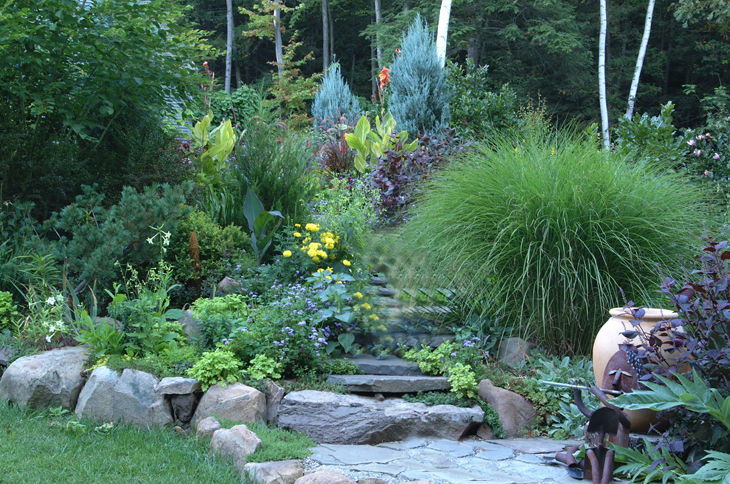
The type of garden that is easiest to maintain typically includes low-maintenance gardens, which focus on reducing the need for constant care and attention. These gardens often feature drought-resistant plants, minimal lawn areas, and are designed to thrive in the local climate without excessive watering or fertilization. Here are several types of gardens and methods that can enhance ease of maintenance:
Low-Maintenance Plant Selection
Choosing the right plants is crucial for an easy-to-maintain garden. Opt for native plants or perennials that are well-adapted to your climate. They typically require less watering and care.
- Native plants - These plants are suited for local conditions, reducing the need for intervention.
- Perennials - Unlike annuals, perennials come back year after year, cutting down on replanting efforts.
- Drought-resistant varieties - These require less watering and thrive in poor soil, minimizing maintenance.
Mulching for Moisture Retention
Using mulch in your garden beds can significantly reduce maintenance by conserving moisture, suppressing weeds, and improving soil health.
- Weed suppression - A thick layer of mulch can block sunlight, preventing weed growth.
- Soil moisture retention - It helps keep the soil moist, reducing the frequency of watering.
- Temperature regulation - Mulch can keep soil temperatures consistent, benefiting plant health.
Auto-Watering Systems
Installing an auto-watering system, such as drip irrigation, can automate the watering process, making it easier for gardeners to minimize their involvement.
- Timing automation - Set timers to water your plants at optimal times, particularly in the early morning or late evening.
- Water efficiency - Drip systems deliver water directly to the roots, reducing waste.
- Convenience - Less effort is needed to remember to water, freeing up time for other tasks.
Hardscaping Elements
Incorporating hardscaping elements such as patios, pathways, and stones can reduce the amount of live plant area that needs maintenance.
See also:
- Low upkeep surfaces - Stones and pavers require little to no upkeep compared to lawns or flower beds.
- Visual appeal - Hardscape features can enhance the aesthetic without additional care requirements.
- Defined spaces - Create distinct areas in the garden that might require less foliage to maintain.
Succulent and Xeriscape Gardens
Gardens featuring succulents and designed under xeriscaping principles use minimal water and require little ongoing care.
- Low water needs - Succulents thrive in dry conditions, making them ideal for low-maintenance gardening.
- Diverse textures - Create interest with varying shapes and colors without extensive care.
- Efficient plantings - Grouping plants with similar water needs can simplify irrigation and care.
What are the best low maintenance plants for gardens?

The best low maintenance plants for gardens are those that require minimal care while still providing beauty and interest. These plants often thrive in various conditions, have pest resistance, and do not demand frequent watering or pruning. Here are some excellent choices for low maintenance gardening.
1. Succulents
Succulents are drought-tolerant plants that store water in their leaves, making them perfect for low maintenance gardening. They require very little watering and can thrive in poor soil conditions. Their unique shapes and colors also add a visual appeal to gardens.
- Variety of shapes and sizes available.
- Excellent for container gardening.
- Minimal watering is needed.
2. Lavender
Lavender is not only beautiful but also aromatic. This perennial plant is known for its drought resistance and ability to thrive in well-drained soil. It attracts pollinators like bees and butterflies while being largely pest-resistant.
- Requires full sun for optimal growth.
- Good for hedging and borders.
- Pruning is minimal, only needed to maintain shape.
3. Ornamental Grasses
Ornamental grasses are versatile and can add texture to your garden. They require little care, usually just occasional trimming. These grasses can withstand various weather conditions, making them ideal for different climates.
- Provide movement and sound in the garden.
- Many species are drought-tolerant.
- Usually resistant to pests and diseases.
4. Sedums
Sedums are another group of succulents known for their ability to thrive in poor soils with minimal water. They come in various colors and forms, making them a great choice for ground cover or rock gardens.
- Low growing and spreads quickly.
- Requires very little maintenance and watering.
- Attractive to pollinators.
5. Daylilies
Daylilies are hardy perennials known for their beautiful flowers and resilience. They can tolerate a wide range of soils and environmental conditions. Once established, they require very little attention and can bloom consistently each season.
- Resistant to deer and rabbits.
- Continous blooming with minimal care.
- Ideal for borders and perennial beds.
What is the lowest maintenance vegetable to grow?
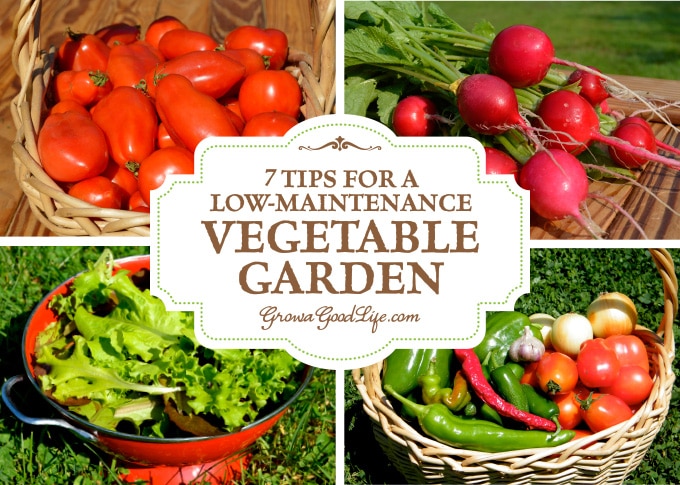
The lowest maintenance vegetable to grow is often considered to be radishes. They are not only easy to cultivate but also grow rapidly, allowing for a quick turnaround from planting to harvesting. Here are the reasons why radishes stand out:
1. Fast Growth Cycle
Radishes have a remarkably quick growth cycle, typically maturing in as little as three to four weeks. This feature makes them ideal for beginners and those looking for quick results.
- Seeds germinate rapidly, often within 5-10 days.
- Harvest can occur within a month of planting, providing immediate gratification.
- Multiple plantings can be done throughout the seasons for continuous yield.
2. Minimal Space Requirements
Radishes do not require a large amount of space to grow, making them suitable for various gardening environments including small gardens, raised beds, or even containers.
- Can be planted in rows or densely packed together.
- Adaptable to urban gardening settings.
- Utilizes vertical gardening techniques effectively.
3. Drought Tolerance
Once established, radishes can be quite drought-tolerant. They can survive on minimal water, which reduces the need for frequent watering.
See also:
- Requires less irrigation compared to other vegetable plants.
- Can withstand some level of neglect without significant damage.
- Ideal for regions experiencing irregular rainfall.
4. Pest Resistance
Radishes are generally resistant to many common pests, which reduces the need for chemical treatments and intensive pest management strategies.
- Less appealing to common pests like aphids and beetles.
- Can be planted alongside other crops as a natural pest deterrent.
- Occasional monitoring is often sufficient to keep them healthy.
5. Nutritional Benefits
Despite their low maintenance requirements, radishes are highly nutritious and are known for their health benefits. They are a great addition to any diet.
- Low in calories yet packed with Vitamin C.
- Contains antioxidants that promote overall health.
- Beneficial for digestive health and hydration.
What plant needs the least amount of care?
:strip_icc()/houseplants-you-cant-kill-Final-180244527c60405fb9668911dab14857.jpg)
One of the best plants that require the least amount of care is the snake plant (Sansevieria trifasciata). This hardy houseplant is known for its resilience and ability to thrive in various conditions. Its forgiving nature makes it an ideal choice for beginners or those who prefer low-maintenance greenery.
Why the Snake Plant is Low Maintenance
The snake plant is particularly well-suited for busy individuals or those without a green thumb. Some of the reasons for its low maintenance are:
- Drought Tolerance: Snake plants can survive long periods without water, making them ideal for those who may forget to water regularly.
- Adaptable Light Conditions: They can thrive in low light conditions and can also tolerate bright, indirect light.
- Air Purification: These plants are known to filter toxins from the air, providing both aesthetic and health benefits with little effort.
Common Care Tips for Snake Plants
Caring for a snake plant is straightforward, but following a few key tips can ensure its healthy growth:
- Water Sparingly: Allow the soil to dry out completely between watering, as overwatering can cause root rot.
- Use Well-Draining Soil: A cactus or succulent mix works well to prevent excess moisture retention.
- Minimal Fertilization: Fertilize once during the growing season with a balanced fertilizer; they don’t require frequent feeding.
Best Environment for Snake Plants
Understanding the right environment for a snake plant helps maintain its health and aesthetic appeal:
- Temperature Range: They thrive in temperatures between 60°F to 80°F (15°C to 27°C) but can tolerate cooler temperatures.
- Humidity Levels: Snake plants prefer average humidity but can withstand dry air, making them versatile for different indoor climates.
- Indoor Versatility: They are perfect for any room, including bedrooms, living rooms, or offices, due to their adaptability to varying light conditions.
Varieties of Snake Plants
There are several varieties of snake plants that can add diversity to your collection while still requiring minimal care:
- Mother-in-Law's Tongue: Known for its tall, spear-like leaves, this variety is the most common found in homes.
- Banana Plant: This variety has broad, lush leaves and can grow even taller, providing a tropical feel.
- Shirley Temple: Featuring attractive variegated leaves, this smaller variety is perfect for desks and limited spaces.
Common Pests and Problems
Though snake plants are resilient, they can encounter some common pests or issues:
- Mealybugs: These pests can appear as white cotton-like clusters on the leaves; treat them with insecticidal soap or neem oil.
- Spider Mites: Increased heat and dryness can lead to spider mites; ensure proper humidity to mitigate this issue.
- Root Rot: Caused by overwatering; ensure good drainage and allow the soil to dry out between watering to prevent this problem.
Benefits of Having a Snake Plant
In addition to being low maintenance, snake plants offer several advantages:
- Improved Air Quality: They are known to purify the air by removing toxins like formaldehyde and benzene.
- Aesthetic Appeal: Their unique leaf shape and variegation add a stylish touch to any home or office decor.
- Injury Resistance: Snake plants are less likely to suffer from injuries due to their robust nature, making them a long-lasting addition.
Questions from Our Readers
What plants are best for a low maintenance garden?
To create a low maintenance garden, consider using native plants that thrive in your local climate. Options like sedums, lavender, and ornamental grasses require minimal care and provide lasting beauty. Additionally, incorporating perennials can reduce the need for replanting each year, while drought-resistant species can decrease watering needs.
How often should I water a low maintenance garden?
In a low maintenance garden, the watering frequency largely depends on the plants you choose and your local climate. Generally, deep watering once a week is sufficient for most established plants, particularly during dry spells. Utilizing mulch can help retain soil moisture and reduce watering needs even further.
What type of soil is best for a low maintenance garden?
For a low maintenance garden, the ideal soil is well-draining yet capable of holding adequate moisture, often achieved with a mix of loam and organic matter. This type of soil promotes healthy plant growth while minimizing the need for excessive fertilization or amendments, making upkeep easier.
See also:
Are there low maintenance landscaping options?
Absolutely, there are numerous low maintenance landscaping options available, such as using hardscaping features like patios, paths, and retaining walls to reduce grassy areas. Additionally, implementing rock gardens or xeriscaping techniques, which leverage drought-tolerant plants, can significantly lower maintenance while enhancing visual appeal.

If you want to read more articles like Discover What is the Most Low Maintenance Garden? Tips and Ideas for Effortless Gardening, we recommend you check out our Garden category.
Leave a Reply
Related Articles