Discover What's the Easiest Outdoor Plant to Grow: A Beginner's Guide
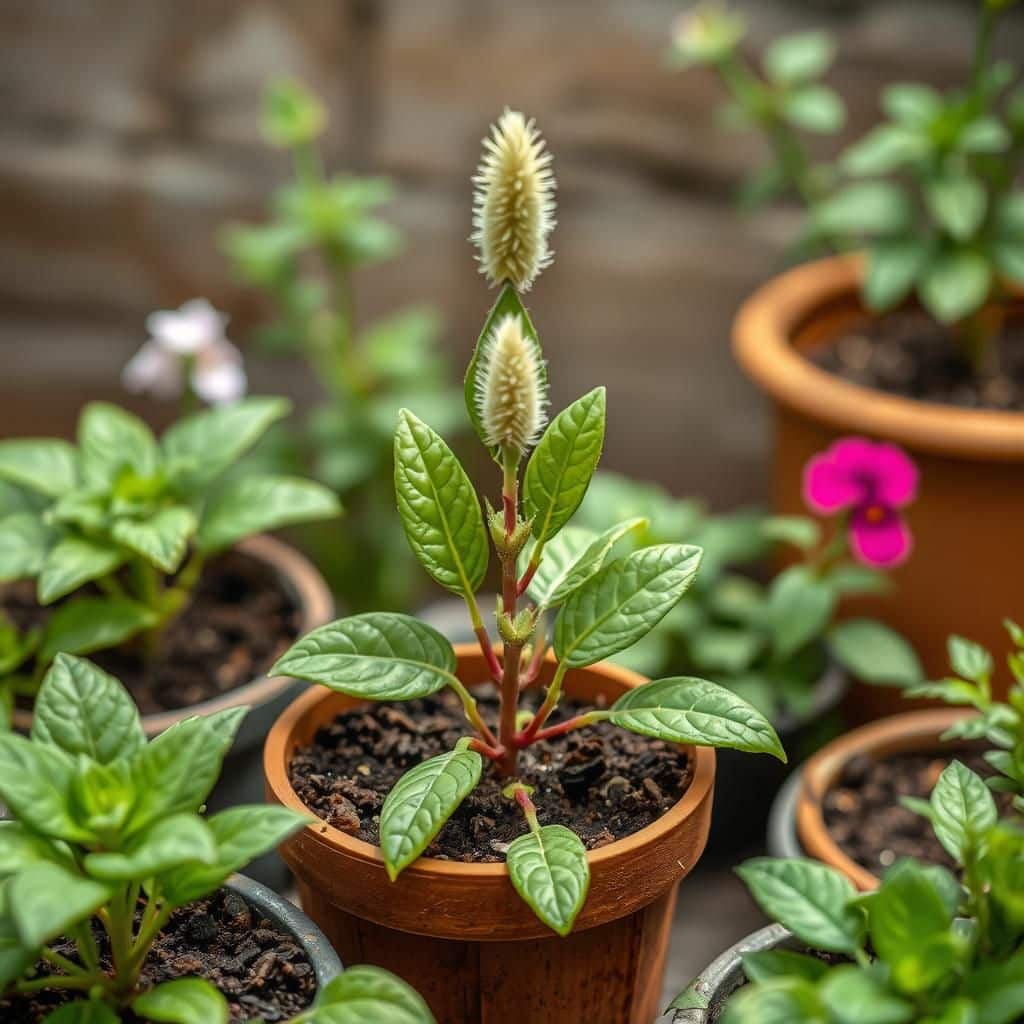
Are you eager to start your gardening journey but unsure where to begin? The world of outdoor plants can be both exciting and overwhelming, especially for beginners. Fortunately, some plants are particularly easy to grow, requiring minimal care while offering rewarding results. This beginner's guide will help you discover the easiest outdoor plants to cultivate, ensuring your gardening experience is both enjoyable and fruitful. From vibrant flowers to hardy vegetables, we’ll explore various options suited for new gardeners. Grab your gardening tools and let’s dig into the essential tips and tricks for successfully growing these beginner-friendly plants!
What is the Easiest Outdoor Plant to Grow?
One of the easiest outdoor plants to grow is the marigold. This vibrant flower not only adds a burst of color to gardens but is also incredibly resilient and adaptable to various climates and soil types. Marigolds thrive in full sun and require minimal care, needing only regular watering during dry spells. They are also known for their ability to deter pests, making them an excellent companion plant in vegetable gardens. With their quick germination and blooming cycle, even novice gardeners can enjoy the beauty of marigolds in no time.
Benefits of Growing Marigolds
Marigolds offer numerous benefits for both ornamental and practical gardening. Their vivid colors attract pollinators, contributing to the overall health of your garden ecosystem. Additionally, they are known for their natural pest-repelling properties, particularly against nematodes and aphids, helping to reduce the need for chemical pesticides. Their ability to bloom continuously throughout the season means you'll have ongoing color and interest in your garden, making them a favorite among both new and experienced gardeners.
Ideal Growing Conditions for Marigolds
To successfully grow marigolds, choose a spot that receives at least 6 hours of full sunlight a day. They prefer well-drained soil with a pH level between 6.0 and 7.0. While they are tolerant of drought, regular watering during prolonged dry spells will enhance their growth and flower production. It’s best to plant marigolds after the last frost of spring, as they thrive in warmer temperatures and can be sensitive to cold.
How to Plant Marigolds
Planting marigolds is an easy, straightforward process. Start seeds indoors about 6-8 weeks before the last frost or plant them directly in the garden once temperatures rise above 60°F. If starting indoors, transplant them outside when they are about 3-4 inches tall. When planting in the ground, space the seeds or transplants about 8-12 inches apart to allow air circulation. Cover with a thin layer of soil and water thoroughly to encourage germination.
Common Pests and Problems
Although marigolds are relatively pest-resistant, they can still be affected by problems such as aphids and whiteflies. Regularly inspecting your plants and using natural methods such as insecticidal soap can help manage these pests. Additionally, marigolds can sometimes suffer from powdery mildew if grown in overly humid conditions. Ensuring good air circulation and avoiding overhead watering can mitigate these issues.
Caring for Marigolds Throughout the Season
Caring for marigolds is minimal, making them perfect for beginners. Regularly deadhead spent blooms to encourage more flowers and maintain the plant's appearance. Although marigolds are drought-tolerant, watering during dry spells will help them thrive and enhance their vibrant petals. Fertilization is generally unnecessary unless the soil is particularly poor; a light application of balanced fertilizer in the early growing season can support their growth if needed.
| Aspect | Details |
|---|---|
| Light | Full sun (6+ hours daily) |
| Soil | Well-drained, pH 6.0-7.0 |
| Watering | Regular, avoiding overwatering |
| Spacing | 8-12 inches apart |
| Pests | Avoids most pests, but check for aphids |
What is the best easy plant for beginners?

The best easy plant for beginners is the Pothos (Epipremnum aureum), also known as devil’s ivy. This plant is highly popular among novice gardeners due to its resilience and low maintenance requirements. Pothos can thrive in a range of conditions, making it ideal for those who may not have a green thumb. Its trailing vines can grow several feet long, and it can also be grown in water or soil, providing versatility for different planting styles.
Why Choose Pothos for Beginners?
Pothos is an excellent choice for beginners for several reasons:
See also:
- Low Light Tolerance: It can thrive in low light conditions, making it suitable for homes with less natural sunlight.
- Watering Flexibility: Pothos can withstand occasional neglect, as it can go longer between waterings than many other plants.
- Fast Growth: This plant grows quickly, allowing beginners to see results and enjoy their efforts in a short time frame.
Care Tips for Pothos
Caring for a Pothos plant is simple and straightforward:
- Watering: Allow the top inch of soil to dry out between waterings to prevent overwatering. Water thoroughly when needed.
- Lighting: Place your Pothos in indirect sunlight. Direct sun can scorch the leaves, while too little light may slow growth.
- Fertilization: Fertilize every 4-6 weeks during the growing season (spring and summer) with a balanced houseplant fertilizer.
Common Problems and Solutions
While Pothos is resilient, beginners may encounter a few issues:
- Yellowing Leaves: This typically indicates overwatering. Check the soil moisture and reduce watering if necessary.
- Brown Leaf Tips: This can result from low humidity or underwatering. Increase humidity or water more frequently to resolve it.
- Pests: Watch for common pests like spider mites and mealybugs. Regularly wipe down leaves and treat infestations with insecticidal soap if necessary.
Propagation of Pothos
One of the most enjoyable aspects of Pothos is its ease of propagation:
- Cuttings: Take a 4-6 inch cutting below a node (where the leaf meets the stem) and place it in water.
- Rooting: Ensure at least one node is submerged in water; roots will develop within a few weeks.
- Transplanting: Once roots are a few inches long, transplant the cutting into soil for continued growth.
Additional Easy Plants for Beginners
While Pothos is a fantastic option, there are other easy-to-care plants worth considering:
- Spider Plant: Known for its air-purifying qualities and charming baby plants.
- Snake Plant: Extremely hardy and requires minimal care, tolerating low light and irregular watering.
- ZZ Plant: Adaptable and drought-tolerant, this plant can survive with little attention.
What is the easiest outdoor potted plant to keep alive?
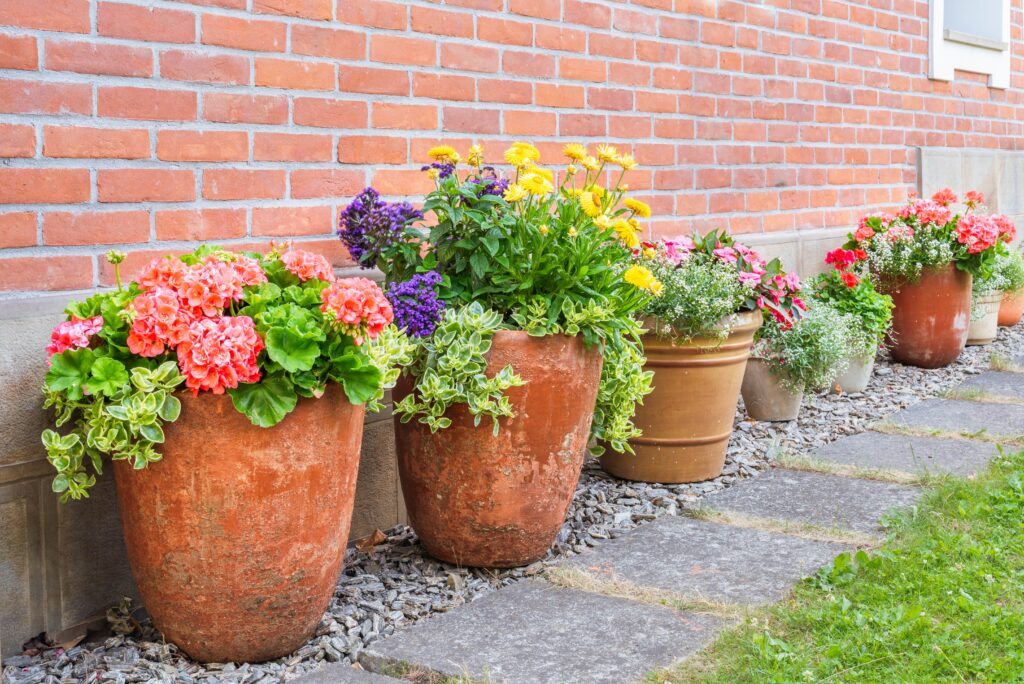
The easiest outdoor potted plant to keep alive is the Succulent. These plants are highly adaptable, require minimal maintenance, and thrive in various environmental conditions, making them an ideal choice for beginners and those with busy lifestyles. Succulents store water in their leaves, which allows them to survive in dry conditions. A few popular varieties include Aloe Vera, Echeveria, and Jade Plant.
Why Choose Succulents?
Succulents are favored by many for several reasons:
- Low Water Requirements: Succulents can survive for long periods without water due to their ability to store moisture.
- Diverse Varieties: With hundreds of species available, there is a succulent for every preference, ranging in shape, color, and texture.
- Easy Propagation: Succulents can be easily propagated from leaves or offsets, making them cost-effective.
Ideal Growing Conditions
For optimal growth, succulents require specific conditions:
- Sunny Location: Place succulents in an area that receives at least 6 hours of sunlight daily.
- Well-Draining Soil: Use a cactus or succulent mix that allows excess water to escape, preventing root rot.
- Temperature Tolerance: Succulents thrive in temperatures ranging from 60°F to 80°F (15°C to 27°C).
Watering Tips
Watering succulents correctly is crucial for their health:
- Infrequent Watering: Water only when the soil is completely dry; this may be every 2-3 weeks depending on the climate.
- Watering Technique: Use the soak and dry method; water thoroughly and allow the excess to drain.
- Signs of Overwatering: Watch for mushy leaves or discoloration, which indicates too much water.
Common Pests and Problems
While succulents are generally hardy, they can face some issues:
See also:
- Mealybugs: These pests can be removed with insecticidal soap or a cotton swab dipped in alcohol.
- Fungal Infections: Ensure proper airflow and avoid excess moisture to prevent issues like root rot.
- Sunburn: Protect succulents from intense afternoon sun, which can scorch their leaves.
Benefits of Indoor vs. Outdoor Succulents
Both indoor and outdoor succulents have their advantages:
- Outdoor Benefits: Outdoor succulents can benefit from natural sunlight and fresh air, which enhances their growth.
- Indoor Benefits: Indoor succulents add aesthetic value and improve air quality without requiring much care.
- Seasonal Considerations: Outdoor succulents may need protection during extreme weather, while indoor ones can be cared for year-round.
What are easy going outdoor plants?
:strip_icc()/geranium-pelargonium-daredevil-orchid-83449f70-4a919389b7c54fffb3340945067424fb.jpg)
Understanding Easy Going Outdoor Plants
Easy going outdoor plants are species that thrive with minimal care and maintenance. These plants are ideal for beginners or those looking to cultivate a garden without committing extensive time to upkeep. They typically require less water, tolerate various weather conditions, and resist pests better than more delicate varieties. Below are some key features of these types of plants:
- Low maintenance needs
- Ability to adapt to different environmental conditions
- Resistance to common pests and diseases
Best Types of Easy Going Outdoor Plants
When choosing outdoor plants, certain species stand out for their resilience and ease of care. Here are some of the best options:
- Succulents - These drought-resistant plants come in many varieties and require little water.
- Lavender - Known for its fragrance, lavender thrives in sunny locations and poor soil.
- Sedum - A hardy ground cover, sedum can withstand dry conditions and requires minimal care.
Benefits of Growing Easy Going Plants
Engaging in gardening with easy going plants offers numerous benefits both for the gardener and the environment. Some advantages include:
- Reduced Time Commitment - Spend less time on watering and care.
- Cost-Effective - Lower water and maintenance costs mean savings for gardeners.
- Environmental Resilience - These plants support local ecosystems by attracting beneficial insects.
Tips for Choosing Easy Going Outdoor Plants
Selecting the right easy going outdoor plants involves consideration of several factors to ensure success in your gardening endeavor. Here are some helpful tips:
- Assess Your Climate - Choose plants suited for your specific climate conditions.
- Soil Quality - Opt for plants that can thrive in the existing soil quality of your garden.
- Sunlight Availability - Consider the amount of sunlight your chosen area receives when selecting plants.
Common Mistakes to Avoid with Easy Going Plants
Even easy going outdoor plants can suffer from neglect or mismanagement. To help ensure your plants flourish, avoid these common mistakes:
- Overwatering - Many easy going plants thrive in dry conditions and should not be overwatered.
- Ignoring Pest Issues - Regularly check for signs of pests, even in hardy plants.
- Planting at the Wrong Time - Timing can impact plant health; make sure to plant during optimal seasons.
Questions from Our Readers
What is the easiest outdoor plant for beginners?
Sunflowers are often considered one of the easiest outdoor plants for beginners. They require minimal care, thrive in full sun, and can tolerate various soil types. Additionally, they can grow quickly and can bring vibrant color to any garden space.
Are succulents suitable for outdoor planting?
Yes, succulents can be suitable for outdoor planting in warm climates. They prefer well-draining soil and can handle prolonged periods of drought, making them low-maintenance for outdoor gardens. However, it's essential to protect them from frost in cooler regions.
What other easy outdoor plants can I try?
Apart from sunflowers, zinnias and marigolds are also easy to grow for outdoor gardens. These flowers bloom beautifully and attract pollinators, adding life to your garden while requiring little care and attention during their growth.
See also:
How much sunlight do easy outdoor plants need?
Most easy outdoor plants, like sunflowers and zinnias, require at least 6-8 hours of direct sunlight daily. Providing adequate sunlight helps promote healthy growth, vibrant blooms, and overall stronger plants in your garden.

If you want to read more articles like Discover What's the Easiest Outdoor Plant to Grow: A Beginner's Guide, we recommend you check out our Garden category.
Leave a Reply
Related Articles