What is the Lowest Maintenance Vegetable to Grow? Discover the Easiest Options for Your Garden

When it comes to gardening, not everyone has the time or energy to dedicate to high-maintenance plants. For those looking for an enjoyable yet low-effort gardening experience, choosing the right vegetables is essential. This article delves into the world of easy-to-grow vegetables, highlighting the ones that require minimal care while still offering a rewarding harvest. Whether you're a seasoned gardener or a novice, you’ll discover options that will thrive in your garden without demanding too much of your attention. Join us as we explore the lowest maintenance vegetables that can make your gardening journey both simple and satisfying.
What is the Lowest Maintenance Vegetable to Grow?
Growing vegetables that require minimal maintenance is a great way to enjoy gardening without the stress of extensive upkeep. One of the best options for low-maintenance gardening is the radish. Radishes are quick to grow, often maturing in just three to four weeks from seed to harvest. They thrive in well-drained soil and can be sown directly in the garden without the need for complicated planting techniques. Furthermore, they are generally pest-resistant and do not require frequent watering compared to other vegetables, making them an ideal choice for those looking to cultivate a hassle-free garden with a fast yield.
Why Choose Radishes?
Radishes are an excellent choice for low-maintenance gardening due to their fast growth cycle. They can be planted in early spring or late summer, providing multiple harvests throughout the growing season. Their minimal space requirements make them suitable for small gardens or container gardening, allowing for easy cultivation regardless of the available area. Moreover, radishes are resilient in various soil conditions, which adds to their low-maintenance appeal.
Growth Conditions for Radishes
To cultivate radishes, you need to ensure they have access to full sunlight for optimal growth. They prefer well-drained soil enriched with organic matter but can adapt to various soil types. Keeping the soil consistently moist is essential during the germination phase, but once established, radishes need less frequent watering. This adaptability to different conditions contributes to their status as a low-maintenance vegetable.
Pest and Disease Resistance
Radishes are generally resistant to many common pests and diseases that can affect other vegetables. The sharp taste of radishes often discourages pests, making them less prone to infestations. Moreover, they can benefit from being planted alongside other crops as a companion plant, which can help deter pests and improve overall garden health. Their natural resistance further simplifies the care required, aligning perfectly with low-maintenance gardening goals.
Harvesting Radishes
Harvesting radishes is straightforward and requires minimal effort. Once they reach the desired size, typically within three to four weeks, simply pull them out of the soil. They do not require careful handling or extensive processing, meaning they can be washed and consumed right away or stored for later use. The simplicity of harvesting radishes makes them a convenient option for busy gardeners looking for low-maintenance crops.
Tips for Successful Radish Gardening
To maximize your radish harvest, consider sowing seeds in succession every couple of weeks. This staggering technique allows for a continuous supply of fresh radishes throughout the growing season. Additionally, using mulch can help retain soil moisture and suppress weeds, further reducing maintenance needs. Lastly, avoid overcrowding the seeds, as proper spacing enhances air circulation and prevents rot, ensuring a healthy yield while keeping upkeep to a minimum.
| Aspect | Details |
|---|---|
| Growth Time | 3-4 weeks to maturity |
| Sunlight | Full sun preferred |
| Watering Needs | Moderate; less once established |
| Pest Resistance | Generally resistant |
| Harvesting | Easy and quick |
What are easy low-maintenance vegetables to grow?

Growing your own vegetables can be a rewarding experience, especially when you choose ones that require little maintenance. Here are some of the easiest low-maintenance vegetables to grow that will thrive with basic care:
1. Lettuce
Lettuce is an excellent choice for beginners because it grows quickly and does not require much attention. It can be sown directly into the soil or started in containers, and it often thrives in cooler weather.
- Fast Germination: Lettuce seeds typically germinate within 7-14 days.
- Continuous Harvest: You can harvest the outer leaves while allowing the inner leaves to continue growing.
- Minimal Space: Lettuce can be grown in small garden plots or even in pots on a balcony.
2. Radishes
Radishes are one of the quickest vegetables to grow, making them ideal for gardeners with limited patience. They can be harvested in as little as three weeks from sowing.
- Diverse Varieties: Numerous varieties of radishes offer different colors and flavors.
- Pest Resistance: Radishes are generally resistant to pests and diseases.
- Soil Tolerance: They can grow in a variety of soil types, making them adaptable for many gardens.
3. Green Beans
Green beans are another low-maintenance vegetable that is easy to grow, and they yield a generous harvest. They grow on vines, which means they can save space in your garden.
- Pest Deterrent: Bean plants can help deter aphids and other pests due to their natural properties.
- Self-Pollinating: They do not require additional pollinators, simplifying the process.
- Harvesting Ease: Beans can be picked regularly, encouraging more production from the plant.
4. Zucchini
Zucchini is a prolific producer, and once it starts to grow, it requires very little upkeep. Just ensure it has enough space to spread out.
See also:
- High Yield: One or two plants can provide an abundant harvest throughout the season.
- Nutrient-Rich: Zucchini is packed with vitamins and minerals, making it a healthy addition to your diet.
- Diverse Recipes: It can be used in a wide range of dishes, from salads to baked goods.
5. Carrots
Carrots are hardy and can grow well in most soil types, requiring minimal attention once planted. They thrive in cooler seasons, making them suitable for spring or fall gardening.
- Direct Sowing: Carrot seeds can be sown directly into the ground without transplantation.
- Resilience: They are quite resilient and can handle some neglect.
- Long Storage: Harvested carrots can often be stored for several months, extending your harvest.
What is the best garden for a beginner?
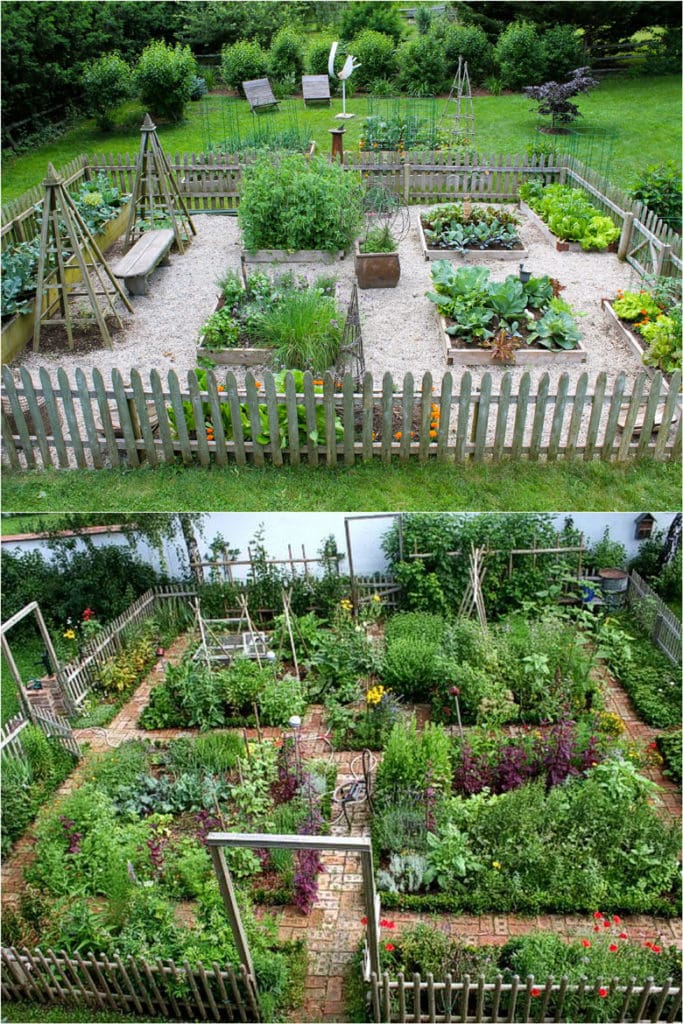
The best garden for a beginner is one that is manageable, low-maintenance, and provides a rewarding experience without overwhelming the gardener. Here are several types of gardens that are particularly suited for novice gardeners:
Container Gardening
Container gardening is an excellent choice for beginners due to its flexibility and ease of management. It allows you to grow plants in pots, making it easier to control soil quality and water needs. Here are some key points about container gardening:
- Mobility: Containers can be moved around to find the best sunlight, making it easier to adapt to changing weather conditions.
- Space-saving: Ideal for those with limited space, containers can be placed on balconies, patios, or small yards.
- Variety: You can plant a mix of vegetables, herbs, or flowers together in one container.
Raised Bed Gardening
Raised bed gardening involves creating a garden bed that is elevated above ground level. This method is particularly advantageous for beginners due to its simplicity and organization. Consider the following aspects:
- Improved drainage: Raised beds often have better drainage, reducing the risk of overwatering.
- Controlled soil quality: You can fill the beds with high-quality soil, ensuring optimal growing conditions.
- Accessibility: Elevated beds make it easier to reach plants, reducing strain on the back and knees.
Herb Garden
An herb garden is an ideal starting point for beginners because herbs are generally easy to grow and require minimal maintenance. Here are some benefits of starting an herb garden:
- Versatility: Herbs can be grown in various settings, including containers and window boxes.
- Culinary uses: Fresh herbs enhance the flavor of your meals, making it a rewarding experience.
- Low maintenance: Many herbs are drought-resistant and can thrive without constant attention.
Vegetable Garden
A beginner vegetable garden can be incredibly fulfilling, as growing your own food is both practical and rewarding. When starting a vegetable garden, consider these points:
- Start simple: Choose easy-to-grow vegetables like radishes, lettuce, or tomatoes, which usually yield quicker results.
- Regular harvests: Vegetables need to be harvested regularly, fostering a habit of care and engagement with the garden.
- Learning experience: Growing vegetables teaches planning, patience, and responsibility, enriching the gardening journey.
Wildflower Garden
A wildflower garden can be a beautiful and low-maintenance option for beginners. It promotes biodiversity and provides a natural habitat for pollinators. Here’s why it’s a great choice:
- Low maintenance: Once established, wildflowers require little watering and care, allowing novice gardeners to enjoy their blooms without constant effort.
- Seasonal interest: Wildflowers bloom at different times throughout the year, offering a changing landscape.
- Eco-friendly: Planting native wildflowers can support local wildlife, making this type of garden beneficial for the environment.
What is the most economical vegetable to grow?
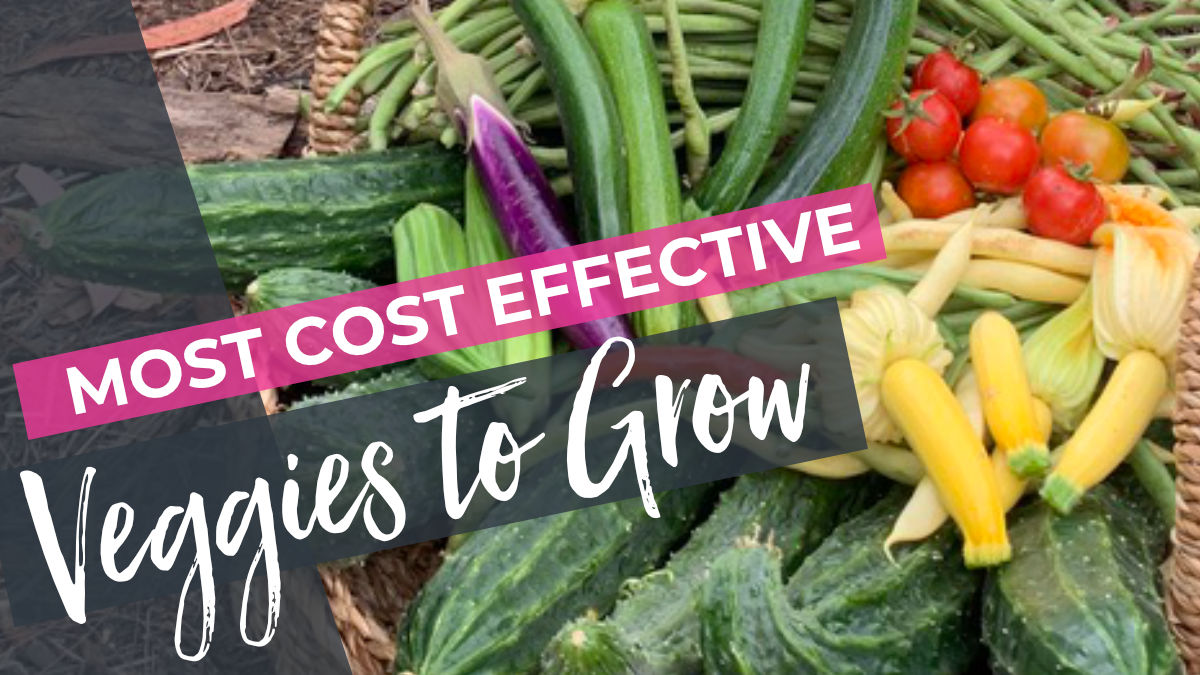
The most economical vegetable to grow can vary by region, climate, and garden conditions; however, one consistently excellent choice is the potato. Potatoes are known for their adaptability and high yield, making them a popular option for home gardeners looking to maximize their food production without extensive costs. Here’s a detailed exploration of why potatoes often emerge as the top contender along with additional vegetables that are also economical to grow.
Benefits of Growing Potatoes
Growing potatoes can bring numerous advantages to home gardeners:
- High Yield: With minimal seeds, you can produce a significant quantity of potatoes, providing substantial food for your effort.
- Low Maintenance: Potatoes require relatively little ongoing care compared to other crops, making them ideal for beginners.
- Versatile Use: Potatoes can be prepared in a variety of ways, enhancing their value in your kitchen.
Cost-Effective Methods for Growing Potatoes
To ensure that growing potatoes remains economical, consider these strategies:
- Seed Potatoes: Purchase certified seed potatoes to guarantee high-quality yields without the risk of disease.
- Container Gardening: Use old containers or bags to grow potatoes, minimizing the need for extensive garden space.
- Companion Planting: Planting potatoes with companions like beans can enhance growth and reduce pest issues.
Other Economical Vegetables to Consider
While potatoes are a top choice, many other vegetables are also economical and easy to grow:
See also:
- Carrots: They thrive in various soils and offer a great return on investment, with strong resistance to pests.
- Radishes: They mature quickly and can be harvested in just a few weeks, allowing for rapid turnover and continuous planting.
- Squash: This vegetable grows abundantly in favorable conditions and can be stored well for long periods, enhancing its utility.
Climate Considerations for Growing Vegetables
The local climate significantly influences which vegetables will grow economically:
- Temperature: Most vegetables have specific temperature requirements that affect their growth, so plant according to your region's conditions.
- Season Length: Understanding your growing season can help you select the right crops that will yield during that time.
- Frost Dates: Knowing when the last frost occurs will help ensure that you plant at the correct time for optimal growth.
Harvesting and Storage Tips
Proper harvesting and storage techniques can improve the economy of your vegetable garden:
- Timing: Harvest vegetables at peak maturity for the best quality and yield.
- Storage Conditions: Store your harvested vegetables in cool, dark, and dry places to extend their shelf life.
- Preservation Methods: Consider canning or freezing surplus vegetables to maximize their usability and minimize waste.
What is the lowest maintenance crop?

The lowest maintenance crop is typically considered to be Sorghum. This resilient cereal grain is known for its ability to thrive in various climates, particularly in arid and semi-arid regions. Sorghum requires significantly less water than other crops like corn or rice and has a high tolerance for drought conditions. These traits make it an attractive option for farmers looking to minimize input costs and labor.
Advantages of Growing Sorghum
Sorghum offers several benefits that contribute to its low maintenance status:
- Drought Resistance: Sorghum can survive with minimal water, making it ideal for regions with limited rainfall.
- Soil Adaptability: It can grow in various soil types, including poor or sandy soils.
- Pest Resistance: Sorghum has natural resistance to many pests, reducing the need for chemical treatments.
Growing Conditions for Sorghum
Understanding the optimal conditions for sorghum can further enhance its low maintenance appeal:
- Temperature: Sorghum grows best in warm environments, ideally between 70°F to 95°F.
- Sunlight: It requires full sun, making it suitable for areas with long growing seasons.
- Drainage: Good drainage is crucial to avoid root rot; however, it can handle drought-stressed conditions.
Nutritional Benefits of Sorghum
Sorghum is not only easy to cultivate but also offers nutritional advantages:
- Gluten-Free: Sorghum is an excellent alternative for those with gluten intolerance.
- Rich in Nutrients: It is packed with vitamins and minerals, including iron, magnesium, and B vitamins.
- Whole Grain: Sorghum provides dietary fiber, promoting digestive health.
Sorghum as a Sustainable Choice
Sorghum aligns well with sustainable farming practices:
- Low Water Use: Its ability to thrive in dry conditions reduces the need for irrigation.
- Soil Health: Its deep roots help to prevent soil erosion and improve soil structure.
- Crop Rotation: It works well in rotation with other crops, enhancing biodiversity.
Market Opportunities for Sorghum
The demand for sorghum is growing in various markets:
- Animal Feed: A significant portion of sorghum is used as feed for livestock, especially in regions lacking other feed options.
- Biofuel Production: Sorghum serves as a potential source for biofuel, contributing to renewable energy efforts.
- Health Foods: Its rising popularity in health-conscious diets increases market demand.
Questions from Our Readers
What is the lowest maintenance vegetable to grow?
Radishes are often considered one of the lowest maintenance vegetables to grow. They require minimal care, have a quick turnaround time from seed to harvest, and can thrive in various soil conditions, making them perfect for beginners or those with limited gardening time.
How much water do low maintenance vegetables need?
Low maintenance vegetables like kale and lettuce generally need about 1 inch of water per week. It's crucial to monitor the soil moisture and water accordingly, ensuring these plants have enough hydration without becoming waterlogged.
Can I grow low maintenance vegetables in containers?
Absolutely! Many low maintenance vegetables, such as spinach and cherry tomatoes, can be successfully grown in containers. This method allows for easy mobility and better control over soil quality and moisture.
What is the best time to plant low maintenance vegetables?
The best time to plant low maintenance vegetables varies by region, but generally, spring and fall are ideal for crops like carrots and peas. Each vegetable has its own growing season, so it's important to check local planting calendars for specific timing.
https://youtube.com/watch?v=le0TAv_8ftg

If you want to read more articles like What is the Lowest Maintenance Vegetable to Grow? Discover the Easiest Options for Your Garden, we recommend you check out our Garden category.
Leave a Reply
Related Articles