What is the Best Thing to Wear for Gardening? Essential Tips for Comfortable and Practical Gardening Attire

Gardening is a rewarding pastime that connects us with nature, but it can also be physically demanding. Choosing the right attire is crucial for both comfort and efficiency while tending to your plants. In this article, we will explore essential tips for selecting the best clothing for gardening. From breathable fabrics to sturdy footwear and protective accessories, understanding what to wear can enhance your gardening experience. Whether you’re planting new seeds or weeding your flower beds, the right outfit can keep you comfortable and focused on your green thumb endeavors. Let's dive into the essentials for practical gardening attire.
What is the Best Thing to Wear for Gardening?
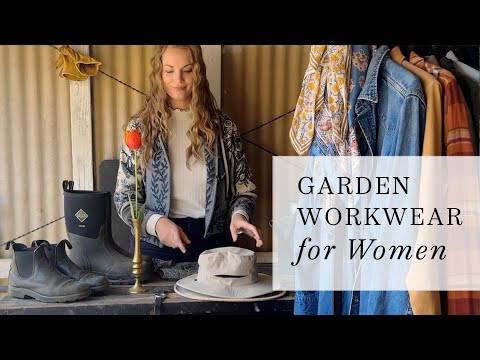
When it comes to gardening, the best attire is driven by practicality and comfort, allowing you to move freely while protecting yourself from the elements. A good choice includes a pair of durable, long-lasting gardening gloves to safeguard your hands from thorns and dirt, and breathable, lightweight clothing that offers protection from sun exposure and scratches. Opting for sturdy footwear, such as waterproof boots or closed-toe shoes, is essential to protect your feet and provide stability on uneven terrain. Furthermore, a wide-brimmed hat and sunglasses can help shield your eyes and face from harmful UV rays, making your gardening experience not only more enjoyable but also safer.
Importance of Gardening Gloves
Gardening gloves are essential for any gardener, as they provide much-needed protection for your hands against sharp objects, thorns, and chemicals. They also help to keep your hands clean and dry, reducing the risk of soil-borne infections. Investing in a good pair of gloves that fit well will improve your grip when handling tools or plants, making gardening tasks much easier and more enjoyable.
Choosing the Right Clothing
The right clothing for gardening should balance comfort, durability, and protection. Lightweight, breathable fabrics like cotton or moisture-wicking materials are ideal as they keep you cool on hot days. Long sleeves and pants offer additional protection from sunburn and insect bites, while also keeping dirt and debris at bay. Layering your clothing can be beneficial too, allowing you to adjust based on the temperature as you work.
Best Footwear for Gardening
Sturdy footwear is critical when gardening since it protects your feet and provides support across uneven surfaces. Waterproof boots or closed-toe shoes are highly recommended, as they keep your feet dry and safe from accidental injuries, such as stepping on sharp tools. Additionally, shoes with a good grip can prevent slips and falls, making them an essential part of your gardening wardrobe.
Sun Protection Essentials
Gardening often involves prolonged sun exposure, making sun protection vital for preventing skin damage. A wide-brimmed hat is an excellent accessory, as it not only protects your face and neck but also provides shade while you work. Sunglasses with UV protection are also important, shielding your eyes from harmful rays and reducing glare. Applying a high-SPF sunscreen to exposed skin is another effective way to minimize sun damage during longer gardening sessions.
Overall Comfort and Practicality
Ultimately, the best gardening attire combines comfort and practicality. Choose clothes that allow for a full range of motion, as gardening often requires bending, reaching, and squatting. Additionally, wearing pockets or using an apron can help keep essential tools handy, streamlining tasks and enhancing your overall gardening experience. When you feel comfortable and protected, you are more likely to enjoy your time spent in the garden.
| Item | Purpose | Recommendation |
|---|---|---|
| Gardening Gloves | Protect hands from thorns and soil | Choose padded, breathable styles |
| Durable Clothing | Shield skin from sun and debris | Opt for lightweight, long-sleeved options |
| Sturdy Footwear | Protect feet from injury and provide stability | Select waterproof, non-slip styles |
| Sun Protection | Prevent sunburn and UV damage | Use hats and sunglasses with UV coverage |
| Comfortable Fit | Allow ease of movement while working | Look for stretchy, flexible materials |
Should you wear jeans for gardening?


Benefits of Wearing Jeans for Gardening
Wearing jeans for gardening can offer several advantages that make them a popular choice among gardening enthusiasts. Their robust fabric provides a level of durability and protection that can be very useful when dealing with rough materials or thorny plants. Here are some of the benefits:
- Durability: Jeans are made from strong cotton fabric, making them less likely to tear or wear out quickly.
- Protection: The fabric provides a barrier against sharp objects and insect bites.
- Comfort: Many jeans are designed for movement, allowing for flexibility while kneeling or bending.
Drawbacks of Wearing Jeans for Gardening
Despite their benefits, wearing jeans in the garden might not always be the best choice. Some aspects can make gardening more challenging. Here are some potential drawbacks:
- Heat Retention: Jeans can trap heat, making you uncomfortable, especially in hot weather.
- Moisture Absorption: Denim absorbs water and dirt, which can become heavy and uncomfortable.
- Limited Breathability: Unlike specialized gardening or athletic wear, jeans can limit airflow to your skin.
Alternatives to Jeans for Gardening
If jeans aren't the best fit for your gardening activities, there are numerous alternatives to consider that can enhance your experience.
- Cargo Pants: These often feature multiple pockets, providing easy access to tools while offering good mobility.
- Shorts: Ideal for hot weather, they provide relief from heat and improve ventilation.
- Gardening Overalls: These cover more area and often have reinforced knees for extra protection.
Tips for Choosing the Right Jeans for Gardening
If you decide to wear jeans, selecting the right pair is crucial for a comfortable gardening experience. Here are some tips:
- Fit: Choose a pair that allows for easy movement without being too tight.
- Weight: Opt for medium-weight denim that isn't too heavy or thick.
- Color: Darker colors may hide dirt better, making maintenance easier.
Care and Maintenance of Jeans for Gardening
Taking care of your jeans after a day of gardening is important for extending their lifespan and maintaining their look. Proper maintenance can prevent wear and tear.
- Washing: Wash your jeans in cold water to preserve the fabric and color, especially if they've been heavily soiled.
- Storage: Store them in a cool, dry place to prevent mildew or damage from other items.
- Repairs: Repair any small tears or damage promptly to prevent them from getting worse.
What is the best posture for gardening?

The best posture for gardening involves maintaining a position that minimizes strain on the body while maximizing efficiency in planting, weeding, and harvesting. Here are some detailed suggestions for optimal gardening posture:
Proper Standing Posture
When gardening while standing, it’s essential to maintain proper alignment to prevent injury. Your body should be upright, with your shoulders back and relaxed.
See also:
- Feet Position: Keep your feet shoulder-width apart for balance.
- Knees: Slightly bend your knees to help distribute your weight evenly.
- Hips and Lower Back: Tilt your pelvis forward to engage your core muscles, reducing strain on the lower back.
Optimal Kneeling Technique
Kneeling can be a very effective posture for tasks like weeding or planting. However, it's vital to do it correctly to avoid knee pain.
- Knee Pads: Use knee pads or a soft surface to cushion your knees.
- Body Position: Keep your back straight and avoid bending at the waist.
- Switching Position: Alternate between kneeling and standing to prevent stiffness.
Using a Gardening Stool
A gardening stool can help reduce strain on your back and knees while allowing you to be at a comfortable height for different gardening tasks.
- Choose the Right Stool: Select a stool that’s ergonomically designed for gardening.
- Correct Sitting Posture: Sit with your back straight and feet flat on the ground.
- Stable Base: Ensure the stool is stable and on even ground to prevent accidents.
Employing Proper Lifting Techniques
When lifting heavy objects like pots or bags of soil, using the right technique is crucial to avoid injury.
- Keep Objects Close: Hold heavy items as close to your body as possible.
- Bend Your Knees: Instead of bending at the waist, squat down using your legs to lift.
- Avoid Twisting: Always face the object while lifting and avoid twisting your back.
Regular Stretching and Breaks
Taking breaks and stretching is vital for maintaining flexibility and preventing discomfort during gardening.
- Frequent Breaks: Take breaks every 30 to 60 minutes to rest your body.
- Stretching Routine: Incorporate gentle stretches for your arms, back, and legs.
- Listen to Your Body: Pay attention to any signs of discomfort and adjust your posture accordingly.
Questions from Our Readers
What is the best type of clothing for gardening?
The best type of clothing for gardening includes durable and breathable fabrics like cotton or linen, which help in keeping you cool and comfortable. Consider wearing long sleeves and pants to protect your skin from sunburn and thorns, while also opting for clothes that you won’t mind getting dirty.
Should I wear gloves while gardening?
Yes, wearing gloves while gardening is essential as they provide protection against thorns, pesticides, and soil-borne pathogens. Look for gloves that are durable, yet flexible, allowing for ease of movement while securely protecting your hands from scrapes and cuts.
Is it necessary to wear a hat when gardening?
Wearing a hat while gardening is highly recommended, especially during sunny days. A wide-brimmed hat can help to shield your face and neck from harmful UV rays and keep you cooler by providing shade, making your gardening experience more enjoyable and safer.
What kind of shoes are suitable for gardening?
For gardening, it is best to wear sturdy, waterproof shoes or boots that provide good traction and support. Opt for footwear that can withstand mud and wet conditions, helping to protect your feet from injuries and making it easier to navigate through various gardening tasks.
See also:
If you want to read more articles like What is the Best Thing to Wear for Gardening? Essential Tips for Comfortable and Practical Gardening Attire, we recommend you check out our Garden category.
Leave a Reply
Related Articles