Why Do Gardeners Wear Boots? Discover the Benefits and Importance for Your Gardening Success

Gardening is more than just a hobby; it's a way to connect with nature and cultivate beauty. One essential aspect of successful gardening is the proper footwear, and many gardeners choose to wear boots. But why are boots so important? This article will explore the numerous benefits that boots provide, from protection against the elements to enhanced support during long hours in the garden. Understanding the significance of appropriate footwear can significantly impact gardeners' comfort and efficiency, ultimately contributing to a more enjoyable and productive gardening experience. Join us as we delve into the world of gardening boots and their pivotal role in your gardening success.
Why Do Gardeners Wear Boots?
Gardeners often wear boots for a variety of practical and protective reasons. Firstly, gardening involves working in damp and often muddy environments, which makes a good pair of boots essential for keeping feet dry and preventing injuries. Boots provide support and stability on uneven terrain and protect against sharp objects, thorns, and other potential hazards found in a garden. Furthermore, rubber or waterproof boots can easily be cleaned after a day of work, making them a hygienic choice for gardeners who frequently deal with dirt and water. Overall, wearing boots enhances both comfort and safety during gardening activities.
Protection from Soil and Debris
Boots serve as a barrier between the gardener's feet and the soil or debris they encounter. In many garden settings, individuals can step on sharp stones, sticks, or hidden objects that can cause injuries, such as cuts or punctures. Sturdy boots not only guard against these potential injuries but also prevent dirt and mud from entering the footwear, ensuring cleaner and safer gardening experiences.
Water Resistance
Many gardening tasks involve dealing with water, whether it’s from irrigation, rain, or soil moisture. Boots with waterproof qualities are crucial in such scenarios, as they keep feet dry and prevent discomfort and conditions like blisters. By wearing water-resistant boots, gardeners can work longer periods without worrying about wet feet, which can lead to health issues such as fungal infections or hypothermia in cold conditions.
Comfort and Support
Gardening can require long hours of standing, walking, or squatting, placing considerable strain on the feet and legs. Boots designed for gardening often incorporate features such as cushioned insoles and arch support that enhance comfort throughout these tasks. This added support helps reduce fatigue and discomfort, allowing gardeners to enjoy their activities more and be more productive in their work.
Durability and Longevity
Unlike regular shoes, gardening boots are built to endure the rigors of outdoor work. They are typically made from robust materials designed to withstand wear and tear from harsh conditions, including mud, water, and chemicals from fertilizers or pesticides. Investing in a durable pair of boots ensures that gardeners won’t need to frequently replace them, providing long-term value and dependability through repeated use.
Versatility for Various Tasks
Gardeners often face a range of activities, from planting and weeding to landscaping and cleanup. Boots can provide the versatility required for these different tasks. Certain boots are designed with features that make them suitable for various conditions, such as slip-resistant soles for wet surfaces or reinforced toes for added protection. This makes them an ideal choice for gardeners who need a reliable footwear option that can adapt to diverse tasks.
| Feature | Benefit |
|---|---|
| Water Resistance | Keeps feet dry |
| Comfort and Support | Reduces fatigue |
| Durability | Long-lasting protection |
| Protection from Debris | Prevents injuries |
| Versatility | Adapts to various tasks |
What is the use of boots in gardening?
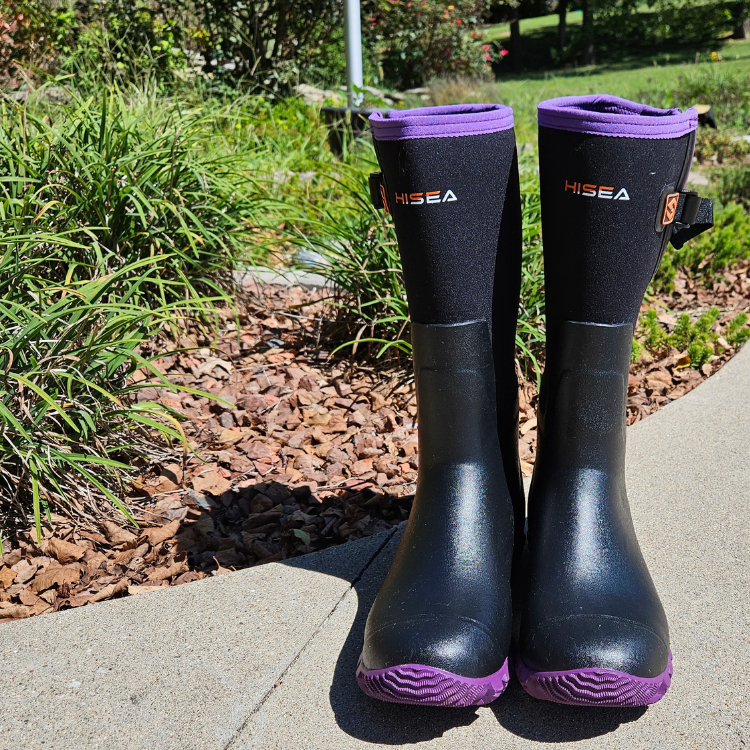
The use of boots in gardening is essential for both protection and functionality. Gardening often involves working in various conditions and environments, which can subject the feet to moisture, sharp objects, and dirt. Specialized gardening boots help mitigate these hazards while promoting comfort and stability during gardening tasks.
Protection Against Water
Gardening often requires working in wet conditions, such as watering plants or during rain. Boots specifically designed for gardening are typically waterproof or water-resistant, which helps to keep feet dry. This feature is crucial for preventing moisture-related issues such as fungal infections and discomfort while working.
- Waterproof Materials: Most gardening boots are made from materials that repel water, ensuring that feet stay dry.
- Sealed Seams: High-quality gardening boots often have sealed seams to prevent water infiltration.
- Breathable Design: Some boots include breathable fabrics that allow moisture to escape, reducing sweat buildup.
Protection from Sharp Objects
Gardening involves interacting with various tools and materials, which can include sharp objects like thorny plants or tools that may drop. Boots provide a layer of protection against such hazards, preventing cuts and injuries.
- Steel-Toe Options: Some gardening boots come with steel or composite toe caps that protect the feet from heavy items.
- Durable Materials: The materials used in gardening boots are often tougher, lessening the chances of punctures.
- High Top Design: Many boots are designed to cover the ankle, offering additional protection against incidental impacts.
Comfort During Extended Use
Gardening can require long hours of standing or kneeling, which may lead to foot fatigue. Gardening boots are designed to be ergonomic, providing comfort throughout extended periods of use.
- Cushioned Insoles: Many gardening boots include cushioned insoles that provide support and comfort throughout the day.
- Arch Support: Proper arch support helps reduce foot strain and fatigue during prolonged gardening activities.
- Shock Absorption: Some boots feature shock-absorbing soles that help lessen the impact on feet when standing on hard surfaces.
Traction on Various Surfaces
Gardening usually occurs on various surfaces, from muddy soil to rocky paths. Boots designed for gardening often have special outsoles providing excellent traction, ensuring safety while walking or standing.
See also:
- Textured Soles: Boots often come with textured or lugged soles that grip surfaces effectively to prevent slipping.
- Non-Slip Features: Many gardening boots have non-slip characteristics to enhance grip on wet or uneven terrain.
- Stability: A proper outsole design helps maintain balance on various surfaces, reducing the risk of accidents.
Easy Maintenance and Cleaning
Gardening can be a dirty job, and boots that are hard to clean can become a hassle. Boots made specifically for gardening typically feature materials that are easy to wash and maintain.
- Wipeable Surfaces: Many gardening boots are crafted from materials that can be easily wiped down after a gardening session.
- Machine Washable Options: Some gardening footwear is designed to withstand machine washing for easy upkeep.
- Resistant to Stains: Many boots are made from stain-resistant materials, maintaining a clean appearance with minimal effort.
Why do farmers wear boots?
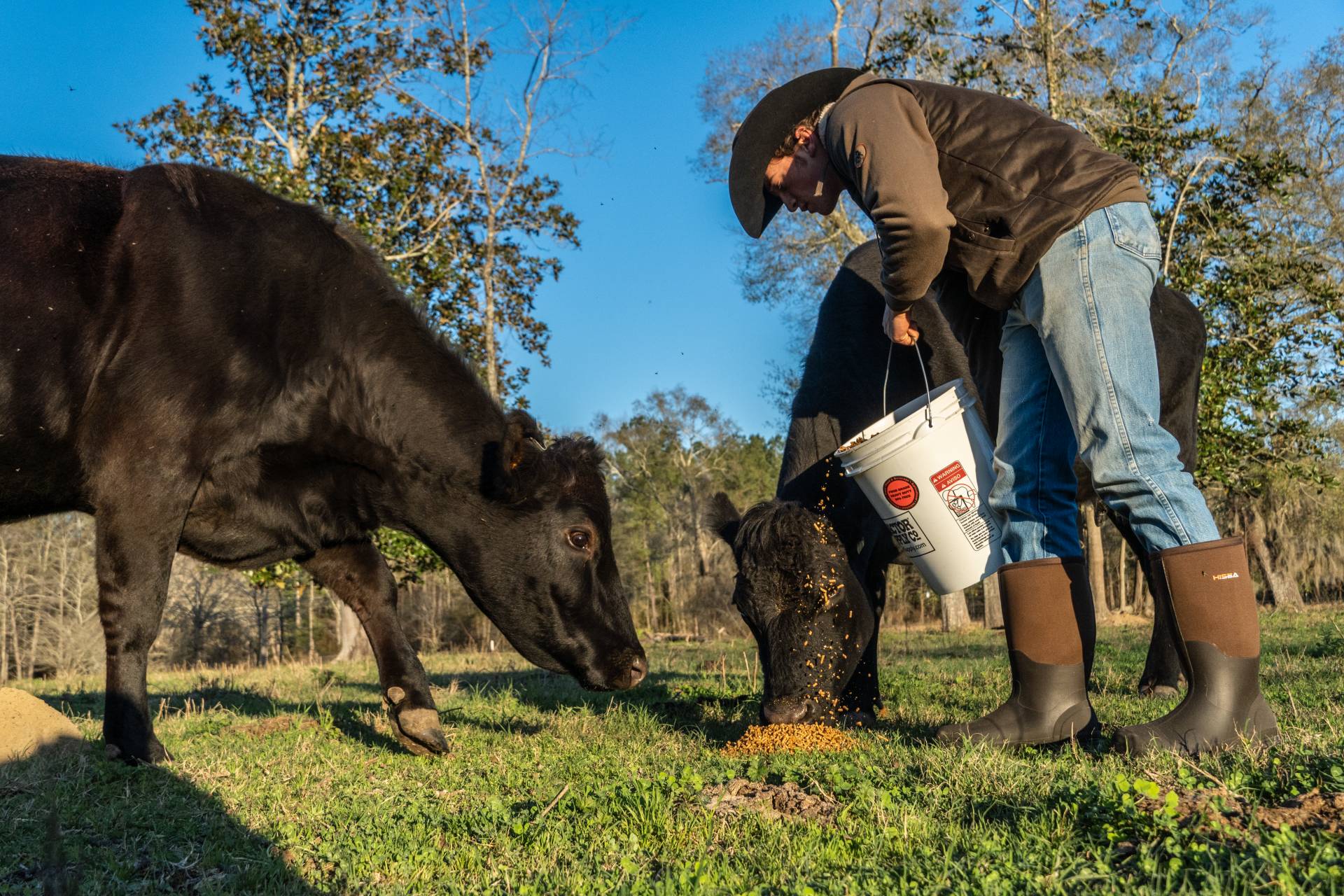
Farmers wear boots for a variety of practical reasons that relate to the demands of their work environment. The nature of farming often requires individuals to engage in activities that can be physically strenuous and hazardous. Here are some key reasons why boots are an essential part of a farmer’s attire.
Durability and Protection
Boots are designed to be tough and durable, providing protection against various environmental hazards. They shield the feet from sharp objects, rough terrains, and heavy machinery. The sturdy materials used in boots help prevent injuries that could occur from punctures or crushing.
- Made of tough materials like rubber or leather.
- Provide resistance to cuts and abrasions.
- Often feature reinforced toe caps for added safety.
Water Resistance and Waterproofing
Many types of farming involve exposure to wet conditions. Waterproof boots are essential for keeping feet dry while working in muddy fields or handling livestock. This feature also helps in maintaining the overall health and comfort of farmers during long working hours.
- Prevents water from soaking through to keep feet dry.
- Reduces the risk of blisters and fungal infections.
- Often designed with high ankle coverage to prevent water entry.
Comfort and Support
Farming involves long hours of standing and walking, so comfort and support are key considerations when choosing boots. High-quality boots are designed to provide arch support and cushioning, which minimizes fatigue and allows for better mobility during strenuous tasks.
- Features cushioned insoles for all-day comfort.
- Promotes a healthy posture, reducing strain on feet and back.
- Typically lined for extra comfort during extended use.
Traction and Stability
Farmers encounter a variety of terrains, from muddy fields to slippery barn floors. Boots with good traction provide stability, reducing the likelihood of slips and falls. This feature is crucial, especially when handling heavy equipment or livestock, where maintaining balance is vital.
- Equipped with slip-resistant outsoles for better grip.
- Designed for various surfaces, including mud, gravel, and wet grass.
- Enhances safety while working in unpredictable environments.
Weather Resistance
Farmers often work in varied weather conditions, including rain, snow, and intense sun. Specialized farming boots can be designed to withstand extreme temperatures and provide insulation to keep feet warm in cold weather. This adaptability makes them an essential component of farming apparel.
- Insulated options are available for cold weather.
- Heat-resistant boots for working in hot climates.
- Breathable materials to enhance comfort in warm weather.
What boots do the garden wear?

When considering the question of what boots the garden wears, it is often a metaphorical way of describing the types of footwear suitable for gardening tasks and outdoor activities. These boots play a crucial role in ensuring comfort, protection, and functionality while working in various garden conditions.
Types of Gardening Boots
Gardening boots come in several types, each designed for specific tasks and conditions. Understanding the different types can greatly enhance your gardening experience.
- Rubber Boots: Ideal for wet or muddy conditions, rubber boots are waterproof and easy to clean, making them a favorite among gardeners.
- Leather Boots: More durable and breathable, leather boots provide better support and protection, especially in dry conditions or uneven terrain.
- Insulated Boots: Perfect for gardening in cold weather, these boots are lined with materials that trap heat while still being waterproof.
Features to Look for in Gardening Boots
When selecting gardening boots, there are several key features to consider that can impact both comfort and safety during your gardening tasks.
- Waterproof Material: Ensure that your boots can withstand moisture to keep your feet dry.
- Non-Slip Sole: A good grip is essential to prevent slips and falls, particularly in muddy gardens.
- Easy to Clean: Look for materials that are easy to maintain and can withstand mud and dirt.
Benefits of Wearing Gardening Boots
Wearing appropriate gardening boots provides numerous benefits that can enhance the gardening experience and improve safety while working outdoors.
See also:
- Protection: Gardening boots protect your feet from sharp tools, heavy objects, and hazardous materials often found in garden settings.
- Comfort: Good gardening boots are designed for comfort, providing support for long periods of standing or walking.
- Durability: High-quality gardening boots can endure rough treatments, helping them last longer than regular footwear.
Seasonal Considerations for Gardening Boots
Different seasons can affect the type of gardening boots you need. Each season presents unique gardening challenges that can influence your choice of footwear.
- Spring: As the season tends to be muddy, waterproof rubber boots are ideal for working in damp soil.
- Summer: Breathable, lightweight materials are best for the warmth, offering ventilation and comfort.
- Autumn: Insulated boots are recommended as temperatures drop and conditions can become wet.
Popular Brands of Gardening Boots
A variety of brands produce specialized gardening boots designed for durability and comfort. Exploring these brands can help you find the right pair.
- Bogs: Known for their waterproof and insulated boots, perfect for colder climates.
- Sloggers: Offers a range of colorful, easy-to-clean rubber boots ideal for gardening.
- Dr. Martens: While traditionally known for fashion, their rugged boots also serve as practical gardening footwear.
Why do construction workers wear boots?
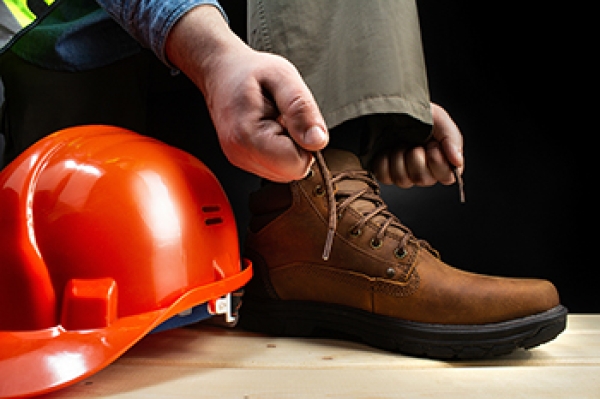
Construction workers wear boots primarily for safety and protection on job sites. These boots are designed to protect workers' feet from a variety of hazards that are commonly encountered in construction environments. The following are some of the main reasons why construction workers wear boots specifically designed for their field.
Protection from Heavy Objects
Construction sites often involve lifting, carrying, and moving heavy materials. If a heavy object were to fall on a worker's foot, it could result in severe injuries. Steel-toed boots are designed to protect against such accidents.
- They feature reinforced toe caps that can withstand significant impact.
- This helps in preventing crushing injuries to the toes and foot.
- Boots are made from durable materials that can endure harsh conditions.
Slip Resistance
Many construction sites have uneven surfaces, mud, oil, or water, which can lead to slips and falls. Construction boots typically have specialized soles that provide excellent traction.
- They are designed with patterns that help grip various surfaces.
- A slip-resistant sole reduces the risk of accidents significantly.
- Workers can move safely over slippery or uneven terrain.
Ankle Support
In the construction industry, workers often stand for long periods and move on uneven ground. Boots designed for this purpose typically provide ankle support, which helps prevent injuries.
- High-top designs help stabilize the ankle joint.
- Good ankle support is crucial for maintaining balance.
- It can prevent strains and sprains during strenuous activities.
Waterproofing
Weather conditions can be unpredictable, and construction workers often encounter wet environments. Waterproof boots protect workers from moisture, keeping their feet dry and comfortable.
- They are made using waterproof materials such as rubber or synthetic fabrics.
- Staying dry helps avoid blisters and other foot ailments.
- Waterproof boots allow for work in various weather conditions without compromising safety.
Compliance with Safety Regulations
Most construction companies are required to follow OSHA (Occupational Safety and Health Administration) regulations, which mandate the use of appropriate footwear. Wearing certified safety boots ensures compliance with these regulations.
- Shoes must meet specific safety standards to be deemed suitable for construction work.
- Compliance helps protect workers and avoids penalties for the employer.
- It reflects a commitment to workplace safety and health.
Questions from Our Readers
Why do gardeners wear boots?
Gardeners wear boots primarily to protect their feet from wet, muddy conditions and sharp objects in the soil. Boots provide durability and support while working in the garden, ensuring that the gardener can move around comfortably without risking injuries.
What types of boots are best for gardening?
The best boots for gardening are typically made of waterproof materials to keep feet dry and are designed with a non-slip sole for good traction. Rain boots, rubber boots, and garden clogs are popular choices as they offer protection and easy clean-up after gardening tasks.
Do gardening boots provide any health benefits?
Yes, wearing proper gardening boots can provide health benefits such as reducing foot fatigue and minimizing the risk of injuries from punctures or slips. Good boots offer support to the arch and heels, promoting better posture while working in the garden.
Can I use regular shoes for gardening instead of boots?
While it is possible to use regular shoes for gardening, investment in boots specifically designed for gardening is advisable. Regular shoes may not provide enough protection from the elements or sharp objects, and they can easily become damaged or dirty.
See also:

If you want to read more articles like Why Do Gardeners Wear Boots? Discover the Benefits and Importance for Your Gardening Success, we recommend you check out our Garden category.
Leave a Reply
Related Articles