What Reduces Fungi in Soil? Effective Strategies for Healthy Gardens and Lawns

Maintaining a healthy garden and lawn requires understanding the complex interactions between soil health and fungal presence. While some fungi can be beneficial, excessive growth can lead to issues such as plant disease and compromised soil structure. This article explores effective strategies for reducing unwanted fungi in soil, including cultural practices, soil amendments, and biological control methods. By implementing these techniques, gardeners can promote a balanced ecosystem, enhance plant vigor, and achieve lush, thriving outdoor spaces. Discover practical tips to cultivate healthier soils and ensure that your garden and lawn flourish without the hindrance of detrimental fungal growth.
Factors That Reduce Fungi in Soil
Soil fungi are an integral part of the ecosystem, but their overgrowth can lead to plant diseases and reduced agricultural productivity. Several factors contribute to the reduction of fungi in soil, including changes in moisture levels, soil pH, nutrient availability, and the presence of certain microbial communities. For instance, increased moisture can create a favorable environment for fungal proliferation, while low organic matter content can limit fungal growth. Additionally, practices such as crop rotation and the introduction of beneficial bacteria can help suppress pathogenic fungi by competing for resources or directly inhibiting their growth, making them vital for maintaining healthy soil ecosystems.
Moisture Levels
The moisture content of the soil is crucial in regulating fungal populations. Excessive moisture can promote fungal growth, as fungi thrive in damp conditions. Conversely, maintaining appropriate moisture levels through practices such as drainage and irrigation management can help mitigate the risk of fungal outbreaks. Moreover, dry conditions can lead to a decrease in harmful fungi, promoting healthier soil.
Soil pH
Soil pH plays a significant role in influencing fungal growth and diversity. Most fungi prefer a neutral to slightly acidic pH, usually between 6.0 and 7.5. When soil pH becomes too low (acidic) or too high (alkaline), it can negatively impact the viability and reproduction of many fungal species. Amending soil with lime to raise pH or using sulfur to lower pH can help create a less favorable environment for certain fungi, thereby promoting healthier soil.
Nutrient Availability
The availability of essential nutrients in the soil can significantly affect fungal populations. High levels of nitrogen and phosphorus can boost fungal growth, especially those associated with plant diseases. Adjusting nutrient management practices, such as using balanced fertilizers and maintaining adequate organic matter in the soil, can help decrease the dominance of harmful fungi by promoting healthier soil microbiomes that outcompete them.
Beneficial Microbial Communities
Encouraging the growth of beneficial microbes in the soil can be a natural method to suppress harmful fungi. Certain bacteria and fungi form mutualistic relationships that inhibit the growth of pathogens. For example, mycorrhizal fungi enhance nutrient uptake for plants while protecting against harmful soil fungi through competition. Implementing practices such as composting and cover cropping can foster these beneficial communities, thus reducing pathogenic fungi effectively.
Cultural Practices
Effective cultural practices can greatly reduce the prevalence of fungi in soil. Tactics such as crop rotation, tillage, and proper spacing of plants help disrupt the life cycles of fungal pathogens and reduce their spread. Using disease-resistant crops can also minimize the impact of soil-borne fungi. By implementing these strategies, farmers can promote a more resilient soil ecosystem that naturally controls fungal populations.
| Factor | Impact on Fungi |
|---|---|
| Moisture Levels | Excess moisture promotes growth; low moisture decreases populations. |
| Soil pH | Optimal pH (6.0-7.5) supports beneficial fungi; extremes inhibit growth. |
| Nutrient Availability | High nutrients can enhance pathogenic fungi; balanced nutrients promote health. |
| Beneficial Microbial Communities | Promoting beneficial microbes can outcompete and suppress harmful fungi. |
| Cultural Practices | Effective practices disrupt fungal life cycles and reduce disease spread. |
What prevents fungi from growing?
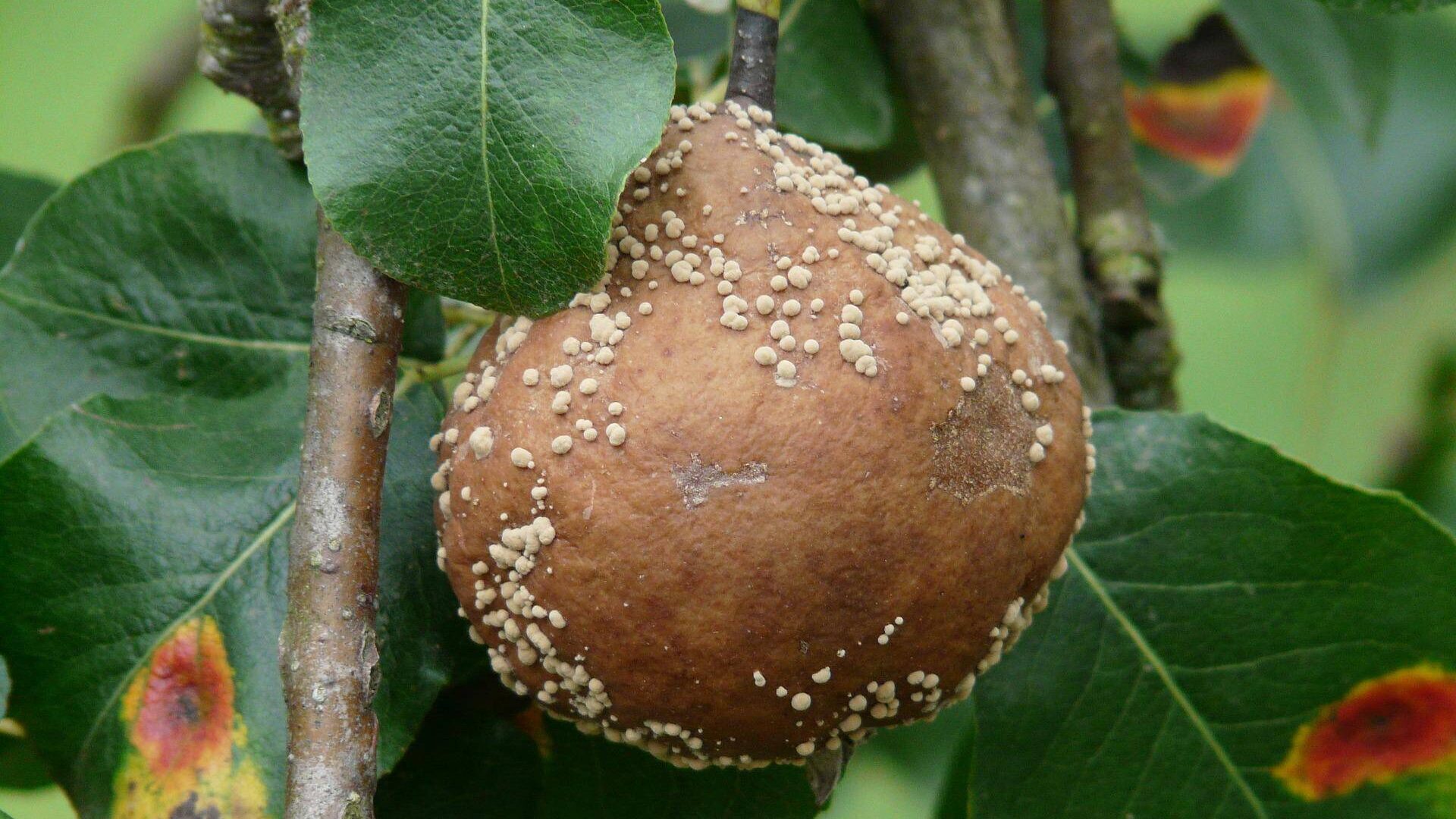
Fungi are a diverse group of organisms that can be found in many environments. However, several factors can inhibit their growth. Understanding these factors is essential for managing fungal growth in various settings, such as agriculture, food storage, and healthcare.
Environmental Conditions
Environmental conditions significantly influence fungal growth. Fungi thrive in warm, moist environments, so minimizing these conditions can prevent their development.
See also:
- Temperature: Most fungi prefer temperatures between 20-30°C (68-86°F). Keeping environments cooler can deter growth.
- Humidity: Low humidity levels can create an inhospitable environment for fungi. Maintaining relative humidity below 60% is beneficial.
- Air Circulation: Proper air circulation helps to reduce humidity and prevent stagnant air, which encourages fungal proliferation.
Antifungal Agents
Using antifungal agents can effectively prevent fungi from growing. These substances target fungal cells and impede their growth or kill them outright.
- Chemical Treatments: Agents like azoles, echinocandins, and polyenes are used agriculturally and medically to manage fungal infections.
- Natural Antifungals: Substances like tea tree oil, garlic, and coconut oil have demonstrated antifungal properties that can inhibit fungal growth.
- pH Modification: Altering pH levels in certain environments, such as food preservation, can create unfavorable conditions for fungi.
Nutrient Competition
Fungi require nutrients to grow, and limiting their access to essential nutrients can help prevent their proliferation.
- Use of Nutrient-Rich Substrates: Providing competitive microorganisms or substances that favor their growth can inhibit fungal access to nutrients.
- Soil Management: In agriculture, rotating crops and utilizing cover crops can improve soil health and reduce fungal pathogen populations.
- Sanitation Practices: Maintaining cleanliness in food storage areas ensures that fungi do not have easy access to nutrients.
Natural Predators and Biological Control
Utilizing natural predators and biological control agents can help keep fungal populations in check.
- Beneficial Microorganisms: Certain bacteria and other fungi can compete with or directly inhibit pathogenic fungi.
- Insects: Some insects feed on fungi, which can reduce fungal populations significantly in certain ecosystems.
- Biopesticides: Products derived from natural materials can effectively control fungal growth without the negative impacts of synthetic chemicals.
Physical Barriers
Creating physical barriers can be an effective strategy to prevent fungi from growing in various settings.
- Sealing and Insulation: Properly sealing buildings and insulating materials can keep moisture levels low and deter fungal growth.
- Use of Containers: Storing food and organic materials in airtight containers can help prevent fungal contamination.
- Spacing and Layout: In gardening and agriculture, proper spacing between plants promotes air circulation and reduces the chance of fungal outbreaks.
What eats fungi in soil?

Fungi are an essential component of soil ecosystems, serving as decomposers and symbiotic partners for many plants. However, they are not static entities; various organisms consume fungi in the soil, contributing to nutrient cycling and maintaining ecological balance. The primary consumers of fungi include a variety of soil-dwelling organisms.
Microorganisms
Microorganisms, particularly bacteria and protists, play a crucial role in the soil food web by feeding on fungi. These microbial communities break down fungal cell walls and exploit the nutrients released during this process.
- Bacteria: Certain bacteria specialize in degrading fungal mycelium, converting it into simpler compounds that can be utilized by plants.
- Protists: These single-celled eukaryotes, including amoebas, consume fungi as a food source, helping control fungal populations.
- Decomposition: The actions of microorganisms contribute significantly to the decomposition process, enhancing soil fertility.
Soil Invertebrates
Soil invertebrates such as nematodes, mites, and earthworms are significant consumers of fungi. They feed on fungal hyphae and help to aerate the soil while recycling nutrients.
- Nematodes: Some species of nematodes are fungivorous, specifically feeding on fungi and helping regulate their populations.
- Fungal-feeding mites: These tiny arthropods rely on fungi as their primary food source, playing essential roles in the soil food web.
- Earthworms: While primarily detritivores, earthworms consume fungi as part of their diet, aiding in soil structure and nutrient cycling.
Macrofauna
Larger soil organisms, collectively referred to as macrofauna, also consume fungi. This group includes creatures such as larger insects and mammals that contribute to soil dynamics.
- Insects: Various insect larvae will feed on fungi, with some species developing as part of their life cycle.
- Mammals: Species such as rodents often consume fungi as part of their foraging habits, facilitating spore dispersal.
- Impact on Fungal Diversity: By consuming fungi, macrofauna can influence fungal diversity and distribution within the soil.
Pathogens
Fungal pathogens, both of fungi and plants, also contribute to the dynamics of soil fungi. Certain organisms may directly feed on fungal bodies, influencing the soil ecosystem.
See also:
- Mycoparasites: These fungi can predate on other fungi, integrating into the complex interactions of soil organisms.
- Bacteria pathogens: Specific bacteria target fungal species, helping to shape the fungal community structure.
- Ecological Role: Pathogens help maintain the balance within the soil ecosystem by controlling fungal populations.
Fungi Mutualists and Commensals
Some fungi have mutualistic or commensal relationships with other organisms, leading to an indirect consumption of rival fungal species.
- Mycorrhizal fungi: These fungi form beneficial relationships with plant roots, which may inhibit or outcompete other fungi in the vicinity.
- Ants and Termites: Certain species cultivate fungi as a food source, effectively managing fungal populations in their habitats.
- Competitive Dynamics: The interactions between various fungi and their mutualists can result in complex competitive dynamics that shape soil fungal communities.
What kills or inhibits the growth of fungi?

Fungi can be detrimental in various contexts, from agricultural pests to human pathogens. Several methods can effectively inhibit their growth or lead to their destruction. The main factors that kill or inhibit the growth of fungi include antifungal medications, environmental conditions, chemical agents, and biological controls. Each of these components interacts differently with fungi, utilizing various mechanisms to prevent their proliferation.
Antifungal Medications
Antifungal medications are specifically designed to kill or inhibit the growth of fungi. They target various cellular components or processes, making them effective against harmful fungal infections. Common types of antifungal drugs include:
- Azoles: These disrupt the synthesis of ergosterol, an essential component of fungal cell membranes.
- Echinocandins: They inhibit the synthesis of glucan, which is vital for maintaining the integrity of the fungal cell wall.
- Polyenes: These bind to ergosterol in the fungal cell membrane, creating pores that lead to critical loss of cellular contents.
Environmental Conditions
Certain environmental conditions can naturally inhibit fungal growth. Fungi thrive in specific conditions, and altering these can help control their populations. Key environmental factors include:
- Moisture levels: Fungi generally require high humidity to grow. Lowering moisture can reduce their proliferation significantly.
- Temperature: High or low temperatures can slow down or halt fungal growth. For instance, freezing temperatures can kill many fungi.
- Light exposure: Some fungi are inhibited by exposure to sunlight, which can affect their reproductive cycles and survival.
Chemical Agents
Various chemical agents can be applied to kill or inhibit fungi in agricultural or clinical settings. These chemicals can act through several mechanisms, which are beneficial in different scenarios. Common chemical agents include:
- Fungicides: These are chemicals formulated to specifically target fungi, often applied in agricultural settings to protect crops.
- Disinfectants: Products that contain bleach or alcohol can effectively neutralize fungal spores on surfaces.
- Organic fungicides: Derived from natural sources, these can control fungi without the harsh effects of synthetic chemicals.
Biological Controls
Biological control involves using living organisms to suppress fungal populations. This method can be more environmentally friendly and sustainable than chemical alternatives. Examples of biological controls include:
- Beneficial microbes: Certain bacteria and fungi can outcompete pathogenic fungi for nutrients and space.
- Natural predators: Some insect species feed on fungi, helping to control their numbers.
- Biopesticides: These are formulations that include natural organisms or their byproducts to combat fungal infections.
Host Resistance
Improving the resistance of host plants or animals to fungal infections can also inhibit fungi. This method is especially important in agriculture and animal husbandry. Key strategies include:
- Genetic modification: The use of resistant plant varieties that have been genetically altered to withstand fungal attacks.
- Crop rotation: Alternating crops can disrupt the life cycle of soil-borne fungi, reducing their prevalence.
- Integrated Pest Management: This approach combines biological, chemical, and cultural practices to enhance host resistance effectively.
Questions from Our Readers
What natural methods can reduce fungi in soil?
There are several natural methods to reduce fungi in soil, including the use of compost, which encourages beneficial microorganisms that outcompete harmful fungi. Implementing crop rotation and planting fungi-resistant varieties can also help in managing fungal populations.
How do chemical treatments affect fungi in soil?
Chemical treatments, such as fungicides, can effectively reduce fungi in soil; however, they may also harm beneficial organisms and disrupt the ecosystem. It's essential to use them carefully and consider the potential impact on the soil health and surrounding environment.
See also:
What role do soil amendments play in reducing fungi?
Soil amendments, such as lime and organic matter, can help alter the pH and nutrient profile of the soil, making it less favorable for harmful fungi. By improving overall soil structure and promoting healthy microbial activity, these amendments contribute to a more balanced ecosystem.
Can specific plants help in managing soil fungi?
Yes, certain plants, known as cover crops, can help manage soil fungi by suppressing their growth and promoting healthier soil. For instance, mustard and sorghum have been shown to release compounds that deter fungal pathogens, thereby enhancing the health of the soil.

If you want to read more articles like What Reduces Fungi in Soil? Effective Strategies for Healthy Gardens and Lawns, we recommend you check out our Soil category.
Leave a Reply
Related Articles