Effective Strategies on How to Get Rid of Fungal Disease in Soil?

Fungal diseases in soil can pose significant challenges for gardeners and farmers alike, often leading to reduced crop yields and compromised plant health. Understanding how to effectively manage and eliminate these harmful pathogens is crucial for maintaining a thriving garden or agricultural operation. This article explores a range of effective strategies designed to combat fungal diseases in soil, from cultural practices to chemical treatments. By implementing these techniques, you can enhance soil health, promote robust plant growth, and ultimately ensure a more productive and sustainable environment for your plants to flourish.
How to Effectively Eliminate Fungal Diseases in Soil?
The most effective way to get rid of fungal diseases in soil is to adopt a multi-faceted approach that includes improving soil health, adjusting watering practices, and utilizing organic or chemical treatments. Start by ensuring proper drainage and aeration in your soil; overly saturated conditions promote fungal growth. Implementing crop rotation can also help disrupt the life cycle of pathogens. Additionally, practicing sanitation by removing infected plant debris and sterilizing gardening tools will minimize the risk of re-infection. Using fungicides is another method, but they should be applied judiciously and as a last resort to avoid harming beneficial organisms in the soil.
Understanding Fungal Diseases
Fungal diseases are a common issue in gardens and can manifest through symptoms such as wilting, leaf spots, and root rot. These diseases are caused by various fungi that thrive in humid and moist conditions, often taking hold in overwatered or poorly drained soils. Understanding the specific type of fungal pathogen at work can aid in choosing the correct method of treatment, as different fungi may require different approaches for effective removal.
Soil Management Practices
Effective soil management practices are vital in preventing and controlling fungal diseases. This includes practices like maintaining proper soil moisture, utilizing raised beds for better drainage, and incorporating organic matter to improve soil structure and nutrient content. Regularly testing the soil can identify imbalances that lead to fungal proliferation, allowing for timely adjustments such as pH correction or nutrient supplementation.
Organic Treatments for Fungal Infections
There are numerous organic treatments available that can help alleviate fungal diseases without harming the ecosystem of the soil. Options such as compost tea, neem oil, or a mixture of baking soda and water can act as effective fungicides. These natural solutions can strengthen plant defenses and create an unfavorable environment for fungal spores to thrive, making them a safer alternative to synthetic chemicals.
Chemical Fungicides: When and How to Use Them
If organic methods fail to control the fungal outbreak, chemical fungicides may be necessary. It’s essential to read labels carefully and follow the recommended application rates and safety precautions. Timing is crucial; applying fungicides before the symptoms become severe can prevent the disease's spread. Moreover, always consider the potential impact on beneficial organisms in the soil when choosing to use chemical treatments.
Preventing Future Outbreaks
To prevent future outbreaks of fungal diseases, it is critical to implement preventive measures. Practices such as rotating crops, providing adequate space between plants for air circulation, and ensuring proper watering techniques will greatly minimize the chances of recurring infections. Additionally, regularly inspecting plants for early signs of disease and removing any affected foliage can help curb the spread of fungi in the garden.
| Fungal Disease | Symptoms | Causal Organism | Control Method |
|---|---|---|---|
| Root Rot | Wilting, yellowing | Various fungi | Improve drainage |
| Powdery Mildew | White powdery spots | Erysiphe spp. | Neem oil |
| Leaf Blight | Browning edges, spots | Alternaria spp. | Crop rotation |
| Fusarium Wilt | Yellowing, wilting | Fusarium oxysporum | Soil solarization |
| Botrytis Blight | Gray mold growth | Botrytis cinerea | Increase airflow |
How long does fungus last in soil?

Fungus can persist in soil for varying periods, depending on several environmental factors and the type of fungi involved. Generally, fungi can survive in soil from a few weeks to several years. The longevity of fungal spores and mycelium (the vegetative part of fungi) in the soil can be influenced by the following factors:
1. Environmental Conditions: Moisture, temperature, and pH levels play significant roles. Fungi thrive in humid conditions and moderate temperatures.
2. Scale of Infection: Fungal diseases can leave spores in the soil for a longer duration, especially for soil-borne pathogens.
3. Soil Type: Different soil types have varying capacities for holding moisture and nutrients, which can impact fungal survival.
4. Organic Matter: The presence of organic matter provides a food source for fungi, potentially extending their lifespan in the soil.
Factors Affecting Fungal Longevity in Soil
Fungal longevity in soil is influenced by a multitude of factors, each contributing to the overall health and survival of the fungi. The key factors include:
- Moisture Level: Adequate moisture is critical for the survival of fungal spores.
- Temperature: Fungi generally prefer temperatures between 20°C and 30°C (68°F to 86°F).
- Soil pH: Most fungi grow well in slightly acidic to neutral pH levels.
Types of Fungi and Their Soil Persistence
Different fungal species exhibit distinct survival rates in the soil. Some common types include:
- Pathogenic Fungi: These can survive in the soil for long periods and may remain dormant until conditions are favorable.
- Mycorrhizal Fungi: These often have a symbiotic relationship with plant roots and can persist in soil for several years.
- Decomposing Fungi: These fungi help in breaking down organic matter and can thrive as long as there is food available.
Impact of Soil Management Practices
Soil management practices can significantly affect fungal survival. Practices such as:
See also:
- Crop Rotation: Rotating crops can reduce the prevalence of certain soil-borne fungi.
- Organic Amendments: Adding organic matter can alter fungal communities and their longevity.
- Pesticide Use: Applying fungicides may reduce the populations of certain fungi but can also affect beneficial species.
Detection and Diagnosis of Soil Fungi
Identifying and diagnosing soil fungi requires understanding their characteristics:
- Visual Inspection: Look for signs such as discoloration of plants or unusual growth patterns.
- Soil Sampling: Collect samples for laboratory testing to determine specific fungal populations.
- Using Molecular Techniques: Advanced techniques, such as PCR, can help in identifying fungal species present in the soil.
Role of Fungi in Soil Health
Fungi play an essential role in maintaining soil health, contributing to processes like:
- Nutrient Cycling: Fungi break down organic materials, contributing to nutrient availability for plants.
- Soil Structure Improvement: Fungal mycelium helps in binding soil particles, enhancing soil structure.
- Plant Growth Promotion: Some fungi form beneficial relationships with plants, increasing their growth and resilience.
How to disinfect soil from fungus in potting soil?
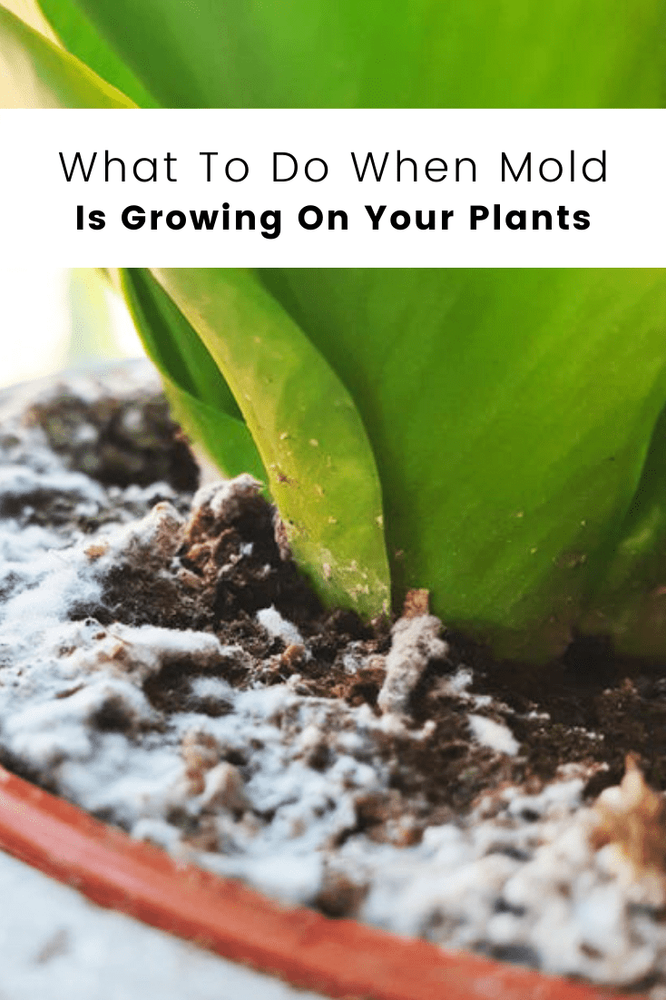
To disinfect soil from fungus in potting soil, it’s crucial to adopt methods that effectively eliminate fungal spores and pathogens without harming beneficial organisms in the soil. Here are some recommended approaches:
1. Solarization
Solarization is a natural way to disinfect soil using sunlight. This method raises soil temperatures to a level that kills many pathogens.
- Prepare the Soil: Remove any plant debris and weeds that may harbor fungal spores.
- Moisten the Soil: Water the soil adequately to increase moisture content, which enhances the solarization effect.
- Cover the Soil: Use clear plastic sheeting to cover the moist soil for 4-6 weeks, allowing sunlight to penetrate and heat the soil effectively.
2. Chemical Disinfectants
Using chemical fungicides or disinfectants can help in controlling fungal infections.
- Choose the Right Product: Look for fungicides that are specifically designed for soil treatment.
- Follow Instructions: Always read the label and use the product according to the manufacturer's instructions to ensure safety and effectiveness.
- Apply Properly: Mix the fungicide with water and distribute it evenly across the soil surface, allowing it to soak in deeply.
3. Boiling Water Treatment
Boiling water can be a simple and effective way to eliminate fungi in potting soil.
- Heat Water: Bring a pot of water to a rolling boil.
- Pour Over Soil: Carefully pour the boiling water directly onto the soil, soaking it thoroughly.
- Let it Cool: Allow the soil to cool down completely before replanting, as the high temperature will kill unwanted fungal spores.
4. Hydrogen Peroxide Solution
Hydrogen peroxide acts as an oxidizing agent that can effectively combat fungal issues in soil.
- Prepare the Solution: Mix a solution containing 1 part hydrogen peroxide (3% concentration) to 10 parts water.
- Application: Water the soil with this solution, ensuring it penetrates deeply.
- Wait for Results: Observe the soil for any signs of improvement and repeat as necessary.
5. Using Beneficial Microorganisms
Introducing beneficial microorganisms can help suppress fungal growth through competition and antagonism.
- Choose Beneficial Options: Look for products containing mycorrhizae or beneficial bacteria.
- Application: Incorporate the microorganisms into the soil according to product directions.
- Observe Changes: Monitor the soil condition over time to ensure that beneficial organisms thrive and help keep harmful fungi at bay.
How to remove disease from soil?
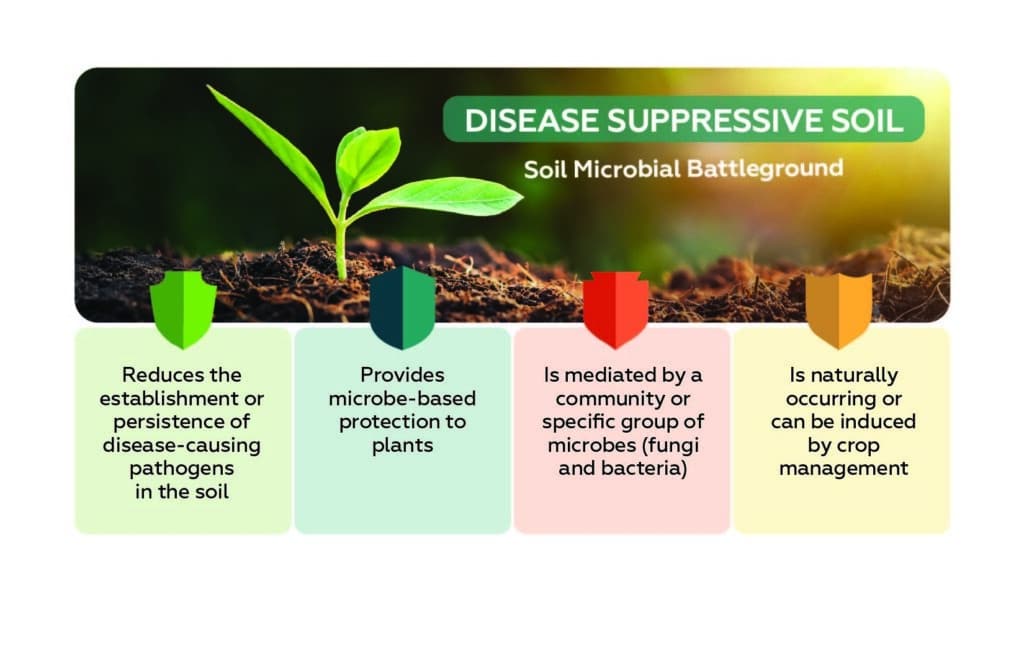
To effectively remove diseases from soil, it is essential to adopt a multi-faceted approach that targets the pathogens while promoting healthy soil ecology. Here are some strategies to consider:
Understanding Soil Diseases
Soil diseases are often caused by various pathogens, including fungi, bacteria, and nematodes. Understanding the specific pathogens involved is crucial for effective management. Common indicators of soil diseases include stunted plant growth, yellowing leaves, and poor yields.
- Identify the symptoms of soil disease.
- Test the soil to determine pathogen presence.
- Research the specific pathogens affecting your soil.
Crop Rotation
Implementing crop rotation is an effective method to manage soil diseases. Rotating crops disrupts the life cycle of pests and pathogens that may be present in the soil. By alternating different types of plants, particularly those that are less susceptible to specific diseases, the soil's disease cycle can be broken.
See also:
- Plan a rotation schedule based on crop families.
- Include cover crops to enhance soil health.
- Monitor plant health and adjust rotations as necessary.
Soil Solarization
Soil solarization utilizes sunlight's energy to heat the soil and eliminate pathogens. This method involves covering the soil with clear plastic for several weeks, effectively raising the soil temperature to levels that can kill microbial life, including harmful pathogens.
- Prepare the soil by removing debris and weeds.
- Water the soil to enhance heat retention.
- Cover with clear plastic and secure the edges.
Using Biological Control Agents
Incorporating biological control agents can significantly reduce soil disease prevalence. These agents include beneficial microorganisms that compete with or inhibit harmful pathogens. Using these natural alternatives can enhance soil microbiome health.
- Identify suitable biological agents for your specific diseases.
- Apply these agents according to manufacturer instructions.
- Monitor the effectiveness of biological controls in the soil.
Soil Amendments and Nutrient Management
Proper soil amendments and nutrient management play a vital role in mitigating soil diseases. Ensuring that the soil has the right nutrients promotes plant health and resistance to disease. Adding organic matter can improve soil structure and boost microbial diversity.
- Test soil nutrient levels regularly.
- Apply organic matter such as compost or manure.
- Balance nutrient inputs based on specific plant needs.
Can you reuse soil that has a fungus?

Reusing soil that has a fungus is a topic of considerable importance for both amateur and professional gardeners. While soil can potentially be reused even when it contains fungi, several factors must be taken into account. Understanding the type of fungus present, the health of your plants, and the overall condition of the soil is crucial before deciding on reuse.
Understanding Fungal Infections
Fungi in the soil can be beneficial or harmful, depending on their species. Knowing the difference between pathogenic fungi and mycorrhizal fungi is key to determining whether the soil can be reused.
- Pathogenic fungi can cause diseases in plants and may negatively impact their health.
- Mycorrhizal fungi form symbiotic relationships with plants, aiding in nutrient absorption and are beneficial.
- Identifying the specific type of fungus will help you make informed decisions regarding soil reuse.
Assessing Soil Health
Before reusing soil with fungus, it's vital to assess the overall health of the soil. Factors like pH levels, nutrient availability, and moisture can influence the development of fungal species.
- Check the pH level to ensure it is suitable for the plants you intend to grow.
- Evaluate nutrient content; soil poor in nutrients can lead to more fungal growth.
- Examine moisture levels as overly wet soil can foster fungal development.
Methods for Managing Fungi
If you determine that the fungi are harmful, you can take specific steps to manage or eliminate them before reusing the soil. Different methods can be deployed based on the severity of the infestation.
- Solarization: Covering the soil with plastic can raise temperatures enough to kill many types of pathogens.
- Fumigation: Using specific chemicals or natural alternatives can help eliminate harmful fungi.
- Composting: Letting the soil decompose with organic matter might help boost beneficial microorganisms.
Precautions When Reusing Soil
When you opt to reuse soil that contains fungi, certain precautions should be taken to protect new plants. These preventative measures will help minimize the risk of spreading pathogens.
- Ensure that any containers are thoroughly cleaned to avoid cross-contamination.
- Consider mixing reused soil with fresh soil to dilute harmful organisms.
- Monitor new plants closely for any signs of disease after planting in reused soil.
Benefits of Reusing Soil
Despite the presence of fungus, reusing soil can offer several advantages if handled correctly. The benefits must be weighed against potential risks.
- Cost-effective: Reusing soil can save money on purchasing new growing media.
- Resource conservation: Reduces the need for disposal or landfilling of soil.
- Soil structure improvement: Experienced gardeners can enhance soil aeration and drainage by adding organic matter.
Questions from Our Readers
What are the signs of fungal disease in soil?
Fungal disease in soil can manifest through discolored or wilting plants, unusual molds, or fungal growths visible on the soil surface. You may also notice stunted growth in plants and poor root development. Early detection is crucial to manage the issue effectively.
How can I prevent fungal diseases in my soil?
To prevent fungal diseases, it's important to maintain proper soil drainage, avoid overwatering, and practice crop rotation. Additionally, using sterilized soil and organic amendments can help promote a healthy microbial balance, reducing the likelihood of fungal infestations.
What treatments are available for fungal diseases in soil?
Treatments for fungal diseases often include the application of fungicides, organic treatments like trichoderma or compost tea, and improving soil aeration. Regularly monitoring your plants and soil conditions can enhance the effectiveness of these treatments and prevent future outbreaks.
See also:
Can I reuse soil infected with fungal disease?
Reusing soil infected with fungal disease is generally not recommended without proper sterilization. You can solarize the soil by covering it with clear plastic for several weeks to heat-kill pathogens, or you can replace it with fresh, uncontaminated soil to ensure a healthy growing environment.

If you want to read more articles like Effective Strategies on How to Get Rid of Fungal Disease in Soil?, we recommend you check out our Soil category.
Leave a Reply
Related Articles