Proven Methods: How to Make Soil More Acidic for Blueberries Naturally?
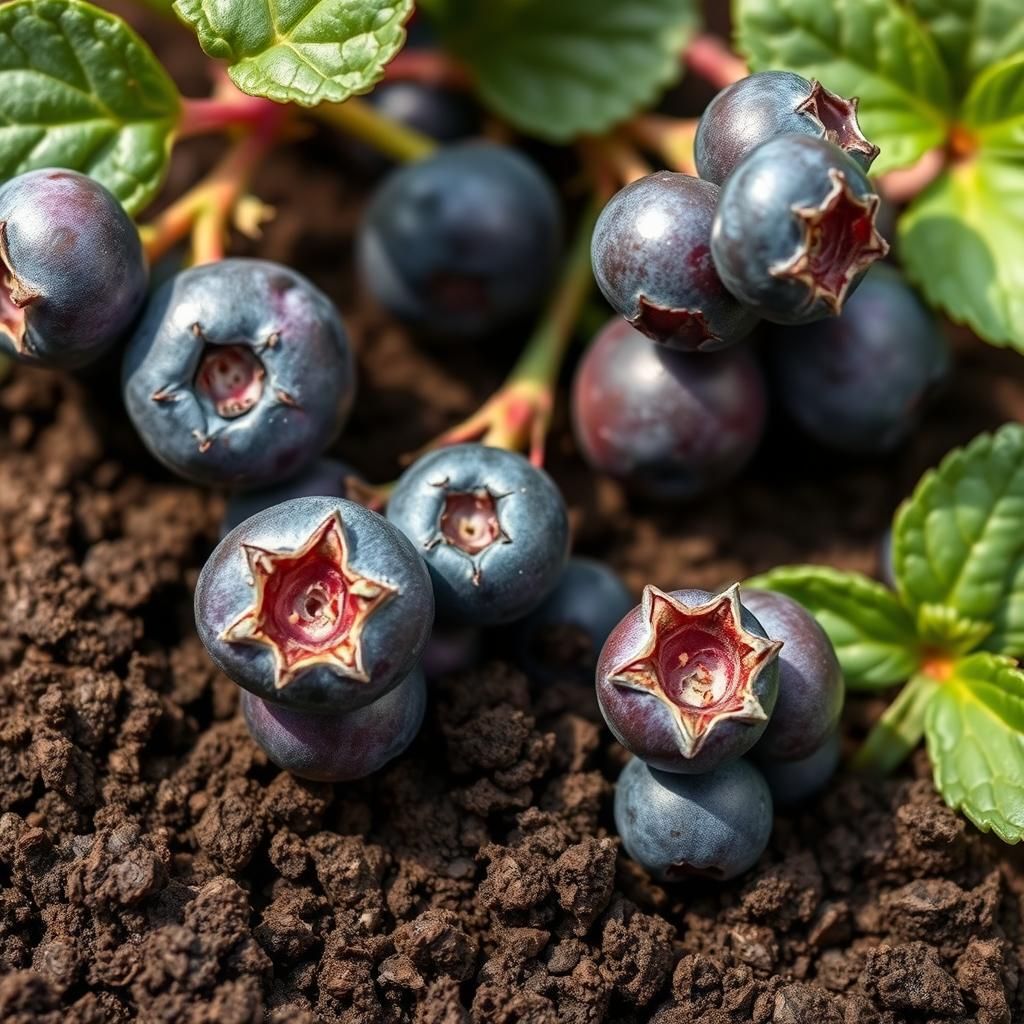
Blueberries thrive in acidic soil, making it essential for gardeners and farmers to understand how to create the ideal environment for these vibrant fruits. While there are commercial products available to adjust soil pH, many enthusiasts prefer natural methods to enhance soil acidity without the use of chemicals. This article explores proven techniques to naturally lower soil pH, ensuring optimal growth and successful blueberry harvesting. From organic amendments to strategic planting practices, these methods not only benefit blueberry bushes but also contribute to a healthier ecosystem, promoting sustainability in gardening. Discover how to cultivate delicious blueberries with nature-friendly approaches.
How to Naturally Acidify Soil for Blueberries
To create the optimal environment for blueberries, it's essential to ensure that the soil is adequately acidic. One effective method to naturally lower soil pH is by incorporating organic materials such as pine needles, sawdust, or peat moss into the soil. These amendments not only enhance acidity but also improve soil structure and nutrient retention. Additionally, applying elemental sulfur can gradually decrease the pH level, making it more favorable for blueberry cultivation. Regular testing of soil pH using a test kit can help track changes and ensure the desired acidity is reached.
Understanding Soil pH Levels
The pH scale measures how acidic or alkaline a substance is, ranging from 0 to 14, with 7 being neutral. For blueberries, the ideal soil pH is between 4.5 and 5.5, which allows for better nutrient uptake tailored for their growth requirements. When the soil's pH level exceeds 5.5, it can lead to nutrient deficiencies, affecting plant health and yields.
Using Organic Mulch
Incorporating organic mulch like pine needles around blueberry plants is an excellent way to maintain soil acidity. As the mulch decomposes, it releases organic acids into the soil, thereby lowering the pH levels progressively. Moreover, this practice not only aids in acidity but also conserves moisture and suppresses weed growth, providing a holistic approach to blueberry cultivation.
Applying Elemental Sulfur
Elemental sulfur is a widely used natural amendment for acidifying soil. When added to soil, soil bacteria convert sulfur into sulfuric acid, thus lowering the pH. It’s important to apply this amendment carefully, as it requires several months to take effect. Regular monitoring of soil pH after application is vital to determine when additional sulfur may be needed to achieve the target acidity.
Incorporating Peat Moss
Peat moss not only improves soil acidity but also enhances its structure and drainage. Mixing peat moss into the planting area provides a rich environment for blueberries. When considering peat's impact on soil pH, it's crucial to note that it can help maintain moisture levels and contribute to the overall health of the soil ecosystem, essential for optimal plant growth.
Testing Soil for Acidity
Regular soil testing is fundamental to monitor the changes in pH level and ensure that the amendments are effective. Home testing kits or laboratory services can provide accurate readings and suggestions for necessary adjustments. By understanding the soil's current pH, growers can create precise plans for amending the soil to bring it within the desired range for healthy blueberry growth.
| Method | Impact on pH | Benefits |
|---|---|---|
| Pine needles | Lowers pH gradually | Moisture retention, weed suppression |
| Elemental sulfur | Effective long-term reduction | Precision in achieving desired pH |
| Peat moss | Acidifies and aids drainage | Rich organic matter |
| Regular testing | Monitors pH levels | Informed amendment decisions |
How to quickly acidify soil for blueberries?
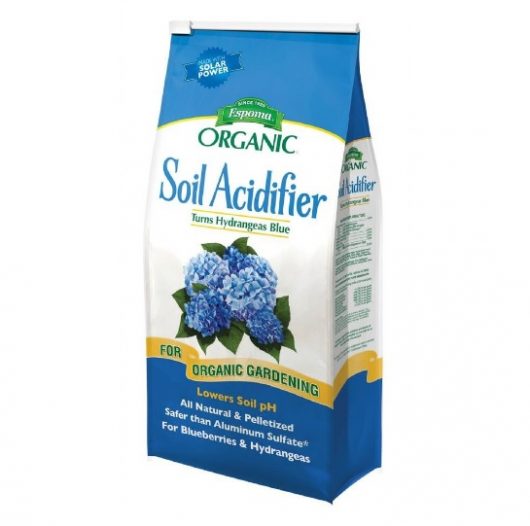
To quickly acidify soil for blueberries, you can employ several effective methods. Blueberries thrive in acidic soils with a pH between 4.5 and 5.5. Here are some strategies for rapidly lowering soil pH:
1. Add Sulfur: Elemental sulfur can be mixed into the soil, as it converts to sulfuric acid when it reacts with soil bacteria.
2. Use Ammonium-based Fertilizers: Fertilizers containing ammonium can also help lower soil pH.
3. Incorporate Organic Matter: Utilization of peat moss and compost made from acidic materials can assist in reducing pH levels.
4. Pine Needle Mulch: Adding pine needles as mulch can naturally acidify the soil over time as they break down.
5. Sulfuric Acid or Aluminum Sulfate: For a more immediate effect, these substances can be applied, but they should be used with caution due to their strength.
Understanding Soil pH
Soil pH is a measure of how acidic or alkaline the soil is. Blueberries require an acidic environment to absorb nutrients effectively. Soil pH affects the availability of metals and minerals, which are critical for healthy blueberry growth. Testing the soil with a pH meter or test kit is essential to determine how much you need to reduce pH.
See also:
- Soil pH scale ranges from 0 to 14, where below 7 indicates acidity.
- Blueberries flourish in soil with pH levels between 4.5 and 5.5.
- Testing helps gauge the existing pH and determine the necessary amendments.
The Role of Sulfur in Soil Acidification
The addition of elemental sulfur is one of the most effective means to acidify soil for blueberries. Sulfur must be oxidized by soil bacteria to lower the pH effectively. This process can take several weeks to months but can lead to sustainable pH levels when maintained correctly.
- Granular sulfur can be applied directly into the soil.
- The application rate depends on the initial soil pH and the desired pH level.
- Ensure proper moisture levels for optimal bacterial activity.
Organic Amendments for Acidifying Soil
Incorporating organic materials like peat moss or pine bark into your soil can significantly lower pH levels over time. These materials not only help acidify the soil but also improve soil structure and retain moisture, which is beneficial for blueberries.
- Mix organic amendments into the top 6 to 12 inches of soil.
- Reapply annually to maintain acidity and enhance soil quality.
- Consider using acidic composts as well, which can add nutrients.
Utilizing Ammonium-based Fertilizers
Using fertilizers that contain ammonium nitrogen, such as ammonium sulfate, can naturally reduce soil pH as they release acidity into the soil. This approach not only helps to acidify the soil but also provides necessary nutrients for blueberry plants.
- Follow package instructions for fertilizer application rates.
- Apply during the growing season for fast results.
- Regular fertilization is required to keep up the acidic environment.
Immediate Solutions: Sulfuric Acid or Aluminum Sulfate
For immediate results, using sulfuric acid or aluminum sulfate can quickly drop soil pH. However, extreme caution is required when handling these substances due to their corrosive nature.
- Dilute sulfuric acid properly before application.
- Aluminum sulfate should be mixed well with soil for even distribution.
- Monitor soil pH levels frequently to avoid over-acidification.
What is a good acidic fertilizer for blueberries?
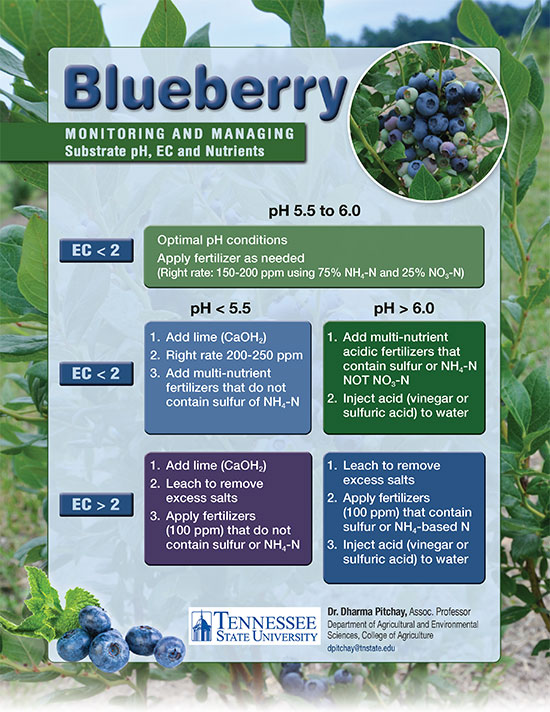
Blueberries thrive in acidic soils, typically with a pH between 4.5 and 5.5. To achieve and maintain this acidity, specific fertilizers can be used to ensure optimal growth and fruit production. One of the best acidic fertilizers for blueberries is ammonium sulfate. This fertilizer not only provides nitrogen, essential for healthy foliage and fruit development, but also helps to acidify the soil. Other excellent options include sulfur-coated urea, fish emulsion, and aluminum sulfate. These fertilizers can significantly enhance the acidity of the soil, making it more suitable for blueberry plants.
Benefits of using Ammonium Sulfate
The use of ammonium sulfate as a fertilizer for blueberries offers numerous benefits, including:
- Improved Nitrogen Availability: Ammonium sulfate supplies a readily available form of nitrogen that promotes vigorous growth.
- Soil Acidification: This fertilizer acidifies the soil, creating an optimal environment for blueberries.
- Enhanced Fruit Quality: Adequate nitrogen levels lead to healthier plants, resulting in better fruit yield and quality.
Sulfur-Coated Urea for Blueberries
Sulfur-coated urea is another excellent choice for fertilizing blueberries, and it functions effectively due to:
- Gradual Release: The coating ensures a slow release of nutrients over time, minimizing the risk of nutrient leaching.
- Acidification: Sulfur from this fertilizer helps in lowering soil pH, promoting a favorable growing environment for blueberries.
- Mixing Efficiency: It can easily be mixed with other fertilizers to provide a balanced nutrient profile for the plants.
Importance of Organic Fertilizers
Using organic fertilizers like fish emulsion for blueberries is beneficial for several reasons:
- Soil Health: Organic fertilizers improve soil structure and increase microbial activity which enhances nutrient availability.
- Natural Acidity: Many organic options add natural acidity to the soil without the sharp effects of synthetic fertilizers.
- Environmental Safety: Organic fertilizers are less likely to cause water pollution compared to chemical fertilizers.
Aluminum Sulfate: A Quick Acting Acidifier
Aluminum sulfate is commonly used to quickly lower soil pH and is particularly effective because of:
- Rapid Acidification: This substance acts quickly to reduce soil pH, making it ideal for immediate adjustments.
- Versatile Application: It can be mixed into the soil or used as a top dressing, offering flexibility in application.
- Supplemental Benefits: Aside from acidifying, it can also improve nutrient availability to the plants.
Considerations for Fertilizing Blueberries
When selecting a fertilizer for blueberries, several considerations are essential:
See also:
- Soil Testing: Conduct a soil test to determine current pH and nutrient levels before applying fertilizers.
- Timing of Application: Fertilizer application should align with the growing season, typically in early spring.
- Rate of Application: Follow recommended rates to avoid over-fertilizing, which can damage plants and affect fruit quality.
How to keep blueberries acidic?
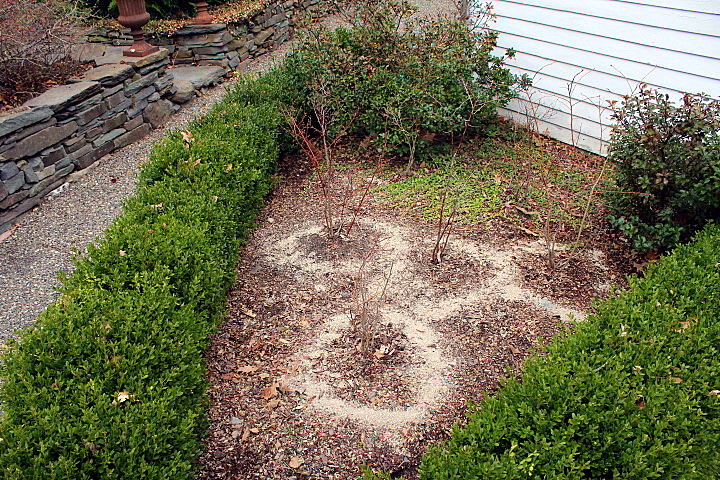
To keep blueberries acidic, it is important to manage the growing conditions and care for the plants appropriately. Blueberries thrive in acidic soils, typically with a pH between 4.5 and 5.5. Here are some effective methods to maintain their acidity.
Importance of Soil pH
Maintaining the right soil pH is crucial for blueberries. Acidic soils enhance the availability of nutrients, which is essential for healthy blueberry growth. Here’s how you can manage soil pH effectively:
- Regular Testing: Test the soil pH regularly using a soil pH meter or test kit.
- Amendment with Sulfur: If soil pH rises above 5.5, consider adding elemental sulfur to lower it.
- Mulching: Use acidic mulch such as pine needles or wood chips to help maintain a lower pH over time.
Choosing the Right Fertilizers
The type of fertilizer used can significantly influence the acidity of the soil. Blueberries require specific nutrients that can be provided by appropriate fertilizers:
- Acidic Fertilizers: Use fertilizers formulated for acid-loving plants, such as ammonium sulfate.
- Organic Options: Consider organic options like composted pine bark or coffee grounds.
- Phosphorus Management: Monitor phosphorus levels, as excess phosphate can raise soil pH.
Watering Practices
Water quality and how you water your blueberries can affect soil acidity. Proper watering techniques can help maintain the right environment:
- Use Acidic Water: If possible, use rainwater or water that is slightly acidic.
- Avoid Hard Water: Tap water with high alkalinity can increase soil pH over time.
- Drip Irrigation: Consider using drip irrigation for efficient watering that avoids over-saturating the soil.
Choosing the Right Mulch
Mulching not only preserves moisture but also contributes to maintaining soil acidity. Selecting the correct type of mulch is key:
- Pine Bark mulch: Pine bark is an excellent mulch option as it is naturally acidic.
- Wood Chips: Using aged wood chips can help maintain soil temperature and pH.
- Organic Matter: Incorporate organic materials that decompose slowly and acidify the soil.
Regular Monitoring and Maintenance
Continuous monitoring and maintenance ensure that soil conditions remain optimal for blueberries. Keeping a close eye on various factors is critical:
- Routine Soil Tests: Conduct soil tests at least once a year to check pH and nutrient levels.
- Observation: Watch for signs of nutrient deficiencies or pH imbalances in the plant.
- Adjusting Care: Be prepared to adjust watering, fertilizing, and mulching based on test results.
Questions from Our Readers
What natural materials can I use to acidify soil for blueberries?
To make soil more acidic for blueberries, you can utilize natural materials such as pine needles, oak leaves, and composted leaves, which are high in organic matter and can help lower pH levels when added to the soil. Additionally, sulfur is often used; it can be naturally sourced or purchased in its elemental form to enhance soil acidity.
How often should I test my soil pH for blueberries?
It is advisable to test your soil pH at least once a year before planting and during the growing season if possible. Regular testing helps ensure that the pH remains within the ideal range of 4.5 to 5.5, enabling your blueberry plants to absorb nutrients effectively and thrive.
Can I use vinegar to acidify soil for blueberries?
Yes, you can use vinegar to temporarily acidify soil, as it contains acetic acid. However, it is important to use it judiciously and realize it’s a short-term solution; frequent applications may harm beneficial soil organisms. For long-term results, consider more sustainable acidifying methods.
Do coffee grounds help in making the soil more acidic for blueberries?
Yes, coffee grounds can be beneficial in creating more acidic soil for blueberries. When mixed into the soil, coffee grounds can lower the pH while also adding organic matter and nutrients, making them a great option for enhancing soil quality around blueberry plants.
See also:

If you want to read more articles like Proven Methods: How to Make Soil More Acidic for Blueberries Naturally?, we recommend you check out our Soil category.
Leave a Reply
Related Articles