Does Epsom Salt Make Soil Acidic? Exploring the Truth Behind Plant Nutrition
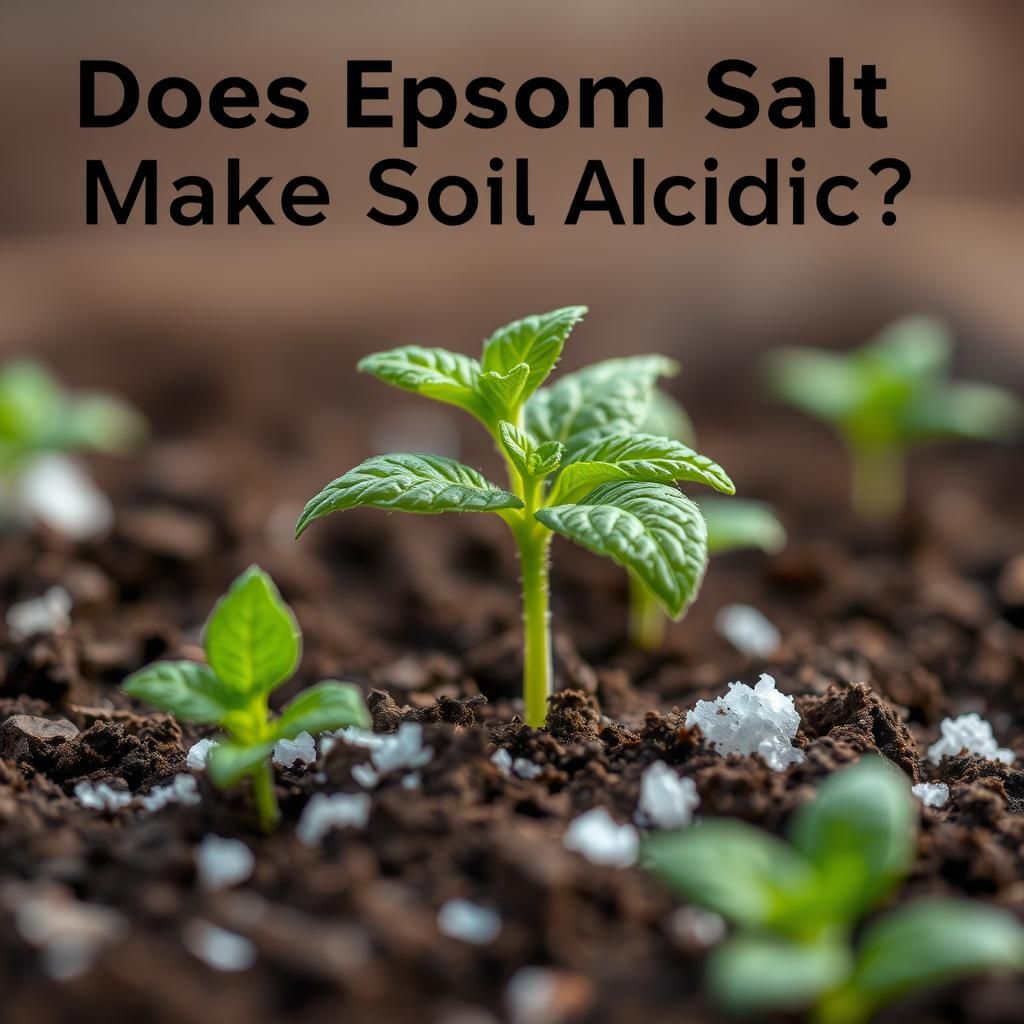
Epsom salt, a popular gardening supplement, is often touted for its potential benefits to plant health. However, there are persistent myths surrounding its effects on soil acidity. In this article, we will explore whether Epsom salt truly makes soil acidic and how it influences plant nutrition. We will delve into the science behind magnesium sulfate, the primary component of Epsom salt, and its role in plant growth. Understanding the realities of Epsom salt's impact on soil pH is essential for gardeners seeking to foster healthy and thriving plants in their gardens. Join us as we uncover the truth behind this gardening staple.
Does Epsom Salt Make Soil Acidic?
Epsom salt, composed primarily of magnesium sulfate, does not inherently make soil acidic. Instead, it serves as a beneficial amendment for various soil types. When applied, Epsom salt can help alleviate deficiencies of magnesium and sulfur, which may enhance plant growth and health. While Epsom salt itself is neutral in pH, its effects on soil acidity can depend on the existing soil composition and the plants being cultivated. Generally, it's best to conduct a soil test before application to understand its current pH balance and nutrient levels, ensuring that Epsom salt enhances, rather than disrupts, soil health.
What Is Epsom Salt?
Epsom salt is a mineral compound that consists of magnesium, sulfur, and oxygen. Its chemical formula is MgSO4. Traditionally, it has been used for a variety of applications, including gardening, medicinal purposes, and relaxation in baths. In gardening, Epsom salt is recognized for its ability to improve nutrient uptake in plants, particularly those that require higher levels of magnesium.
Effects of Epsom Salt on Soil pH
The application of Epsom salt does not create an acidic environment in the soil. Rather, its neutral pH means that it does not add hydrogen ions, which are typically responsible for lowering pH levels in soil. Thus, it can be quite safe to use around vegetables and flowers without the risk of acidifying the soil, making it a versatile amendment for a variety of gardening scenarios.
Benefits of Epsom Salt in Gardening
Epsom salt offers several benefits for gardeners. It helps in improving nutrient absorption, boosting plant growth, and enhancing flowering and fruiting. The magnesium in Epsom salt supports photosynthesis, while the sulfur contributes to the formation of essential amino acids. As a result, plants treated with Epsom salt may show increased vigor and overall health, particularly when deficiencies in these nutrients are evident.
See also:
When to Use Epsom Salt
Epsom salt can be beneficial when used at specific times throughout the growing season. For instance, applying it when planting tomatoes, peppers, or roses can help improve their growth and yield. It can also be used as a foliar spray during the growing season if symptoms of magnesium deficiency appear, such as yellowing leaves with green veins. It's important to follow recommended application rates and consult a professional if needed.
Alternative Methods to Adjust Soil pH
If adjusting soil acidity is necessary, there are various alternatives to Epsom salt. Lime can be used to raise soil pH, making it less acidic, while sulfur or aluminum sulfate can be applied to acidify the soil if needed. Understanding the current soil conditions through a soil test will guide gardeners in making informed decisions regarding the best amendments for achieving optimal pH levels.
| Aspect | Epsom Salt | Effect on Soil |
|---|---|---|
| pH Level | Neutral | No acidification |
| Main Nutrients | Magnesium, Sulfur | Enhances nutrient absorption |
| Common Uses | Fertilizer, soil amendment | Improves plant health |
| Application Rate | Based on soil test | Prevents over-application |
| Alternative | None for acidity | Lime to raise pH |
Understanding the Role of Magnesium in Soil Health
Epsom salt, composed primarily of magnesium sulfate, can play a significant role in improving plant nutrition and overall soil health. While it is often misunderstood as making soil acidic, the truth lies in its ability to provide essential magnesium, which is vital for chlorophyll production and photosynthesis. Introducing Epsom salt into the soil does not inherently change the pH level to a more acidic state; instead, it enhances plant nutrient uptake. Proper use of Epsom salt can lead to more robust plant growth and improved crop yields by addressing magnesium deficiencies commonly found in various soil types.
The Nutritional Benefits of Epsom Salt for Plants
Epsom salt is known for its high magnesium content, which can greatly benefit plants that suffer from nutrient deficiencies. Magnesium is crucial for the synthesis of chlorophyll, which is essential for plant photosynthesis and energy production. Additionally, Epsom salt has been shown to improve the uptake of other essential nutrients, such as nitrogen and phosphorus, leading to healthier and more thriving plants. Ultimately, by providing this mineral support, Epsom salt can enhance flowering and fruiting processes, making it an excellent addition for gardeners aiming for a bountiful harvest.
How Epsom Salt Affects Soil pH
Contrary to the belief that Epsom salt can make soil more acidic, it is important to understand that magnesium sulfate does not significantly alter soil pH levels. Instead, Epsom salt can maintain a stable environment for beneficial soil microorganisms and support nutrient availability. This stability is key for sustaining a neutral pH, which is generally more conducive to plant health. Thus, using Epsom salt correctly should not lead to adverse effects on soil acidity or alkalinity.
See also:
Identifying Magnesium Deficiency in Plants
Plants showing signs of magnesium deficiency often exhibit yellowing between leaf veins, a condition known as interveinal chlorosis. Other symptoms can include leaf curling or a general lack of vigor in growth. Recognizing these signs early is crucial, as magnesium is essential for photosynthetic processes. Applying Epsom salt can help alleviate these symptoms by replenishing magnesium levels, encouraging proper development and overall plant health. By monitoring plant health regularly, gardeners can effectively manage and prevent deficiencies.
Usage Guidelines for Epsom Salt in Gardening
When using Epsom salt in gardening, it's essential to apply it correctly to maximize its benefits. A common recommendation is to dissolve about 1 tablespoon of Epsom salt in a gallon of water and apply it as a foliar spray or directly to the soil around the plants. It's crucial to use Epsom salt in moderation, as excessive application can lead to nutrient imbalances in the soil and may affect plant health negatively. Following these guidelines will ensure that the magnesium and sulfate are utilized effectively by the plants.
The Importance of Balanced Nutrition in Soil Management
For optimal plant growth and yield, it’s vital to maintain a balance of all essential nutrients in the soil, including nitrogen, phosphorus, and potassium alongside magnesium. While Epsom salt provides magnesium, it's important for gardeners to conduct soil tests to understand existing nutrient levels. By ensuring a balanced supply, gardeners can create a conducive environment for plants, thus promoting healthier growth and more productive outcomes. This approach leads to sustainable agricultural practices, essential for long-term soil health.
Questions from Our Readers
Does Epsom salt make soil acidic?
Epsom salt, primarily composed of magnesium sulfate, does not make soil acidic. In fact, it can help improve the overall health of plants by providing essential nutrients without altering the pH level significantly.
What is the effect of Epsom salt on plant growth?
Using Epsom salt can enhance plant growth by supplying magnesium, which is vital for chlorophyll production, and can help plants become more vibrant and productive.
See also:
How can Epsom salt be applied to the soil?
Epsom salt can be dissolved in water and applied as a liquid fertilizer or sprinkled directly onto the soil. This method allows the magnesium to be quickly absorbed by the roots of the plants.
Are there any risks associated with using Epsom salt?
While Epsom salt is generally safe for most plants, using it in excessive amounts can lead to nutrient imbalances or potentially harm sensitive plants, so it should be applied in moderation.

If you want to read more articles like Does Epsom Salt Make Soil Acidic? Exploring the Truth Behind Plant Nutrition, we recommend you check out our Soil category.
Leave a Reply
Related Articles